Two thirds of Britons say it remains unclear what Starmer stands for
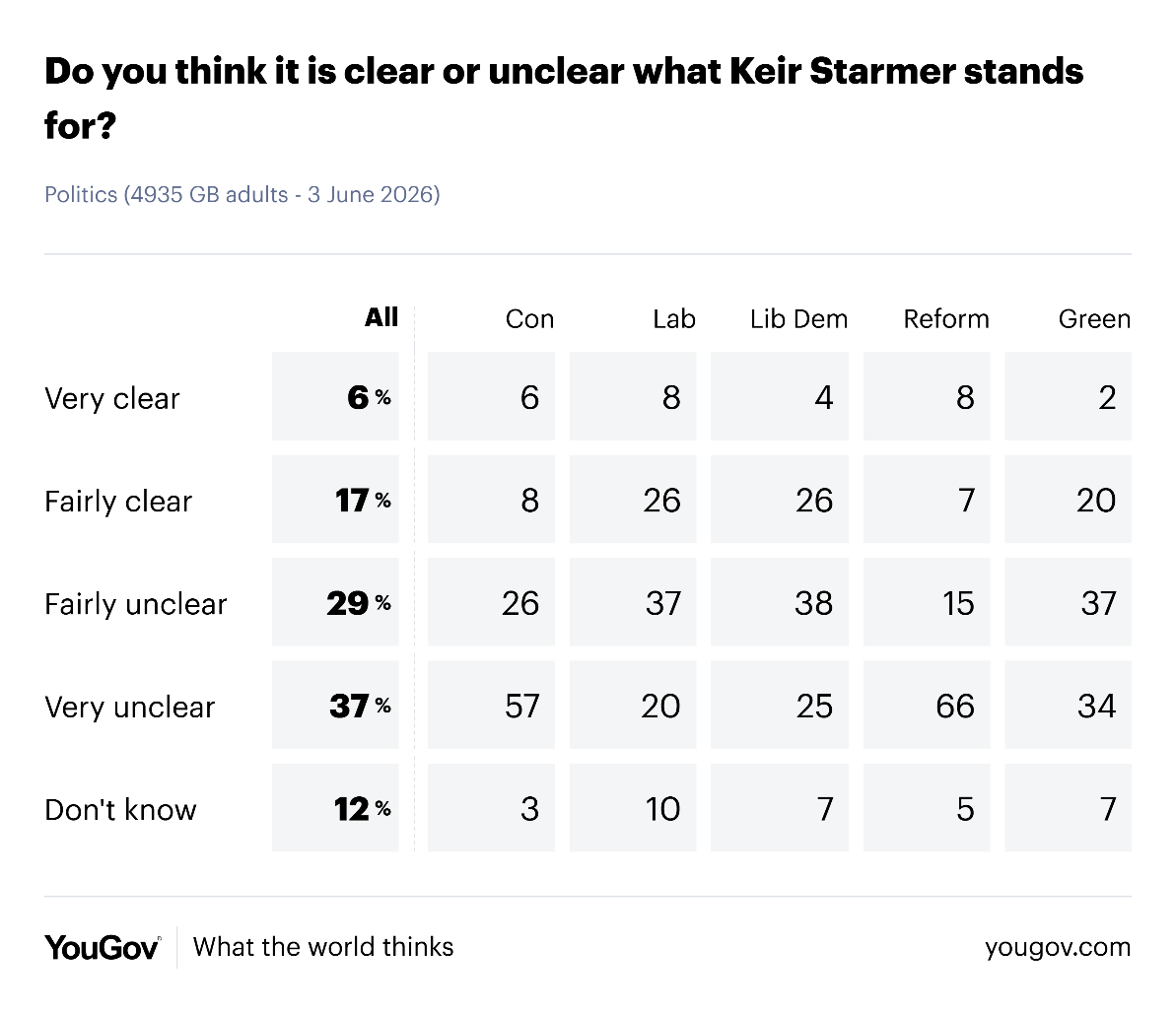
Two thirds of Britons say it remains unclear what Keir Starmer stands for, new YouGov polling reveals, with even 57% of Labour voters uncertain about the PM's beliefs.
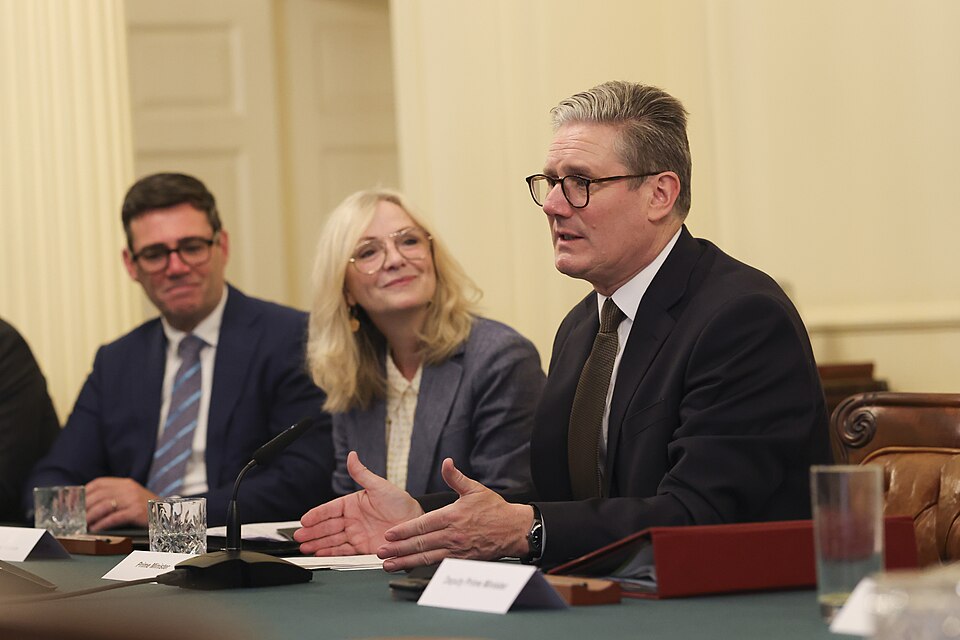
Photo: Simon Dawson / No 10 Downing Street (Open Government Licence v3.0)
One of the most damaging accusations that can be levelled against a political leader is not that they are wrong, but that voters simply do not know what they believe.
New polling from YouGov suggests Sir Keir Starmer faces precisely that challenge. According to the survey, two thirds of Britons say it remains unclear what the Prime Minister stands for, highlighting a persistent problem that has followed him from opposition into government.
The findings paint a troubling picture for Labour. While governments inevitably face criticism over policy decisions, voters generally expect to understand the principles driving those decisions. For Starmer, the problem appears to be more fundamental. Only 23% of Britons say it is clear what the Prime Minister stands for, compared with 66% who say it is not. Even among those who backed Labour at the 2024 general election, a majority of 57% believe it remains unclear what Starmer's political identity is.
The figures are likely to reignite a debate that has followed the Prime Minister throughout much of his leadership. Since taking over the Labour Party, Starmer has often prioritised electoral pragmatism over ideological clarity, repositioning Labour towards the political centre and distancing the party from many of the positions associated with the Corbyn era. Supporters argue that approach was essential to restoring Labour's credibility with voters. Critics contend it has left the party struggling to articulate a clear sense of purpose.
The contrast with Andy Burnham is notable.
The Mayor of Greater Manchester, who is seeking a return to Parliament through the forthcoming Makerfield by-election, performs somewhat better when voters are asked whether they understand what he stands for. While the public is far from overwhelmingly supportive, 28% say Burnham's political beliefs and priorities are clear, compared with 41% who say they are not.
Among Labour voters, Burnham records a positive balance. Some 41% believe it is clear what he stands for, while 31% disagree. Although those figures do not amount to a ringing endorsement, they suggest Burnham has succeeded in establishing a more recognisable political identity among Labour supporters than the party leader himself.
That distinction may help explain why Burnham continues to attract attention whenever Labour's future leadership is discussed.
Unlike many Westminster politicians, Burnham has spent much of the past decade operating outside the parliamentary spotlight. As Mayor of Greater Manchester, he has built a reputation as a politician willing to challenge governments of all colours when he believes regional interests are at stake. Whether voters agree with his positions or not, many appear to have formed a clearer impression of what motivates him politically.
For Starmer, the challenge is arguably more difficult.
Prime ministers are judged not only by what they say but by what they do. After two years in government, voters have had ample opportunity to observe Labour's record in office. Yet the YouGov findings suggest many remain uncertain about the broader vision underpinning the government's decisions.
The issue extends beyond personal popularity. Political leaders can recover from setbacks, unpopular policies and difficult periods in office. Rebuilding a sense of political purpose is often harder. Voters may disagree with a leader's agenda, but they generally prefer to know what that agenda is.
As Labour prepares for the next phase of its time in government, that may become one of the defining challenges facing the Prime Minister.
The polling does not suggest that voters are rallying behind Burnham as an alternative leader, nor does it indicate any imminent threat to Starmer's position. What it does suggest is that many Britons still struggle to answer a basic political question about the man who leads the country.
For a Prime Minister approaching the midpoint of his first term, that should concern Downing Street far more than any individual poll rating.
Source: YouGov survey of 4,935 adults in Great Britain, conducted on 3 June 2026. Must credit YouGov.
Continue Reading
More News
One in three Britons believe the Green Party has a significant antisemitism problem

Justin Timberlake and Jessica Biel join protein soda brand PRODA as co-founders

More than half of Britons want inheritance tax cut or abolished