Half of Britons rate Keir Starmer a poor Prime Minister as he leaves Downing Street
Keir Starmer leaves Downing Street with 51% of Britons rating him poor or terrible as PM, new YouGov polling shows. Just 16% believe he was good or great.
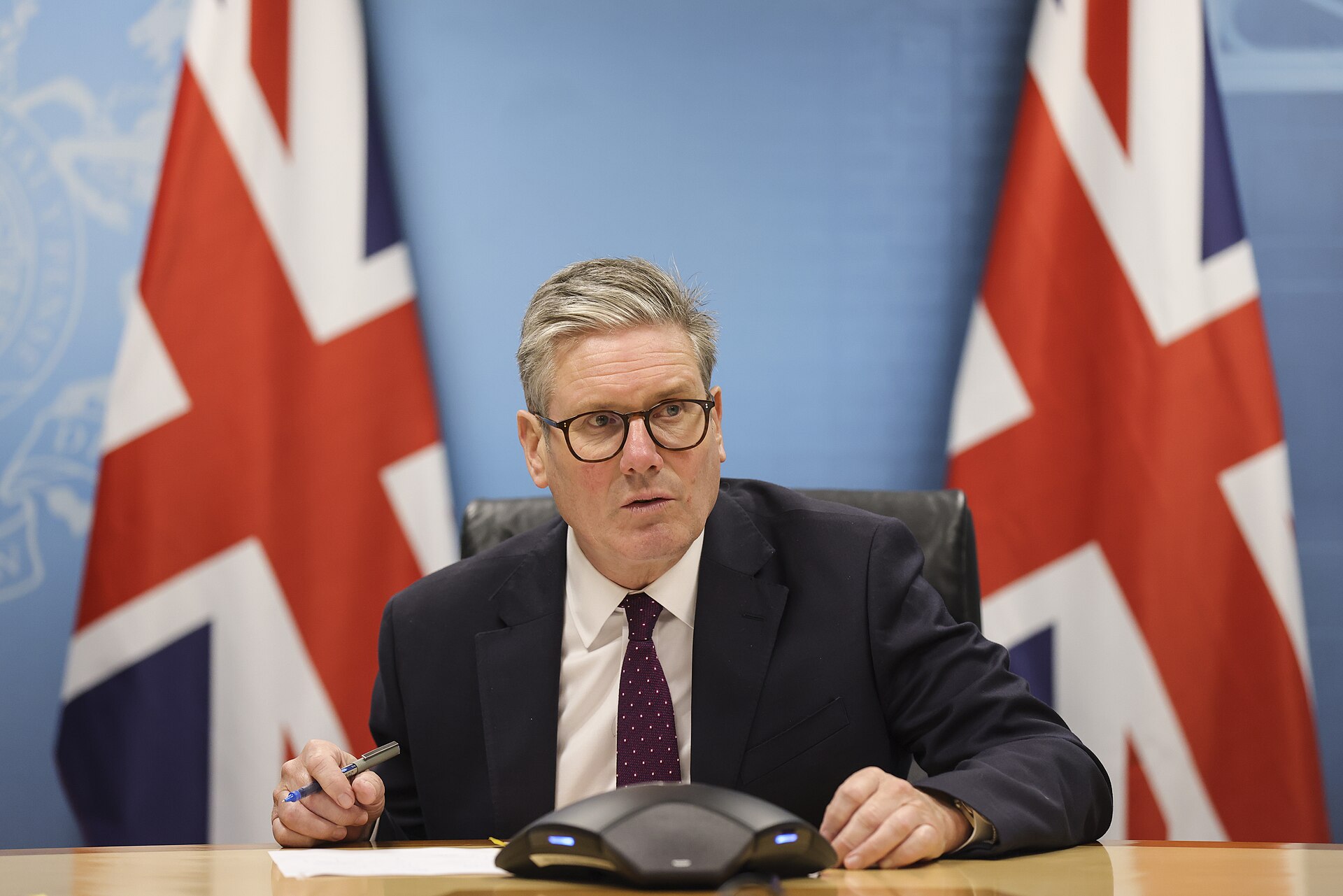
Simon Dawson / No. 10 Downing Street (Crown Copyright), via Wikimedia Commons (CC BY 2.0)
Keir Starmer leaves Downing Street with half the country believing he was a poor or terrible Prime Minister, according to newYouGov polling, bringing an end to a premiership that began with high expectations but concludes amid widespread public disappointment.
The survey paints a sobering picture of Labour's two years in office. Just 16 per cent of Britons believe Sir Keir was a "good" or "great" Prime Minister, while 51 per cent describe his time in office as either poor or terrible. A further 29 per cent rate his premiership as average.
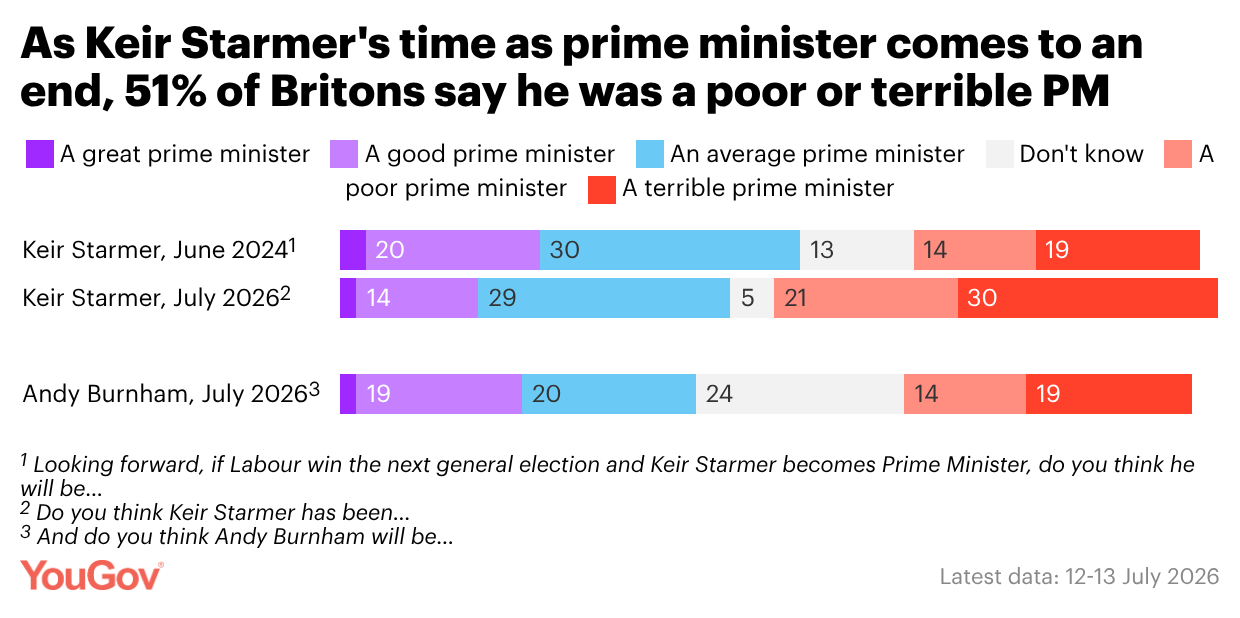
For Labour, the findings illustrate how quickly political goodwill can evaporate. Before the 2024 general election, 23 per cent of voters expected Starmer to become a good or great Prime Minister. Today, that figure has fallen rather than grown, while the proportion describing him as poor or terrible has risen by 20 percentage points.
Perhaps more troubling for Labour is the decline in confidence among its own supporters. Before entering Downing Street, more than half, 54 per cent, of Labour voters believed Starmer would prove to be a successful Prime Minister. As he leaves office, only 35 per cent believe he achieved that standard.
While a majority of Labour's 2024 voters still hold a favourable opinion of Starmer personally, enthusiasm has clearly diminished. Nearly four in ten now view him unfavourably, a striking deterioration for a leader who only two years ago delivered one of the party's largest parliamentary majorities.
The polling suggests Labour's difficulties extend beyond simple popularity. Asked to identify Starmer's greatest achievements, many voters struggled to produce an answer. The most frequently cited successes related to foreign affairs, particularly his decision not to involve Britain in the United States and Israel's military action against Iran, alongside his wider handling of international diplomacy.
Domestic achievements proved far less prominent. Smaller numbers highlighted improvements to the NHS, workers' rights, renters' rights and rail nationalisation, but the largest single response was uncertainty. Some 43 per cent of Britons said they did not know what Starmer's greatest achievement had been, while a further quarter either could not think of one or suggested that leaving office was itself the high point of his premiership.
By contrast, voters appeared considerably more certain about what had gone wrong.
The decision to restrict winter fuel payments for pensioners emerged as the most frequently cited criticism, alongside repeated references to policy reversals and a perceived lack of consistency in government. Immigration, tax rises and broader complaints that Labour had failed to fulfil its promises also featured prominently.
The findings reinforce an argument that has increasingly surrounded Starmer's government during its final months: that while ministers pursued a wide range of policy reforms, they struggled to persuade many voters that life had materially improved.
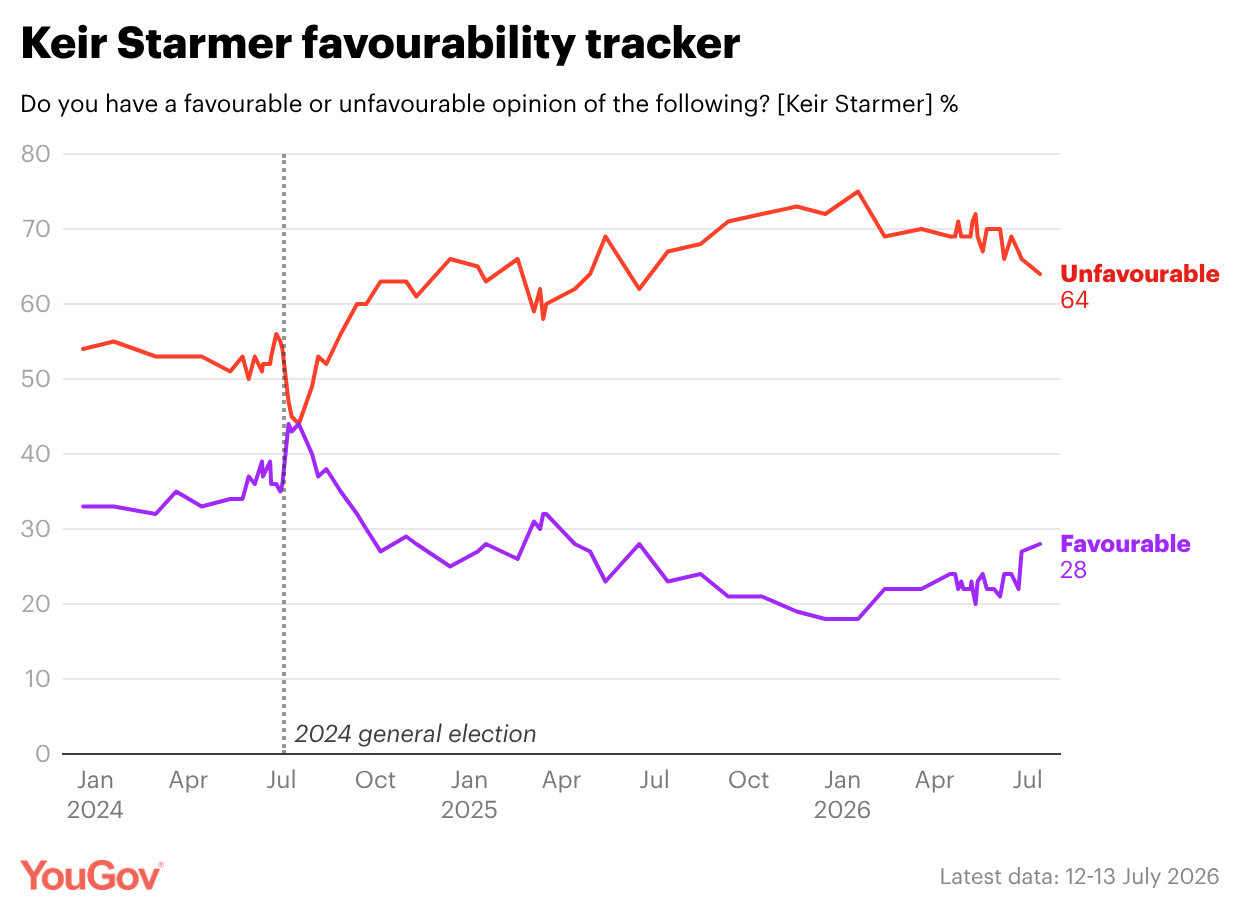
That perception is reflected in YouGov's assessment of Starmer's personal qualities. Nearly three quarters of Britons, 74 per cent, describe him as indecisive, making it the weakest attribute measured in the survey. Around two thirds regard him as weak, while roughly six in ten consider him untrustworthy, incompetent or unlikeable.
Competence, once regarded as one of Starmer's greatest political strengths, appears to have eroded significantly during his time in office. Before becoming Prime Minister, voters were broadly divided over whether he was competent. That changed during the first year of his government, particularly following the controversy surrounding changes to winter fuel payments, after which public confidence fell sharply.
As Labour prepares for a new chapter under Andy Burnham, the polling offers only cautious encouragement. Expectations for the incoming Prime Minister remain modest. Just 21 per cent of Britons believe Burnham will prove to be a good or great Prime Minister, while a third already expect him to perform poorly. Although many voters remain undecided, there is little evidence of the optimism that often accompanies a change of leadership.
The challenge facing Labour is therefore considerable. Governments are rarely judged solely by economic data, legislation or ministerial announcements. They are judged by whether voters believe their lives have improved and whether ministers appear to have delivered what they promised.
The YouGov findings suggest many Britons concluded that Labour fell short on both counts. Whatever historians ultimately make of Sir Keir Starmer's premiership, the immediate verdict from the public is clear. He leaves office having won a commanding parliamentary majority but without securing the enduring confidence of the country he governed.
Continue Reading
More News
One in three Britons believe the Green Party has a significant antisemitism problem

Justin Timberlake and Jessica Biel join protein soda brand PRODA as co-founders

More than half of Britons want inheritance tax cut or abolished