Voters think nationalisation would cut bills. Economists are far less certain
The case for bringing Britain's utilities back into public ownership has long been built on a simple promise: lower bills. As households continue to grapple with the cost of living and growing dissatisfaction over the performance of water and energy companies, nationalisation has moved from being a fringe political idea to a mainstream talking point.
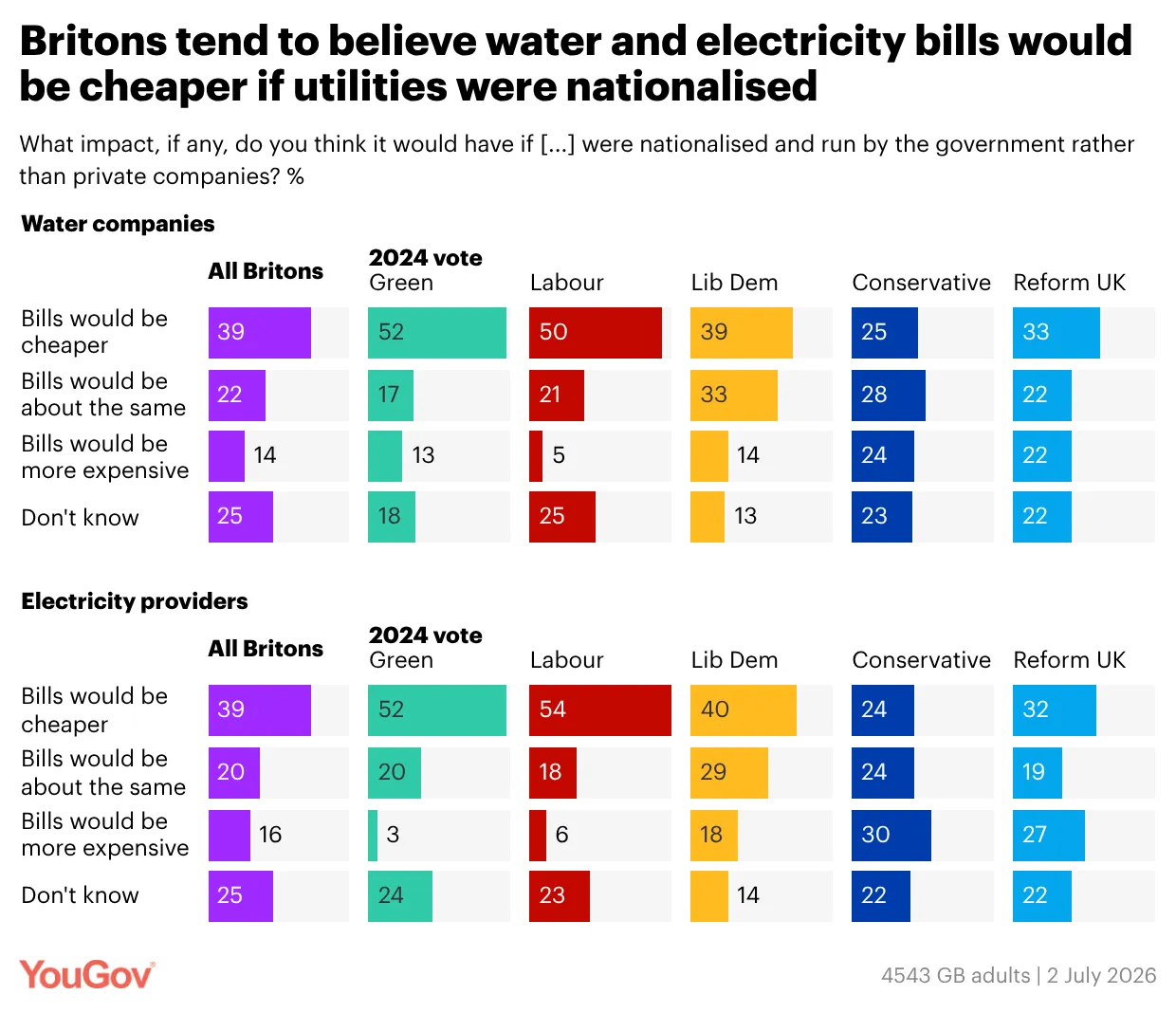
New YouGov polling suggests that argument is resonating with the public. Four in ten Britons believe nationalising water companies would reduce household bills, while an identical proportion say the same of electricity providers. Just 14% think water bills would rise under public ownership, with 16% expecting higher electricity costs, while around one in five believe nationalisation would make little difference either way.
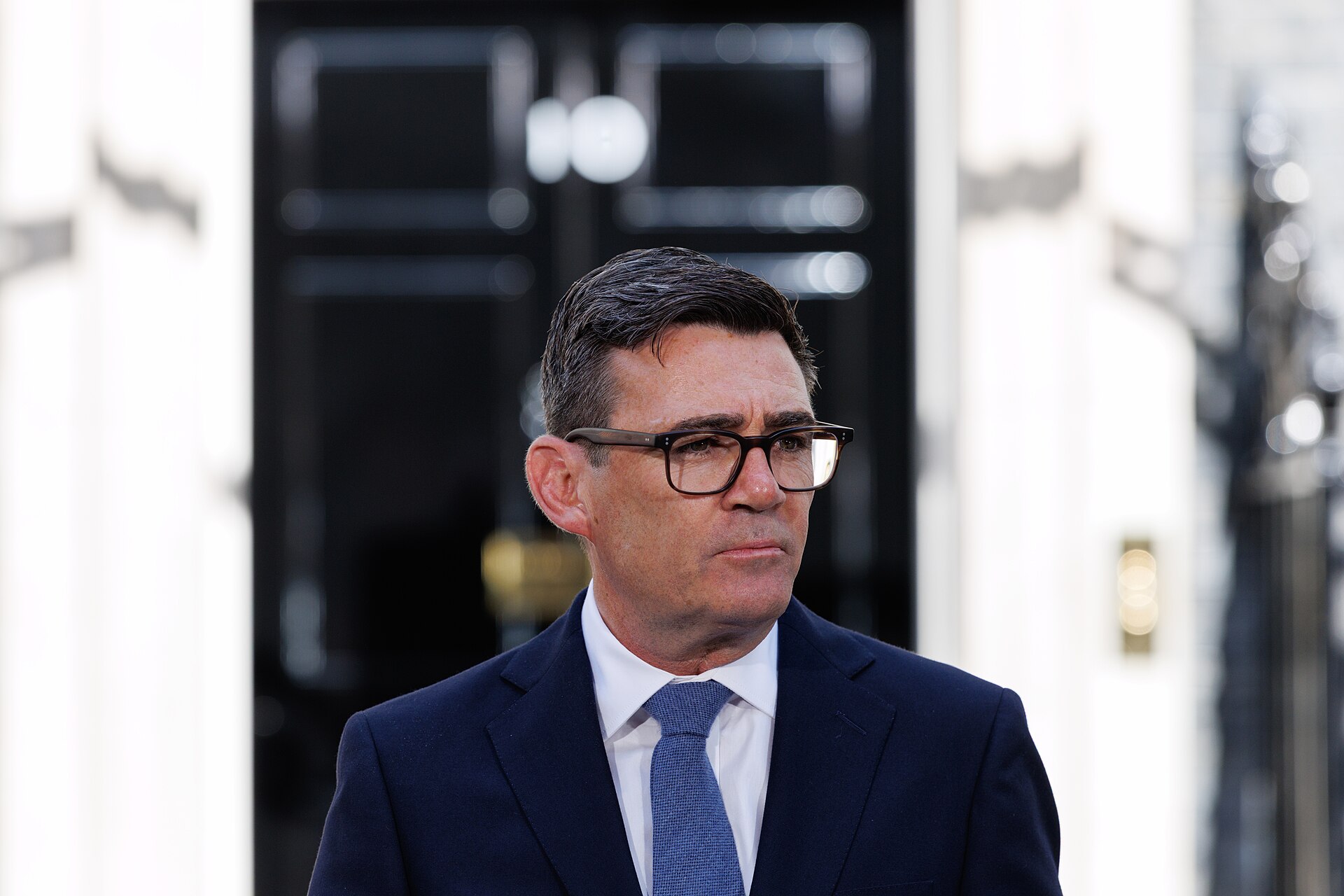
The findings come as Andy Burnham has indicated that public ownership would be "absolutely an option" if he became Prime Minister, arguing that essential services should be run primarily in the public interest rather than for private shareholders. His comments reflect a wider shift in British politics, where dissatisfaction with privatised utilities has become increasingly widespread following years of rising bills, sewage discharges into rivers and coastal waters, and persistent concerns over investment in ageing infrastructure.
Public opinion, however, should not be mistaken for economic consensus. While many voters appear convinced that state ownership would reduce costs, the relationship between ownership and pricing is considerably more complicated. Nationalisation would not remove the need to maintain reservoirs, upgrade electricity networks or invest in new infrastructure. Those costs would remain, regardless of whether they appeared on customer bills or on the Government's balance sheet.
The political divide over the issue is striking. More than half of Labour and Green voters believe nationalisation would reduce utility bills, compared with around four in ten Liberal Democrat supporters. On the political right, scepticism is considerably greater. Only around a quarter of Conservative voters believe public ownership would lower prices, while Reform UK supporters are almost evenly split, reflecting broader divisions over the role of the state in managing essential services.
The debate ultimately centres on a broader philosophical question. Supporters argue that removing the profit motive would allow utilities to reinvest revenues into infrastructure and customer service rather than shareholder dividends. Opponents counter that government ownership does not eliminate costs, but merely changes who pays them, while raising concerns that political priorities rather than commercial discipline could determine investment decisions.
The polling nevertheless demonstrates the extent to which confidence in Britain's utility companies has deteriorated. Whether voters support nationalisation because they favour a larger state or because they have lost faith in the existing model is a separate question. The result is the same: an increasing willingness to consider alternatives that would once have been politically contentious.
For ministers, that may prove the most significant finding of all. As pressure grows over living costs and public services, the political argument for reforming Britain's utilities is becoming easier to make. The challenge will be convincing voters that changing ownership alone is enough to deliver the lower bills many clearly expect.
Continue Reading
More News
The old football boots being given another match

Starmer leaves Parliament with public backing for his departure
Farage faces a test of credibility as Reform’s momentum begins to fade