Matteo Thun's new alpine retreat seeks to redefine luxury in the Dolomites
Matteo Thun unveils alpine wing at Hotel Bella Vista in South Tyrol, using timber and organic forms to blur the line between architecture and landscape.
Matteo Thun
In the modern luxury travel industry, the most coveted commodity is no longer opulence. It is space.
As Europe's most celebrated mountain destinations contend with growing visitor numbers and ever-larger developments, a counter-movement has emerged among architects and hoteliers who believe true luxury lies in simplicity, silence and a meaningful connection with the landscape. It is a philosophy that sits at the heart of the newly expanded Hotel Bella Vista in South Tyrol, where architect Matteo Thun has unveiled a striking new wing at the foot of the Ortler massif.
Situated within Italy's Stelvio National Park, one of Europe's largest protected natural areas, the family-run hotel has welcomed visitors since 1875. Its latest chapter combines contemporary architecture with an enduring reverence for the alpine environment that surrounds it.
The project carries a personal significance. Hotel Bella Vista is co-owned by the family of Gustav Thöni, the legendary Italian skier whose achievements helped define an era of Alpine sport. Thun, one of Italy's most respected architects and designers, shares a long friendship with the Olympic champion, and the expansion represents the culmination of conversations that have stretched across decades.
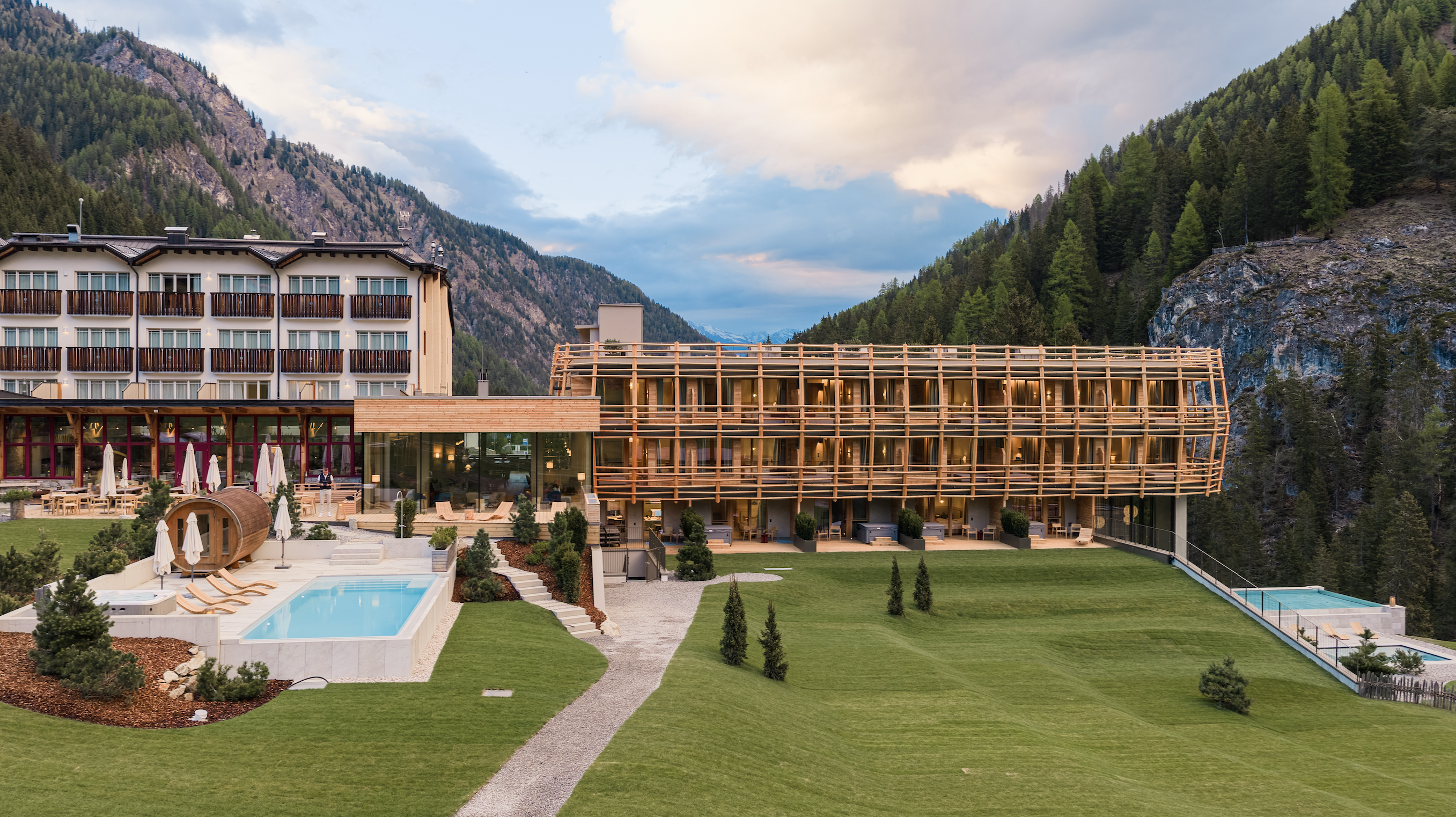
Rather than imposing itself upon the landscape, the new building attempts to disappear into it.
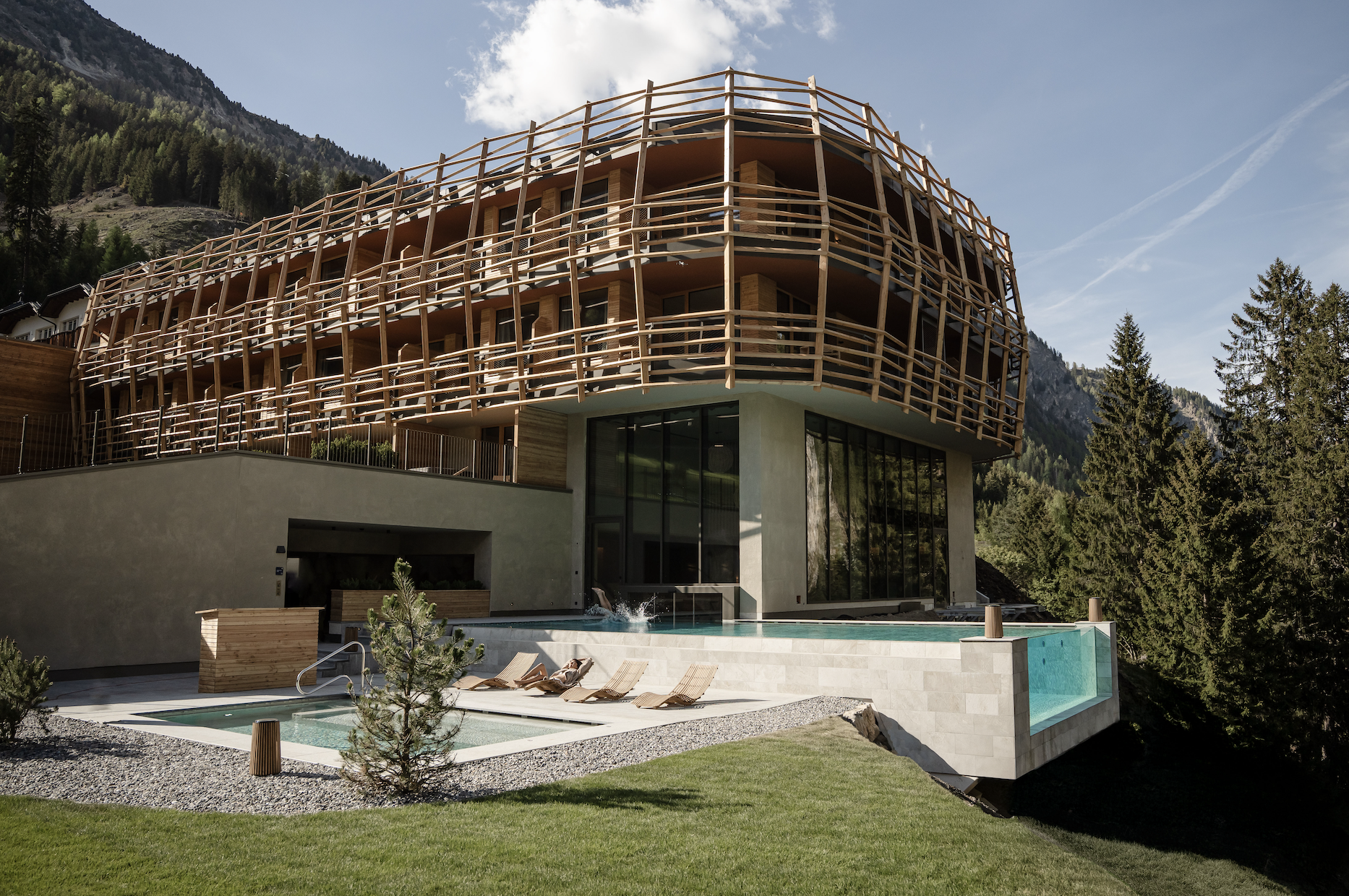
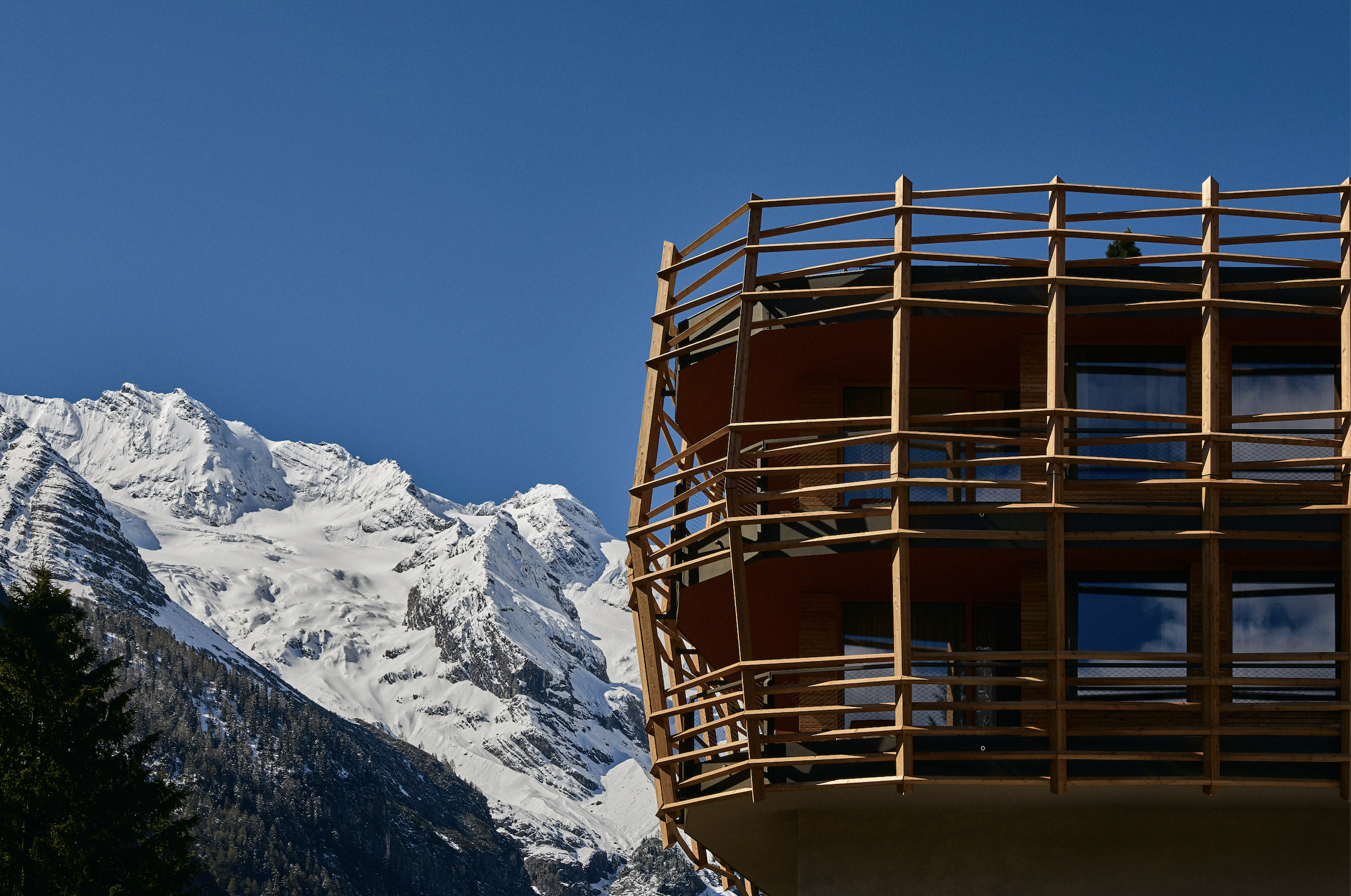
Inspired by the idea of a mountain nest, the structure uses timber extensively and adopts organic forms that soften its presence against the dramatic backdrop of the Alps. Floor-to-ceiling windows frame uninterrupted views of the surrounding peaks, blurring the distinction between interior and exterior space. Throughout the building, the landscape is treated not as scenery but as the principal design feature.
This approach has become increasingly influential within contemporary alpine architecture. Where once mountain hotels competed through grandeur and scale, many of today's most ambitious projects focus instead on creating a sense of immersion. Guests are no longer simply looking at the mountains. They want to feel part of them.
That philosophy is perhaps most evident in the hotel's new wellness facilities. A large adults-only spa has been positioned to maximise views across the Trafoi valley, while an infinity pool extends towards the canyon below, creating the illusion of water merging seamlessly with the landscape beyond. Panoramic saunas, relaxation areas and outdoor wellness spaces have been designed around the surrounding environment rather than separated from it.
The result is less a conventional hotel spa than an architectural exercise in framing nature.
Inside, the new wing introduces 24 suites, each designed around expansive views of the Stelvio landscape. Natural materials, soft tones and carefully controlled lighting create interiors that remain deliberately understated. It is an aesthetic increasingly associated with modern alpine hospitality, where restraint is often viewed as a greater luxury than excess.
The expansion also pays tribute to the region's sporting heritage. The first phase of the project, completed late last year, introduced the "Home of Gold" lounge, a space dedicated to Thöni and the legendary Valanga Azzurra ski team that dominated international skiing during the 1970s. More than simply a bar, it functions as a living archive of one of Italian sport's defining eras.
Such references ensure the project remains rooted in local identity rather than becoming another interchangeable luxury destination.
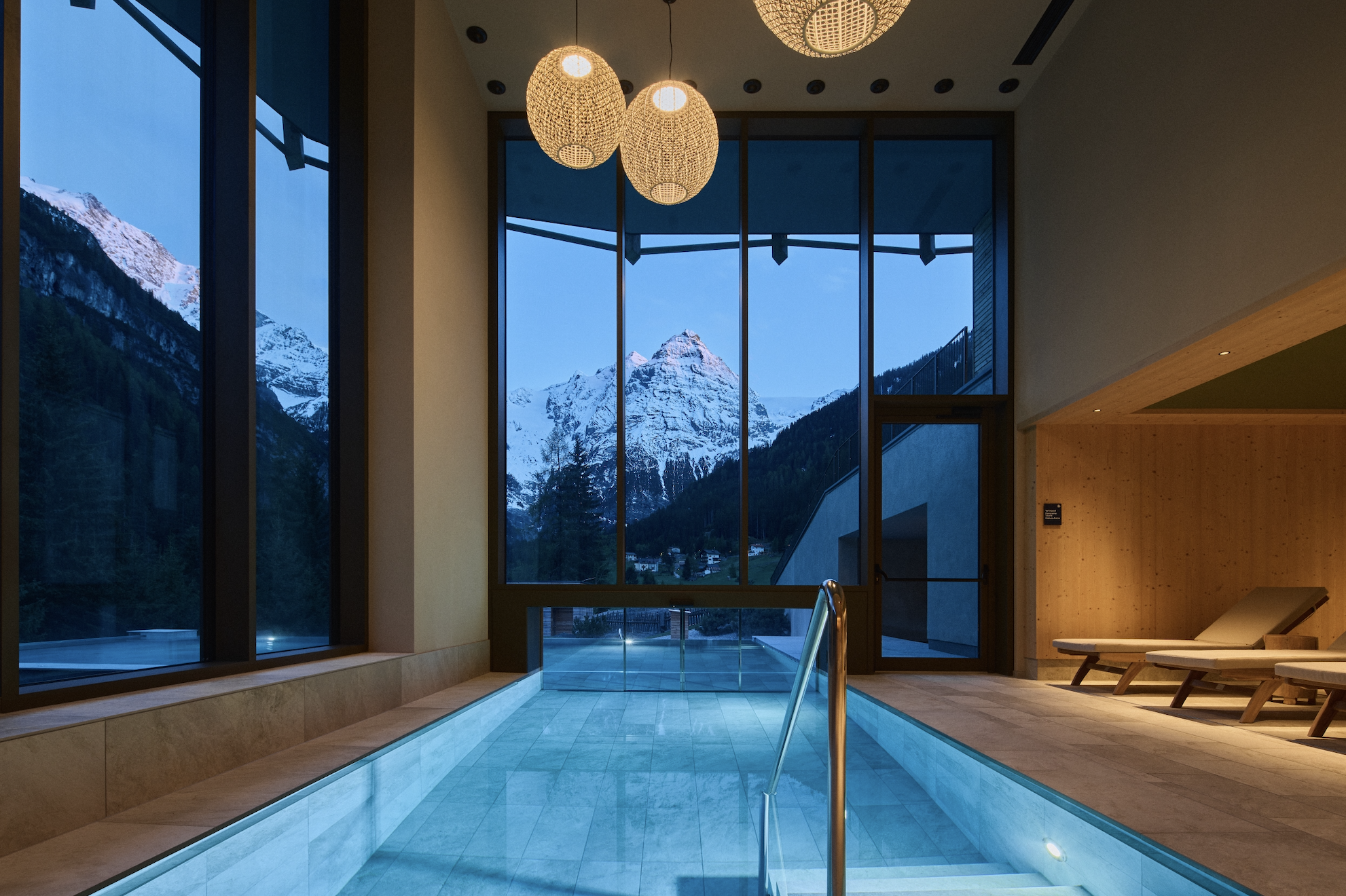
That balance between tradition and modernity is what ultimately distinguishes the development. Across Europe's mountain regions, there is growing concern that tourism can erode the very character that attracts visitors in the first place. Hotel Bella Vista's expansion takes a different approach, embracing contemporary design while maintaining a strong sense of place.
In an era when luxury hotels increasingly compete through spectacle, the most striking aspect of Matteo Thun's design may be its restraint. The architecture does not seek to outshine the mountains. Instead, it allows them to remain the main attraction.
At nearly 4,000 metres, Ortler has dominated this landscape for millennia. The new Bella Vista recognises a simple truth that many luxury developments forget: the greatest luxury is often the view outside the window.
Continue Reading
More Art & Design
Josie Ryan paints the wildlife she refuses to let us forget
In the Tarn hills, Anne Briaud turns fragments into imagined worlds
Heinz Mack brings a lifetime’s study of light to Berlin