Josie Ryan paints the wildlife she refuses to let us forget
Josie Ryan paints wildlife portraits with conservation at their core, directing 30% of pangolin artwork proceeds to Namibian foundation efforts.
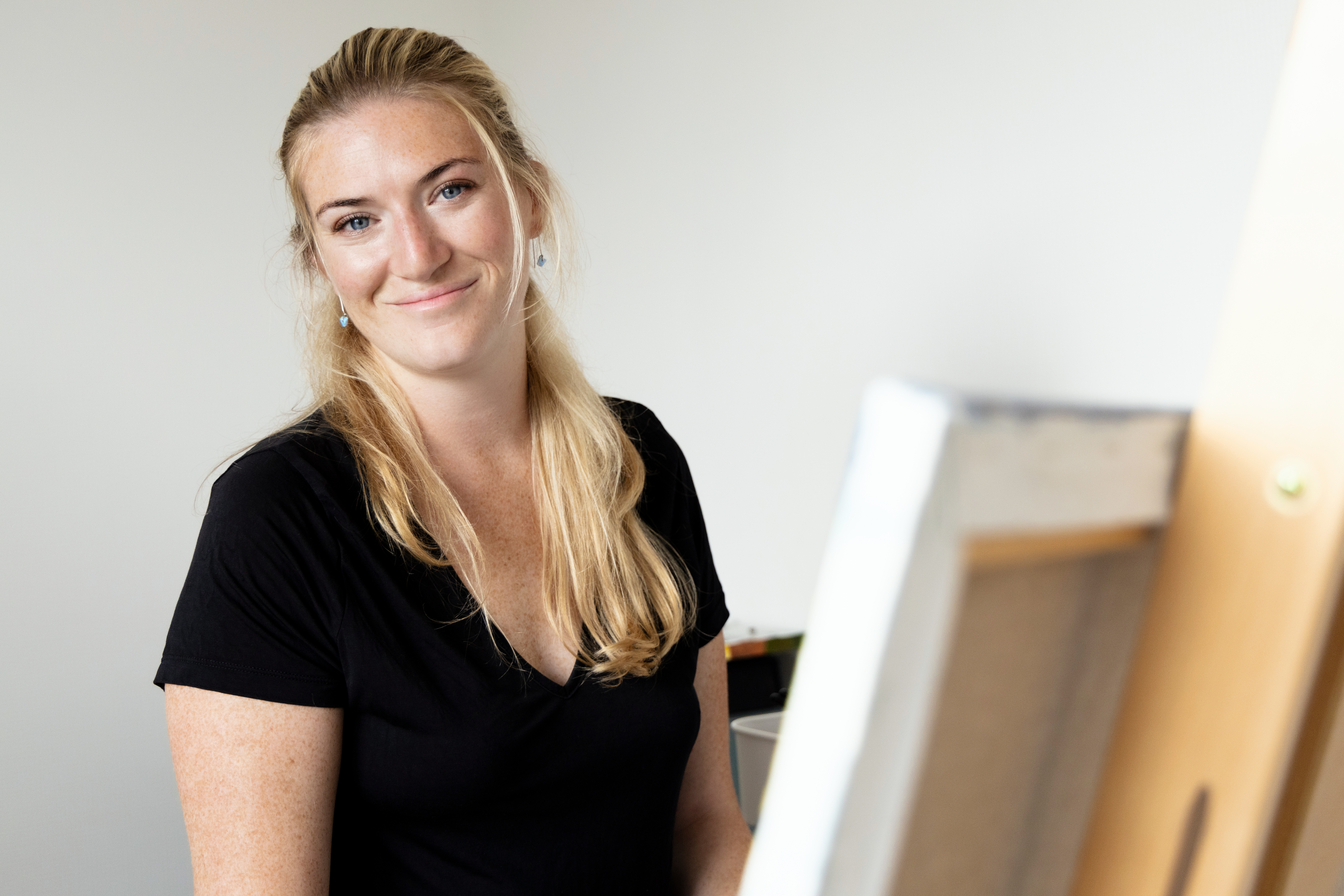
Josie Ryan
There is a difference between painting an animal and making a portrait of one.
For Josie Ryan, that distinction matters. Her zebras, elephants and other wildlife are not intended merely as representations of a species, nor as decorative evocations of the natural world. They are individuals, given the scale and presence more conventionally reserved for human portraiture. The eye is often where everything begins: a point of recognition between subject and viewer, and an invitation to look beyond the familiar markings of an animal towards something more singular. Ryan describes this explicitly in Zebra’s Gaze, where she wanted the animal to emerge not as one of a herd but as a subject possessing its own character and story.
That instinct has been formed by a life spent unusually close to the subjects she now paints. Born in Limerick and raised across the Middle East and Africa, Ryan later studied Fine Art at Norwich University of the Arts before leaving painting behind for more than a decade. She b ecame a surgical veterinary nurse and worked in wildlife conservation across Rwanda and South Africa. When she eventually returned to the studio, she did so carrying years of direct experience with animals and an increasingly urgent understanding of the pressures facing them.
Today, those two lives have become difficult to separate. Through JR Art Studio, Ryan creates large scale wildlife portraits that move between realism and stylisation, often placing her subjects against deep black backgrounds and using touches of gold to heighten their presence. Her practice has also expanded into fine art prints and, through JR Editions, silk scarves that carry her imagery into the territory of wearable art and slow fashion.
Yet conservation remains beneath it all. Ryan is currently collaborating with the Pangolin Conservation & Research Foundation in Namibia, with 30 per cent of proceeds from her pangolin paintings, prints and scarves going to the organisation. She has also been named a finalist for the David Shepherd Wildlife Artist of the Year 2026, while her developing Metamorphosis collection moves into more stylised studies of betta fish, chameleons and snakes.
For Hinton, Ryan speaks about the childhood that shaped her understanding of beauty, her years working directly with wildlife, the place of stillness in an increasingly distracted culture, artificial intelligence and the value of work made by hand, and why she believes art can make the fragility of the natural world considerably harder to ignore.
For readers discovering your work for the first time, who is Josie Ryan? Tell us about the person behind the paintings, the journey that has brought you here and how those experiences continue to shape the artist you are today.
I'm originally from Limerick, Ireland, but grew up overseas across the Middle East and Africa — a childhood that taught me to appreciate diversity long before I understood it as a value. I studied Fine Art at Norwich University of the Arts, then spent just over a decade away from painting altogether, working as a surgical veterinary nurse in wildlife conservation across Rwanda and South Africa. I've always wanted my work to leave an impact, whether through art or through advocacy for animals directly. Eventually those two paths converged — I went back to painting, but I brought everything I'd learned working hands-on with animals with me. My subjects come from firsthand experience, not imagination. As biodiversity comes under increasing pressure and species I grew up around edge closer to endangered status, I want my paintings to make people stop, really look, and reckon with what's at stake.
Your life has taken you across continents, cultures and landscapes, from your childhood through to today. Looking back, how have those places shaped not only your view of the natural world but also the way you see beauty, humanity and art itself?
Living across so many countries as a child could have been disorienting, but it was the opposite — it was a gift. Embracing new languages, customs, and landscapes at a young age opens something in you permanently. From Turkey to Israel, Egypt, Rwanda, South Africa — each place gave me a different lens on beauty, in its people, its animals, its light. If there's one thing that upbringing gave me, it's an instinct to look for what connects us rather than what separates us — and I think that's exactly what I'm chasing in a portrait of an animal: not a symbol, but an individual, the same way I'd want to be seen myself.
Wildlife has been depicted by artists for centuries, yet your paintings feel less like studies of animals and more like portraits of individuals. What is it that you are searching for every time you begin a new piece, and what do you hope the viewer discovers when they meet an animal through your work?
I want the viewer to meet the animal in front of them as an individual, not as a representative of a herd, pack, or flock. My portrait Zebra's Gaze is a good example — it centres on one moment of connection, drawn from the animal's watchful eye and its markings. I want people to look past the stripes, familiar as they are, and consider the character behind them. The layered monochrome tones, softened with touches of gold, are there to bring out presence rather than pattern — to turn an animal usually seen as one of many into a subject with its own story.
There is a remarkable sense of stillness running through your paintings. In a world that often feels increasingly hurried and distracted, do you think art has a responsibility to slow us down and encourage us to look more carefully?
Completely. Art is one of the few remaining things that asks for undivided attention. To really engage with a piece — political or purely decorative — you have to put the phone down, quiet the distractions, and just look. When I'm in the studio, the outside noise falls away entirely. In a world moving as fast as ours, that kind of stillness has become less a luxury and more a necessity.
Your work sits at the intersection of fine art, storytelling and conservation. Do you see yourself primarily as an artist, a storyteller or an advocate for the natural world, or have those roles become inseparable?
After more than a decade in veterinary medicine and wildlife conservation, advocacy and art aren't separate for me anymore — they're the same instinct. With refuges opening to hunting, protections narrowing under the Endangered Species Act, and trafficking still devastating species like the pangolin, I want a painting to be able to stop someone mid-scroll and make them actually think about what's at stake, and what they can still do to protect it.
Every artist develops a visual language that becomes unmistakably their own. How would you describe yours, and how has it evolved as your understanding of both nature and yourself has deepened?
My style sits somewhere between realism and stylisation — close-up, large-scale portraits set against a stark black background, often lifted with gold. I'm drawn to eyes especially; they're where the connection with the viewer actually happens. Technically, I work in tight, controlled detail around the eye and looser, more expressive strokes further out — that contrast is something that's become distinctly mine over time, and it's still shifting as my own understanding of these animals deepens.
Josie's Editions has become much more than a gallery of original paintings. It has grown into a carefully curated world of prints, home pieces and collectable works. When you created the brand, what kind of relationship did you hope people would build with your art once it entered their homes?
JR Art Studio has grown in ways I didn't expect when I started. I've always believed art shouldn't be limited to those who can invest in an original, so several of my paintings are available as fine art prints on Hahnemühle etching paper, which holds colour beautifully, close to the original. Whichever form someone chooses, what matters most to me is what it brings into their space — I'd love for a piece to remind someone of a safari in the Serengeti, Kruger, or Akagera, or simply give someone who loves wildlife a reason to pause in front of an endangered species hanging on their own wall.
That same idea — making the work part of someone's everyday life — is what led me into JR Editions this past year, taking the animals into wearable pieces at the intersection of art and slow fashion. It's been a different kind of thrill watching that side grow, and with my newest collection, Metamorphosis, pushing further into colour than my earlier work, I'm excited to show how it translates onto silk.
We often speak about collecting art as an investment, but your work feels rooted in something more emotional than financial value. What do you hope someone truly takes away when they choose to live with one of your pieces?
A painting only becomes a financial investment after someone buys it — before that, its value is entirely personal. My work tends to be large-scale, so it doesn't sit quietly in a room; it commands it. What I hope for is that the person living with it feels that presence every day — that it becomes less a decoration and more a companion, something that means more to them the longer they live with it.
Conservation is woven throughout your practice rather than simply accompanying it. Do you believe art still has the power to influence how people think about endangered wildlife, or is its greatest contribution creating an emotional connection that facts and statistics alone cannot achieve?
Most wildlife artists I've met share a version of the same mission — using an animal's beauty to make its fragility impossible to ignore. Conservation isn't separate from what I do, it's the foundation of it. I want the work to be visually compelling, but the message underneath every piece is the same: these species are worth fighting for.
We are entering a period where artificial intelligence can generate images in seconds, yet collectors continue to seek works created by hand. What do you think people are really searching for when they invest in original art today?
I know a lot of artists are anxious about AI, but I don't think it will ever replace what we do. AI can imitate a style, but it can't replicate what an artist actually puts into a piece — the years of observation, the imagination, the intent behind every choice. Collectors investing in original art are looking for exactly that: something distinctive and irreplaceable. That's not something a generated image can offer, and I don't think the people who value it will ever settle for a substitute.
As Josie's Editions continues to evolve, are there new creative directions, collaborations or ambitions that particularly excite you? How do you see the brand growing while remaining true to the values that inspired it in the first place?
There's always something moving behind the scenes. I'm currently collaborating with the Pangolin Conservation & Research Foundation, a field organisation working in Namibia — pangolins are the most trafficked mammal on earth, and this partnership means 30% of proceeds from all my pangolin work, across paintings, prints, and scarves, goes directly to this organisation. So people aren't just buying wildlife art or wearable art — they're directly supporting an amazing organisation working endlessly to change the future of these animals. I've also just been named a finalist for the David Shepherd Wildlife Artist of the Year 2026 — an incredible honour, and if anyone's in London, the exhibition runs at the Mall Galleries from 8–12 September alongside some phenomenal wildlife artists, all contributing to conservation. Beyond that, I'm deep into Metamorphosis, which is pushing into more stylised subjects — betta fish, chameleons, snakes — and I've just started a new series exploring the world's most endangered species.
Finally, if someone were to encounter your work twenty years from now, long after today's exhibitions have ended, what do you hope they understand about you, about Josie's Editions and about humanity's relationship with the natural world?
Honestly, I hope in twenty years these animals are still here. If they're not, I hope this work stands as some record of how beautiful they were. And if they are still here, I hope it's because people — collectors, conservationists, anyone who ever stopped in front of one of these paintings — decided they were worth protecting. Either way, I want my art to be remembered as part of that fight: a reminder that we still had a choice in how this story ended.
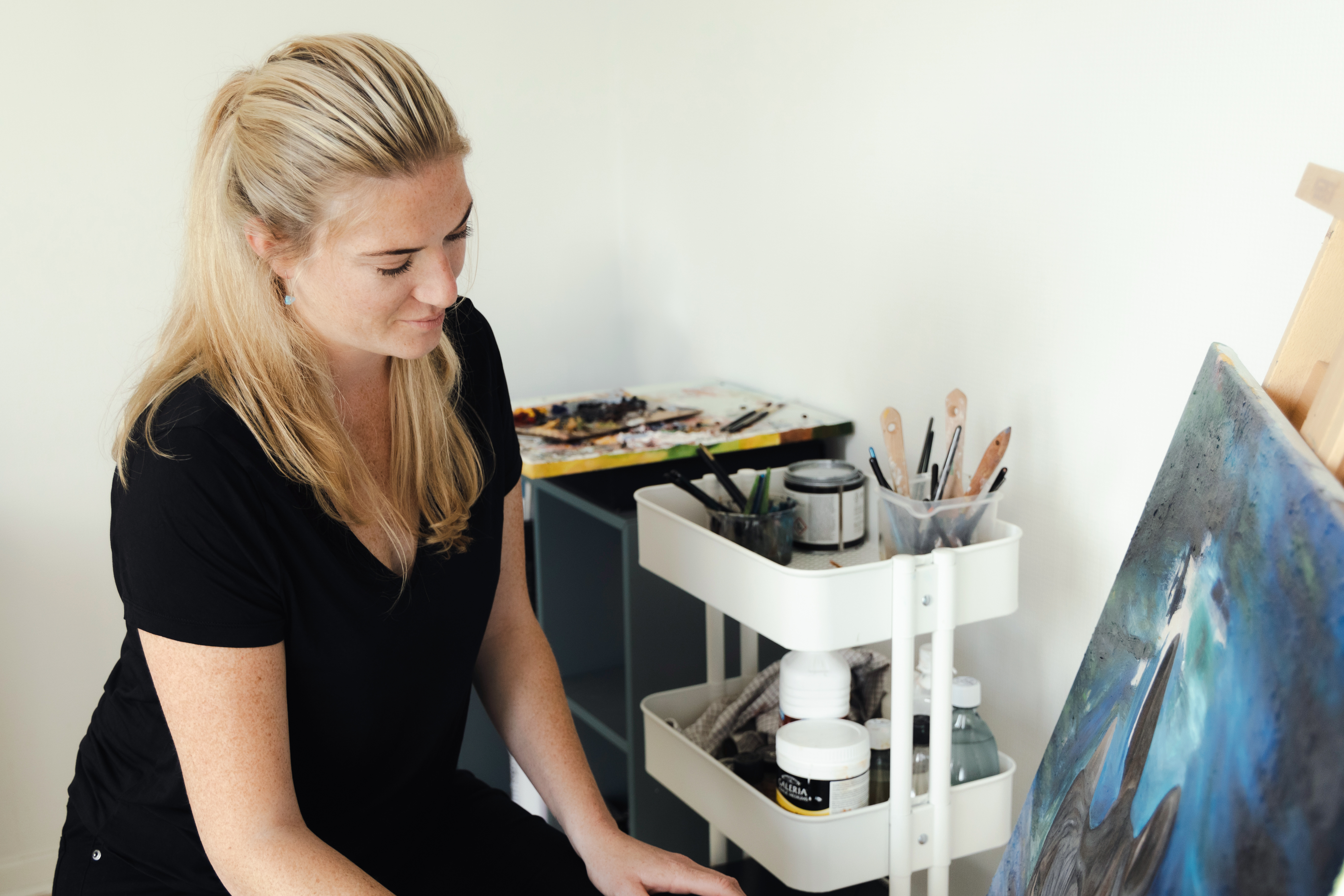
There is one answer towards the end of our conversation that brings almost everything Ryan has discussed into focus.
Asked what she would want somebody encountering her work twenty years from now to understand, she does not begin with artistic legacy, commercial success or whether her paintings have appreciated in value. She begins with the animals.
She hopes they will still be here.
It is a revealing measure of what ultimately drives the work. Ryan wants her paintings to be beautiful, and she understands the importance of creating objects that people want to live with. But beauty is being asked to perform another function. It draws the viewer close enough to encounter an animal as an individual and, perhaps, to consider what its disappearance would actually mean.
That belief feels particularly pertinent in an age saturated with imagery. We have never been able to see so much of the natural world so easily, yet familiarity can produce its own form of indifference. Ryan’s paintings attempt the opposite. Their scale, stillness and directness ask us to stop consuming the animal as another image and spend time looking at it.
Her final hope is that, should these species survive, the work might belong to the story of people deciding they were worth protecting. If they do not, she hopes the paintings will at least preserve something of what was lost.
That leaves Ryan’s portraits with a tension considerably larger than their aesthetic qualities alone. They celebrate the natural world, but they also record its vulnerability.
The question hanging over them is ultimately not whether humanity has admired these animals enough.
It is whether we admired them enough to keep them here.
Continue Reading
More Fashion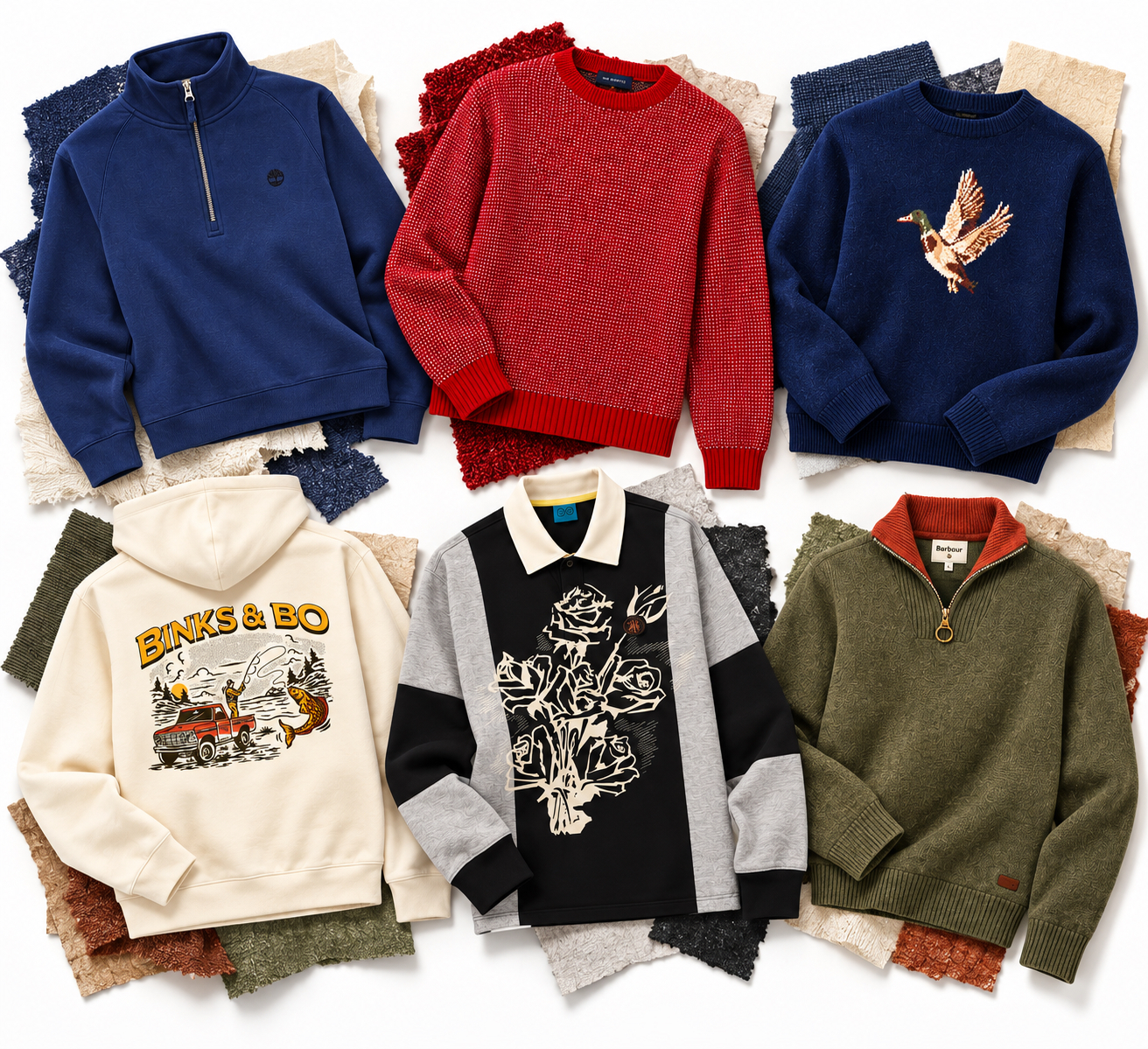
Autumn Layers: Six Knitwear Essentials to Kick-Start the Season for Men
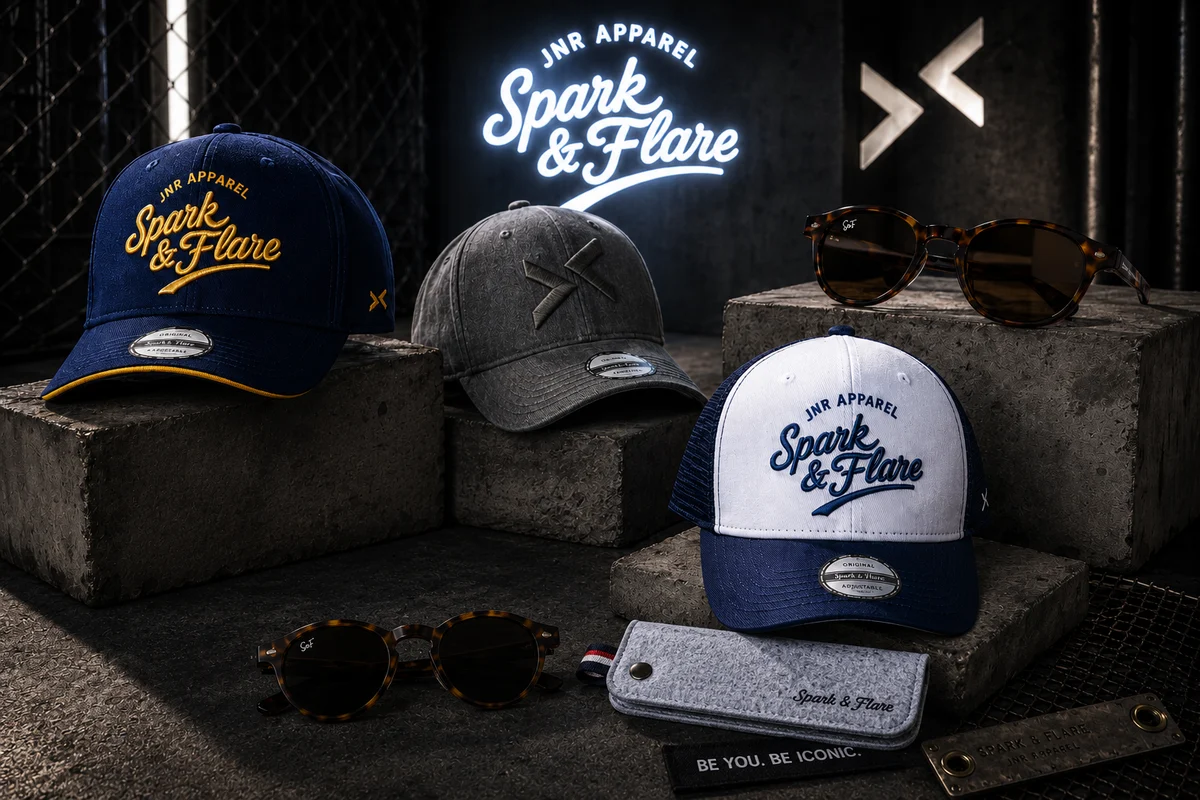
The British brand taking children's style more seriously
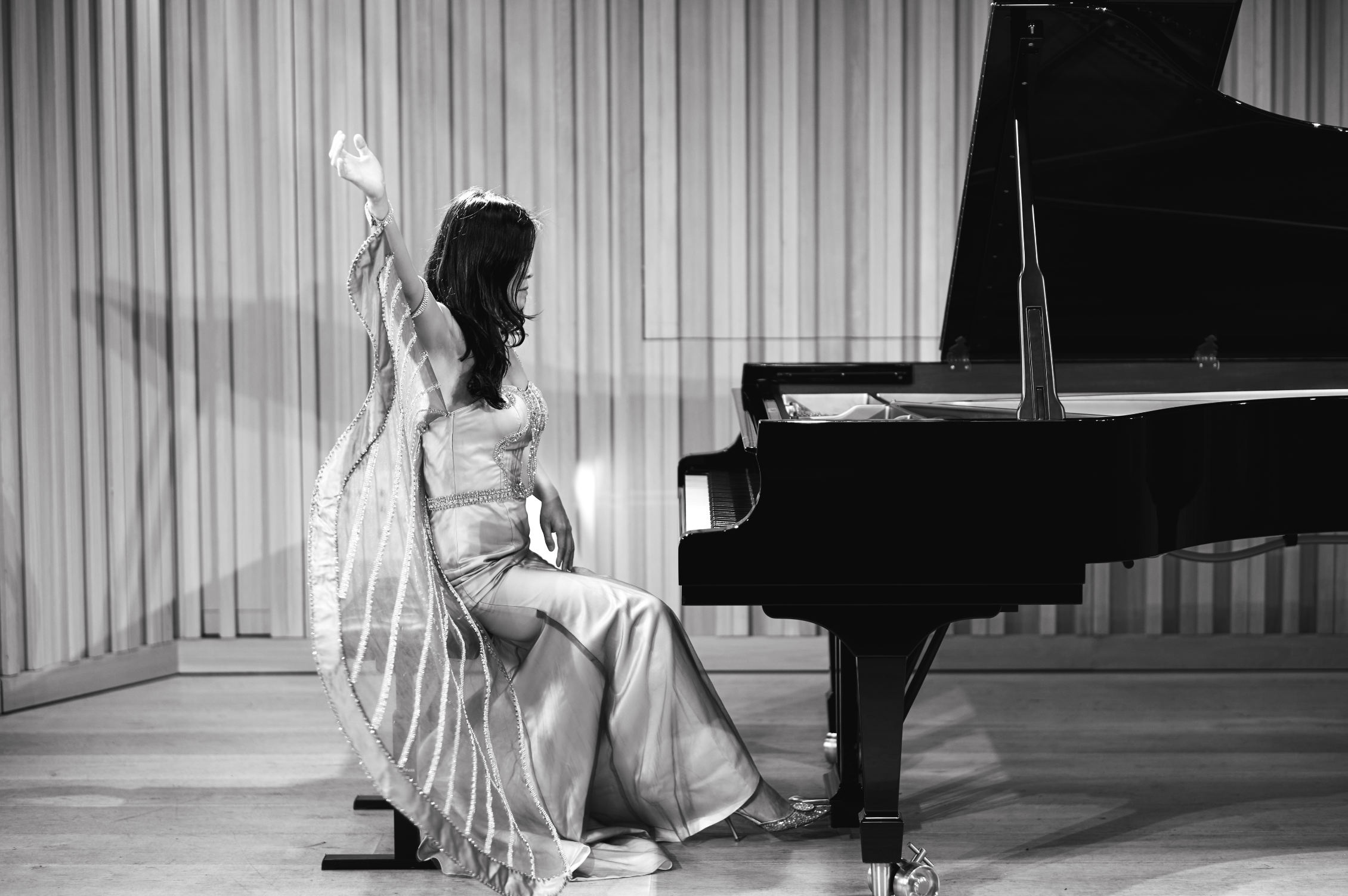
Weiyin Chen brings Georgia O’Keeffe’s flowers to life through music and couture