Britain’s influencer economy is becoming harder for brands to ignore
93% of UK brands plan to increase influencer marketing spend in the next year, up from 50% in 2024, as creators shift from experimental to mainstream.
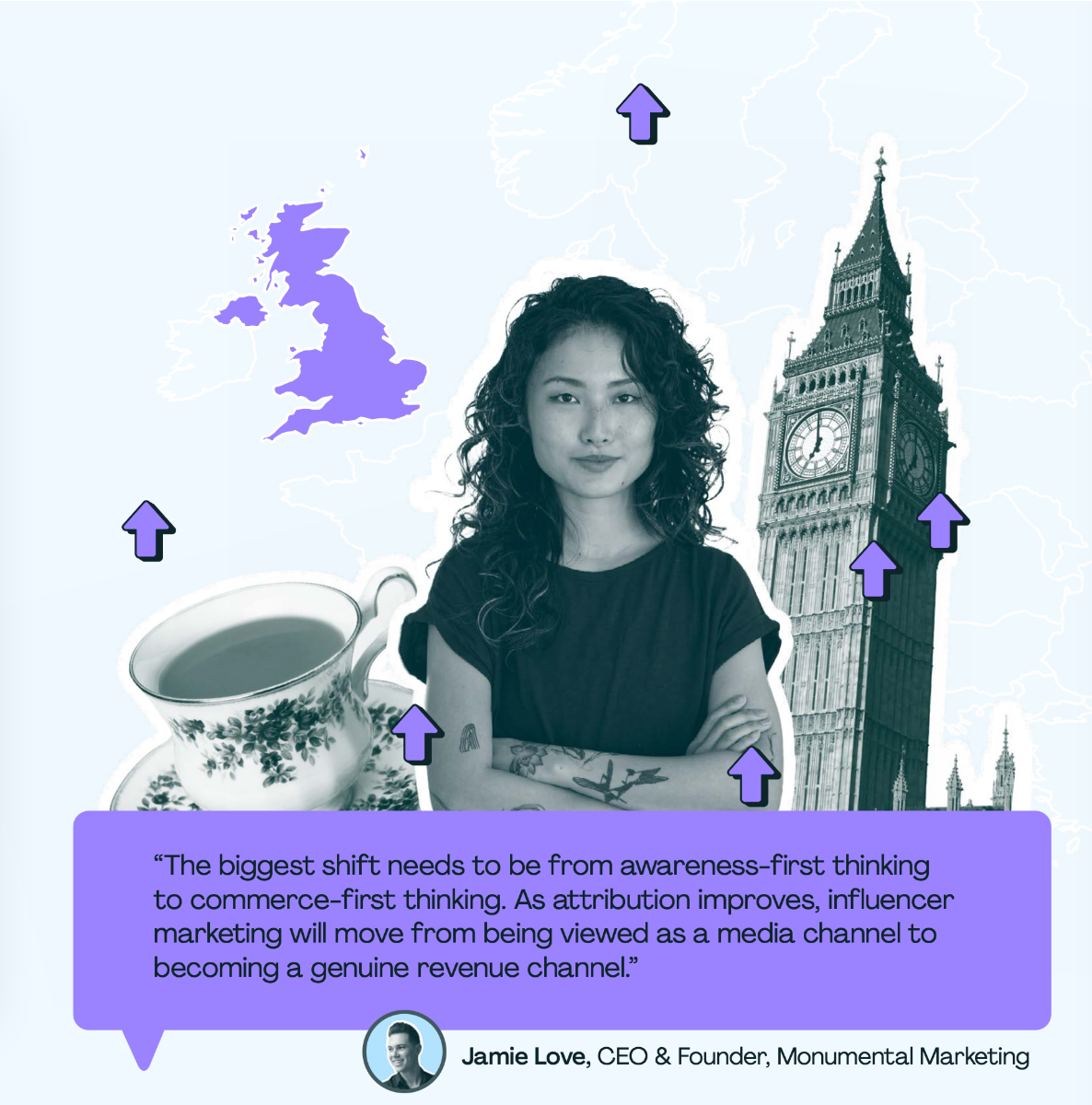
Almost every UK brand and agency surveyed by Kolsquare expects to increase spending on influencer marketing over the coming year, suggesting an industry once treated as an experimental corner of advertising is becoming a more established part of corporate marketing.
For years, influencer marketing occupied an uncertain position in the advertising industry. Companies knew that creators could attract enormous audiences, particularly among younger consumers, but proving that attention translated into commercial value was rather more difficult.
That hesitation appears to be disappearing.
Some 93 per cent of UK brands and agencies expect to increase their spending on influencer marketing during the next 12 months, according to new research commissioned by Kolsquare. The equivalent figure was 81 per cent last year and 50 per cent in the company's 2024 research.
The change is significant not simply because more money is expected to move towards creators, but because businesses increasingly appear to regard the sector as part of mainstream marketing rather than an adjunct to it.
Kolsquare's The Future of Influencer Marketing: The 2026/2027 Outlook surveyed 1,123 marketing decision makers across European markets. In Britain, 38 per cent describe influencer marketing as a core driver of growth, compared with 31 per cent across Europe. Half of UK respondents say it accounts for as much as a quarter of their marketing driven revenue.
From celebrity endorsement to an industry
The scale of some companies' creator operations demonstrates how far the market has developed.
One in five UK marketers surveyed now works with between 250 and 999 influencers each year. Almost a third expect the number of creators they work with to increase by at least 50 per cent over the coming year, compared with 22 per cent across Europe. Short form video is regarded as the largest opportunity by 55 per cent of British respondents.
It is a rather different proposition from the early model of influencer advertising, in which a company might pay a prominent online personality to pose with a product and hope their followers noticed.
The modern creator economy increasingly resembles a professional advertising channel, with agencies, technology platforms, performance measurement and hundreds of individual commercial relationships operating simultaneously.
British businesses appear particularly willing to outsource that complexity. Thirty per cent of UK brands surveyed hand their influencer marketing entirely to agencies, compared with 23 per cent across Europe, while another 29 per cent combine internal teams with external agency support.
With that professionalisation comes greater scrutiny over whether the money actually works.
Thirty eight per cent of UK marketers place emphasis on measurements such as return on investment, compared with 30 per cent across Europe. Quentin Bordage, founder and chief executive of Kolsquare, argues that larger budgets inevitably bring greater expectations.
“Brands need to connect creator partnerships with their wider marketing strategy and demonstrate ROI,” he says. “The opportunity is there to build lasting relationships with creators who understand the brand and have earned their audience’s trust.”
AI is entering the creator economy too
Technology is also changing how these increasingly complicated campaigns are managed. According to the research, 90 per cent of UK brands and agencies surveyed already use AI, automation or a combination of the two within their influencer marketing operations.
That could make it considerably easier to identify creators, examine audiences and measure campaigns at scale. It also raises a more interesting question for an industry whose commercial appeal has largely been built around the perceived authenticity of one person recommending something to another.
As the machinery behind influencer marketing becomes more sophisticated, preserving that sense of authenticity may become increasingly valuable.
British marketers appear alert to the problem. Forty nine per cent cite clear disclosure of sponsored content as important, compared with 41 per cent across Europe, while 52 per cent say compliance with advertising rules is a priority.
There are limitations to the figures. The survey records what businesses intend to spend rather than confirmed expenditure, and the annual comparisons do not follow the same companies over time. The methodology has also changed since 2024, when only brands across five markets were surveyed, while agencies and additional markets were introduced from 2025.
Those qualifications matter, particularly when interpreting the striking rise from 50 per cent to 93 per cent.
What is harder to dismiss is the direction in which corporate marketing is moving. The question for many businesses is no longer whether creators belong alongside established advertising channels. Increasingly, it is how much money to put behind them, how to demonstrate that it was well spent, and how to retain the human credibility that made influencers commercially valuable in the first place.
Continue Reading
More News
Britons are split over tax and spending as the Budget choices tighten
The young Britons turning social media influence into millions in advertising value
Six in ten Britons want a cap on political donations after Reform’s £72 million windfall