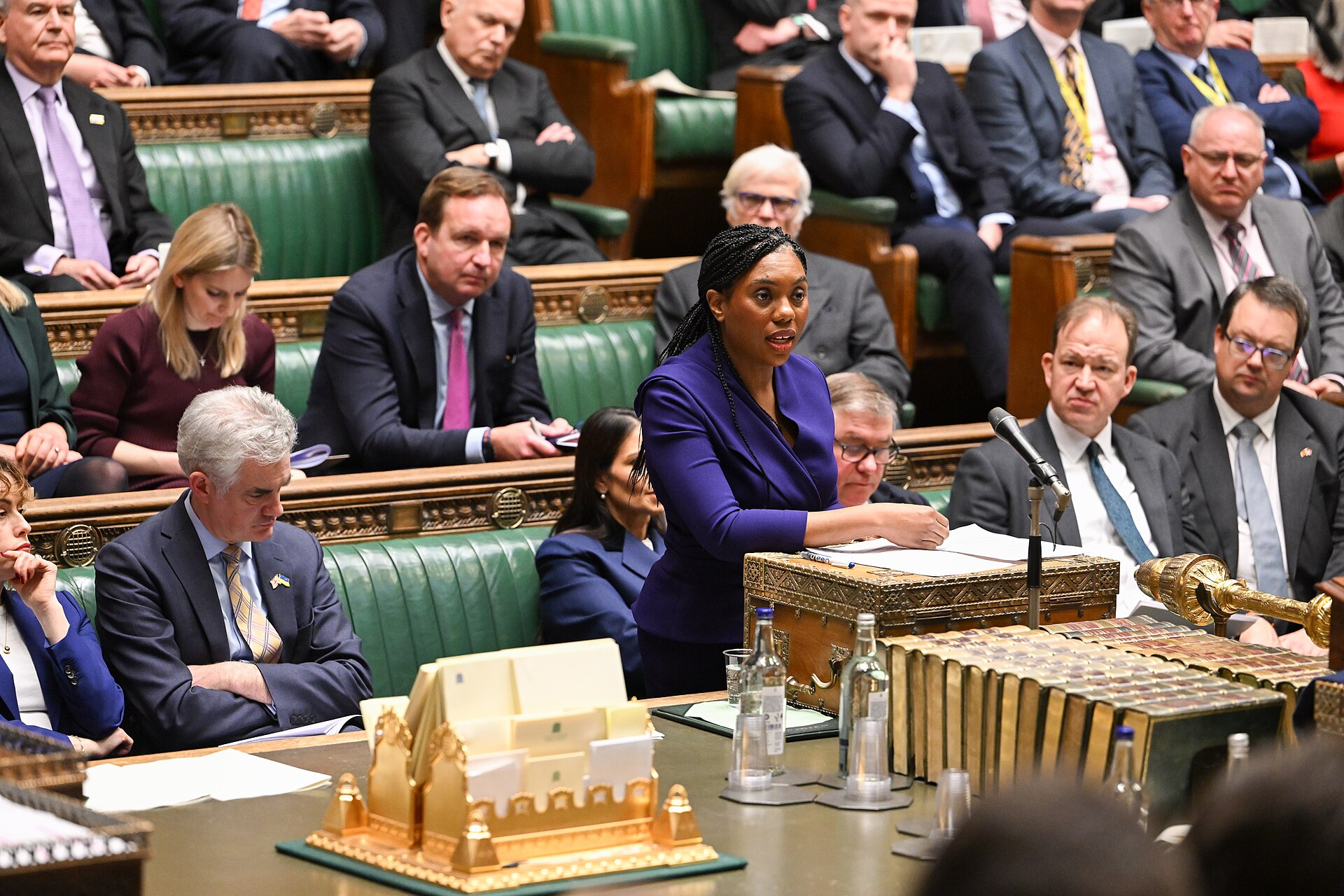
The young Britons turning social media influence into millions in advertising value
Tommy Fury leads Britain's under-30 influencers with £21.16m in estimated media value, new research shows. Reality stars and streamers dominate.
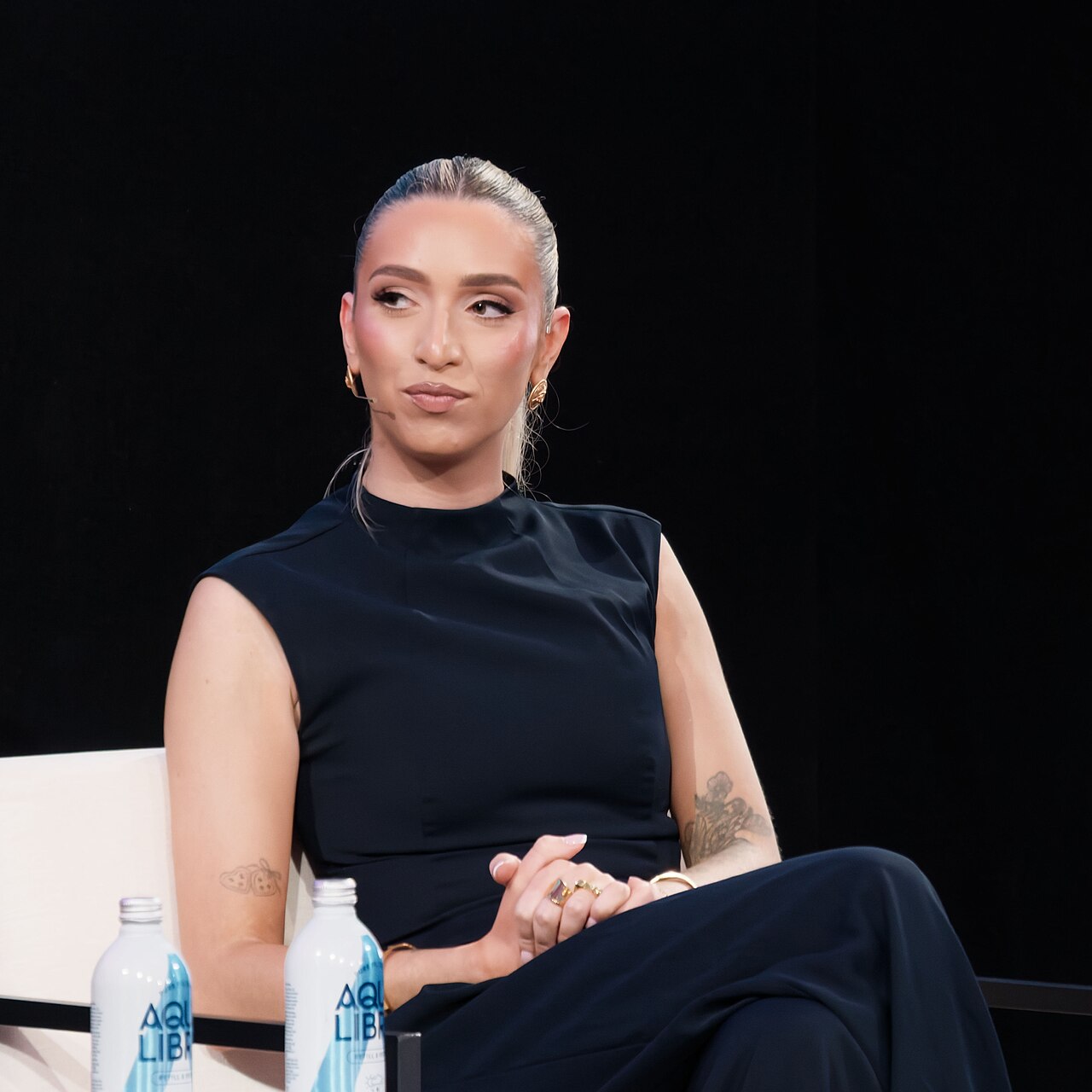
GK Barry at SXSW London, June 2026. Credit: Mateusz Malta / Wikimedia Commons, CC BY SA 4.0.
New research reveals how a generation shaped by reality television, streaming, podcasts and social media has built formidable commercial influence, with Britain's ten leading creators under 30 generating millions of pounds in estimated media value for brands.
Celebrity used to require an intermediary. Television executives, newspaper editors, record labels and sporting institutions decided who received an audience. Social media has steadily dismantled much of that arrangement.
A new ranking of Britain's most commercially valuable influencers under 30 offers a revealing picture of what has replaced it. Reality television contestants sit alongside streamers, comedians, presenters, entrepreneurs and creators who began posting videos from university bedrooms.
Research by influencer marketing platform Kolsquare examined British creators under 30 across Instagram and TikTok between March 1 and August 28. Its findings suggest that the most commercially powerful members of this generation are no longer merely attracting enormous audiences. They are producing levels of exposure that brands value in the millions.
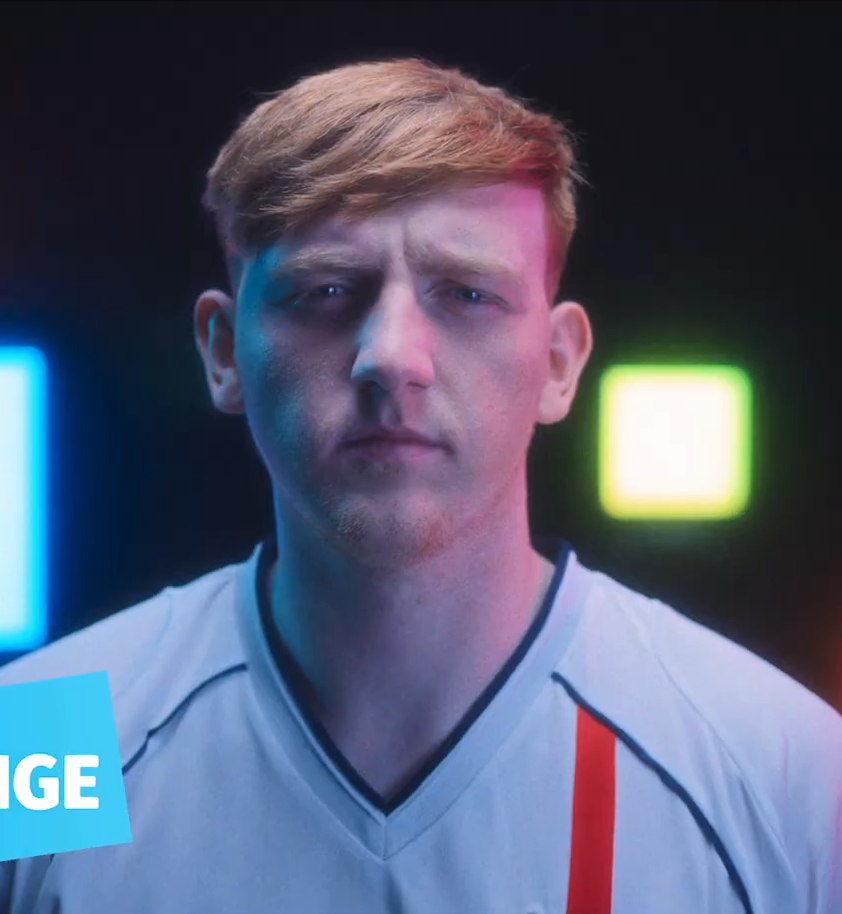
Tommy Fury leads the ranking with an estimated media value of £21.16 million, followed by streamer Angry Ginge at £13.63 million and presenter Nella Rose at £10.59 million. Jack Joseph places fourth with £9.59 million, while GK Barry completes the top five at £7.51 million.
Molly Mae Hague follows with £5.43 million, ahead of Joe Baggs at £3.12 million, Tennessee Thresher at £2.07 million, Indiyah Polack at £1.75 million and Grace Beverley at £1.54 million.
The figures are not estimates of what these individuals have earned. Kolsquare's estimated media value, or EMV, is intended to measure the value of the media exposure their content generates. It is an important distinction, but the scale nevertheless illustrates the commercial weight that now accompanies a successful online audience.
There is no longer one route to influence
What is particularly striking about the ten names is how differently they arrived there.
Fury and Hague became household names through Love Island. Angry Ginge, whose real name is Morgan Burtwistle, developed an audience through football and gaming streams before winning I'm a Celebrity... Get Me Out of Here! in 2025. Rose began making YouTube videos at university before moving into television presenting.
Jack Joseph built an audience around comedy sketches after closing his marketing agency during the pandemic. Grace Keeling, known as GK Barry, also began posting during that period and has subsequently developed the Saving Grace podcast alongside a television career.
At the other end of the ranking, Grace Beverley represents another branch of the creator economy altogether. Having established an online fitness following while studying at Oxford, she went on to found activewear company TALA, fitness platform Shreddy and The Productivity Method.
The result is an increasingly fluid form of celebrity. A reality television appearance can become a fashion business. A gaming stream can lead to mainstream entertainment. A social media account can develop into podcasts, presenting work or a consumer brand.
For advertisers, the attraction is not simply fame. These personalities have built direct relationships with audiences that traditional celebrity endorsement often struggled to replicate.
Instagram remains commercially formidable
The research also challenges the assumption that TikTok has simply displaced Instagram among younger audiences.
Fury generated £20.86 million of his estimated £21.16 million media value through Instagram and only £301,000 through TikTok. His recent collaborations include Holland Cooper and Silver Cross, with a Father's Day Instagram post featuring a Silver Cross pram attracting 1.62 million views.
Nella Rose presents a rather different picture. Her £10.59 million total was almost evenly divided between the two platforms, with £5.51 million attributed to Instagram and £5.08 million to TikTok. She ranks first among the creators analysed on TikTok.
Angry Ginge and Jack Joseph also perform strongly across both platforms, while Amelie Charlize and Max Balegde emerge as particularly effective TikTok personalities.
There is considerable concentration at the top. Fury, Angry Ginge, Rose and Joseph account for approximately 69 per cent of the combined estimated media value generated by the leading performers.
Yet raw media value tells only part of the story.
Hague, despite ranking sixth overall, recorded an Instagram engagement rate of 60.62 per cent in Kolsquare's analysis. She posted only four pieces of sponsored Instagram content during the six month period, with an Adidas Originals collaboration alone generating an estimated media value of £760,000.
That disparity illustrates an important development in the industry. The biggest audience is not automatically the most useful audience, just as the creator producing the greatest volume of commercial content is not necessarily the most effective.
“Influence is no longer simply about having the biggest following,” says Alicia Van der Meer, Kolsquare's UK Marketing Manager. “Tommy Fury's dominance on Instagram, Nella Rose's strength on TikTok and Molly Mae's exceptional engagement show that creators deliver value in very different ways.”
For brands, that makes choosing an influencer increasingly similar to choosing any other advertising channel. Audience, platform, engagement and the nature of the product all matter alongside reach.
The ranking ultimately provides a snapshot of an industry that has moved considerably beyond the idea of the influencer as somebody simply paid to post a photograph of a product.
Britain's most commercially significant young creators are increasingly operating as media properties in their own right. Some have television careers, some have businesses, some have podcasts and others command audiences that conventional broadcasters would struggle to assemble.
The striking part of Kolsquare's ranking is therefore not simply that Tommy Fury sits at the top. It is that ten Britons under 30, from markedly different backgrounds, can now generate this degree of measurable commercial attention without the traditional media industry being the principal gatekeeper.
Continue Reading
More News
Britons are split over tax and spending as the Budget choices tighten
Six in ten Britons want a cap on political donations after Reform’s £72 million windfall

Britain’s influencer economy is becoming harder for brands to ignore