SpaceX offers investors a stake in the future
SpaceX plans public offering at $1.75 trillion valuation, placing it among world's most valuable companies from day one of trading.
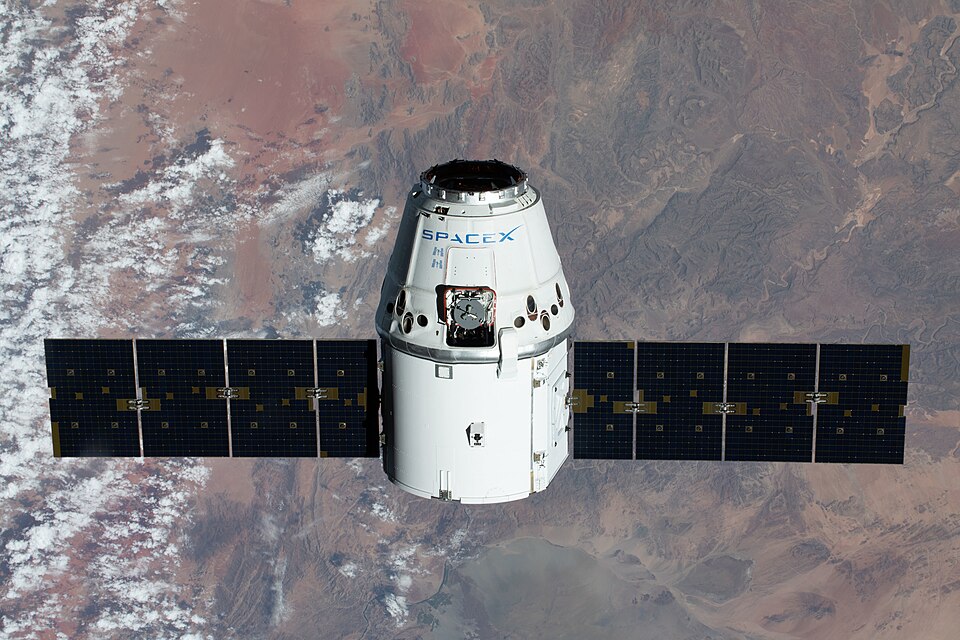
Photo: NASA Johnson Space Center / Wikimedia Commons
Every generation produces a company that appears to transcend conventional measures of value.
In the 1990s it was Microsoft. In the first decades of the twenty first century it was Apple. Today, many investors believe that company is SpaceX. The planned public offering of Elon Musk's space business is being discussed in the language normally reserved for historic financial events. If current estimates prove accurate, SpaceX could debut with a valuation approaching $1.75 trillion, placing it among the most valuable companies in the world from the moment it begins trading.
On paper, such a valuation appears extraordinary. SpaceX remains heavily dependent on a business that would have been considered speculative only a generation ago. Its revenues continue to be dwarfed by some of the world's largest listed companies. Traditional measures of valuation struggle to explain why investors are willing to assign such a price tag to a company focused on rockets, satellites and ambitions that often stretch decades into the future.
Yet investors are not valuing SpaceX according to traditional rules. They are valuing a belief.
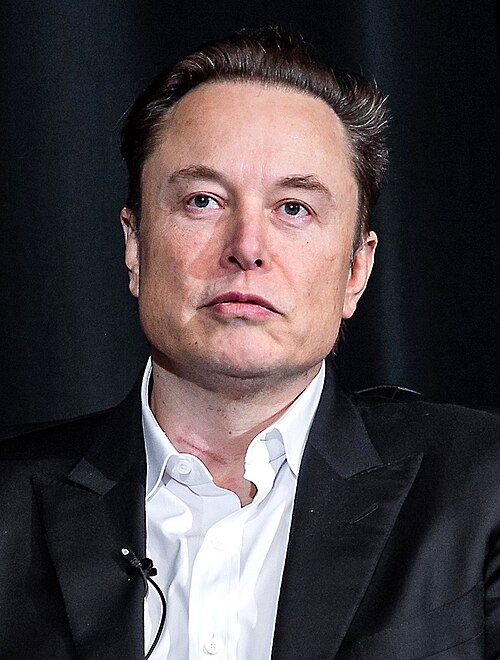
For much of the past twenty years, Musk has persuaded investors to think beyond quarterly earnings and annual forecasts. Tesla was never simply a car company. Likewise, SpaceX is not viewed merely as an aerospace business. Supporters see a company positioned at the centre of several industries expected to shape the coming decades, from satellite communications and defence technology to artificial intelligence, space infrastructure and commercial exploration.
That belief has become one of the most powerful forces in modern finance. The proposed valuation reflects confidence not only in SpaceX's current operations but in the idea that the company will become an essential part of the global economy in ways that remain difficult to quantify today. Investors are effectively being asked to place a value on a future that has yet to arrive.
The enthusiasm is understandable. SpaceX has achieved what many believed impossible. It has transformed the economics of rocket launches, established itself as a critical partner to governments and built Starlink into one of the world's most ambitious communications networks. Few private companies have altered an industry as dramatically in such a short period of time.
SpaceX's supporters would argue that the company's valuation reflects more than future promises. Unlike many businesses that have arrived on public markets with ambitious projections and limited achievements, SpaceX already possesses a track record of delivering on objectives once considered unrealistic. Reusable rockets have fundamentally altered the economics of access to space. Starlink has become a global communications network serving millions of customers. The company is now deeply embedded within both commercial and government infrastructure, giving it a strategic importance that extends well beyond the aerospace sector.
The challenge is that expectations have become equally extraordinary. At a valuation approaching $1.75 trillion, investors are no longer paying for success. They are paying for continued dominance. They are paying for flawless execution. Most importantly, they are paying for a future in which Musk once again proves capable of delivering promises that many regard as unrealistic.
History suggests that is a difficult position for any company. The higher the expectations, the smaller the margin for error. Yet that may be precisely why the offering has generated such attention. SpaceX is not merely another technology flotation. It represents a broader question about the direction of modern capitalism. Can investors continue to reward vision ahead of profit? Has the founder become more important than the balance sheet? And how much is the future actually worth?
For many investors, the answer may lie in Musk's record. Time and again, he has built companies around ideas that critics dismissed as impractical, only to see those businesses redefine entire industries. The success of SpaceX has not come from following established conventions but from challenging them. That willingness to pursue ambitious goals, often in the face of widespread scepticism, remains one of the principal reasons investors continue to place their faith in him.
Those questions will not be answered on the first day of trading. They may not be answered for years. What is clear is that SpaceX has become far more than a rocket company. It has emerged as one of the defining technological and industrial enterprises of the modern era, helping to reshape humanity's relationship with space while creating entirely new commercial opportunities in the process.
When SpaceX eventually reaches the market, investors will be doing far more than buying shares in an aerospace business. They will be deciding how much faith they are prepared to place in one man's vision of the future and one company's ability to turn that vision into reality.
This article is for informational and journalistic purposes only and should not be considered financial, investment or trading advice. Readers should conduct their own research and seek independent professional advice before making any investment decisions.
Continue Reading
More News
ISS appoints Antony Collett as Managing Director of Technical Services
One in three Britons believe the Green Party has a significant antisemitism problem

Justin Timberlake and Jessica Biel join protein soda brand PRODA as co-founders