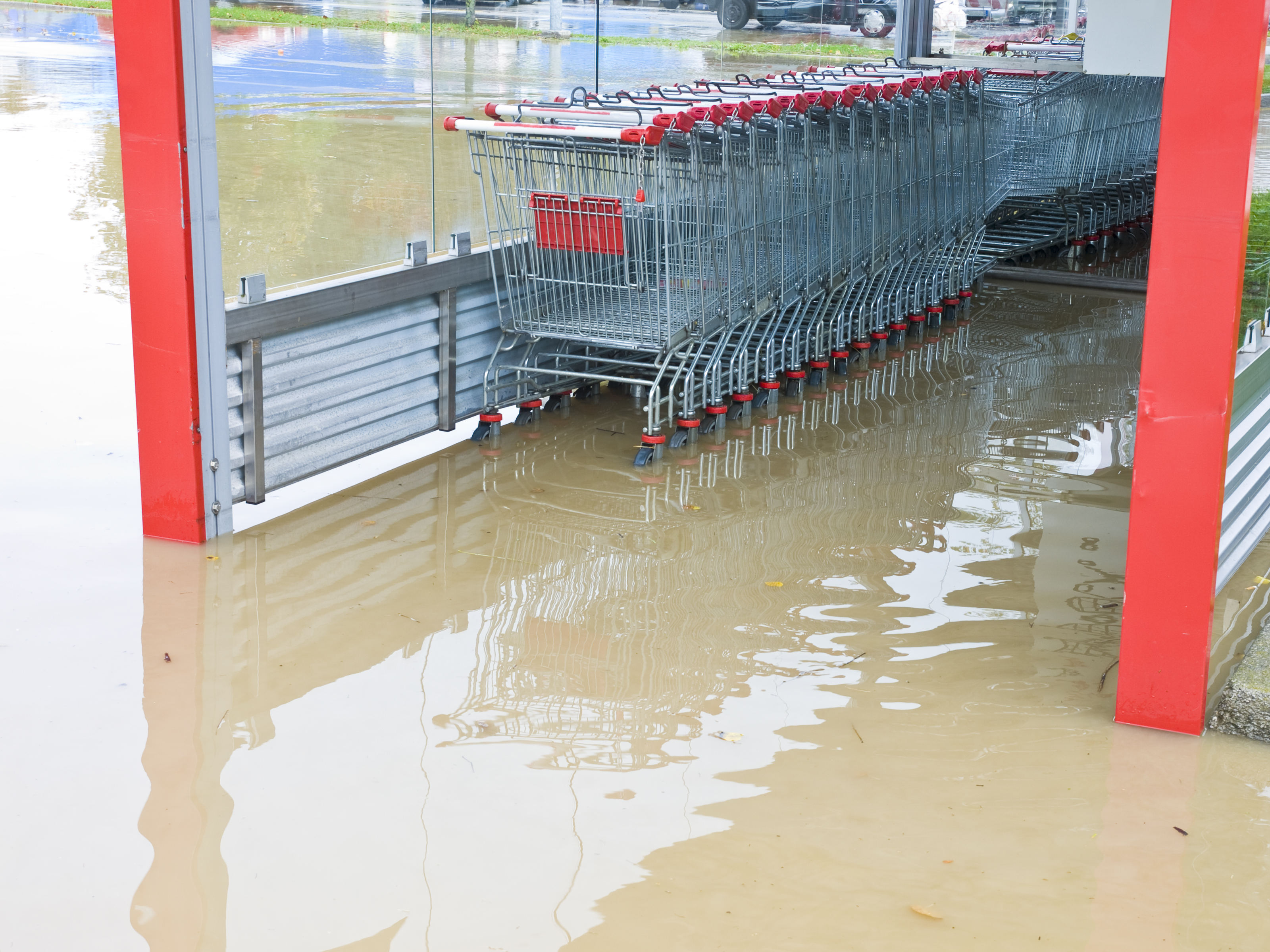
One flooded factory in Carlisle once emptied the shelves of McVitie’s. New analysis suggests Britain’s supermarkets depend on more pinch points like it than most of us realise.
In December 2015, Storm Desmond flooded a single biscuit factory in Carlisle. Within weeks, McVitie’s and Carr’s products were scarce across the country. It was a small episode, mostly remembered with amusement, but it showed something serious. Britain’s food supply runs through a fairly small number of sites, and when one of them stops working, the effects reach a long way.
That’s the main finding of new research from SmartResilience, a climate risk analytics firm. It examined nearly 3,000 named suppliers behind Britain’s ten largest supermarkets, including 1,284 locations in the UK, and assessed how exposed each one was to flooding, heat, drought, wildfire and storms.
The most striking result is how concentrated the risk is. Across the network studied, the firm estimates flood damage at £322 million a year on average. But just 2 per cent of sites account for half of that, and 9 per cent for four-fifths. A third of suppliers sell to two or more of the big supermarkets, and some supply as many as eight. If one of those sites goes under, several retailers will be looking for a replacement at the same moment.
“Food security isn’t only about whether Britain produces enough food,” said Harish Pesala, the firm’s founder. “It is also about whether the farms, factories, transport links and suppliers we depend on can continue operating when conditions become more extreme.”
From wet to dry
The report arrives after a year that put the system under real strain. One of England’s wettest winters was followed by record July dryness in the south and what the firm describes as the UK’s hottest summer on record. It cites figures showing 25 million fewer pints of milk produced during the May and June heatwaves, barley harvested weeks early and wheat yields well below the ten-year average. Three of England’s worst harvests on record have come this decade, at an estimated cost of £2.3 billion.
Pesala calls this “climate whiplash”: not simply hotter weather, but faster swings from one extreme to another, which make planning a farm or a factory much harder.
The firm’s headline projection, of up to 49 per cent more extreme hot days by 2050, needs some explanation. A “hot day” here means one in the hottest 2 per cent a given location has historically experienced. The model puts that at about eight such days a year in 2030, rising to between ten and twelve by 2050. That’s a meaningful increase, but not an apocalyptic one. Britain will remain far less exposed than Turkey or Greece.
The heat matters more inside buildings than outside them. Research cited in the report suggests productivity in physically demanding work falls by 35 per cent at 35C and by three-quarters at 40C. Keeping chilled food chilled gets harder too, and the report points to cold-chain failures this summer that forced supermarkets to withdraw products.
Much of the risk is also abroad. Flooding in southern Spain and Morocco in February contributed to shortages of strawberries, raspberries, avocados and peppers in British supermarkets.
Continue Reading
More Lifestyle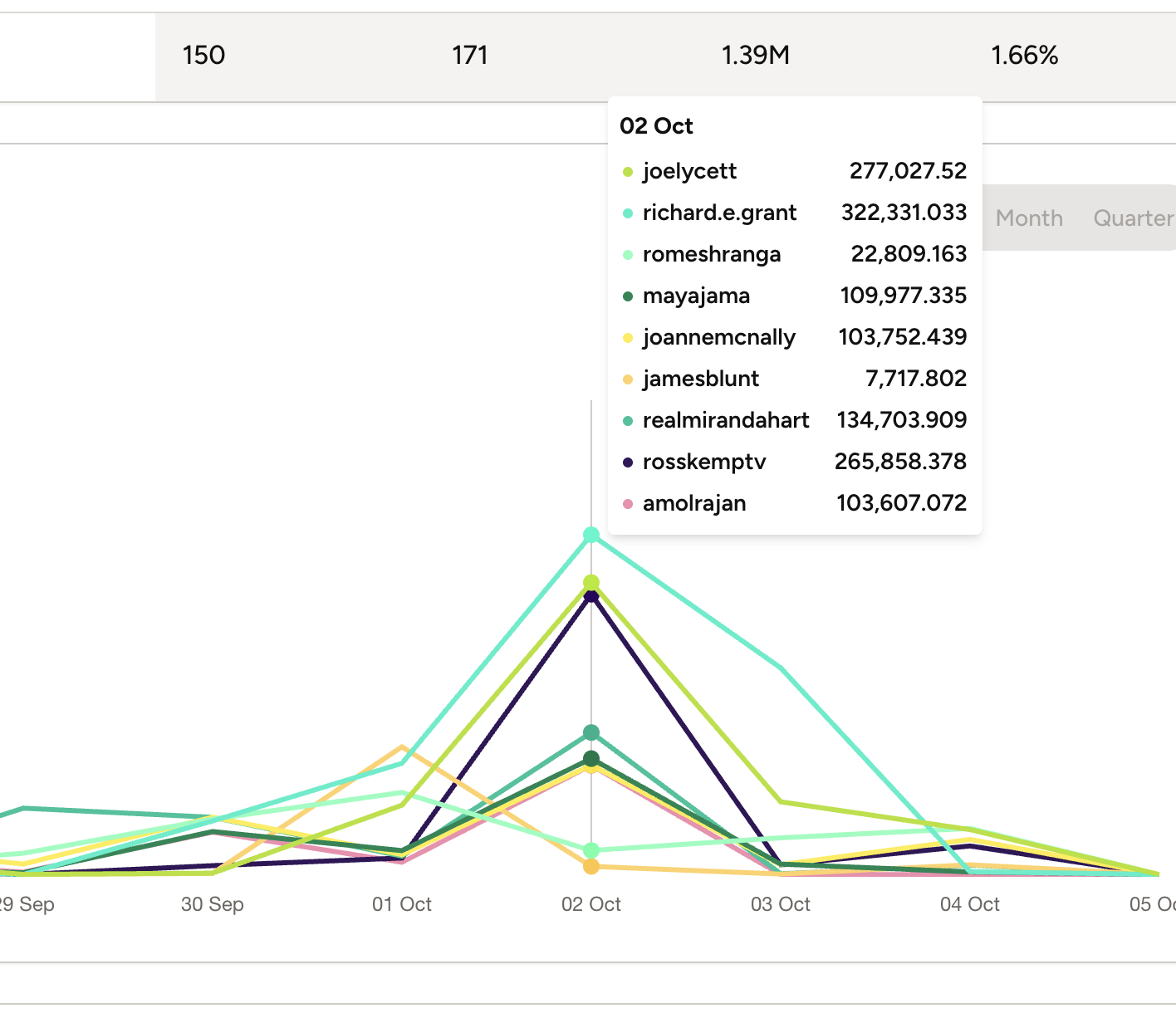
Richard E. Grant lasted one episode of The Celebrity Traitors. Instagram can’t get enough of him
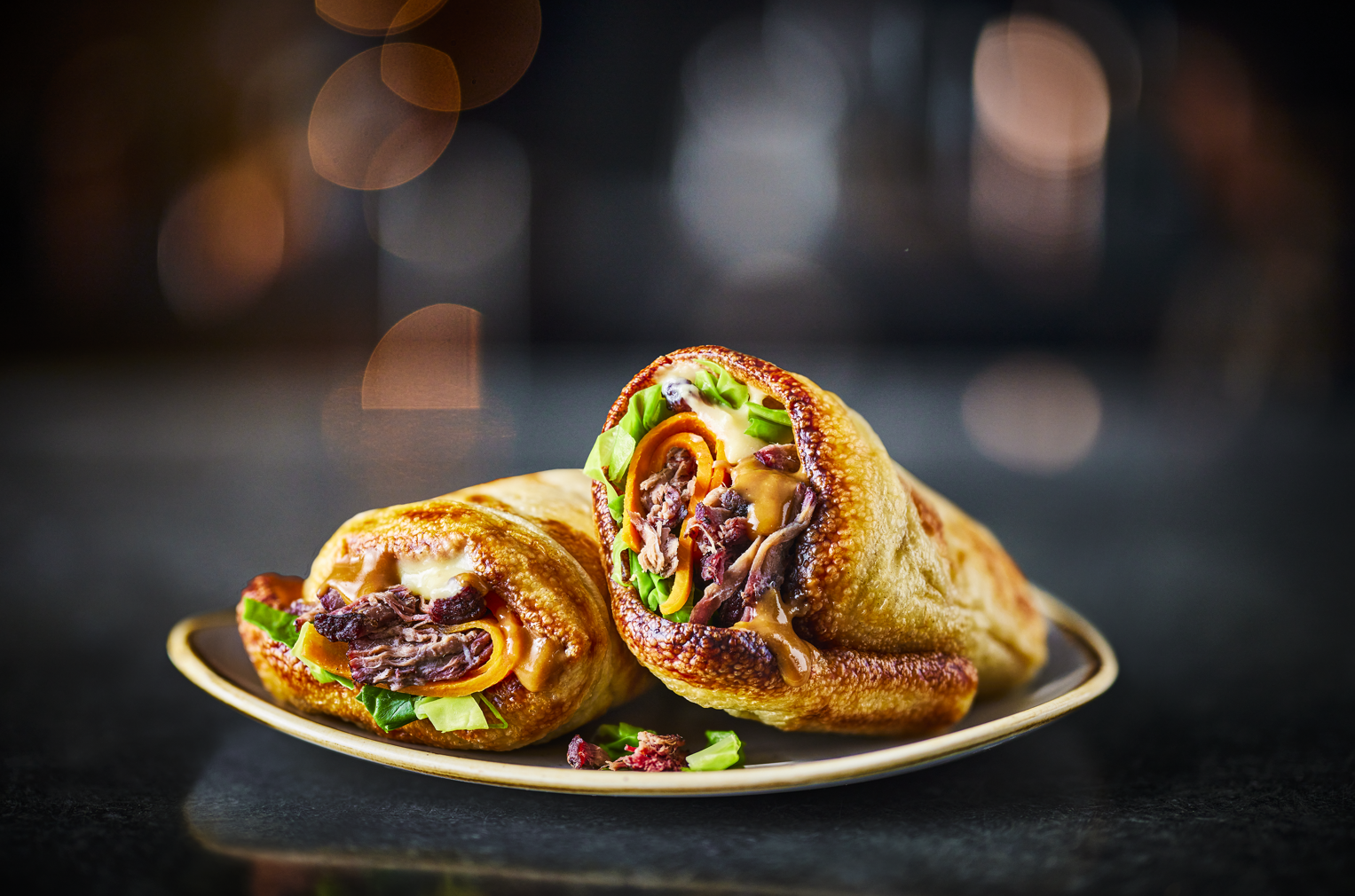
M&S will pay you £15 to start your Christmas shopping early

Hello Kitty and the Care Bears join forces for the grown-up Advent calendar