The Adriatic's lost world: the islands where history never quite left
Brioni Islands, Tito's Cold War diplomatic stage off Croatia's coast, remains untouched by mass tourism. A new book explores why this matters now.
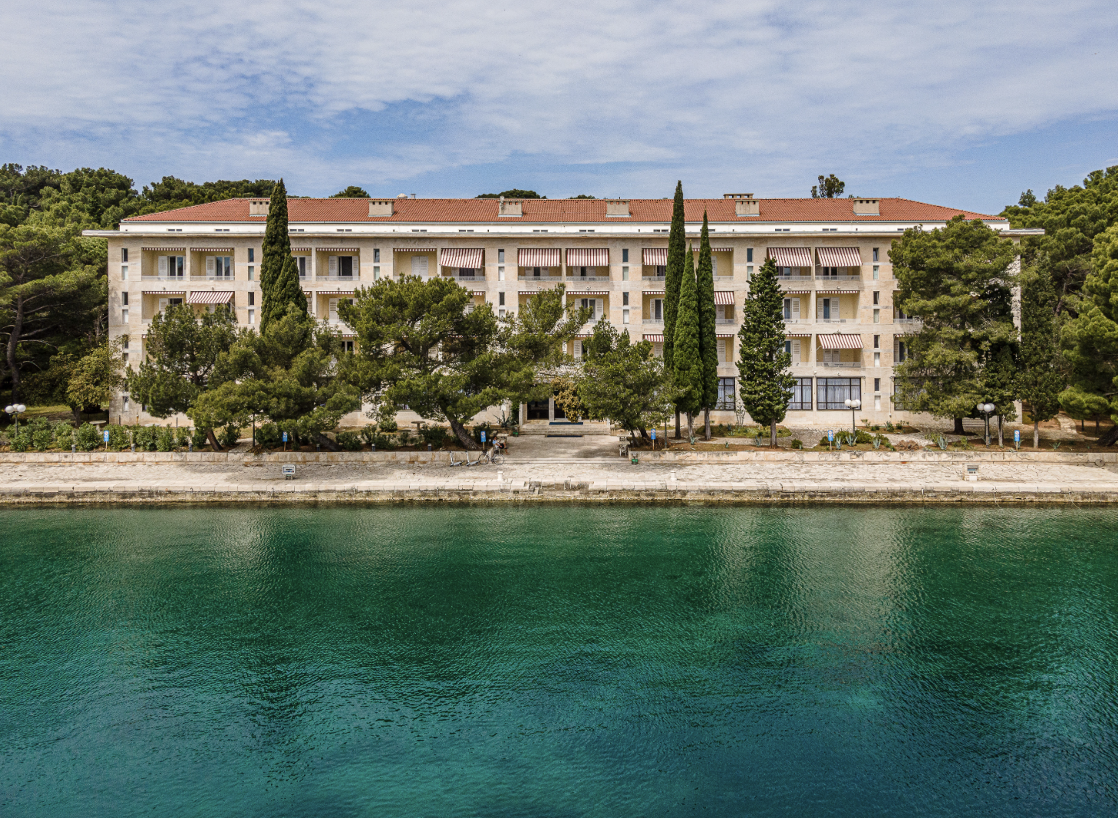
Front View of Hotel Karmen. Photo: Tom Wagner
There are places in Europe that seem determined to move with the times. The Brioni Islands are not among them.
Scattered off Croatia's northern Adriatic coast, the archipelago exists in a curious state of suspension between past and present. Roman aristocrats once built villas there. Austro-Hungarian industrialists transformed them into an exclusive retreat. During the Cold War, they became the unlikely stage upon which Josip Broz Tito entertained world leaders, royalty and statesmen from across the globe. Yet despite a history that touches some of the defining chapters of European and twentieth-century politics, the islands remain largely absent from the tourist itineraries and cultural conversations that have elevated so many other destinations.
A new publication, Brioni Islands, seeks to change that. Edited by Reiner and Sabina Opoku, the richly illustrated volume presents what is arguably the most comprehensive exploration of the archipelago ever published, combining historical research, photography and essays that attempt to understand not only what Brioni was, but what it continues to represent.
What emerges is a portrait of a place that feels increasingly rare in modern Europe.
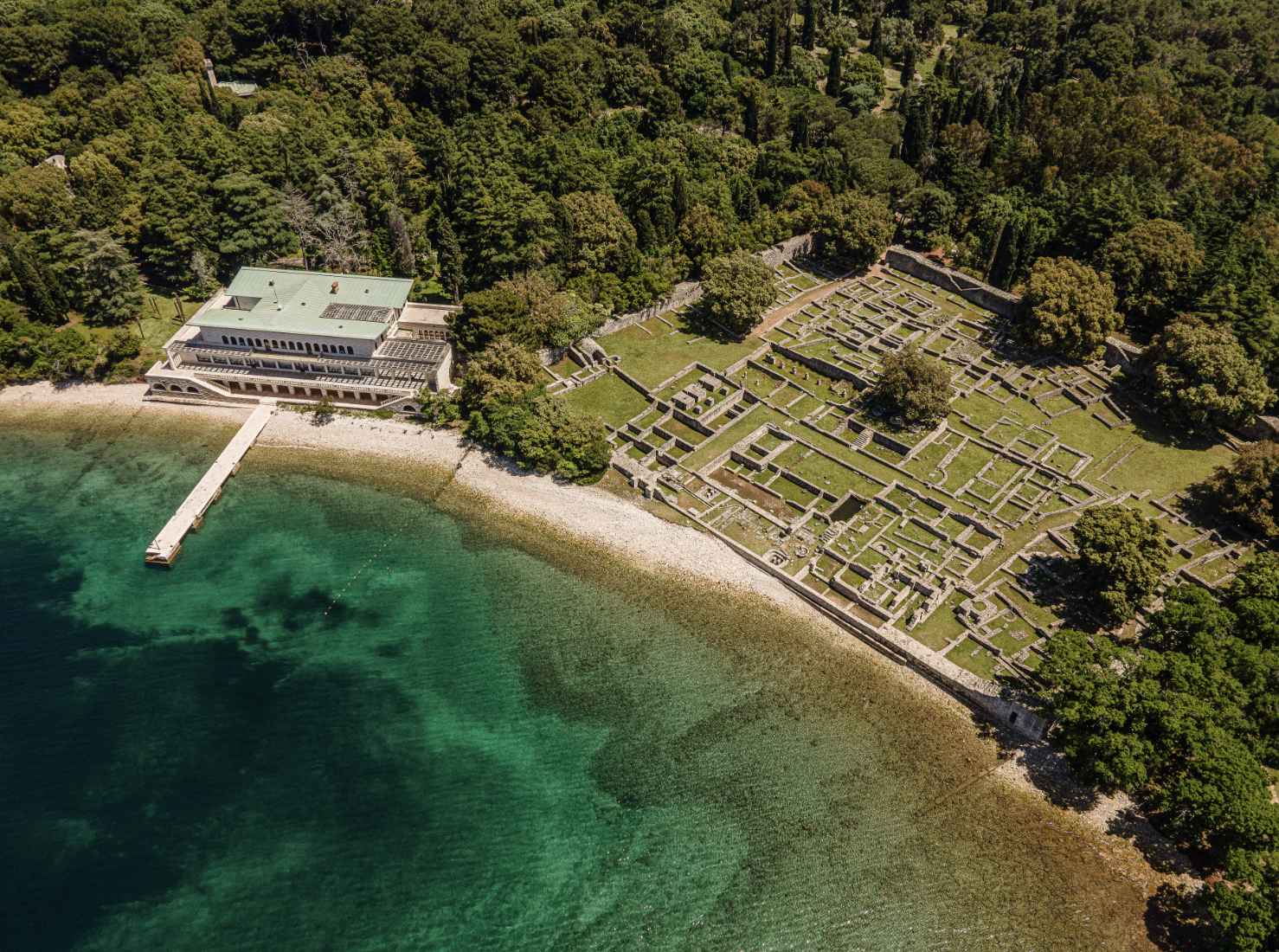
Across much of the continent, history has either been meticulously restored or aggressively commercialised. Brioni occupies a different space. Ancient ruins sit quietly within the landscape rather than being elevated into spectacles. The remnants of political history remain visible without becoming monuments to themselves. Pine forests, meadows and archaeological remains coexist in a way that feels remarkably untouched by the demands of contemporary tourism.
It is perhaps this quality that has led some visitors to describe the islands as possessing an almost cinematic character. There is a sense of deliberate composition to Brioni, as though each period of history has left its mark without fully erasing what came before. Roman foundations sit alongside Austro-Hungarian architecture. The legacy of Tito's Yugoslavia remains visible beneath the Mediterranean sunshine. Time does not appear to move in straight lines here.
The islands' most fascinating chapter may well be their role during the Cold War. While Berlin, Moscow and Washington dominated global headlines, Brioni quietly became one of the most significant diplomatic locations of the twentieth century. It was here that Tito welcomed leaders from Asia, Africa and the developing world, helping to shape the Non-Aligned Movement and offering an alternative vision of international politics during an era defined by superpower rivalry.
Yet the publication wisely avoids treating Brioni solely as a historical curiosity.
Instead, the book argues that the islands offer a valuable lens through which to examine some of the defining questions facing Europe today. Issues of conservation, heritage, environmental stewardship and sustainable tourism all intersect within the archipelago. In an era when many destinations are struggling to balance economic demands with cultural preservation, Brioni provides a compelling example of how landscapes can retain their identity without becoming frozen in time.
The essays gathered within the volume are united by a common theme: the relationship between nature and human intervention. The islands themselves embody that tension. Their landscapes have been shaped by centuries of cultivation, architecture and political ambition, yet they continue to feel remarkably organic. Human history is present everywhere, but rarely dominates the environment.
That balance may explain why Brioni feels so relevant today.
Modern societies often approach heritage as something to be protected behind barriers or preserved as a static record of the past. The Brioni Islands suggest a different possibility. Here, history remains active. It continues to influence the landscape, shape cultural memory and inform debates about how places should evolve.
At a time when much of Europe is searching for ways to reconcile preservation with progress, the islands offer a quietly persuasive example of how both might coexist.
The greatest achievement of Brioni Islands is that it resists the temptation to present the archipelago as a forgotten paradise waiting to be discovered. Instead, it presents Brioni as something far more interesting: a living cultural landscape where Roman emperors, Habsburg aristocrats, Cold War diplomats and contemporary visitors all form part of the same continuing story.
For those unfamiliar with the islands, the book serves as an introduction. For those who know them already, it is a reminder that some of Europe's most remarkable places remain those that have never felt the need to reinvent themselves.
In an age obsessed with the next destination, Brioni's greatest strength may be its refusal to leave the past behind.
Continue Reading
More Culture
Ben Foster returns to Wrexham to support young footballers with M&S Food

Harry Enfield and No Chums Announce National Tour Across the UK from March to November

Scotland’s Fastest-Rising Stand-Up Connor Burns Sells Over 17,000 Tickets at the Fringe Ahead of London Show coming to London