Meet the creator of the most relaxing show at Edinburgh Fringe: Q&A with Jack McGuire
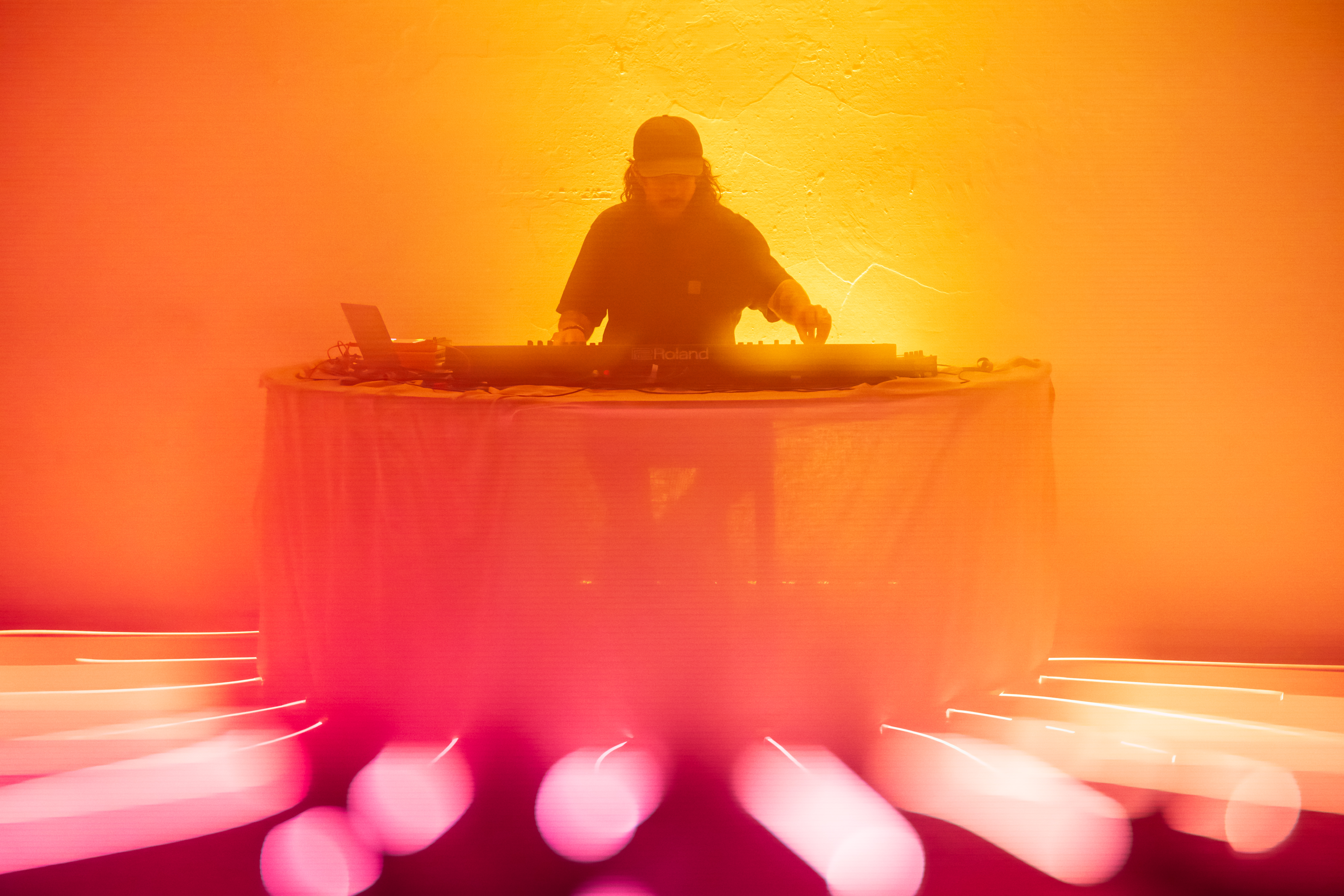
Amid the hustle and bustle of the Edinburgh Fringe, Jack McGuire is inviting audiences to do something unexpected: slow down and simply listen. We caught up with the creator of Channel, an immersive sound experience inspired by Pauline Oliveros' practice of Deep Listening, to discuss the importance of presence, audience participation and creating a space for calm in the middle of the festival.
Channel was inspired by Pauline Oliveros’ concept of Deep Listening. For readers unfamiliar with that practice, what do you hope they will discover during the performance?
Pauline Oliveros writes about the difference between hearing and listening. Hearing is a sort of passive way of taking in sound, letting the subconscious determine what we tune in and out of. Listening is a practice where a person tries to expand what they tune into by inviting all sounds in. This focused kind of listening informs how I improvise and create music and allows me to tune in to the audience. I hope that by coming to Channel, the audience has time to sit in this deep listening space and discover the joy of tuning in. Through this moment of Deep Listening, I hope to guide the audience's attention and offer some strategies to continue this practice.
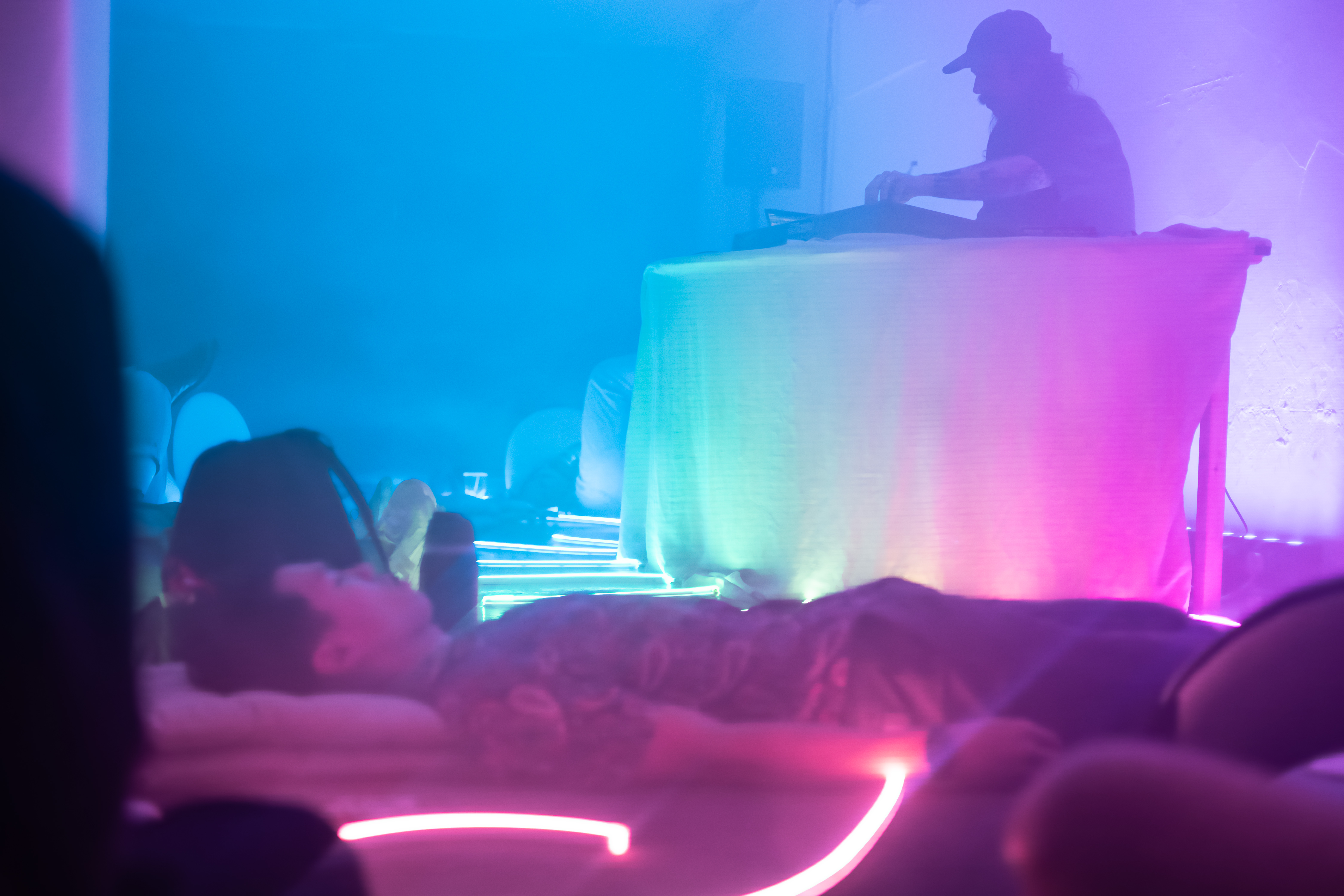
The show was born from your feeling that Fringe audiences needed a space to rest amid the festival’s intensity. What first made you realise there was a demand for that kind of experience?
This idea came to me after working on the show Temping. We were doing nine shows each day and going to see other shows as well. I found myself losing the ability to digest a lot of what I was seeing because I was always trying to take advantage of being at such a huge festival. By trying to watch everything, I ended up not fully experiencing anything, even the shows I was in the audience for. I thought about making a show where there is no story, message or need to consume anything. I often say Channel is a sort of anti-show because it intends to be a moment to slow down and reset before getting back into the fast pace of the Fringe.
Audience members are invited to contribute sounds that become part of the performance. How does that participation change the piece from one night to the next?
During each show, the audience can come up to a microphone that captures the sound they want to contribute to the piece. Since all of these sounds are recorded, by the end of the month, I develop a library of audience sounds which I can pull from. One of the sounds from last year that really became a part of the show was a recording of an audience member who had brought in a harmonica. I just loved that sound so much and re-pitched it to fit into a bunch of new contexts throughout the rest of the run. Each audience member who contributes something becomes a part of the world of sounds I use each day; it’s very inspiring to keep these moments with me and return to them with a new audience.
Much of modern life is dominated by social media, constant notifications and information overload. How does Channel encourage people to engage with sound—and with each other—in a different way?
Channel tries to offer some attention strategies, as a way to not only help the audience slow down in that particular moment, but also to offer ways to practice intentional attentive listening. There is just so much we end up tuning out every day with the constant information overload in our lives. If I can offer small ways to practice tuning back in, I believe that audiences can help to regain some presence and attention. These strategies not only help to engage with listening and sound more intentionally, but hopefully end up encouraging the audience to engage with each other in a similar way. I love the participation aspect of the show for this reason; it becomes a moment for everyone in the room to tune into someone with deep care and attention.
You’ve worked across a wide range of disciplines, including collaborations with Deaf and non-hearing artists, puppeteers and mimes. How have those experiences influenced the way you think about listening and communication?
Every collaboration challenges me to think critically about what the sound and music communicate. I mainly work in live scoring of physical theatre pieces, where, without dialogue or a set, the music takes on a lot of the emotion and the setting. It has a lot of power to influence the audience's perception of what is happening on the stage depending on whether music leads the emotion of a scene versus acting as an accompaniment. I love to perform as a collaborator because it really becomes a duet between me and the performing cast. I find that the dialogue between mediums is so inspiring because it asks me to listen to what I am making with my ears, to listen to what the cast is making with their bodies, and to listen to the emotions that are being conveyed by the combination of the two.
Channel returns to Edinburgh after premiering last year, this time in an intimate shipping-container venue for just ten audience members at a time. What can audiences expect from this new version of the experience?
The elements that feature in this new version expand on what we did last year, in a more custom-built environment. Being able to have our own dedicated spaces means that we can shape the stage into something closer to an installation or listening room. Our scenic/lighting designer, Itohan Edoloyi, has taken so much care to create a design that is meant for deep, attentive listening. This run will also have a smaller, more intimate audience, and I hope that means that the audience will feel even more excited and emboldened to contribute sounds to this work. You can expect a complete, carefully crafted transformation of a humble shipping container into a meditative deep listening room.
Channel is at the Edinburgh Fringe at Assembly George Square Studios – The Cubicle at Buccleuch Place, 5 – 30 Aug 2026 (not 17 & 25), Mon – Thurs 18:00 - 19:15 & 20:30 - 21:45, Fri – Sun 16:00 - 17:15 & 18:30 - 19:45 Ticket information here: Channel | Edinburgh Festival Fringe
Continue Reading
More Culture
Ben Foster returns to Wrexham to support young footballers with M&S Food

Harry Enfield and No Chums Announce National Tour Across the UK from March to November
Scotland’s Fastest-Rising Stand-Up Connor Burns Sells Over 17,000 Tickets at the Fringe Ahead of London Show coming to London