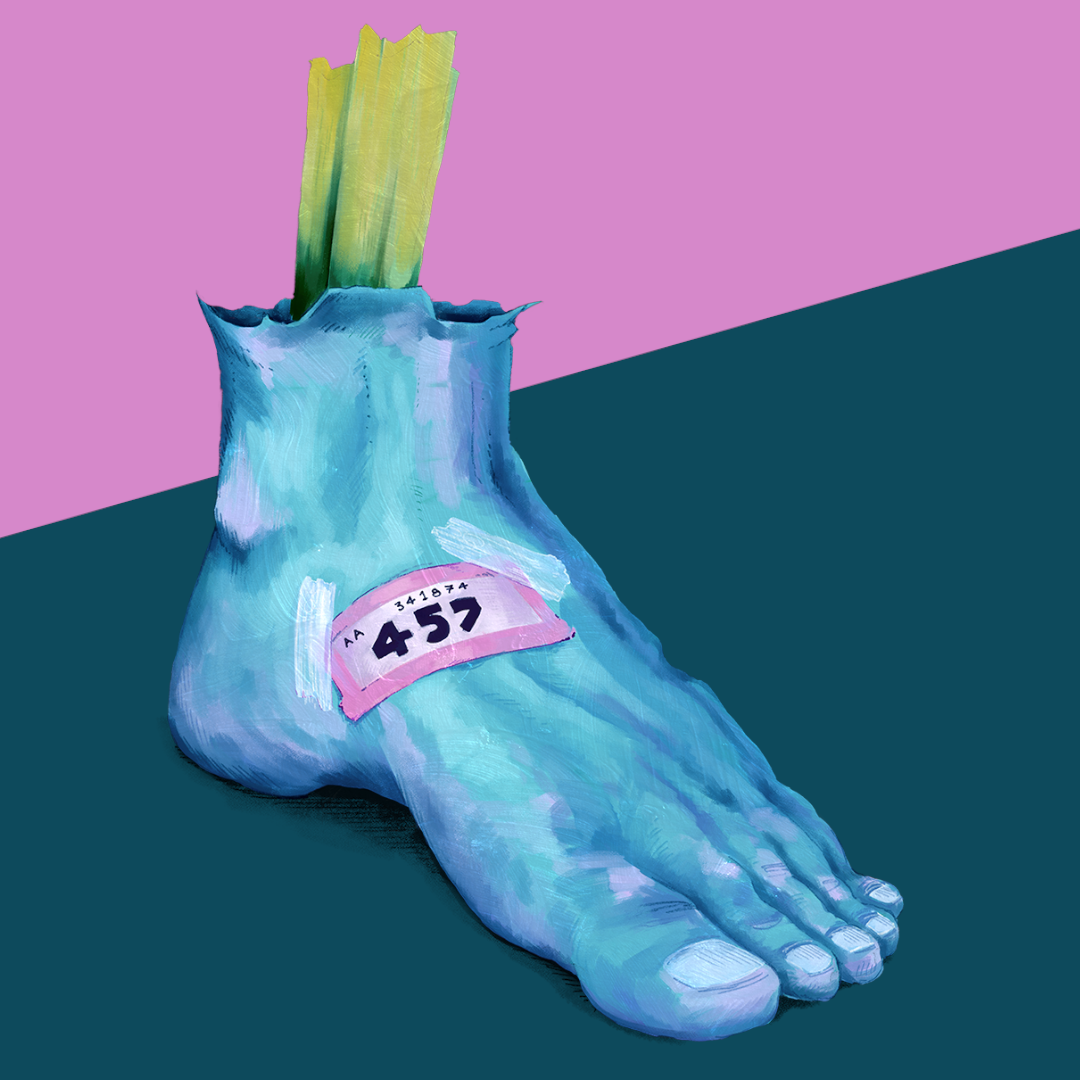
What is it like to debut an Edinburgh Fringe show in 2026? Daniel Mcvey tells us about "A Foot is Not an Appropriate Prize for the Tombola"
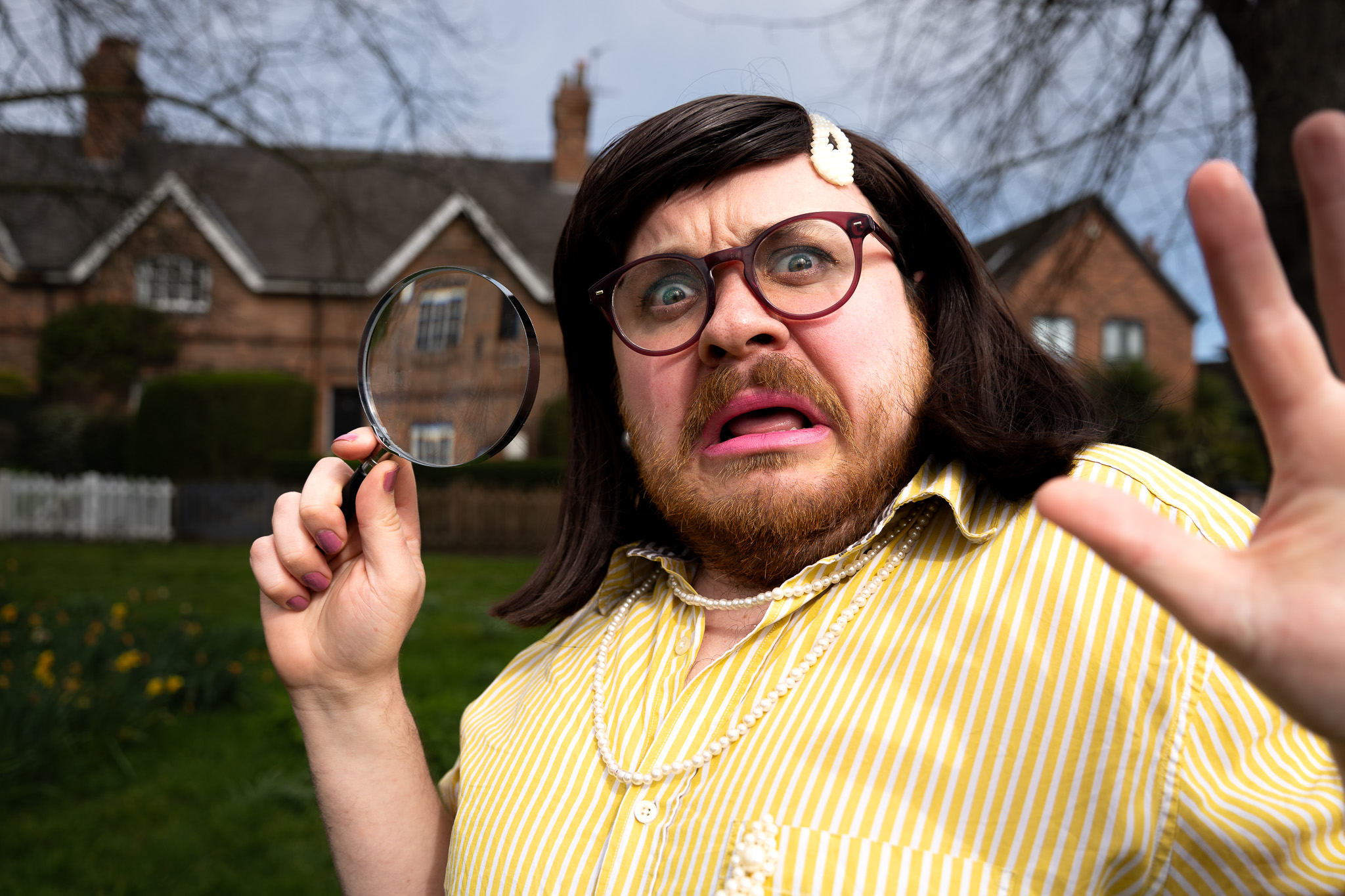
Theatre Maker, writer and director Daniel McVey talks to us about his Edinburgh Fringe debut, "A Foot is Not an Appropriate Prize for the Tombola". We talk all things audience participation, drag and cosy crime.
Where did "A Foot is Not an Appropriate Prize for the Tombola" come from, and did you always know that was the title or did it arrive later in the process?
The title was probably the first thing about the show I knew. On my desk and in my phone I’ve got hundreds of little one-line ideas and ‘A severed foot is found in a tombola prize’ had been there for ages. When I first came up with the idea I thought it was going to be a ‘serious’ horror play. However, last year an organisation I’d worked with, In Good Company, was running a scratch night and had an act drop out the week before. The theme of the scratch night was play and they contacted me and asked me if I had anything that fitted. At the time I didn’t, but I immediately knew that this idea would work, and that it should be camp, interactive, and ridiculous. So over that week I spent any free time making what would become the beginning of this show.
How do you figure out how much control to give the audience, and what's been the most unexpected or chaotic thing a crowd has done with that freedom so far?
A murder mystery isn’t a natural choice for a solo show, usually a murder mystery requires an expansive cast of suspects and witnesses, so it became quite clear early on that I would need the audience to fulfil some of those roles. I was also very aware that the words ‘audience interaction’ can come accompanied by a certain amount of fear, so whilst I absolutely want to give the audience enough freedom to properly have fun with it, I don’t want them to feel put on the spot, or cast adrift. It’s a fine line, but through the show’s development I think we’ve managed to find an ideal middle ground. One of the most unexpected things about it has been how much audience members from the scratch nights and work in progress sharings have thrown themselves into it, with energy and accents to rival mine! Sometimes they make it very difficult for me to keep a straight face.
What was the process of finding Lydia, and what does drag specifically allow you to do with her that a more straightforward performance wouldn't?
As a writer, I’m always drawn to writing bizarre and wonderful characters and, as such, have written and performed characters for myself that are all genders, though most have been played quite earnestly. Lydia’s character is one that came to me quite quickly and completely but it wasn’t until after the first scratch performance that I realised it was drag.
Drag as an art form relies on this exaggerated, overdramatic style of performance and comedy that verges on melodrama, but most importantly, drag plays with the perception of gender and subverts traditional gendered characteristics. The ‘spinster detective’ is already a very gendered stock character that embraces both traditionally feminine and masculine traits, which means that it lends itself so perfectly to drag.
Drag is also a protest, and I think the political elements of the show are really accentuated by the fact that Lydia is a drag character. But most of all, drag is fun, and I have so much fun as Lydia, and the play revels in it, even ending in a big camp musical number!
You describe the show's political message as intrinsic to its DNA rather than bolted on – how do you keep the balance so that audiences are genuinely having an hour of irreverent fun while still walking away having absorbed something more unsettling about power and truth?
Comedy is by its very nature disarming; to laugh is to trust, which makes it the perfect vehicle for political theatre. Almost every social comment that the piece makes is also surrounded by campness and humour. The political messaging is woven into every single section of the play, even when it might not feel like it, so that, hopefully, when we get to the classic murder mystery twists and reveals, it will reveal something about the state of the world too. Like any good murder mystery, once you find out what the play is truly saying, you’ll be shocked you hadn’t worked it out earlier. And working with a number of incredible collaborators focusing tightly on the dramaturgy of the piece, I think we’ve created something where the two strands of fun and politics are so intertwined that they couldn’t possibly be unravelled.
Cosy crime is such a specific and beloved genre – what drew you to it as the vessel for cosmic horror and political commentary, and are there particular books, TV shows or writers you were consciously playing with or subverting?
I have always adored cosy crime, something I’ve very much inherited from my mum; I grew up watching Poirot, Marple, Diagnosis Murder, Murder She Wrote and more. However, despite their cosy exterior, these stories are a hotbed of the extremes of human nature, playing with ideas of justice, and oftentimes uncritically relying on mechanisms of law and governance that make them the perfect vehicle for political commentary. I think it’s maybe because I grew up in a rural town but I’ve always particularly been drawn to the small village murders, the St. Mary Meads and Cabot Coves (which also happen to often be where you will find the ‘spinster’ detectives) and in books and films these small villages are usually only the narrative homes of murder mysteries and horror, hence why cosmic horror felt like a natural bedfellow alongside cosy crime.
Whilst it’s a genre I’ve always been fairly immersed in, this year, as research, I’ve read and watched tonnes; since January, I’ve not only read every single Miss Marple story, I’ve also watched, read and experienced almost all of the adaptations of Miss Marple that have ever been made internationally. When I immerse myself in research, I certainly immerse myself, but I think you can definitely tell how much I’ve been inspired by Agatha Christie and Miss Marple in the play. Other books, TV shows and films that I’ve consciously been playing with include Rosemary and Thyme, M.C. Beaton’s Agatha Raisin, and the Knives Out films (in particular the third film, which I think is an absolute masterpiece).
This is your Edinburgh Fringe debut – you've been writing for theatre for a decade and have serious credits behind you, so what does it mean to bring a show to the Fringe at this point in your career, and what are you hoping this show opens up for you next?
It’s exciting and terrifying, but for me it’s always been about making sure that it’s the right show for the right audience. A Foot is Not an Appropriate Prize for the Tombola feels like absolutely the right show for an Edinburgh Fringe audience and I can’t wait to play with it with the audience so many times over the month. Sometimes in life it just feels like it’s the right time to do something, and this year, with this show, it feels like the right thing for me to do.
I could list a whole plethora of hopes and dreams from taking the show to Edinburgh, but as I’m sure most people who’ve taken a show up before will tell you, the Fringe can be an unknowable beast, so the only real hopes I’ve got for the Fringe and its effect on my career are that it opens up conversations, connections, and community.
A Foot is Not an Appropriate Prize for the Tombola is at the Edinburgh Fringe at Pleasance Courtyard, Attic, 5 – 31 Aug 2026 (not 17), 15:20 (16:20) Ticket information here: A Foot is Not an Appropriate Prize for the Tombola | Edinburgh Festival Fringe
Continue Reading
More Culture
Ben Foster returns to Wrexham to support young footballers with M&S Food

Harry Enfield and No Chums Announce National Tour Across the UK from March to November

Scotland’s Fastest-Rising Stand-Up Connor Burns Sells Over 17,000 Tickets at the Fringe Ahead of London Show coming to London