Hydrogen on demand could reshape the conversation around Europe's energy security
Kinetic7 Technologies develops hydrogen on demand system that generates fuel at point of use, removing need for storage and transport infrastructure.
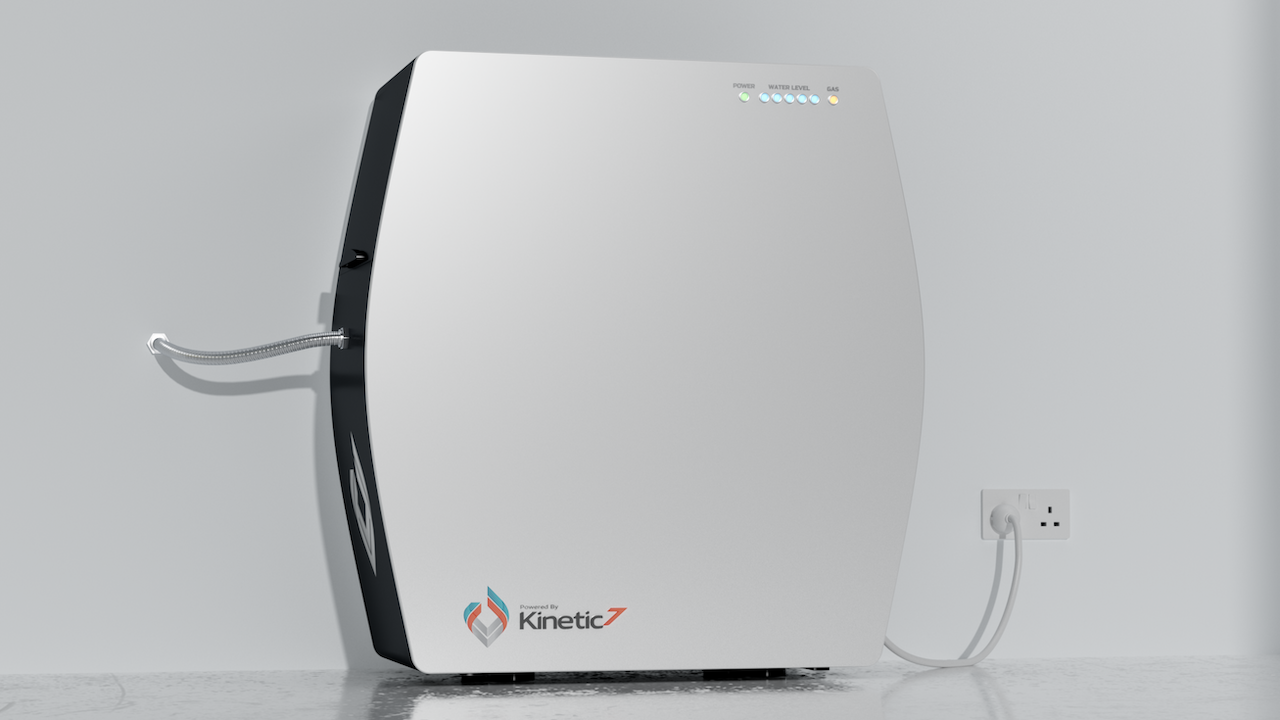
Design Prototype of what a residential Kinetic7 HODBox™️ might look like for domestic clean gas supply.
Europe has spent much of the past five years relearning an uncomfortable lesson: energy security cannot be taken for granted. Geopolitical instability, volatile gas markets and growing competition for liquefied natural gas have exposed the vulnerabilities of relying on long international supply chains, while governments continue to wrestle with the challenge of balancing decarbonisation with dependable energy supplies. As another winter approaches, attention is once again turning to how nations can build greater resilience into their energy systems.
One emerging idea moves the conversation away from where energy comes from and towards where it is produced. Rather than transporting and storing fuel over long distances, some companies are developing technologies capable of generating hydrogen exactly where it is needed, potentially reducing dependence on centralised infrastructure while offering a cleaner alternative for a range of commercial and domestic uses.

Among them is Kinetic7 Technologies, an Abu Dhabi headquartered clean energy company founded by Australian entrepreneur and philanthropist Rick Parish. The company has developed a proprietary hydrogen on demand system that generates hydrogen through electrolysis at the point of use, removing the need for conventional storage and transport associated with many hydrogen systems. It is an approach designed to simplify deployment while offering greater flexibility for businesses, emergency services and eventually households.
The timing is notable. Concerns over European gas reserves have intensified as storage levels remain under pressure ahead of winter, renewing debate about energy resilience across both the European Union and the United Kingdom. For governments, the challenge extends beyond affordability. Questions of energy security now sit alongside wider concerns about critical infrastructure, supply chain resilience and the increasing vulnerability of essential services to geopolitical disruption.
Kinetic7's technology was not originally conceived with European energy markets in mind. Instead, it was developed to address humanitarian challenges in developing nations and disaster zones where conventional fuel supplies can be unreliable or entirely unavailable. Its portable Nomad™ and Tribe™ cooking systems generate hydrogen using water, electrolysis and only modest amounts of electricity supplied through solar panels, onboard batteries or mains power, allowing clean cooking where traditional infrastructure has broken down.
That humanitarian foundation continues to shape the company's commercial ambitions. Having demonstrated the technology in portable applications, Kinetic7 has since developed the HODBox™, a larger hydrogen on demand system intended for restaurants, hotels and commercial catering operations seeking alternatives to conventional gas. The company believes producing hydrogen only when it is required could reduce operating costs while limiting dependence on fluctuating energy markets.
Perhaps the most ambitious stage of the company's plans, however, lies in the domestic sector. Kinetic7 is developing a residential version of the HODBox™ aimed initially at off grid properties, where households remain dependent on heating oil, liquefied petroleum gas, biomass or electric heating. Installed externally and powered through solar energy or mains electricity, the system is intended to provide hydrogen for cooking, hot water and space heating without requiring stored fuel.
The proposal reflects a broader shift taking place across the energy sector. For decades, resilience has largely meant expanding storage capacity, securing additional imports or building larger infrastructure. Increasingly, innovators are exploring whether decentralised technologies capable of producing energy locally could complement those traditional approaches, particularly in rural communities, disaster recovery and industries vulnerable to fuel price volatility.
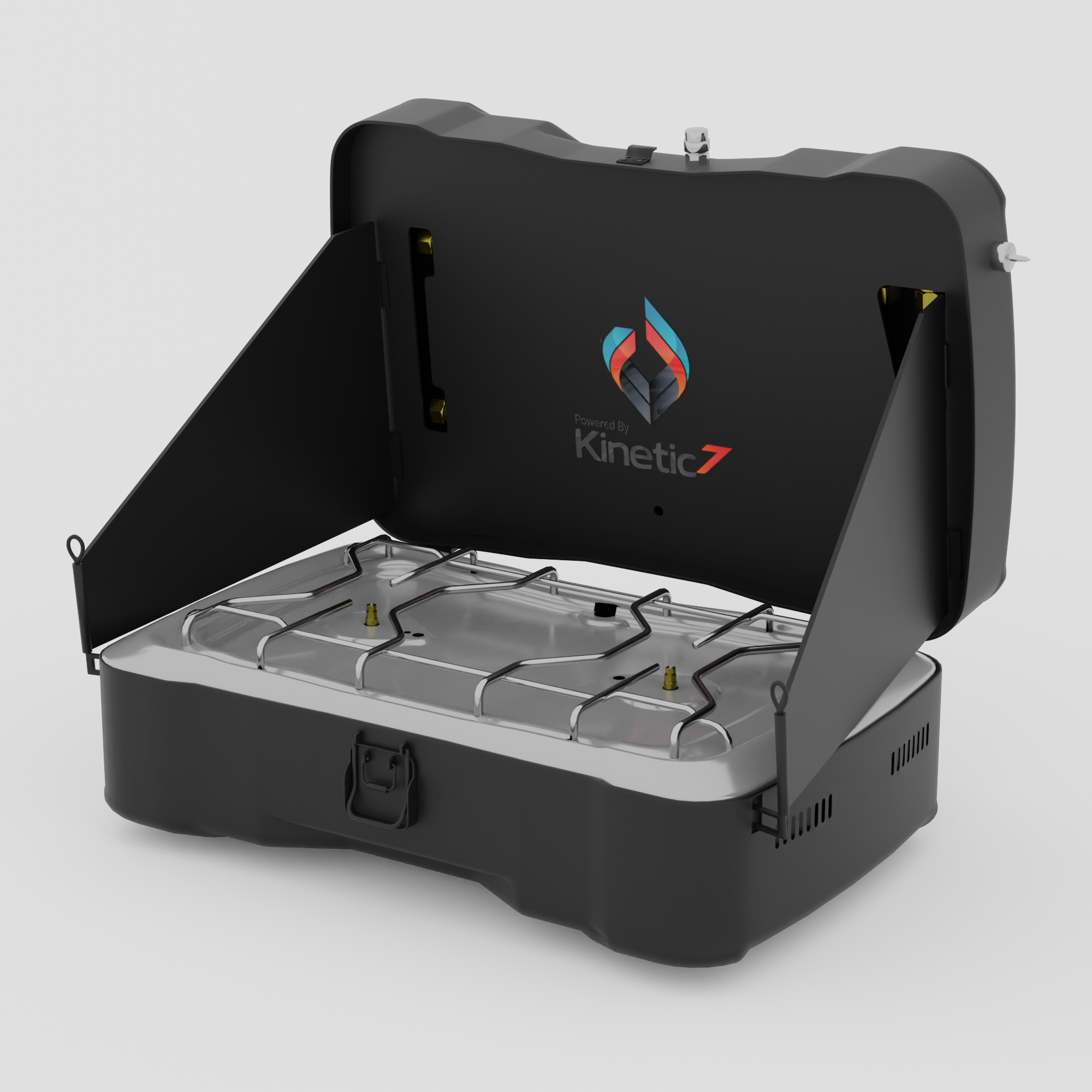
For Rick Parish, the company's mission extends beyond technology itself. Inspired by humanitarian work following the death of his young son, Elliot, he has spoken of witnessing families across parts of Africa relying on wood burning stoves that expose millions of people each year to harmful household air pollution. That experience helped shape a vision in which hydrogen on demand could support cleaner cooking while reducing pressure on forests and improving public health.
Whether hydrogen on demand ultimately becomes a mainstream component of Europe's energy mix remains uncertain. Significant regulatory, commercial and technical questions remain before technologies of this kind can be deployed at scale. Yet as governments search for ways to strengthen energy resilience without compromising climate ambitions, the conversation is increasingly broadening beyond traditional fuels and infrastructure.
If the past few winters have demonstrated anything, it is that energy security is no longer simply about securing enough gas. It is about building systems capable of adapting to an increasingly unpredictable world. Technologies that generate clean energy where it is needed may not replace existing networks, but they could become an important part of the resilience strategies that define the decades ahead.
Continue Reading
More Technology
A new photobook is looking for the London beyond the landmarks

Polestar broadens the appeal of the 4 with a new SUV

AI is changing banking. The skills that matter most are proving harder to automate