Edinburgh scientists are building the laboratories AI needs to transform biology
Edinburgh Genome Foundry secures ARIA funding to expand AI-driven biofoundry capabilities for medicines, food security and industrial manufacturing.
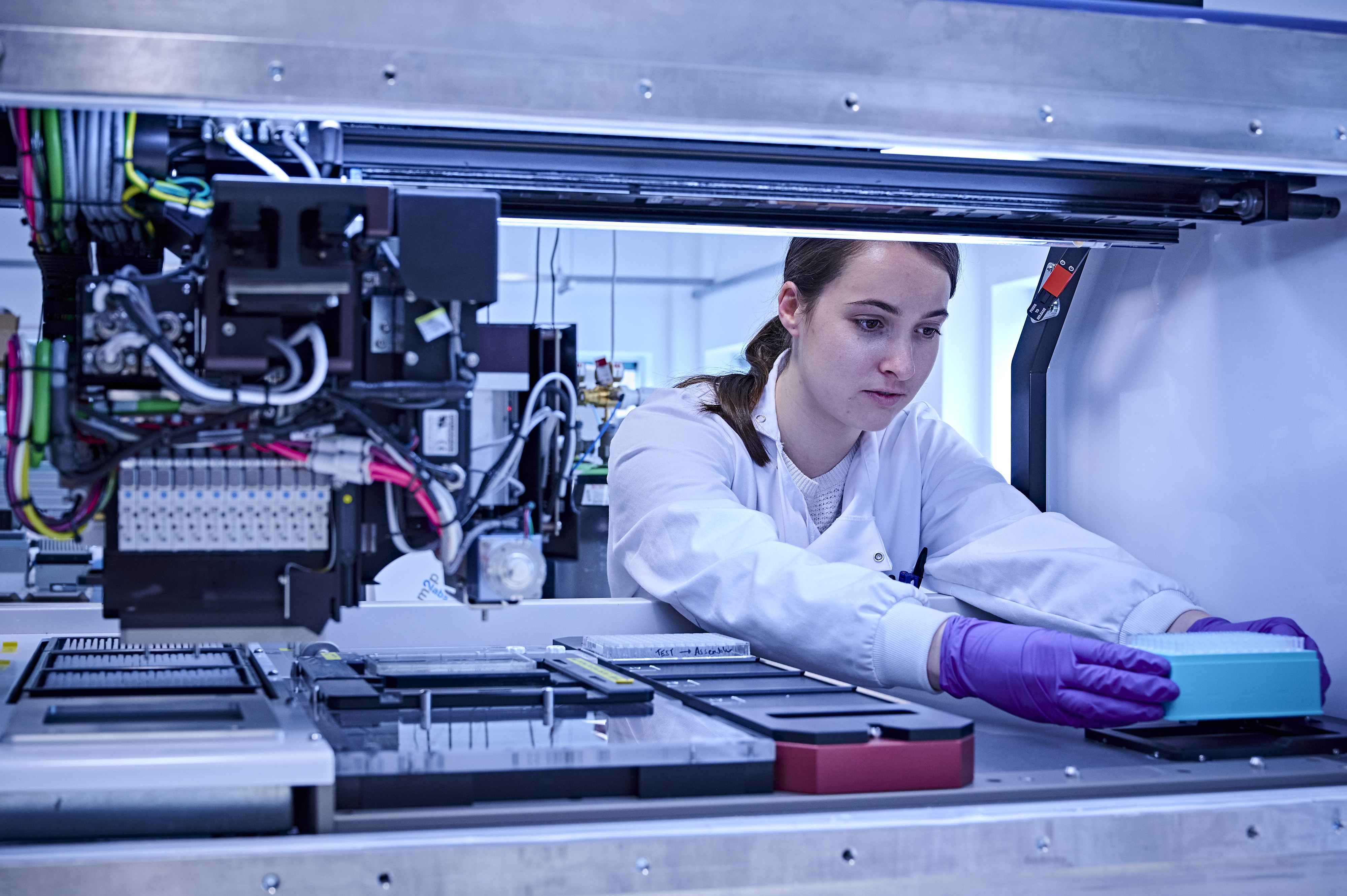
Government backed investment will expand one of the world’s most automated biofoundries, allowing artificial intelligence and robotics to work together on research spanning medicines, food security and industrial manufacturing.
Artificial intelligence can produce extraordinary numbers of possible biological designs. The more difficult question is what happens next.
A new three year partnership in Edinburgh is attempting to solve precisely that problem by bringing AI into a highly automated laboratory where its proposed designs can be physically built, tested and turned into usable scientific data.
The Edinburgh Genome Foundry at the University of Edinburgh is working with the Advanced Research and Invention Agency, known as ARIA, to expand the Foundry's robotic capabilities and give ARIA funded scientists access to its facilities.
The ambition is considerable. Researchers will use AI to help design genetically engineered cells, while automated laboratory equipment will construct and test them. Potential applications stretch from new treatments and vaccines to agriculture, food security and biological methods of recycling plastics and metals.
It is an example of an increasingly important question for Britain's ambitions in artificial intelligence: whether the country can build not only powerful digital technologies, but the physical scientific infrastructure required to turn them into commercially and socially useful discoveries.
From computer designs to real experiments
Modern AI systems can rapidly generate potential biological designs, but those proposals still have to be tested in the physical world.
That process can become a bottleneck. The Edinburgh programme seeks to reduce it by connecting computational design with automated experimentation.
Under the three year ARIA Activation Partnership, researchers funded by the government agency will be able to commission tailored biological research and generate data specifically structured for use by AI systems.
The programme will focus on areas including neurological and viral diseases, biomanufacturing, sustainable food chains and research into interactions between humans and machines.
The partnership is the first of its kind between ARIA and the University of Edinburgh.
Professor Susan Rosser, Director of the Edinburgh Genome Foundry and Chair of Synthetic Biology at the university, said the facility operates “at the intersection between engineering biology, AI and automation”.
She said its capabilities already allow researchers to design and engineer cells at high throughput, with applications ranging from therapeutic and vaccine engineering to biological recycling and food security.
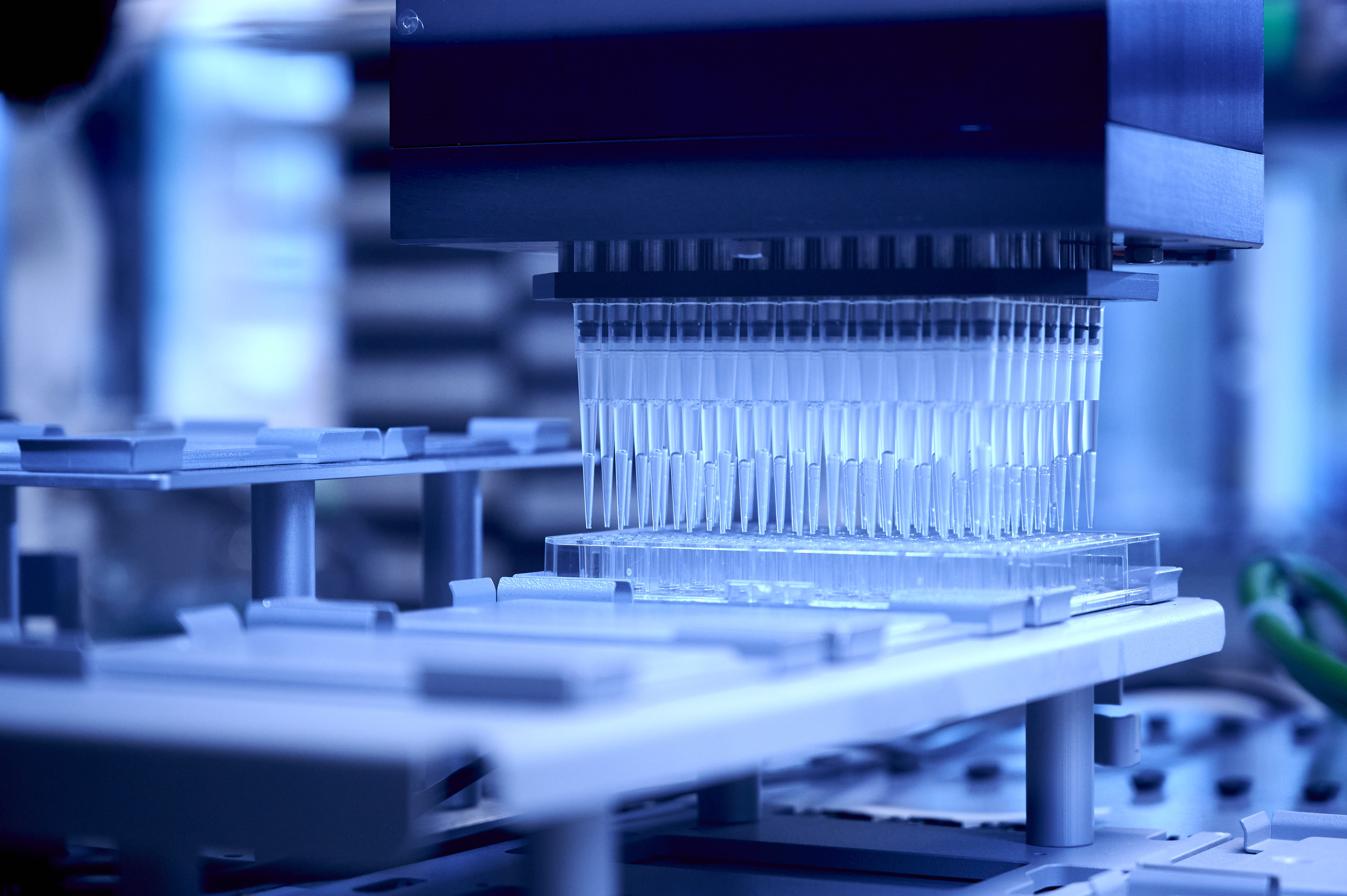
The next stage is about scale.
“By becoming an Activation Partner and working with ARIA Creators and others, we can generate high quality, AI ready data at a scale that turns individual experiments into continuous learning systems,” Rosser said.
“This is the infrastructure that AI enabled biology needs to bring economic and social benefits for all, and we are building it here in the UK.”
The physical side of the AI race
The investment also illustrates how the development of AI is beginning to extend beyond computing infrastructure.
For scientific research, an AI model can suggest a molecule, cell design or experiment, but laboratories are still required to establish whether those ideas work.
Dr Andrea Taylor, chief executive of Edinburgh Innovations, the university's commercialisation service, put the problem simply: “AI can now propose millions of biological designs, but those designs are only worth something once they are built and tested.”
The Foundry is intended to provide that bridge between digital prediction and physical experimentation.
ARIA's Pranay Shah said advanced AI was changing what could be attempted in frontier science, but argued that research taking place in the physical world was increasingly becoming the constraint on how quickly discoveries could progress.
The partnership will therefore give ARIA backed research teams access to engineering biology, automation and AI enabled experimentation through a single facility.
For the University of Edinburgh, there is also a commercial dimension. Existing and future industry partners using the Genome Foundry are expected to benefit from the expanded infrastructure, including companies working on vaccine development and processes capable of converting waste plastic into higher value materials.
Britain has spent considerable political and commercial energy discussing the opportunities presented by artificial intelligence. The Edinburgh project represents the less visible part of that ambition.
Generating an idea with AI is one thing. Building the machinery capable of discovering whether it actually works may prove just as important.
Continue Reading
More Technology
Britain’s influencer economy is becoming harder for brands to ignore

The generation most sceptical of AI is willing to trust it with a diagnosis

A new photobook is looking for the London beyond the landmarks