How to Protect Your Online Privacy
Learn how to protect your online privacy with this comprehensive guide. From using strong passwords to advanced measures like VPNs, we cover everything you need to safeguard your digital life.
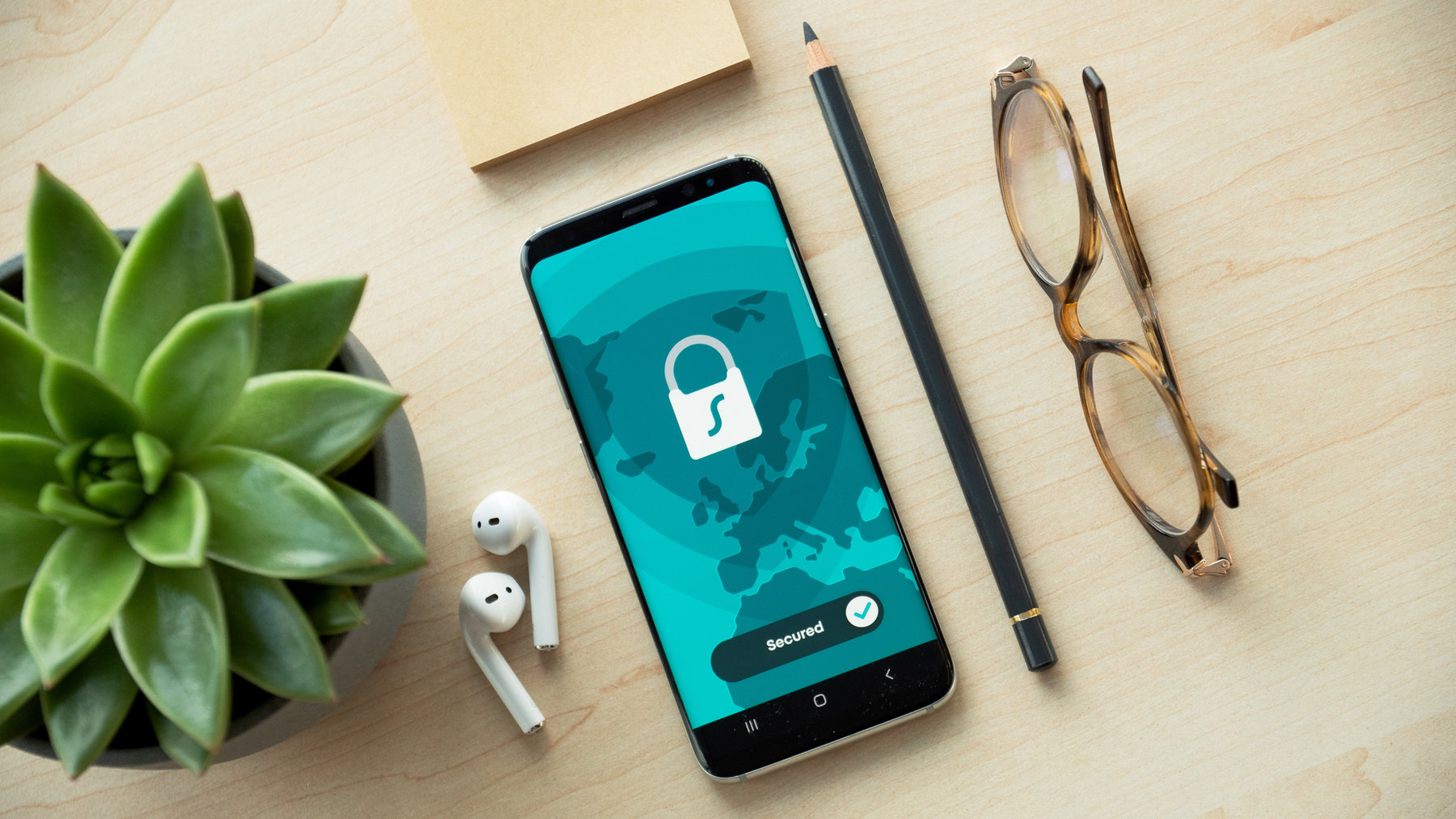
In today's digital age, the importance of online privacy cannot be overstated. With the increasing number of data breaches, cyber-attacks, and the pervasive tracking of online activities, protecting your privacy has become more crucial than ever. This article aims to provide you with a comprehensive guide on how to safeguard your online privacy.
Why Is Online Privacy Important?
Before diving into the how-to, it's essential to understand why online privacy matters. Your personal information, such as your name, address, and financial details, can be exploited for identity theft, fraud, and other malicious activities if it falls into the wrong hands. Moreover, corporations and advertisers track your online behavior to create a profile for targeted advertising, which can be invasive.
Basic Steps to Protect Your Online Privacy
Use Strong, Unique Passwords
One of the most straightforward ways to protect your online accounts is by using strong, unique passwords. Avoid using the same password for multiple accounts, as this makes it easier for hackers to gain access to your information. Use a combination of upper and lower case letters, numbers, and special characters to create a robust password.
Enable Two-Factor Authentication (2FA)
Two-factor authentication adds an extra layer of security by requiring a second form of identification beyond just a password. This could be a text message sent to your phone or an authentication app. Enable 2FA wherever possible.
Outdated software can have vulnerabilities that hackers can exploit. Make sure your operating system, antivirus software, and other applications are up-to-date with the latest security patches.
Public Wi-Fi networks are often less secure, making it easier for hackers to intercept your data. If you must use public Wi-Fi, avoid accessing sensitive information like your bank account.
Use a Virtual Private Network (VPN)
A VPN encrypts your internet connection, making it more difficult for anyone to intercept your data. This is especially useful when using public Wi-Fi networks.
Use privacy-focused search engines like DuckDuckGo and consider using the Tor browser for anonymous browsing. These tools don't track your search history and offer better privacy protections.
Limit Social Media Exposure
Be cautious about the information you share on social media. Adjust your privacy settings to limit who can see your posts, and be mindful of the data you're sharing publicly.
Use biometric authentication like fingerprint or facial recognition.
Keep your mobile operating system updated.
Install apps only from trusted sources.
Use a firewall and antivirus software.
Disable unnecessary browser extensions.
Be cautious with email attachments and links from unknown sources.
Protecting your online privacy is an ongoing process that requires vigilance and a proactive approach. By implementing these tips and staying updated on the latest security trends, you can significantly reduce the risks associated with online activities. Remember, the time to protect your online privacy is now, not after you've become a victim of a cyber-attack.
Continue Reading
More Technology
Edinburgh scientists are building the laboratories AI needs to transform biology

Britain’s influencer economy is becoming harder for brands to ignore

The generation most sceptical of AI is willing to trust it with a diagnosis