Formula One is no longer just a sport. It has become a battle for consumers
CELSIUS energy drink launches its largest UK activation around the British Grand Prix, spanning Regent's Park to Silverstone in a nationwide campaign.
The British Grand Prix has always been one of the highlights of the sporting calendar.
This year, however, the battle for attention extends well beyond the circuit itself. As Formula One's popularity continues to surge, brands are increasingly treating race week as an opportunity to engage consumers far from the paddock, transforming one of Britain's biggest sporting events into a nationwide marketing platform.
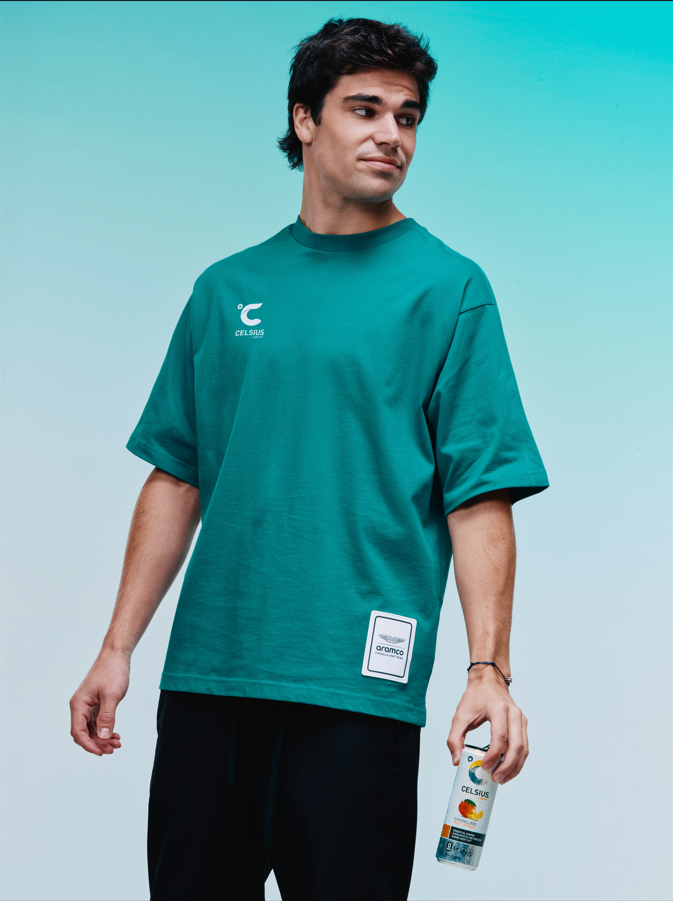
Among the latest is the energy drinks brand CELSIUS, which is using its partnership with the Aston Martin Aramco Formula One Team to stage its largest UK activation to date.
The campaign stretches from Regent's Park to Outernet London and Silverstone itself, combining fitness events, immersive fan experiences, product sampling and social media campaigns designed to capitalise on the growing cultural appeal of Formula One.
It reflects a broader transformation within the sport.
For decades, Formula One's commercial model revolved largely around television audiences, hospitality and corporate sponsorship. Since Liberty Media acquired the championship in 2017, the sport has repositioned itself as a lifestyle brand, reaching audiences through social media, fashion, entertainment and experiential events as much as through the racing itself.
The strategy has been remarkably successful.
Global audiences continue to grow, younger fans are engaging with the championship in unprecedented numbers and race weekends have evolved into cultural events that attract consumers regardless of whether they follow every lap.
For brands, that creates an attractive proposition.
Rather than simply placing logos on racing cars, companies are increasingly investing in experiences that allow consumers to interact directly with both the sport and the brand. Running clubs, simulator challenges, merchandise drops and city centre activations have become standard features of modern Formula One marketing.
The objective is clear.
Consumers increasingly value experiences over traditional advertising. Brands are therefore looking to create moments that can be shared across social media, generating visibility that extends far beyond those attending in person.
The British Grand Prix offers particularly fertile ground.
Silverstone remains one of Formula One's most historic venues, while London provides brands with access to a large audience unable to attend the race itself. Bringing Formula One themed experiences into the capital allows companies to extend the excitement of race weekend beyond Northamptonshire.
The partnership between CELSIUS and Aston Martin also reflects another growing trend.
Energy drinks have become deeply embedded within elite sport, aligning themselves with ideas of endurance, performance and ambition. Formula One, with its combination of engineering excellence and athletic precision, offers an obvious fit.
Whether those associations translate into long term consumer loyalty remains to be seen.
What is clear is that Formula One has become about considerably more than motor racing. The sport now occupies a position at the intersection of entertainment, technology, fashion and popular culture, attracting brands eager to participate in one of the fastest growing audiences in global sport.
For spectators, race weekend increasingly begins long before the lights go out at Silverstone.
And for marketers, the chequered flag is no longer the finish line. It is simply another opportunity to engage the next generation of Formula One fans.
Continue Reading
More Lifestyle
Six feel-good essentials I’m reaching for as we move into a new season
The Delights of Coffee Season - the London Autumn Edit
Luxury Childcare Association opens voting for its 2026 awards