Hilary Gardner is reviving a forgotten chapter of American music
Hilary Gardner unearths forgotten 1930s cowboy songs for UK tour next month. The New York jazz vocalist excavates America's overlooked songbook with restraint.

Hilary Gardner
Most jazz singers spend their careers interpreting familiar standards. Hilary Gardner has built hers searching for the songs that history overlooked.
The New York vocalist has earned a reputation as one of the most compelling interpreters of America's musical past, not by returning to well-trodden classics but by uncovering neglected material from the country's vast songbook and presenting it with intelligence, charm and remarkable emotional restraint.
Next month, British audiences will have the chance to experience that approach when Gardner and her band, The Lonesome Pines, arrive for performances in London and Milton Keynes.

At a time when nostalgia has become a commercial industry in its own right, Gardner's appeal lies in the fact that she is not simply recreating the past. Instead, she acts as something closer to a musical archaeologist, uncovering songs that have slipped from public memory and revealing why they mattered in the first place.
Her latest project, On The Trail, focuses on the music of the American West during the 1930s and 1940s. These were the years of the "singing cowboy", when radio, film and popular music helped create one of the defining myths of American culture. While figures such as Gene Autry and Roy Rogers became household names, many of the songs from that era quietly disappeared as popular tastes changed.
Gardner has made it her mission to bring them back.
The result is a collection of music that exists somewhere between jazz, country, folk and the Great American Songbook. It is difficult to categorise, which may partly explain why so much of it has been forgotten. Yet that very quality gives the material its distinctive character.
These are songs of open landscapes, distant horizons and solitary journeys. They capture an America that feels increasingly remote from the modern world but remains deeply embedded in its imagination.
Gardner's interpretation avoids sentimentality. Her voice is understated rather than showy, allowing the songs themselves to take centre stage. The effect is quietly captivating.
Critics have responded accordingly. On The Trail was recognised with a Western Heritage Award and was named among the finest jazz albums of the year. The acclaim reflects not only the quality of the performances but also Gardner's ability to find fresh relevance in music that has spent decades largely ignored.
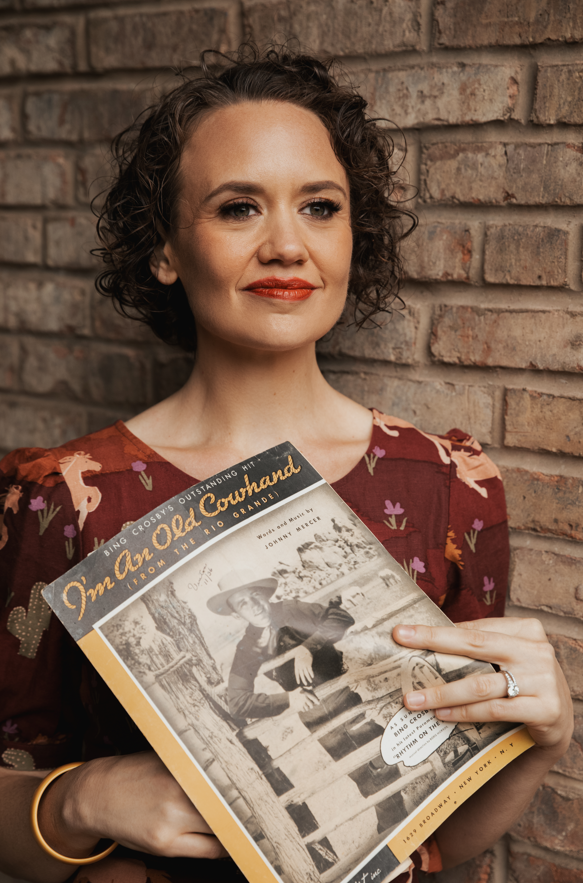
That talent has become a hallmark of her career.
Described by The New Yorker as "a singer with a beguilingly subtle wit", Gardner has collaborated with artists including Jeff Goldblum and Michael Feinstein while establishing herself as a respected figure within New York's jazz community. Yet she remains drawn to repertoire that sits outside the mainstream.
There is something distinctly unfashionable about such an approach. In an industry often preoccupied with novelty, Gardner's work is rooted in the belief that great songs do not lose their value simply because audiences have forgotten them.
Accompanied by guitarist Justin Poindexter and accordionist Sasha Papernik, she brings those songs to life with a blend of musicianship and storytelling that feels increasingly rare.
For British audiences, the performances offer more than a concert. They offer a glimpse into a neglected corner of American cultural history, seen through the eyes of an artist determined to ensure it is not lost altogether.
In a musical landscape increasingly shaped by trends and algorithms, Hilary Gardner's success suggests there remains an audience for something quieter, richer and more enduring.
The songs may be old. The discovery feels entirely new.
Tickets On Sale now: London Milton Keynes
Continue Reading
More Culture
The wooden frame changing the view of one of Russia’s great architectural monuments

The Cotswolds hotel making autumn work for the whole family
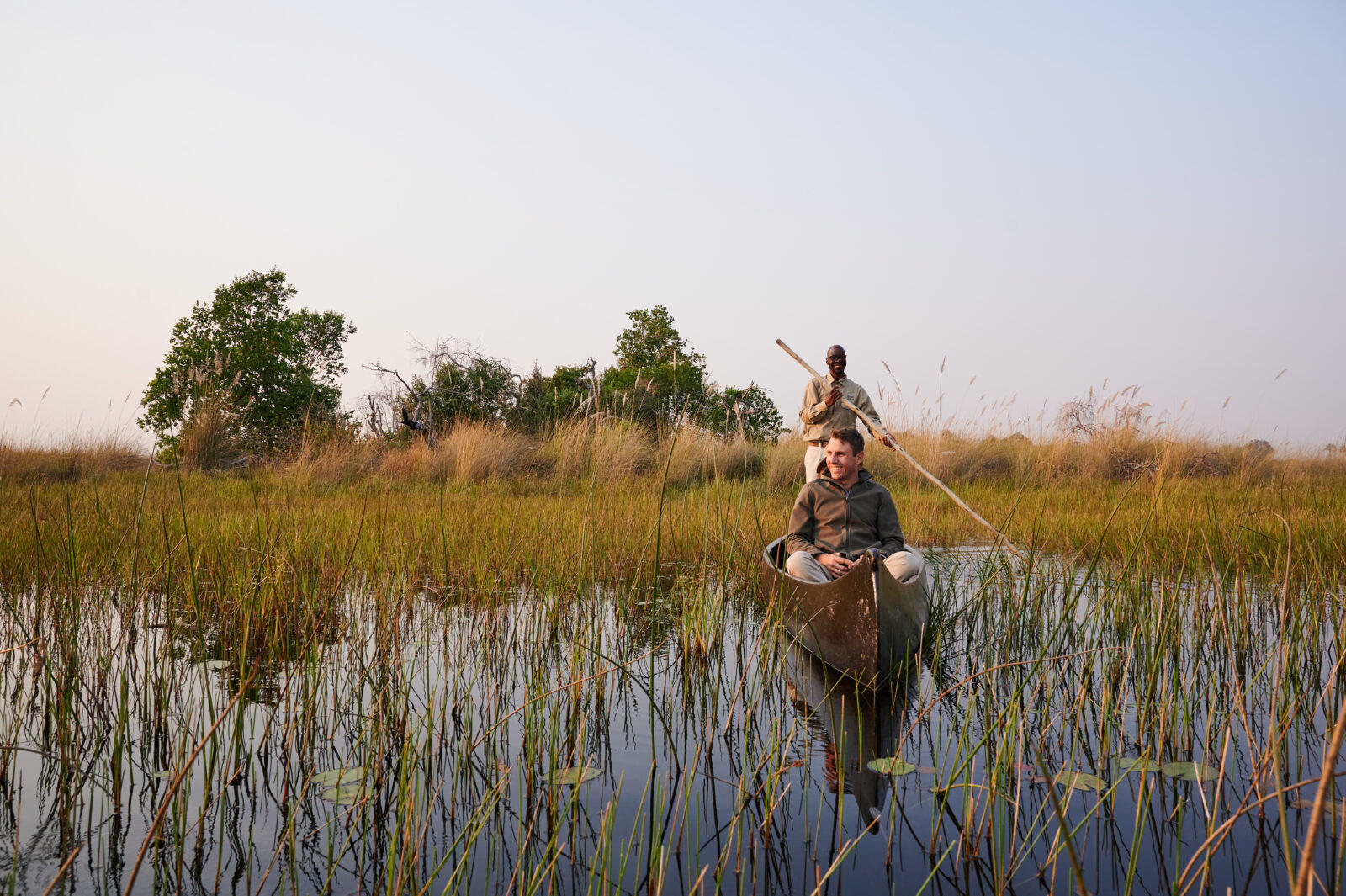
Botswana’s great flood has transformed the safari