K Music Festival returns to London with a reminder that Korea is more than K pop
K Music Festival returns to London this autumn with folk, jazz, hip hop and traditional gugak across Southbank Centre, Royal Albert Hall and Ronnie Scott's.
K Music Festival
For much of the past decade, South Korea's musical identity has been defined by K pop.
The global success of acts such as BTS and BLACKPINK has transformed the country's music industry into one of its most valuable cultural exports, generating billions in revenue and helping to establish South Korea as a cultural superpower. Yet for all the international attention devoted to polished pop groups, they represent only one part of a far richer musical landscape.
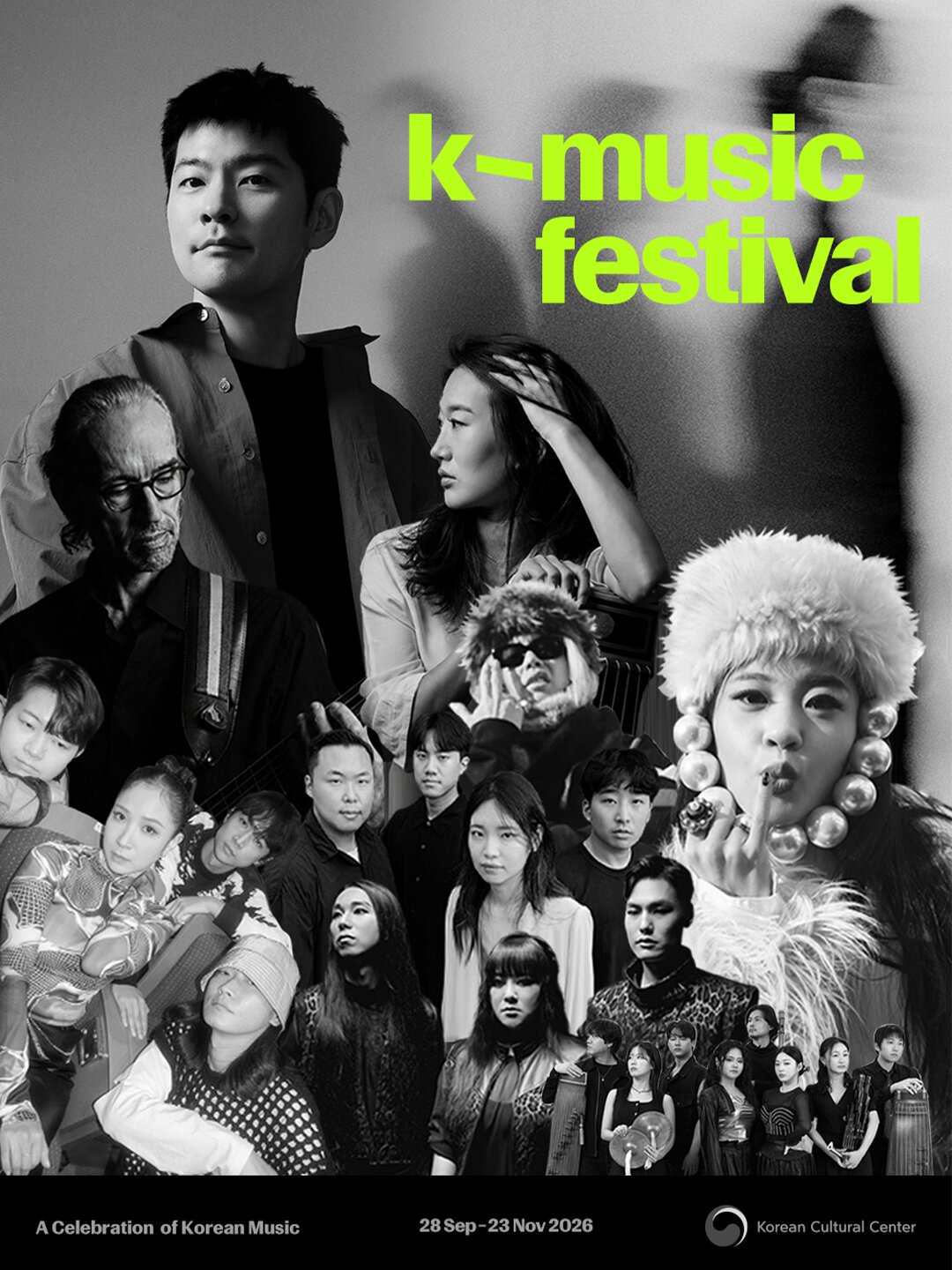
That is the premise behind this year's K Music Festival, which returns to London this autumn with its broadest programme to date.
Now in its thirteenth year, the festival has steadily established itself as Britain's leading showcase for contemporary Korean music beyond the mainstream. Running across venues including the Southbank Centre, the Royal Albert Hall, Rich Mix and Ronnie Scott's, the programme seeks to challenge the assumption that Korean music begins and ends with chart topping pop.
Instead, audiences will encounter everything from traditional folk and experimental composition to hip hop, jazz, post rock and contemporary classical performance.
It is an approach that reflects the changing confidence of South Korea's cultural sector.
The country's creative industries have spent years building an international reputation through cinema, television, literature and popular music. While K pop opened the door for many international audiences, cultural institutions are increasingly looking beyond commercial success to present a more complete picture of Korean artistic life.
The festival's opening night offers perhaps the clearest expression of that ambition.
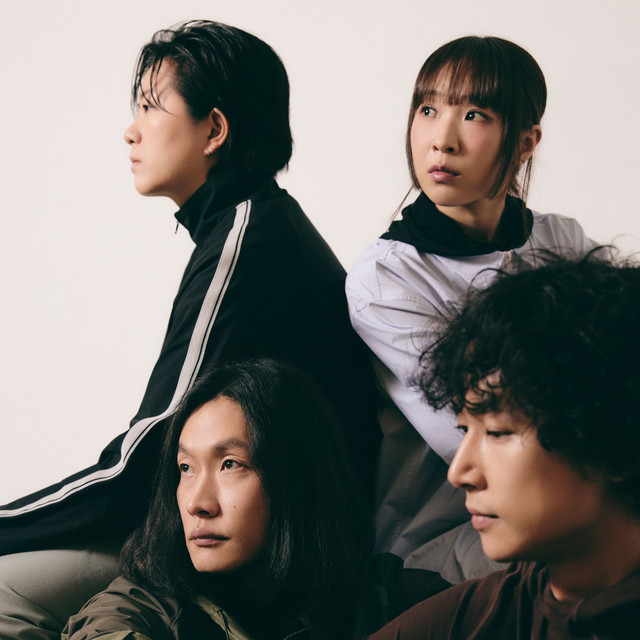
Folk ensemble ADG7, whose performances draw on centuries old Korean musical traditions, will share the stage with sibling hip hop duo Lil Cherry and GOLDBUUDA and the acclaimed singer songwriter Chang Kiha. Together, they present three very different interpretations of modern Korean music, united not by genre but by a willingness to challenge expectations.
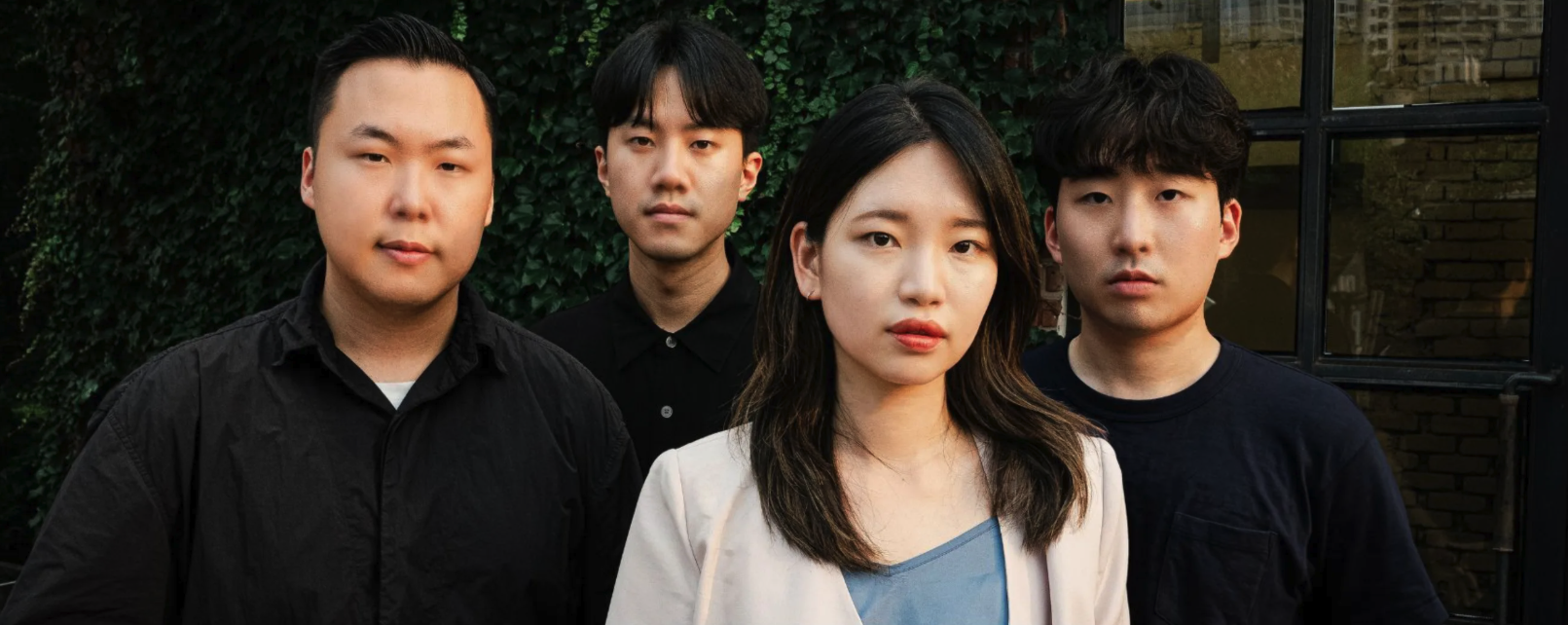
Elsewhere, one of the festival's more unusual performances will see the National Gugak Center reinterpret music from some of South Korea's most successful video games using traditional Korean instruments.
The concert is more than a novelty.
South Korea has become one of the world's leading producers of video games, with titles reaching millions of players across the globe. Reimagining those soundtracks through instruments whose history stretches back centuries demonstrates how comfortably Korean artists move between tradition and innovation.
That balance has become one of the defining characteristics of the country's cultural success.
Rather than treating heritage as something to be preserved behind glass, many contemporary Korean musicians incorporate traditional forms into entirely modern works, creating music that feels both rooted and forward looking.
International collaboration also plays an important role throughout the programme.
Gayageum virtuoso Kyungso Park joins Swedish bassist Björn Meyer for a performance combining Korean musical traditions with European jazz, while other performances bring together musicians from across Asia and Europe in projects that blur conventional musical boundaries.
Such collaborations have become increasingly common as artists look beyond national traditions in search of new creative possibilities. The result is music that is unmistakably international without sacrificing its cultural identity.
It is a reminder that South Korea's remarkable cultural influence extends far beyond the world of commercial pop.
For British audiences, the festival offers something increasingly rare. Not simply an opportunity to hear unfamiliar music, but a chance to discover a country whose artistic life is considerably more diverse than its global reputation sometimes suggests.
K pop may have introduced the world to Korean music.
K Music Festival makes the case that it should not be the only thing the world hears.
Continue Reading
More Lifestyle
THE MEN’S SCENT EDIT - September round up

Polestar broadens the appeal of the 4 with a new SUV

Josie Ryan paints the wildlife she refuses to let us forget