Can technology finally stop Britain's houseplants from dying?
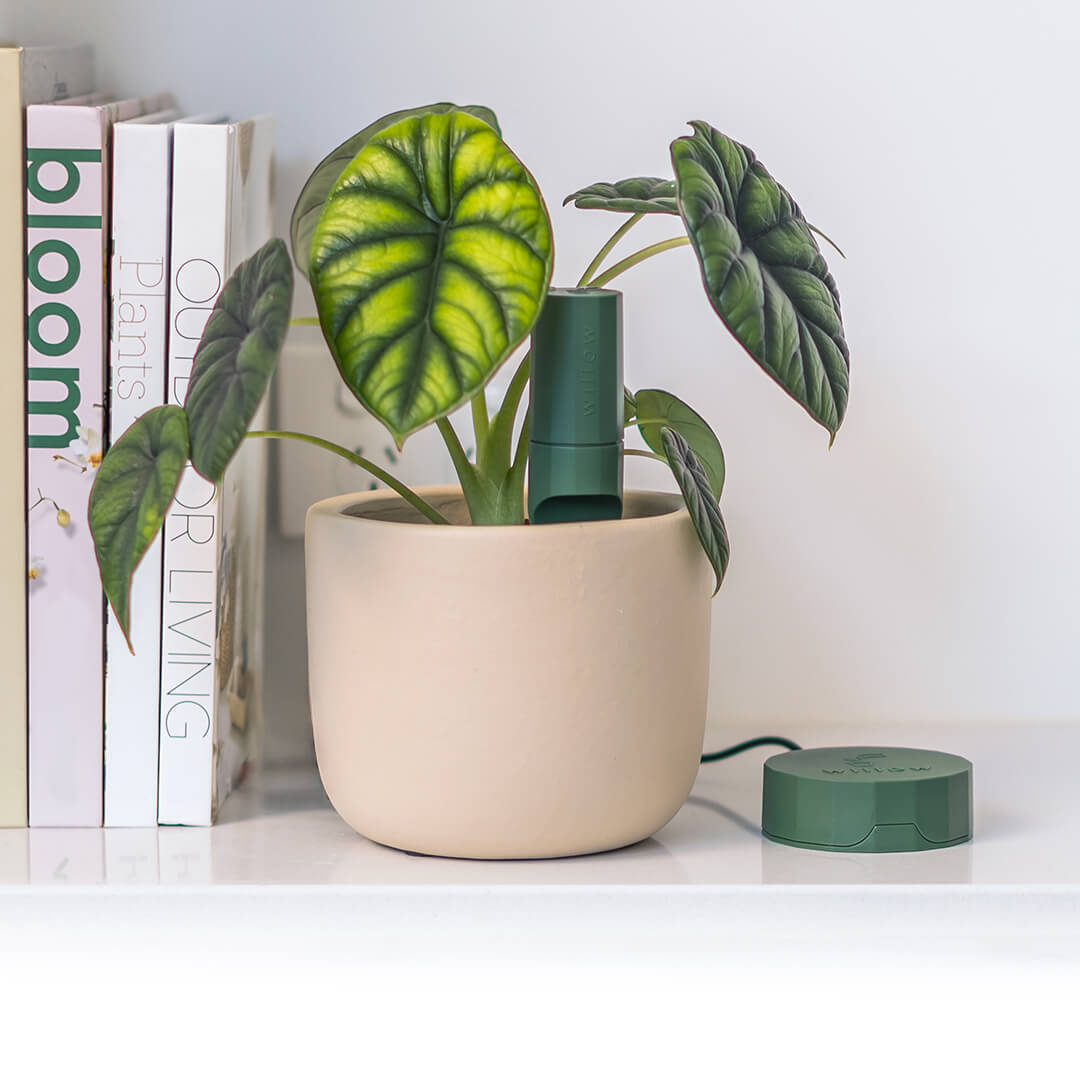
Plant With Willow uses soil sensors and AI to monitor moisture, light and temperature, sending alerts when houseplants need water or repositioning.
Willow
Britain has embraced houseplants with enthusiasm.
From monsteras and fiddle leaf figs to peace lilies and succulents, indoor plants have become a staple of modern homes, driven by social media, interior design trends and a growing appreciation for biophilic living. Yet for many owners, the relationship is short lived. Overwatering, poor light and simple neglect remain among the biggest killers of houseplants.
A new device hopes to change that by taking the guesswork out of plant care.
The Plant With Willow Starter Pack combines a soil sensor with a smartphone app to monitor moisture, light, temperature and humidity, providing owners with personalised advice based on the specific needs of each plant.
Rather than relying on instinct or internet searches, users receive alerts telling them when to water, move or otherwise care for their plants.
It reflects a broader trend in consumer technology.
As smart homes become increasingly commonplace, connected devices are moving beyond lighting, heating and security into more niche areas of everyday life. From pet feeders and robotic lawnmowers to coffee machines controlled by smartphone, technology companies are betting that consumers are willing to outsource even the smallest household decisions.
Houseplants have become the latest frontier.
The timing is unsurprising. Interest in indoor gardening surged during the pandemic as millions spent more time at home, transforming houseplants from decorative accessories into a mainstream hobby. Yet enthusiasm has often exceeded expertise, with many novice owners discovering that keeping plants alive is considerably more difficult than buying them.
The challenge lies in the fact that every species has different requirements.
A cactus and a fern may occupy the same windowsill, but their watering schedules, light requirements and preferred temperatures are markedly different. Generic advice often proves inadequate, particularly for people with growing collections of plants.
Plant With Willow attempts to address that problem by interpreting environmental data according to individual plant species rather than simply reporting raw measurements.
The result is a system designed to tell owners not only what conditions exist, but whether those conditions are suitable for the plant in question.
The appeal extends beyond gardening enthusiasts.
For many younger homeowners and renters, houseplants have become an important part of interior design, wellness and lifestyle. They soften living spaces, improve perceptions of wellbeing and offer a connection with nature in increasingly urban environments.
Technology is now being asked to protect that investment.
Whether consumers are willing to rely on connected sensors for something as simple as watering a plant remains to be seen. Critics may question whether common sense and observation are being replaced by unnecessary gadgets.
Supporters, however, will argue that there is little difference between using technology to monitor fitness, home energy use or sleep patterns and using it to care for living things inside the home.
The growth of smart gardening suggests many consumers agree.
As technology becomes more deeply woven into daily life, even the humble houseplant is becoming part of the connected home.
For those whose windowsills have become something of a botanical graveyard, that may be welcome news.
Continue Reading
More Technology
Edinburgh scientists are building the laboratories AI needs to transform biology

Britain’s influencer economy is becoming harder for brands to ignore

The generation most sceptical of AI is willing to trust it with a diagnosis