Forget the beach holiday. Families are taking their children on safari instead
For generations, the great British family holiday followed a familiar formula: a beach, a swimming pool and enough organised entertainment to prevent children from becoming restless. Yet a growing number of parents are looking beyond the conventional resort in search of something more ambitious, swapping sun loungers and children's clubs for elephants, lions and the African wilderness.
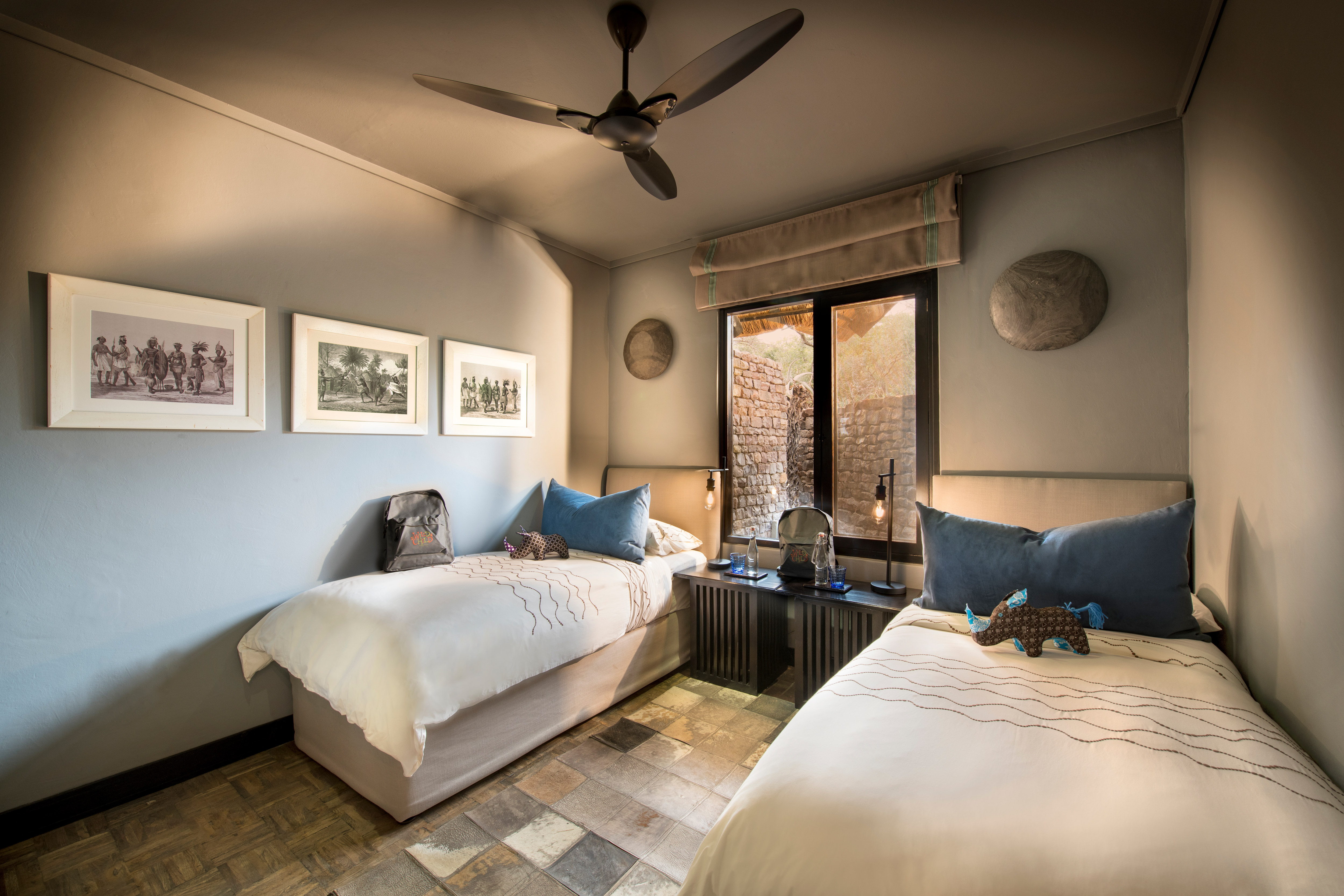
The family safari, once considered too complicated, expensive or demanding for younger travellers, is increasingly being designed around parents and children travelling together. Specialist camps now offer larger family suites, dedicated activities for younger guests and itineraries that combine wildlife with beaches, cities and cultural experiences, allowing families to experience Africa without sacrificing the comforts expected from a luxury holiday.
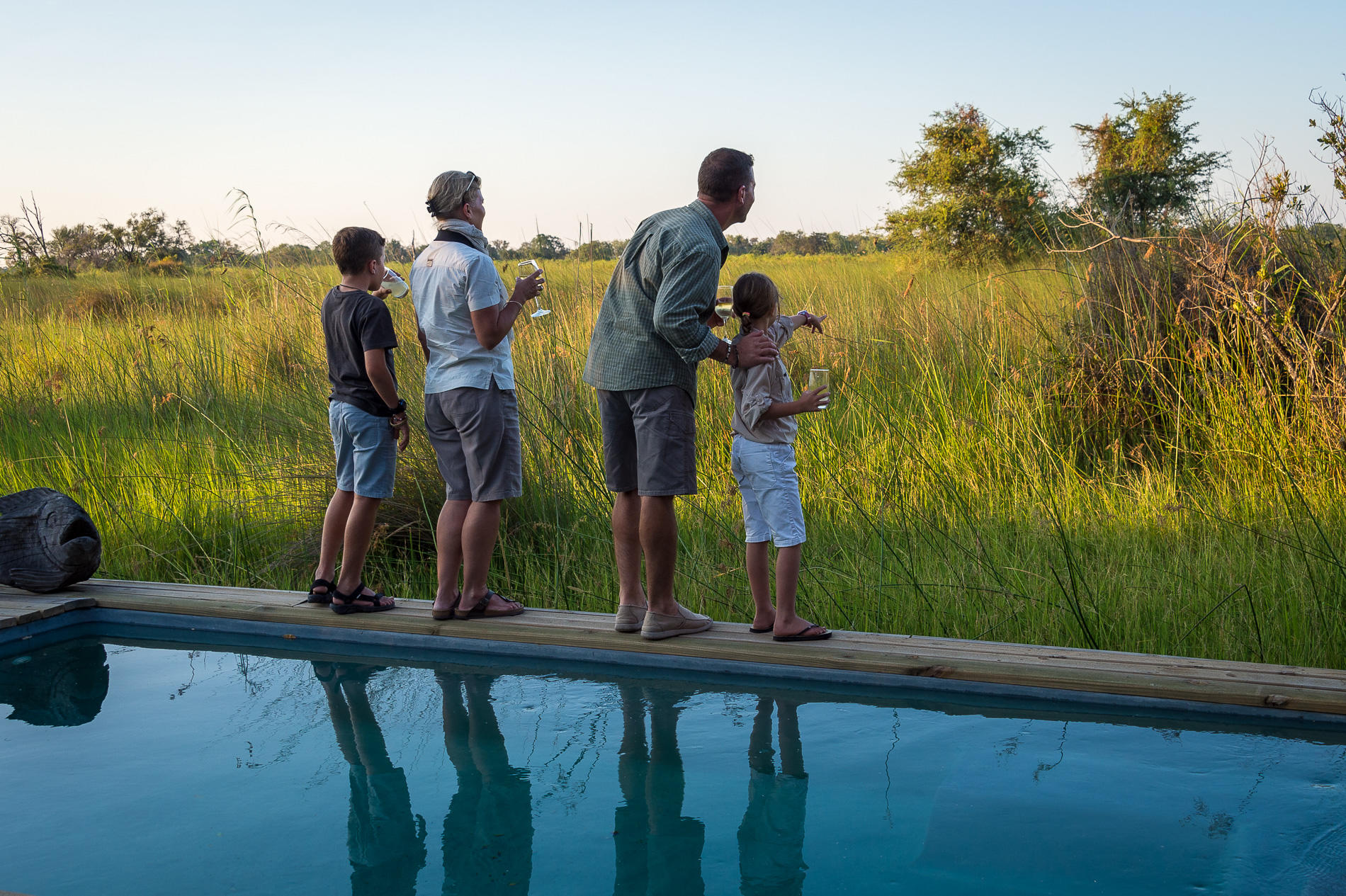
For British families restricted by the school calendar, timing can work surprisingly well. The summer holidays coincide with the dry season across much of southern Africa, when wildlife congregates around increasingly scarce water sources and thinner vegetation can make animals easier to spot. October half term, meanwhile, presents opportunities in destinations such as South Africa, where families can combine the bush with Cape Town.
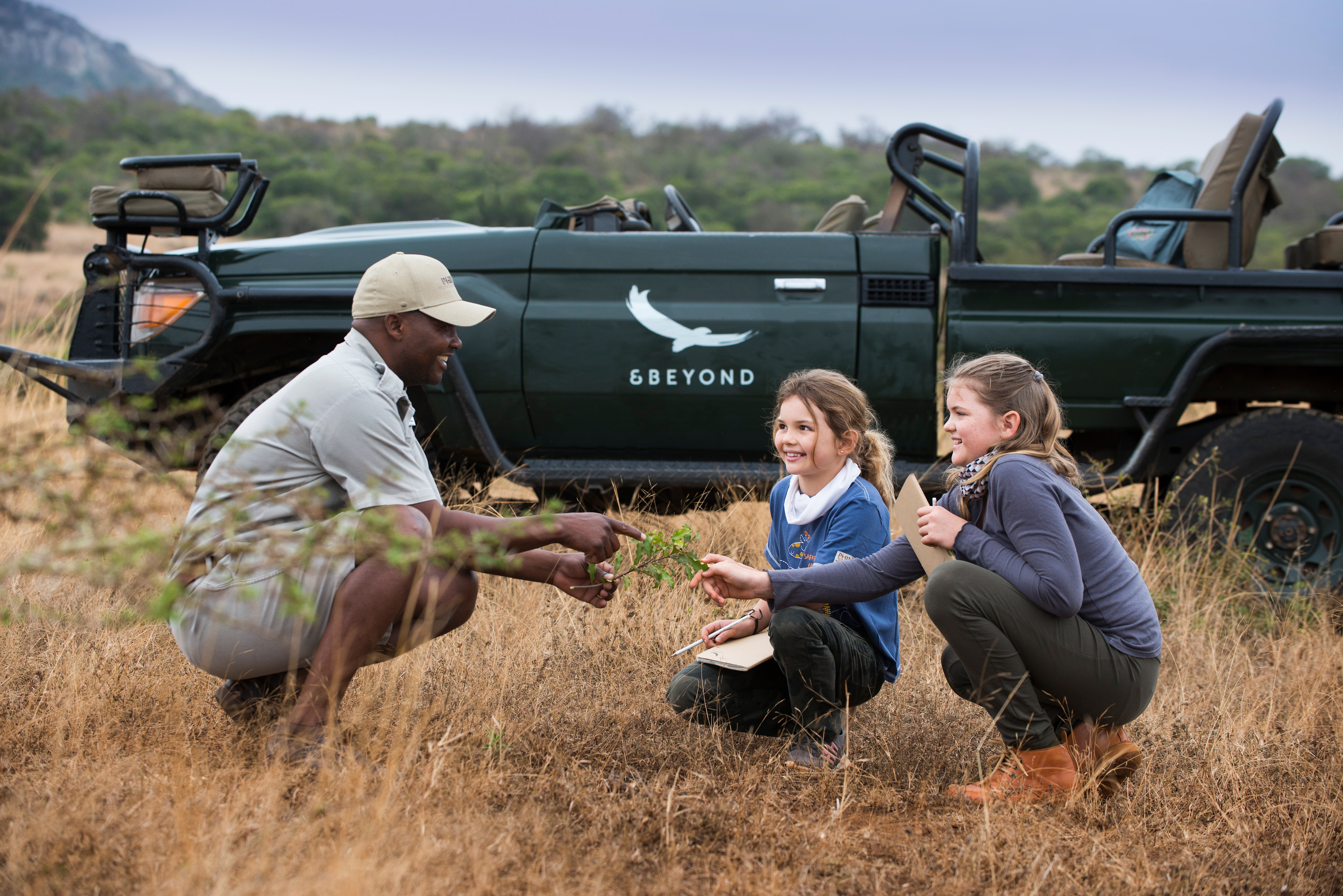
Safari specialist Yellow Zebra Safaris has selected a series of family itineraries across Zimbabwe, Zambia, South Africa and Kenya, arguing that the best family safaris are those that balance serious wildlife encounters with enough variety to keep younger travellers engaged. The emphasis is increasingly on participation rather than passive observation, with children learning to identify animal tracks, exploring the bush with guides and taking part in activities designed to introduce them to conservation and the natural world.
Perhaps the most adventurous of the journeys crosses Zimbabwe and Zambia, beginning in Hwange National Park. Here, the dry season draws wildlife towards waterholes across a landscape of woodland and open savannah, creating opportunities to see large elephant herds, sable antelope and lion prides. From there, a scenic flight takes families to Mana Pools and the Zambezi, where game drives are joined by walking, boating, fishing and canoeing before the journey concludes near Victoria Falls.
It is a considerable departure from the traditional family holiday, and the price reflects that. An eight night journey through Zimbabwe and Zambia starts from £9,109 per person for a family of two adults and two children, including international flights, transfers, meals and scheduled safari activities. Yet for families willing and able to spend at that level, the attraction lies in experiencing something difficult to replicate elsewhere.
South Africa offers a gentler introduction to the safari experience, combining several days in Cape Town with wildlife encounters in the Kruger National Park and Phinda. Beginning in the relative calm of the City Bowl, families can explore Table Mountain and the beaches of Camps Bay and Clifton before travelling into the bush.
At Ngala Safari Lodge, younger guests can take part in a dedicated children's programme alongside conventional game drives, while Phinda offers activities ranging from searching for fossils and making casts of animal tracks to exploring pools in search of frogs. It is an approach designed to prevent the safari from becoming an adult holiday on which children merely happen to be present.
The nine night South African itinerary starts from £8,744 per person, based on two adults and two children travelling together, including flights, transfers, food and scheduled activities. It is perhaps the most accessible of the three journeys for families attempting a safari for the first time, particularly because it combines wildlife with the familiarity and variety of Cape Town.
Kenya, meanwhile, offers perhaps the most complete version of the classic African adventure. After an overnight stay in Nairobi, families travel to El Karama Lodge, where activities include day and night drives, walking, fishing, horse riding and bush school sessions involving cooking, crafts and beadwork.
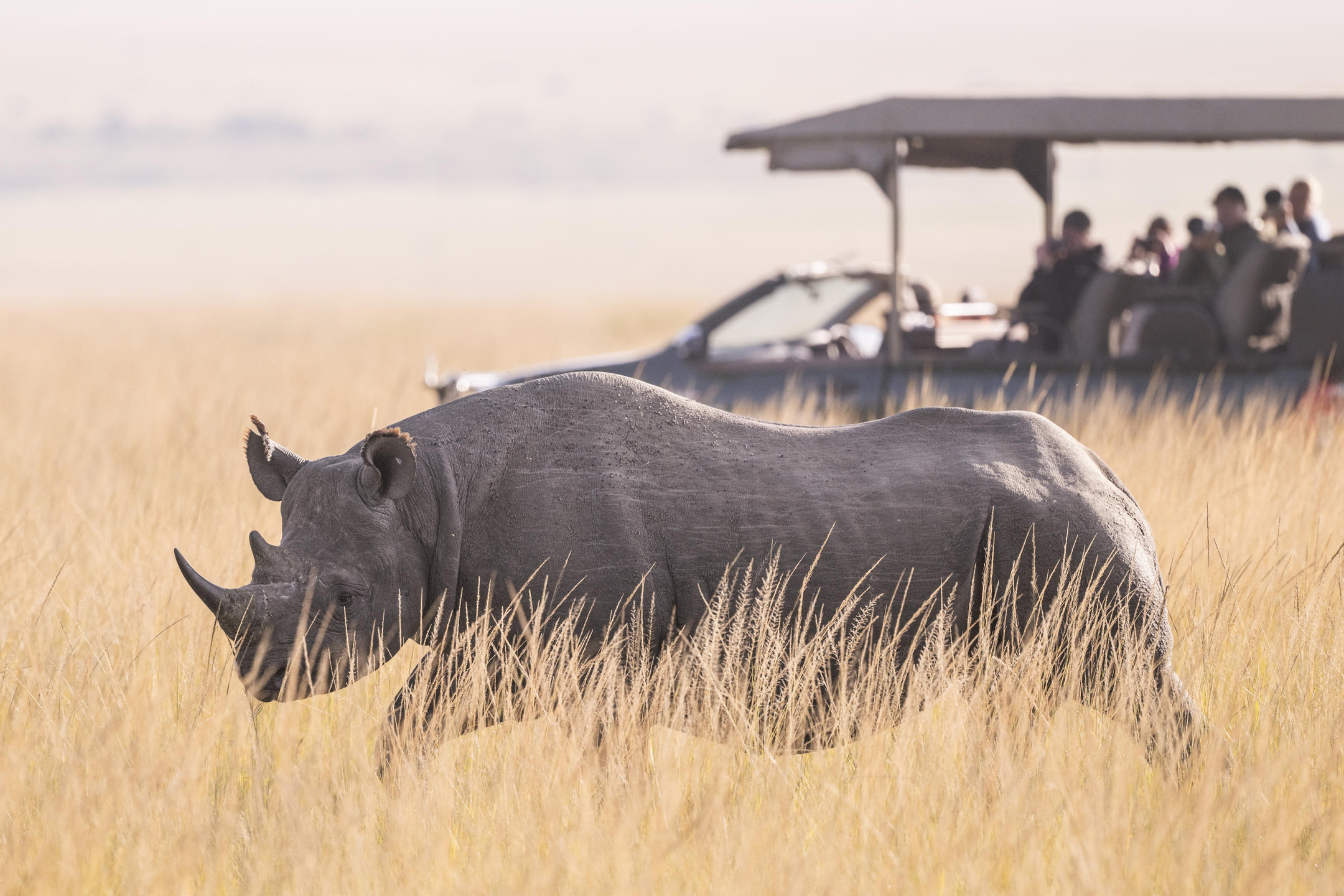
The journey then moves to the Maasai Mara, one of the world's most celebrated wildlife destinations, before concluding on the private island of Manda Bay. Here, safari boots are exchanged for bare feet as families move from grassy plains and the Mara River to golden beaches, mangroves, coral reefs and traditional sailing boats. The ten night itinerary starts from £7,932 per person, again including international flights and based on a family of four.
There are obvious questions surrounding taking children on expensive long haul adventures, particularly when younger travellers may not always appreciate the significance of what they are seeing. Yet advocates of family safaris argue that the opposite is often true. A child may forget the details of a conventional resort, but watching an elephant in the wild, following animal tracks through the bush or seeing a lion for the first time can become the sort of memory that survives well into adulthood.
The traditional beach holiday is unlikely to disappear. For many families, its simplicity remains precisely the point. But for parents looking to give their children something more than a week beside a swimming pool, Africa is increasingly presenting a persuasive alternative. The greatest luxury, after all, may not be the thread count of the sheets or the size of the suite, but returning home with stories the whole family will still be telling years later.
Continue Reading
More Lifestyle
Are British workers keeping their best ideas to themselves?
Inside the London hotel built to handle everything from board meetings to 1,350 guests

Motsi Mabuse swaps the judging panel for a Zumba class in Manchester