The award winning pavilion that was built by the community it serves
Peel Park Pavilion wins two Manchester architecture awards after 100+ volunteers helped build the Little Hulton facility using modular WikiHouse system.
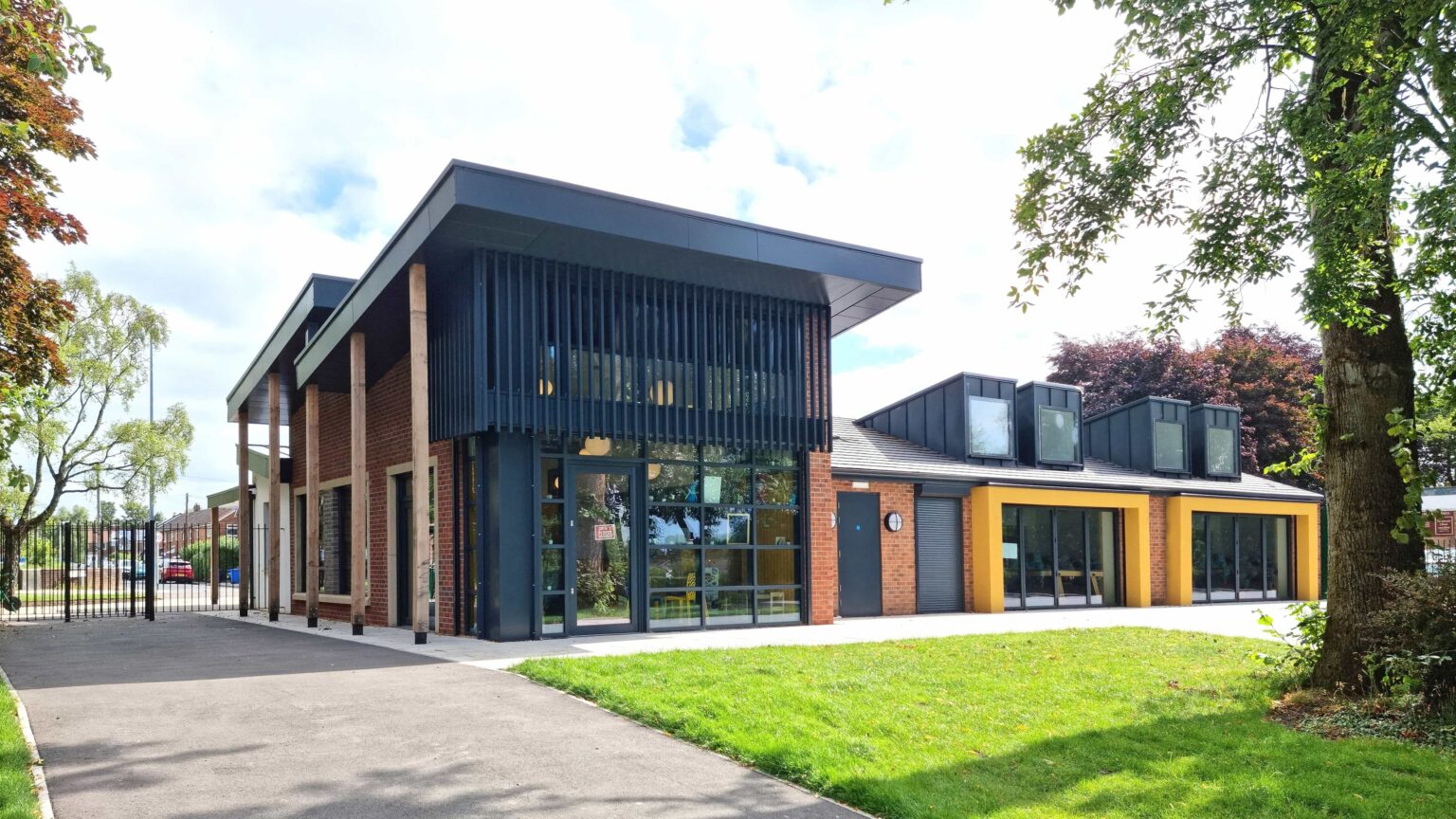
Britain has no shortage of ambitious regeneration projects. Too often, however, they are designed for communities rather than with them. Local people are consulted, plans are approved and builders arrive, leaving residents to inherit a finished building they had little part in creating.
A project in Greater Manchester has taken a markedly different approach, and it has now been recognised with two of the region's highest architectural honours.
Peel Park Pavilion in Little Hulton has won both the Manchester Society of Architects' Best Built Community Project award and the Judges' Choice Design Innovation Award, the latter selected from 110 entries spanning every category of this year's competition. While the building itself has been praised for its sustainable design and innovative construction, it is the way it came into existence that distinguishes it from many contemporary public projects.
Rather than relying solely on professional contractors, the pavilion was built with the direct involvement of the local community. More than 100 volunteers helped during construction, while around 60 pupils from The Lowry Academy and St Edmund's RC School took part in the early stages of the build. Using WikiHouse, a modular timber construction system designed to simplify assembly and reduce carbon emissions, residents became active participants in creating a permanent civic space for their neighbourhood.
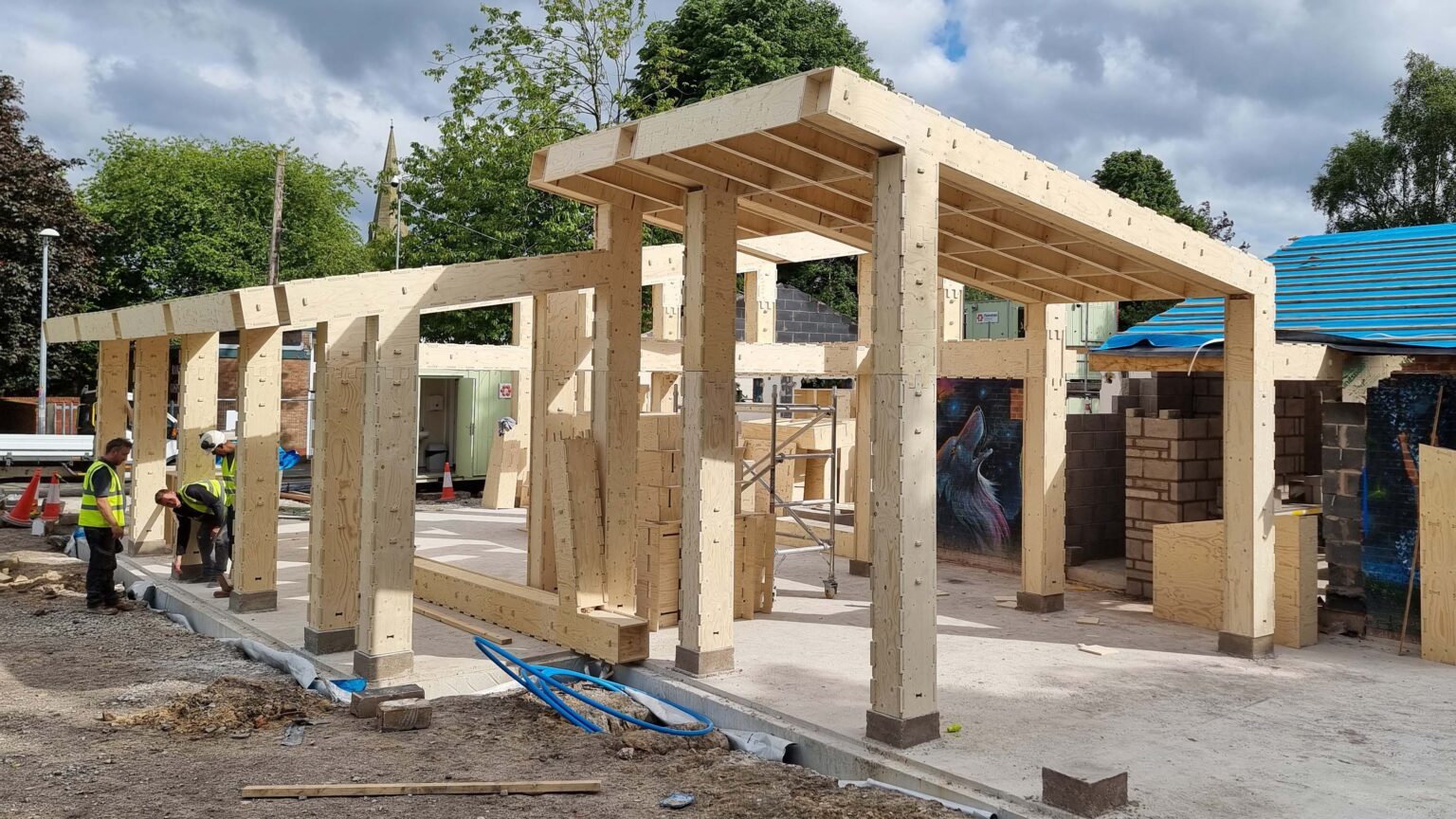
The completed pavilion now serves as the headquarters for CommUNITY Little Hulton, a charity working to improve opportunities for local families, young people and vulnerable residents. The building houses a café, meeting rooms, office space and flexible areas used for youth clubs, food programmes, family support and community activities, replacing an underused park building with a facility intended to become part of everyday life in the area.
The project also highlights a broader debate within British architecture. For decades, architects have wrestled with how to rebuild communities without imposing solutions from outside. Community engagement has become a familiar phrase in planning applications, but genuine participation in the construction process remains comparatively rare. Peel Park Pavilion demonstrates an alternative model, one in which the people who will ultimately use a building also play a role in bringing it into existence.
That approach was central to the vision of Ancoats based practice Architecture Unknown, which is celebrating its tenth anniversary this year. The awards represent significant recognition for a relatively young practice that has built its reputation around sustainable construction and community led design rather than large commercial developments.
The project was first granted planning permission in 2021 before being delayed by the pandemic. Construction eventually began in 2024, with the pavilion opening its doors early the following year. What might have become another delayed public building instead evolved into something that many residents could genuinely describe as their own.
Architecture prizes often celebrate striking landmarks or technically ambitious buildings. Peel Park Pavilion suggests there is another measure of architectural success. Sometimes the greatest achievement is not creating a building that people admire, but one they helped build themselves.
At a time when many communities feel increasingly detached from decisions affecting their neighbourhoods, the Little Hulton project offers a reminder that good architecture is about more than design. It is about giving people a stake in the places where they live, and creating buildings that are shaped not only by architects, but by the communities they are intended to serve.
Continue Reading
More Lifestyle
The Future of Luxury explores how culture, technology and changing values are reshaping the industry
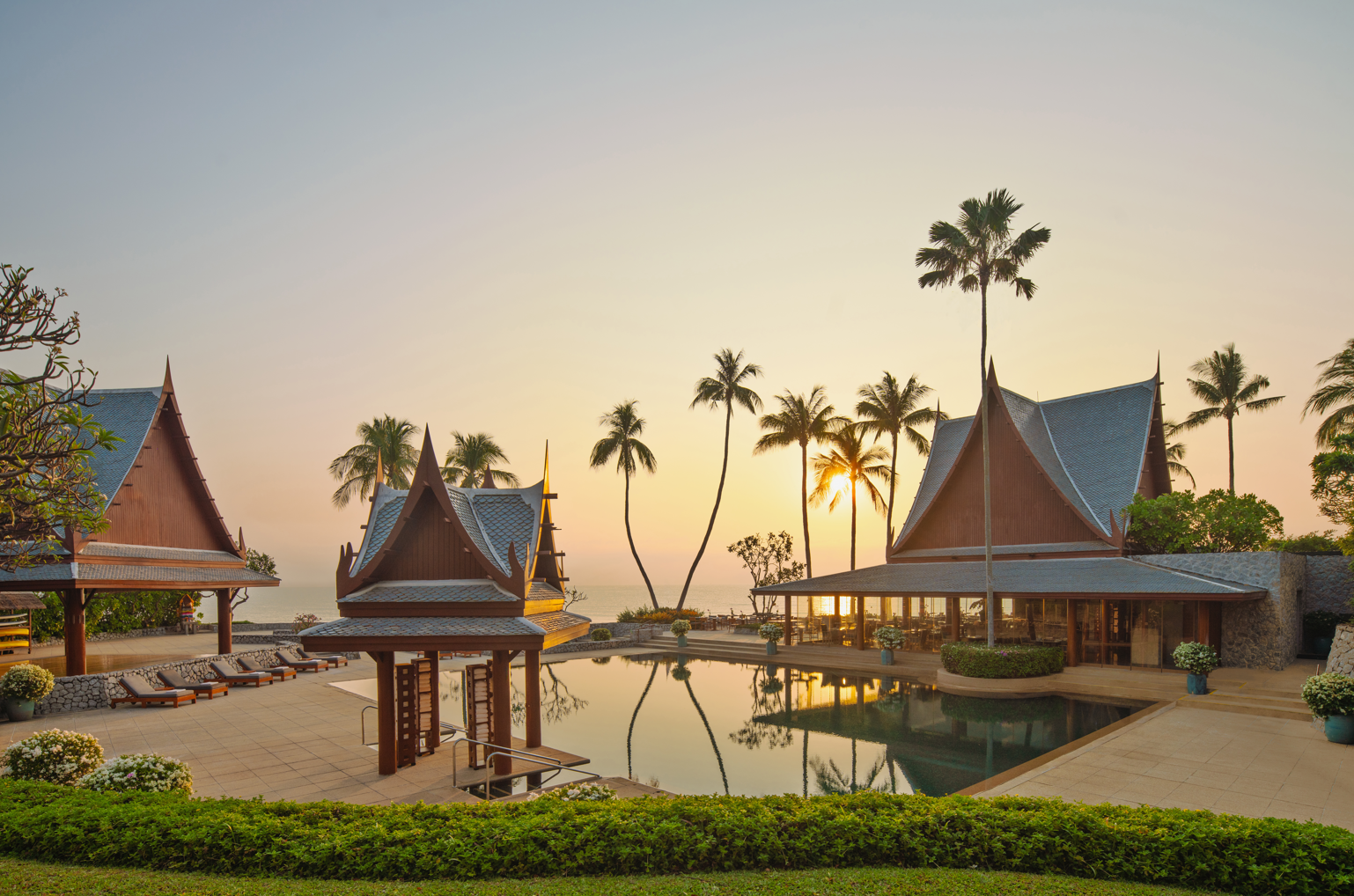
Inside Chiva-Som, the Thai wellness retreat voted the world's best by travellers

The Chicken Worth Crossing Town For: Cocotte Richmond