The luxury travellers helping to bring a shark back from the brink
Luxury guests will pay £500,000 to help reintroduce critically endangered leopard sharks in Indonesia's Raja Ampat, funding satellite tagging and conservation.
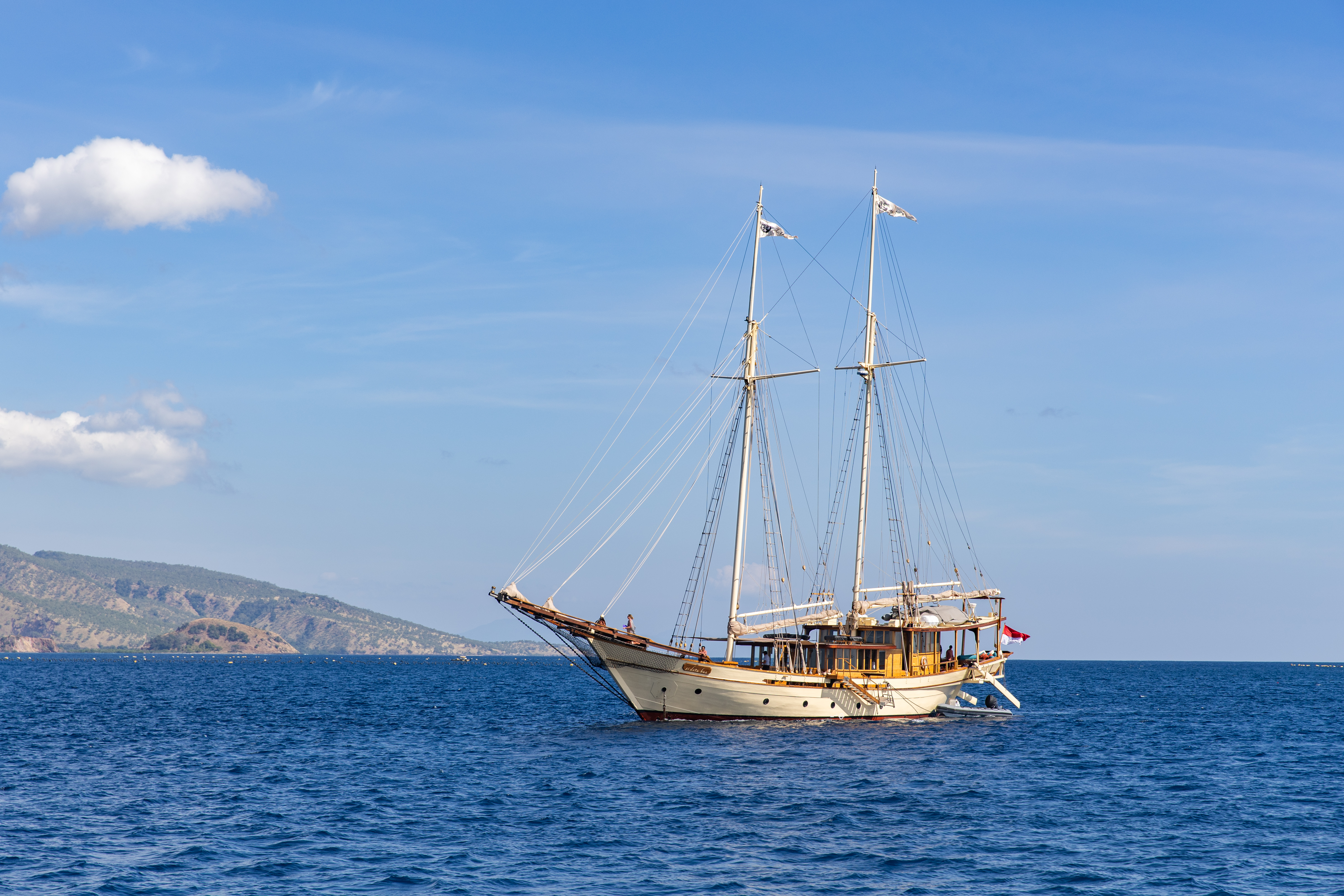
Luxury travel has long sold the promise of exclusivity. Private islands, remote yachts and once in a lifetime experiences have become the hallmarks of the industry's most expensive itineraries. Increasingly, however, affluent travellers are looking for something that extends beyond comfort alone. They want the satisfaction of leaving a destination in a better state than they found it.
That shift is reflected in an unusual new expedition launching in 2027, which will see guests paying almost half a million dollars not simply to explore one of the world's richest marine environments, but to take part in an ambitious effort to restore one of its most endangered predators.

The 10 day voyage through Indonesia's Raja Ampat archipelago has been created by luxury yacht specialist SilolonaSojourns in partnership with Cookson Adventures and conservation organisation ReShark. At its heart is the critically endangered leopard shark, a species that until recently had all but disappeared from the region after decades of overfishing driven by the international shark fin trade.
Only a handful of leopard sharks were thought to remain in Raja Ampat as recently as 2020. Since then, Indonesian conservationists have been attempting one of the world's most ambitious shark reintroduction programmes, breeding juvenile sharks before releasing them into protected waters and monitoring their progress using satellite and acoustic tracking technology. The latest expedition offers visitors the opportunity to witness, and directly support, that work alongside the scientists leading it.
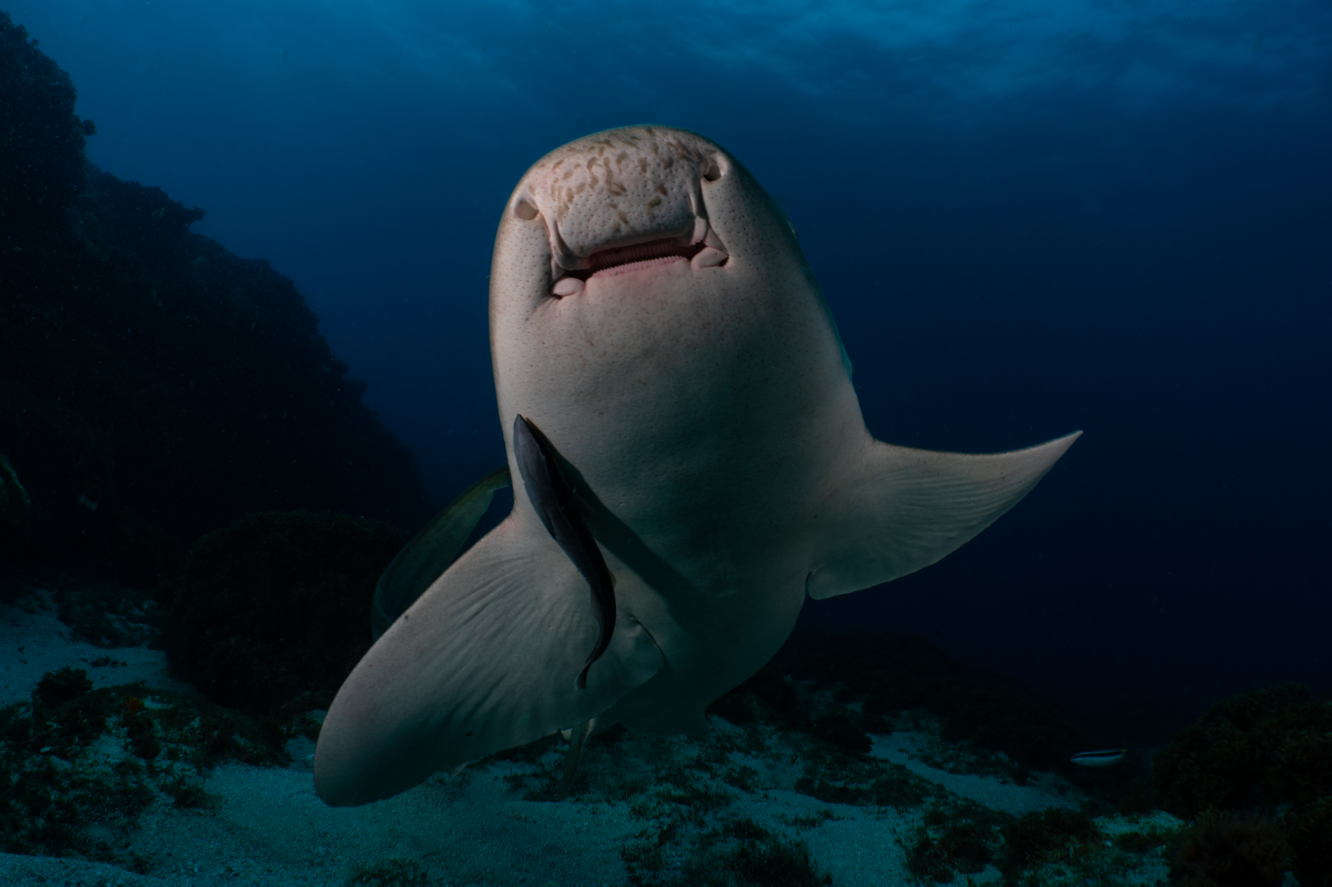
Guests will be accompanied by Dr Mark Erdmann, one of the world's foremost marine conservationists and Executive Director of ReShark, together with programme manager Nesha Ichida. Rather than simply observing research from the sidelines, participants will assist with locating juvenile sharks, visit conservation nurseries, take part in satellite tagging and learn how researchers are attempting to rebuild a population that came perilously close to disappearing altogether.
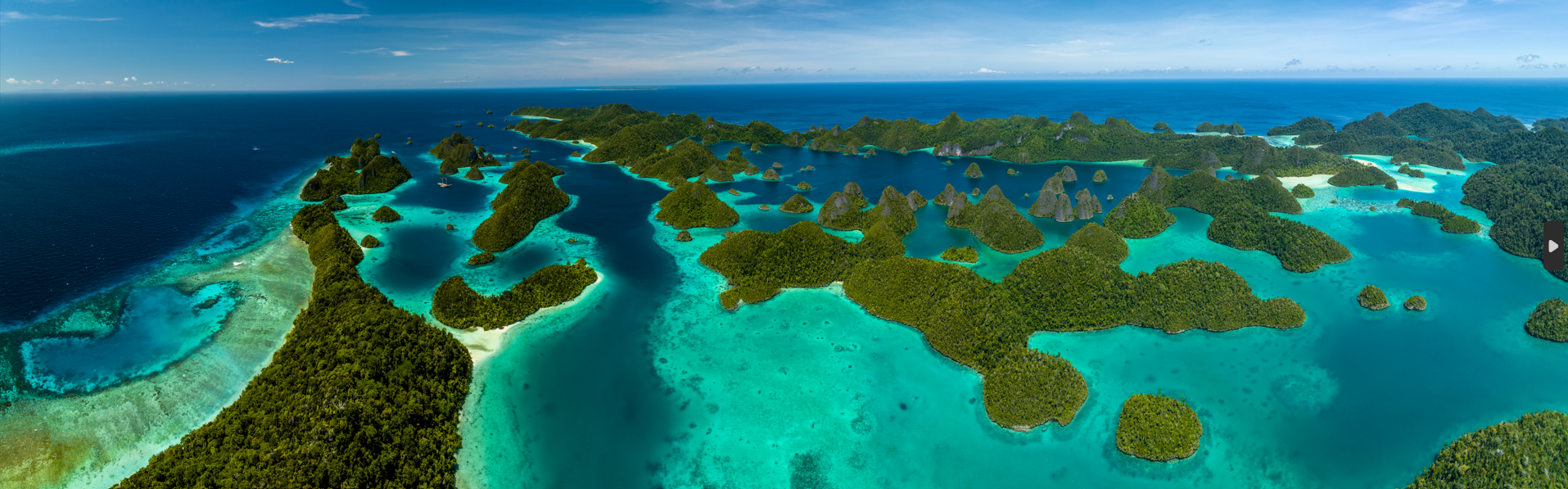
The setting could scarcely be more spectacular. Raja Ampat, an archipelago of more than 1,500 islands off the coast of West Papua, is widely regarded as one of the most biologically diverse marine ecosystems on Earth. Its coral reefs support hundreds of coral species and well over a thousand species of fish, making the region one of the world's most celebrated destinations for divers. Yet its extraordinary biodiversity has also made it vulnerable to overexploitation, with sharks among the species most heavily affected by commercial fishing.
The expedition reflects a broader evolution within high end tourism. Conservation has increasingly become part of the luxury travel proposition, with operators recognising that wealthy travellers are often willing to fund scientific research if it allows them to engage meaningfully with the places they visit. In return, conservation projects receive financial support that might otherwise prove difficult to secure through traditional funding routes.
In this case, participants will help fund the rearing, satellite tagging and eventual release of two leopard shark pups, which they will also have the opportunity to name before following their progress after returning home. A professional film crew accompanying the voyage will produce a wildlife documentary chronicling both the expedition and the wider conservation programme, allowing the story to reach audiences far beyond those fortunate enough to be onboard.
Critics have occasionally questioned whether conservation tourism risks turning environmental protection into another luxury commodity. Supporters counter that such expeditions generate funding, international awareness and political attention for projects that might otherwise struggle to survive. Few would dispute that restoring a species once pushed to the edge of extinction requires both scientific expertise and sustained financial backing.
If successful, the Raja Ampat initiative could become a model for future marine conservation projects, demonstrating that carefully managed tourism can play a constructive role in protecting endangered wildlife rather than threatening it. For those fortunate enough to take part, the journey offers something increasingly rare in luxury travel: the chance to return home knowing the greatest souvenir was not what they brought back, but what they helped leave behind.
Continue Reading
More Lifestyle
The business case for telling the truth

Capella strengthens its grip on the world’s luxury hotel rankings

The young Britons turning social media influence into millions in advertising value