Cape Verde’s Billion-Euro Investment: How Rob Jarrett’s Resort Group Built a Luxury Empire
Rob Jarrett's Resort Group controls 67% of Cape Verde's luxury hotel market after a €1.1bn investment, but UK regulators probe SIPP pension mis-selling claims.
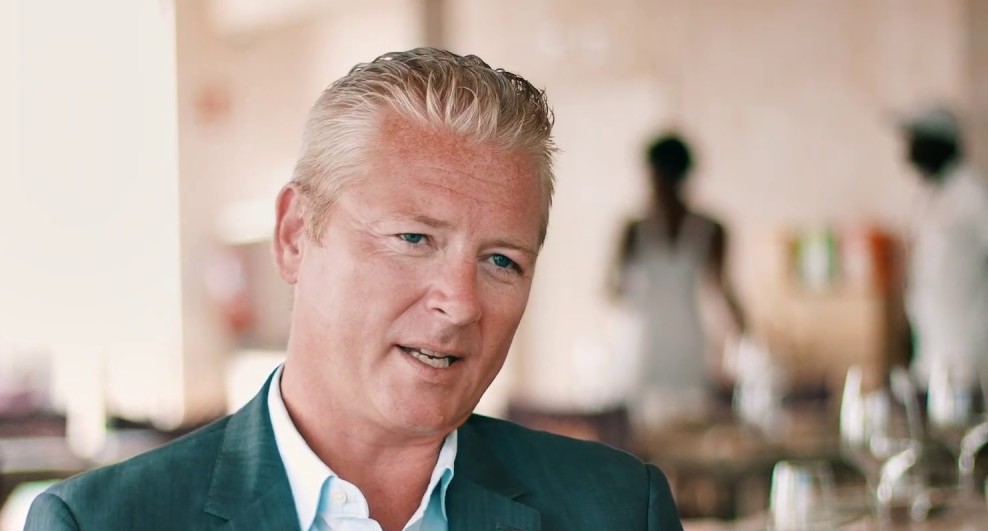
ROB JARRETT
Rob Jarrett’s The Resort Group PLC (TRG) is both a textbook example of bold, high-leverage corporate strategy and whilst also a tale about the regulatory and reputational risks that come with aggressive capital-raising and retail investment structures.
The Resort Group PLC: Vision and Market Creation
The Resort Group PLC is a privately owned, multinational hospitality developer focused on 5-star beach resorts and hotels, primarily in Cape Verde. Founded in 2007, the company positions itself as the market leader in Cape Verde’s luxury resort sector, managing the full development lifecycle from land acquisition and design through construction and operation.
TRG’s resorts include MELIÃ Tortuga Beach, MELIÃ Dunas Beach, Llana Beach Resort & Spa, and TUI Sensimar Cabo Verde, along with branded venues such as Bikini Beach. The group markets three clear revenue streams - hotel operations, real estate sales, and investment products - underpinned by long-term partnerships with major hotel and tour operators.
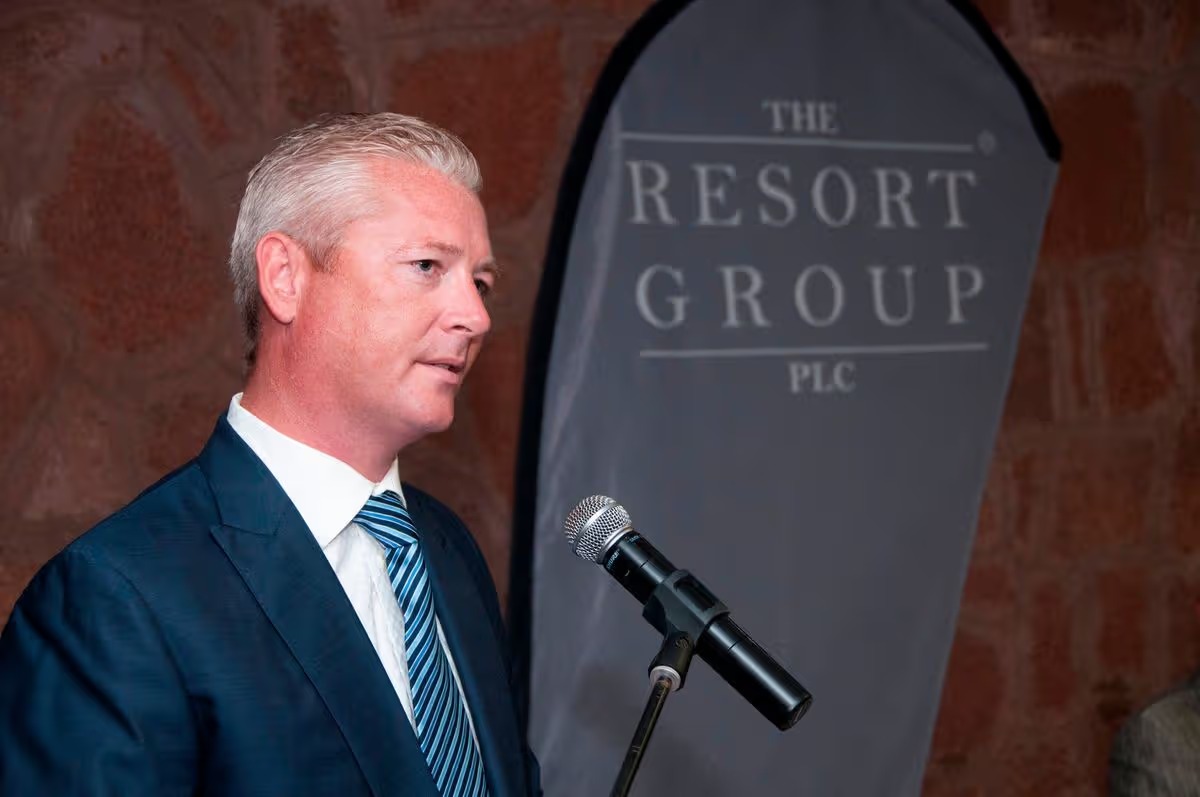
Rob Jarrett: Entrepreneurial Background
Rob Jarrett, founder and Honorary Chairman of TRG, comes from a financial services background in banking and Prudential, with expertise in corporate strategy, sales and distribution, and real estate development. Before TRG, he completed successful development projects in Spain and Canada, which provided both capital and proof of concept for larger hospitality ventures.
Jarrett has publicly framed his success as the product of disciplined strategic planning rather than intuition, emphasizing formal risk analysis tools and precise execution on complex, large-scale developments.
First-Mover Advantage in Cape Verde
Instead of competing in saturated European holiday markets, Jarrett identified Cape Verde - an Atlantic archipelago off West Africa - as an underdeveloped but high-potential tourism destination. TRG moved early to secure prime beachfront land, building out a pipeline of thousands of hotel beds and multiple resorts as tourism numbers rose.
By the early 2020s, TRG reported holding around 67% of the 5-star hotel sector market share in Cape Verde, with more than 5,000 beds and plans to add thousands more, particularly in Boa Vista. This scale made TRG one of the country’s largest private employers, second only to the state, and a significant player in Cape Verde’s broader tourism-led economic development.
High-Leverage Financing and Scaling Jarrett’s corporate story is marked by the use of substantial leverage and externally sourced capital to accelerate growth. He has described borrowing very large sums at a relatively young age to fund major holiday developments, using profits from earlier Spanish and Canadian projects to reinvest into Cape Verde mega-resorts.
TRG’s Cape Verde investment program has been described in company communications as reaching around €1.1-€1.25 billion, spanning multiple islands and resort projects. The group also marketed structured investment products - such as fractional ownership of hotel rooms and corporate bonds - promising returns largely based on rental income and capital appreciation.

Analytical Strategy: PEST and Execution Discipline
In interviews and corporate material, Jarrett emphasizes formal strategic analysis using frameworks like PEST (Political, Economic, Social, Technological) and SWOT to assess regional risk before committing to large-scale projects. The idea is that “guesswork” is replaced by systematic evaluation of regulatory conditions, macroeconomic trends, social dynamics, and infrastructure before breaking ground.
TRG also promotes its track record of delivering resorts “on time, on budget and to plan” as a core competency, arguing that the value of strategy is only realized when supported by rigorous operational metrics and disciplined project delivery.
Strategic Alliances with Hospitality Giants A cornerstone of TRG’s business model is partnering with global hotel and travel brands rather than operating resorts under its own standalone consumer brand. Key partners have included Meliá Hotels International and TUI Group, among others, who take on brand management and international distribution.
These alliances are designed to create a “symbiotic demand loop”: TRG delivers the physical asset and destination, while established operators route international customers, generate occupancy, and underpin rental revenues and investment returns.
Alternative Funding and SIPP Pension Controversies
The most contentious aspect of TRG’s story lies not in its building program, but in how investments were sold to UK retail investors via Self Invested Personal Pensions (SIPPs). Independent financial advisers marketed TRG investments - whole hotel rooms, fractional room shares, and bonds - as SIPP-eligible, often highlighting advertised returns of up to around 18-21% over three years.
TRG itself is an unregulated investment product, meaning the scheme is not directly covered by the Financial Ombudsman Service or the Financial Services Compensation Scheme (FSCS). However, many advisers who recommended TRG to retail clients subsequently failed under regulatory and financial pressure, triggering FSCS claims against the advisers for alleged mis selling.
By late 2020, FSCS reported hundreds of claims relating to TRG investments and had paid out several million pounds in compensation against advisers who went bust after recommending the product. The Financial Conduct Authority (FCA) launched an investigation into the sale of TRG investments in 2017, which has been described in public sources as ongoing years later. Regulatory Scrutiny and Reputational Impact Complaints and legal actions have focused on whether TRG was suitable for average retail pension investors, given its high-risk, illiquid nature and dependence on a single emerging market. Some investors have reported receiving far less income than they were led to expect, while being unable to readily exit their holdings or avoid ongoing charges.
Media coverage and claims firms now highlight TRG as a significant case in UK pension mis selling, where high-yield offshore real estate schemes collided with mainstream retirement savings advice. While TRG has maintained that FSCS claims are against advisers rather than the product provider, this episode demonstrates how aggressive, alternative funding strategies can produce long tail reputational and regulatory challenges beyond core operations.

Corporate Social Responsibility and Local Impact
Alongside commercial expansion, Jarrett has promoted TRG’s role in Cape Verde’s social and economic development. The company created the Cape Verde Foundation to support local communities through fundraising and donations, and it stresses that thousands of its employees are Cape Verdean nationals.
TRG also positions venues like Bikini Beach as part of a broader effort to create destination “super brands” that can be replicated within Cape Verde and potentially in other tourism regions such as the Caribbean. This narrative of long-term commitment to Cape Verde aims to balance investor-focused messaging with nation-building and social contribution.
Continue Reading
More Lifestyle
HBO Max Lights UP Oxford Street With A Spellbinding Harry Potter Themed Christmas Takeover

THE OCTOBER BEAUTY EDIT

The Future of Luxury explores how culture, technology and changing values are reshaping the industry