When everyday objects become art: Berlin exhibition explores the hidden lives of the things we own
Kaspar Müller transforms market stalls, glass bongs and cast tulips into art at Berlin's Société gallery, questioning how everyday objects accumulate meaning.
SOCIÉTÉ PRESENTS BOUTIQUE SOCIÉTÉ × TREASURES OF MEMORY 2 | A SOLO EXHIBITION BY KASPAR MÜLLER
Every object tells a story, but few of us stop to consider how that story is written. A market stall, a glass bong, a camping tent or a tulip can seem entirely ordinary until they are removed from their everyday setting and placed in a gallery. Stripped of their practical purpose, they become something else: symbols of aspiration, memory, consumerism and value.
That idea sits at the heart of a new exhibition by the Swiss artist Kaspar Müller, opening this summer at Berlin's Société gallery. Boutique Société × Treasures of Memory 2 transforms familiar objects into works of art, inviting visitors to question not simply what they are looking at, but why certain possessions accumulate emotional, cultural and even financial significance over time.
Müller has built his reputation by exploring the uneasy relationship between everyday life and material culture. Rather than producing grand sculptures or monumental installations, he focuses on objects that most people would walk past without a second glance, presenting them in carefully choreographed arrangements that encourage viewers to reconsider their assumptions about value, authenticity and ownership.
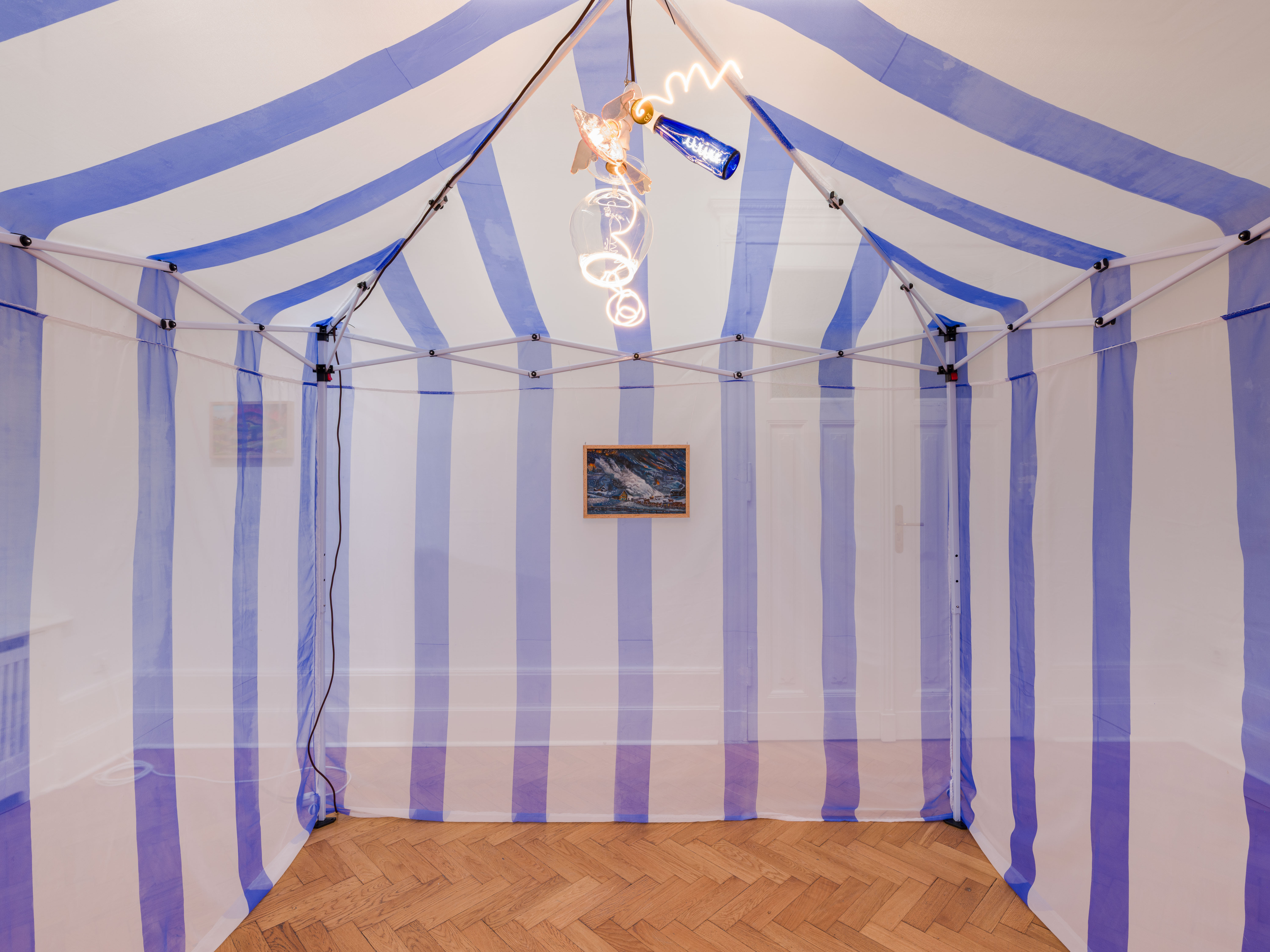
The exhibition's centrepiece consists of two temporary pavilion structures, more commonly associated with market stalls, trade fairs or garden parties than contemporary art galleries. Installed indoors and draped in brightly painted fabrics, they blur the boundary between retail space, exhibition hall and theatrical stage. What might ordinarily be dismissed as functional architecture becomes part of the artwork itself, asking where commerce ends and culture begins.
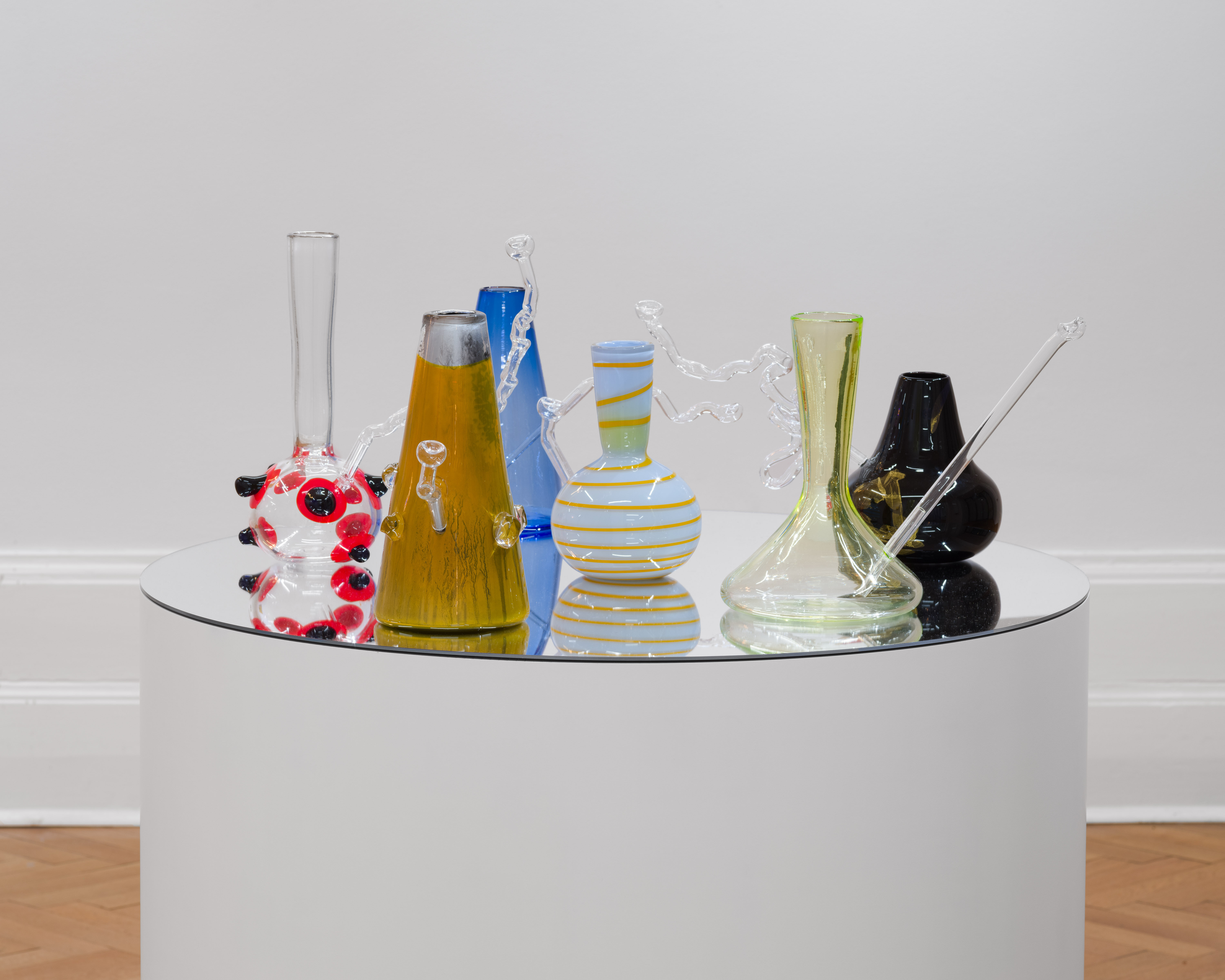
Within these structures, Müller assembles an eclectic collection of objects that appear simultaneously familiar and unsettling. Hand blown glass bongs rotate slowly on a pedestal, elevated from utilitarian objects to handcrafted sculptures. Cast aluminium tulips rest on miniature paint splattered chairs, drawing together Dutch art history, modern manufacturing and the speculative frenzy of the 17th century tulip market, often regarded as one of history's first financial bubbles. Lamps, meanwhile, illuminate the space with the warm glow of a domestic interior, further dissolving the distinction between gallery, home and shop.
The exhibition arrives at a moment when questions surrounding authenticity have become increasingly urgent. In an age of online marketplaces, luxury branding and digital consumption, the value of an object is often determined as much by perception as by craftsmanship or utility. Müller's work examines precisely that tension, suggesting that objects become repositories for memory, aspiration and identity long after their practical function has faded.
That fascination extends into his paintings, where memory itself becomes unstable. Rather than relying solely on personal recollection, Müller fed fragments of his own childhood into artificial intelligence image generation software, using memories of his father's antiquarian bookshop, his neighbourhood and youthful experiences to produce images that are simultaneously intimate and anonymous. The resulting works occupy an ambiguous space between autobiography and machine interpretation, raising questions about whether artificial intelligence preserves memory or quietly rewrites it.
Berlin has become one of Europe's leading centres for contemporary art precisely because it continues to encourage artists willing to test conventional ideas about culture and value. Müller's exhibition sits comfortably within that tradition. It does not offer straightforward answers or dramatic spectacle. Instead, it asks viewers to look again at the objects that surround them every day and consider how meaning accumulates through memory, commerce and time.
In an increasingly digital world, where possessions are often replaced by subscriptions, algorithms and virtual experiences, Boutique Société × Treasures of Memory 2 offers a timely reminder that physical objects continue to shape how we understand ourselves. What we collect, display and cherish says as much about our society as it does about our personal histories, and Müller's quietly provocative exhibition suggests those stories are often hidden in plain sight.
Continue Reading
More Art & Design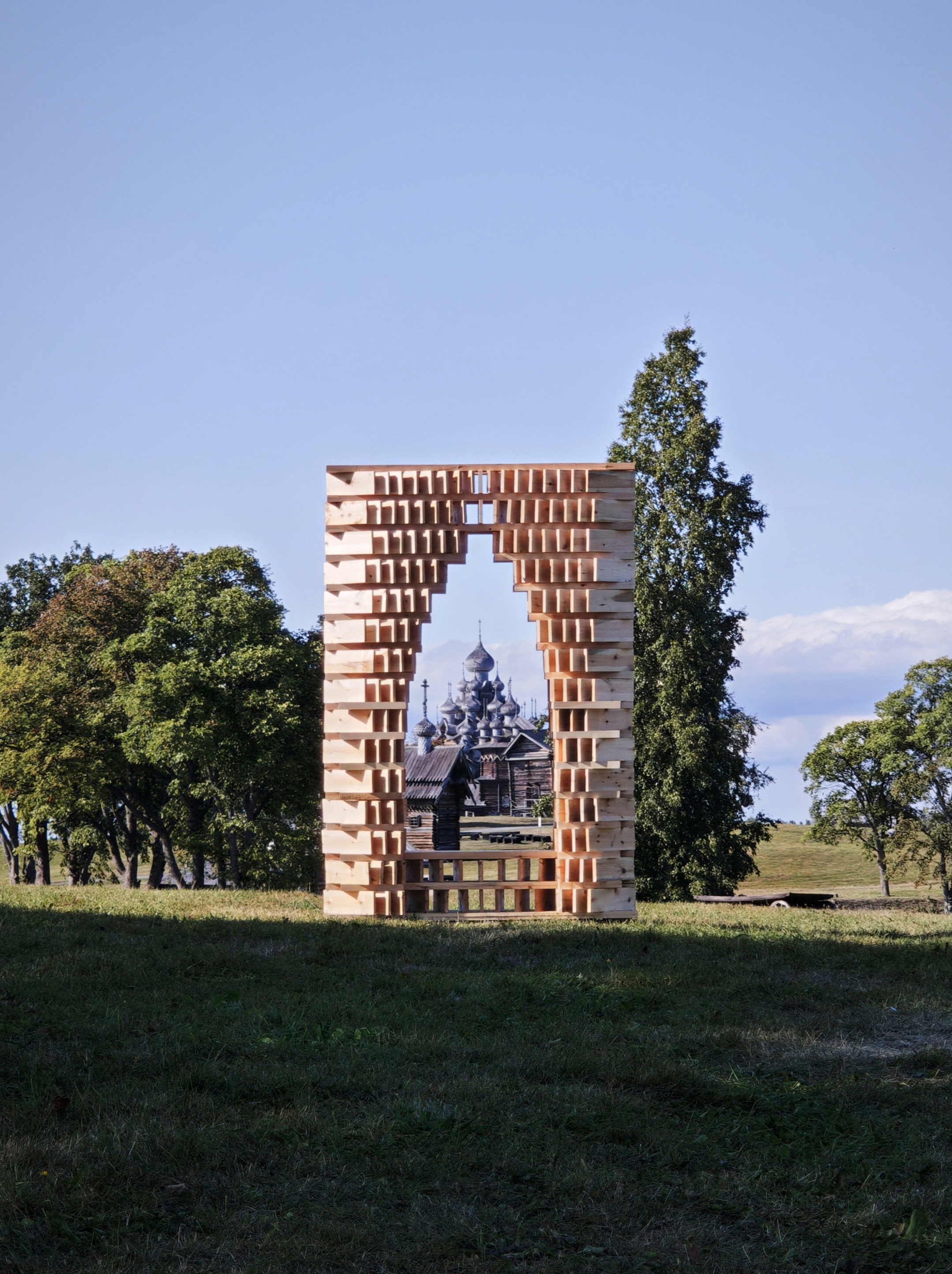
The wooden frame changing the view of one of Russia’s great architectural monuments
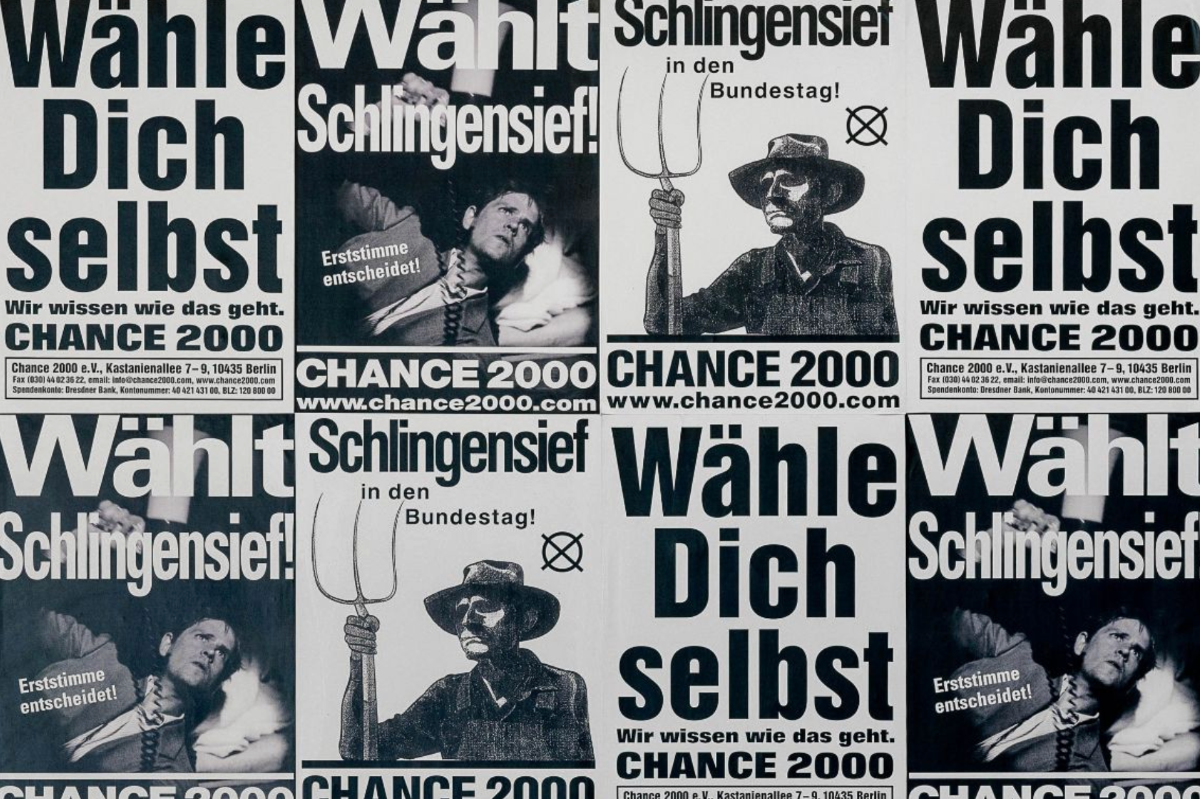
Christoph Schlingensief’s art was never meant to make its audience comfortable
Josie Ryan paints the wildlife she refuses to let us forget