Duncan Grant exhibition explores how queer life has changed and how much has remained the same
Duncan Grant's rarely seen intimate drawings go on public display at Firstsite, alongside contemporary artists examining queer connection from coded encounters to dating apps.
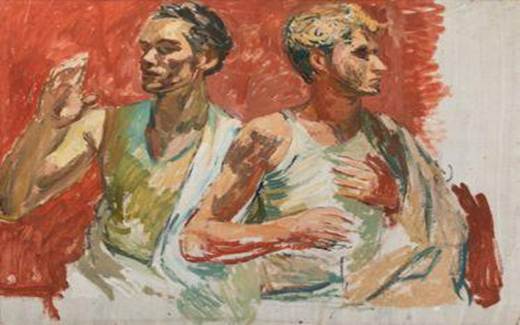
Duncan Grant
For much of the 20th century, queer relationships existed largely beyond public view. Friendship, romance and desire were often expressed through coded language, private artworks or discreet encounters, shaped as much by legal restrictions as by social convention. Today, the landscape has been transformed by social media, dating apps and changing public attitudes, yet questions of identity, belonging and human connection remain strikingly familiar.
A new exhibition at Firstsite in Colchester sets out to examine that continuity across more than a century of British cultural life.
Worlds Through Desire: From Drawing to Cruising to DMs centres on the work of Duncan Grant, one of Britain's most accomplished modernist artists and a leading figure of the Bloomsbury Group. Alongside more than 35 works by Grant, the exhibition brings together contemporary artists whose work examines how queer communities have evolved from hidden physical meeting places to digital spaces where relationships, friendships and identities are increasingly formed online.
Grant provides an appropriate starting point. Best known for his paintings, decorative work and contribution to the Bloomsbury Group, he also produced an extraordinary body of intimate drawings, many inspired by his relationships with men at a time when homosexual acts remained criminal offences in Britain. Some were gifted privately to friends and lovers, while others remained unseen for decades because their explicit nature carried significant legal and social risks.
Several of those rarely exhibited works will now be shown publicly, offering visitors an insight into an aspect of Grant's artistic practice that remained largely hidden throughout his lifetime.
Rather than presenting these drawings simply as historical artefacts, the exhibition places them in conversation with contemporary artists exploring many of the same themes through very different means. Works by Jean Claracq, Jonathan Lyndon Chase and David Lock examine how digital platforms, dating applications and social media have reshaped the ways people present themselves, seek companionship and build communities in the 21st century.
The contrast reflects a profound cultural shift. Previous generations often relied upon coded signals, shared public spaces and artistic circles to find others like themselves. Today, smartphones have replaced many of those physical meeting places, allowing relationships to begin with a profile rather than a chance encounter. Technology has undoubtedly broadened opportunities for connection, while introducing new questions around identity, appearance and authenticity.
The exhibition avoids presenting this evolution as straightforward progress. Instead, it suggests that while the methods of meeting have changed dramatically, many of the underlying human experiences have not. Loneliness, attraction, friendship, mentorship and the search for acceptance continue to shape lives regardless of the era in which they occur.
It is also a reminder of the enduring role art has played in documenting lives that were often overlooked by mainstream history. Grant's work offers more than a personal record of desire. It captures a period when artistic communities provided spaces in which individuals could express identities that wider society refused to acknowledge openly.
By bringing together artists working almost a century apart, Firstsite invites visitors to consider how changing laws and technology have altered the experience of queer life without necessarily changing the emotional questions at its heart.
In doing so, Worlds Through Desire becomes more than an exhibition about sexuality. It is an examination of how people seek intimacy, belonging and understanding across generations, and of the ways art continues to record those experiences long after the societies that shaped them have changed.
Continue Reading
More Art & Design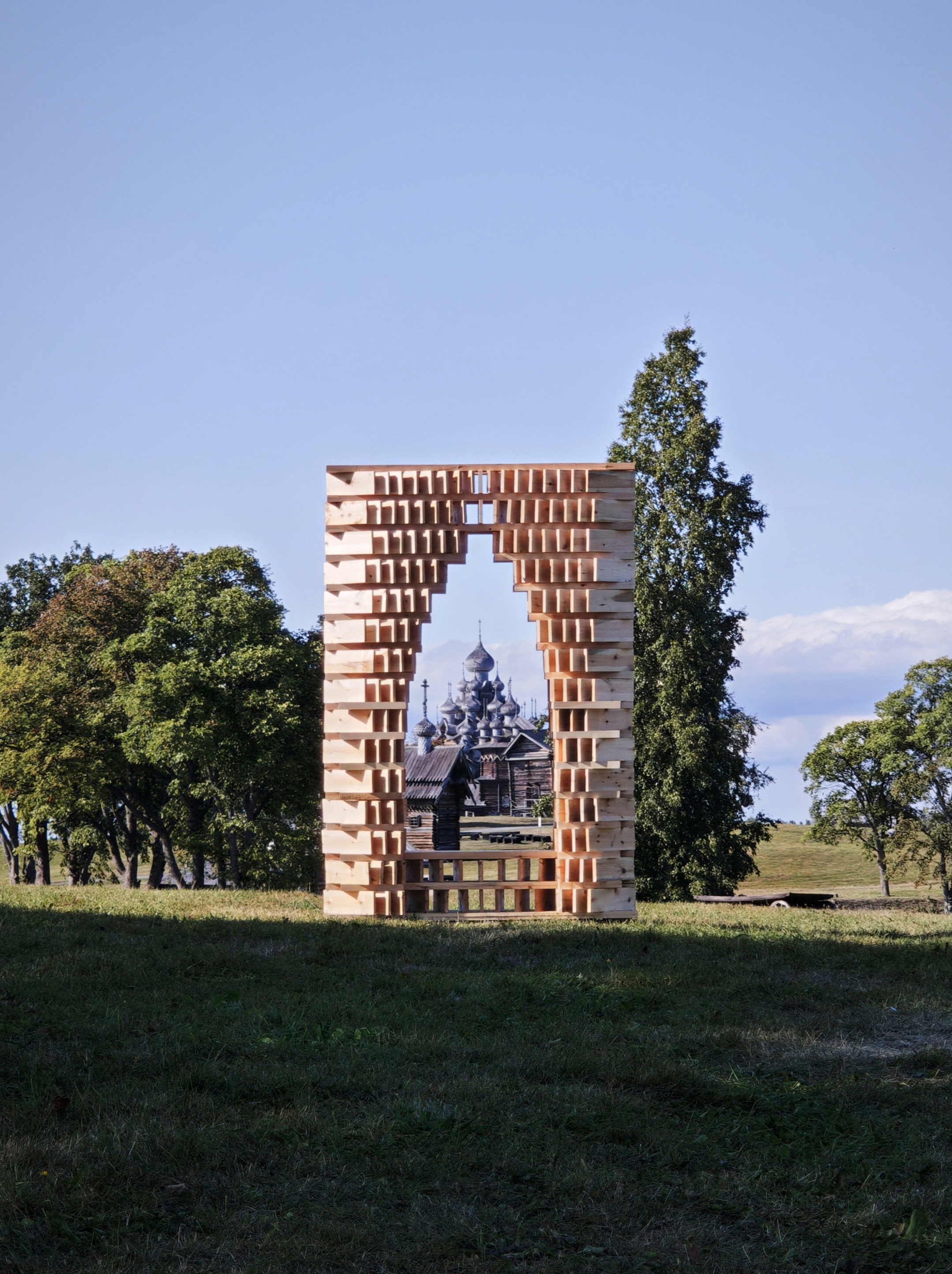
The wooden frame changing the view of one of Russia’s great architectural monuments

Christoph Schlingensief’s art was never meant to make its audience comfortable

Josie Ryan paints the wildlife she refuses to let us forget