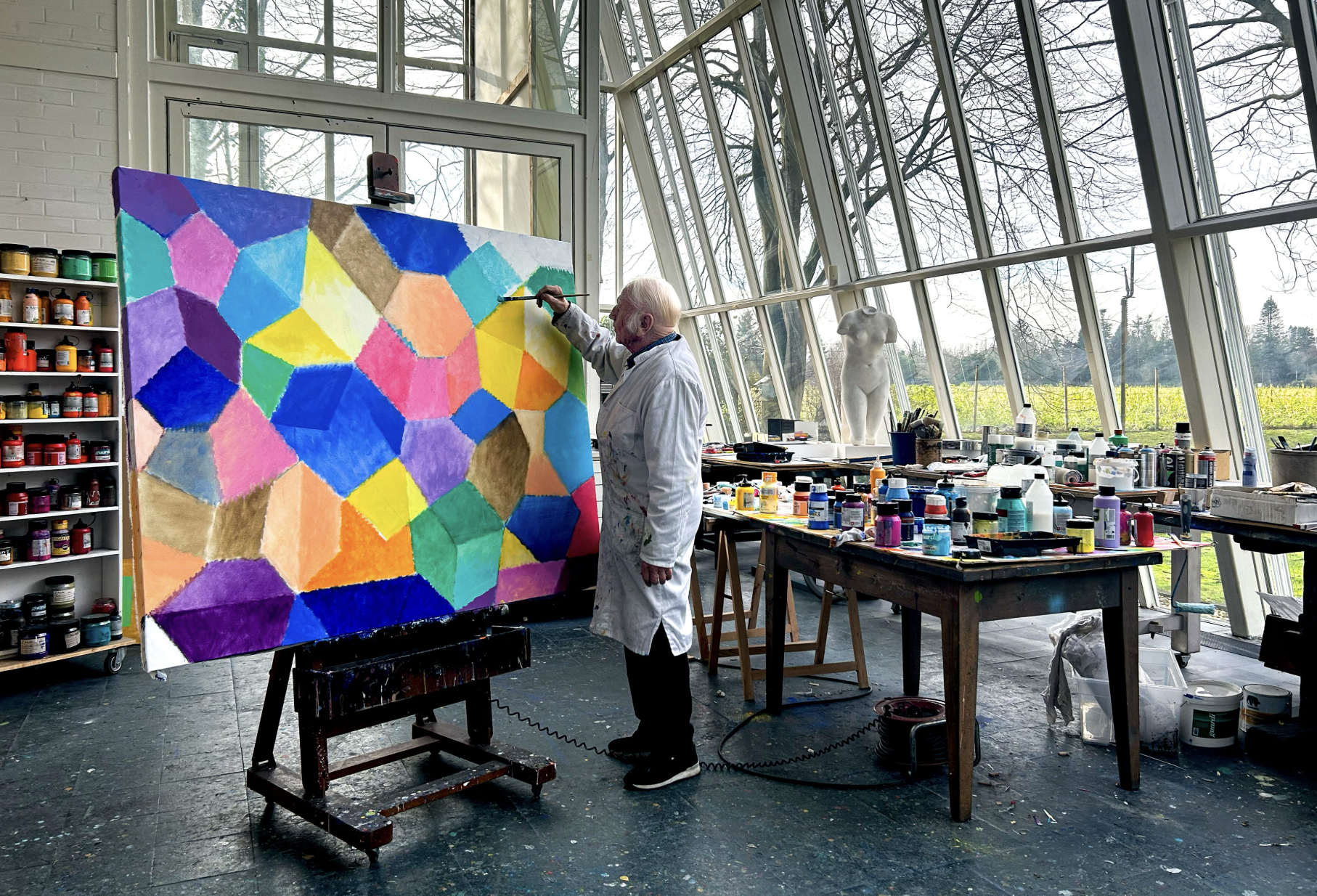
The forgotten art of egg tempera is finally getting its moment
Russell Cotes Art Gallery stages major egg tempera revival exhibition featuring 70 works by 40 artists, from Pre-Raphaelites to Modernists.
Before oil paint transformed European art, the greatest painters of the Renaissance relied on something far more humble.
The shimmering surfaces of Botticelli's The Birth of Venus, the devotional works of Duccio and the early paintings of Michelangelo all owe their distinctive brilliance to egg tempera, a painstaking mixture of egg yolk, water and pigment that dominated Western painting for centuries. When oil painting became the preferred medium during the 16th century, however, the technique gradually slipped into obscurity, surviving only in specialist circles while generations of artists embraced the greater flexibility of oils.
A major exhibition opening next year at Bournemouth's Russell Cotes Art Gallery & Museum argues that the story did not end there. Instead, it contends that egg tempera experienced an extraordinary revival from the late Victorian period onwards, attracting artists determined to rediscover both the discipline and luminosity that had defined Renaissance painting.
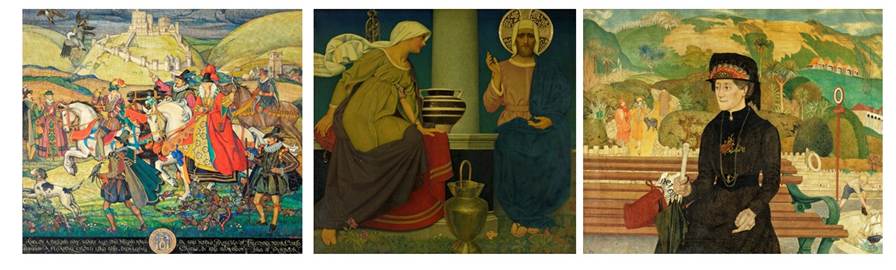
Golden Glory: The Egg Tempera Revival will bring together more than 70 works by 40 artists, examining how an ancient technique found renewed relevance during a period of profound artistic change. Drawing on public and private collections from across Britain, the exhibition explores a movement that stretched from the Pre Raphaelites and the Arts and Crafts movement through to Modernism, Surrealism and abstraction, demonstrating that egg tempera proved far more adaptable than its medieval origins might suggest.
At the heart of the exhibition lies an argument that runs counter to conventional art history. The late 19th century is often remembered as an age of industrialisation, experimentation and new artistic movements looking towards the future. Yet many painters looked backwards, convinced that the craftsmanship of the Renaissance offered lessons modern artists had forgotten. Egg tempera demanded patience, precision and technical mastery, qualities that appealed to artists seeking permanence in an increasingly mechanised age.
One of the exhibition's central figures is Christiana Herringham, the artist, scholar and suffragist whose translation of Cennino Cennini's 14th century treatise on egg tempera played a crucial role in reviving interest in the medium. Her painstaking copies of Italian Renaissance masterpieces helped preserve techniques that had all but disappeared from artistic practice, while her own paintings demonstrated that egg tempera remained a living rather than purely historical discipline.
The exhibition also celebrates Joseph Southall, perhaps the greatest British champion of egg tempera during the 20th century. A leading member of the Birmingham Group and an important figure within the Arts and Crafts movement, Southall embraced the medium not out of nostalgia but because he believed its jewel like clarity and remarkable durability could not be replicated by oil paint. His meticulously crafted biblical scenes and portraits became among the defining works of Britain's tempera revival, inspiring a generation of artists to follow his example.
Women artists, whose contribution to the movement has often received less attention than that of their male contemporaries, are another major focus. Alongside Herringham, visitors will encounter works by Marianne Stokes, Mary Sargant Florence, Margaret Gere and several lesser known painters whose rediscovery reflects a broader reassessment of British art during recent decades. Their inclusion suggests the tempera revival was as much a story of overlooked artistic voices as of technical innovation.
The Russell Cotes is a fitting venue for such a reassessment. Its former curator, Norman Silvester, became one of the technique's most passionate advocates, organising exhibitions during the 1930s and 1940s and even encouraging artists to persevere with egg tempera during wartime shortages, when eggs themselves had become a rationed commodity. His efforts helped establish Bournemouth as an unlikely centre for the movement, bringing together artists united by a shared fascination with one of painting's oldest surviving techniques.
What makes the exhibition especially compelling is that it does not present egg tempera simply as a historical curiosity. Contemporary artists continue to embrace the medium, drawn by its luminosity, precision and permanence at a time when much modern art is increasingly digital or ephemeral. In doing so, they demonstrate that techniques developed hundreds of years ago can still offer creative possibilities for artists working in the 21st century.
In an age captivated by technological innovation, Golden Glory offers a reminder that artistic progress is rarely a straightforward march towards the new. Sometimes the most significant discoveries come from looking backwards, rediscovering forgotten methods and recognising that the materials which once produced some of Europe's greatest masterpieces may still have something important to say today.
Continue Reading
More Art & Design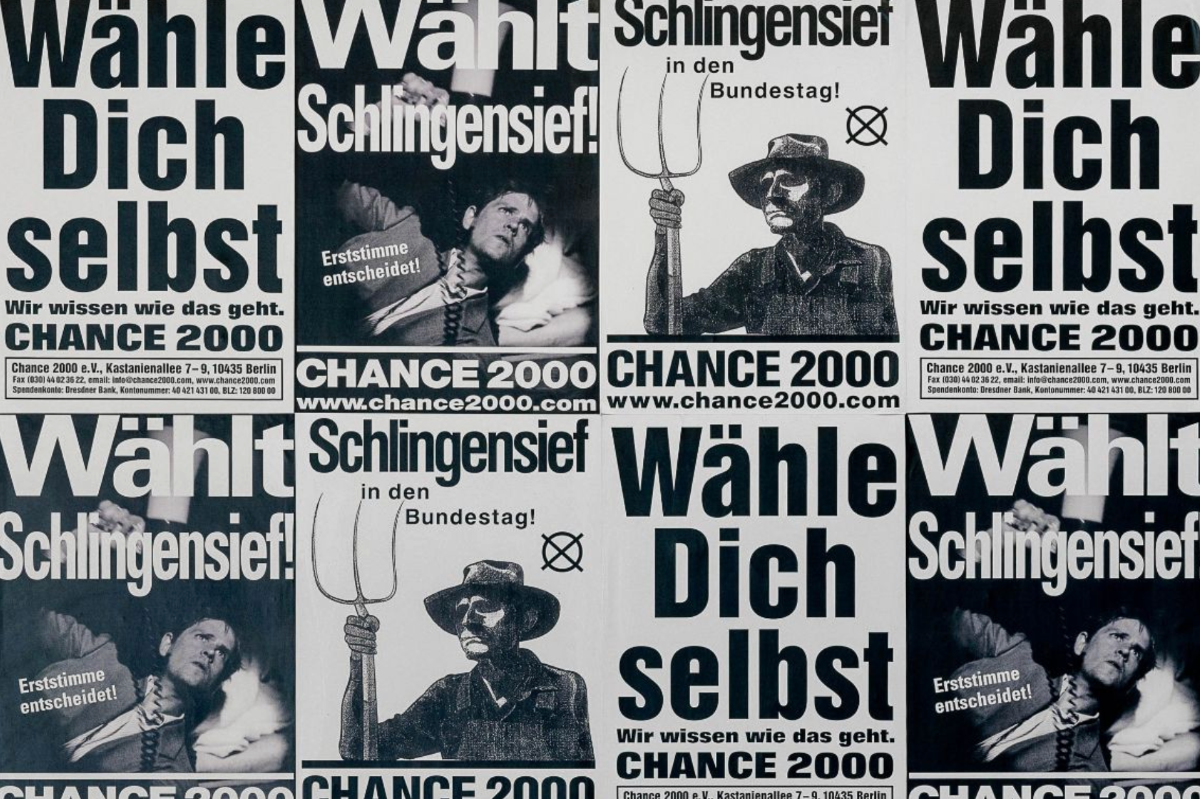
Christoph Schlingensief’s art was never meant to make its audience comfortable

Josie Ryan paints the wildlife she refuses to let us forget
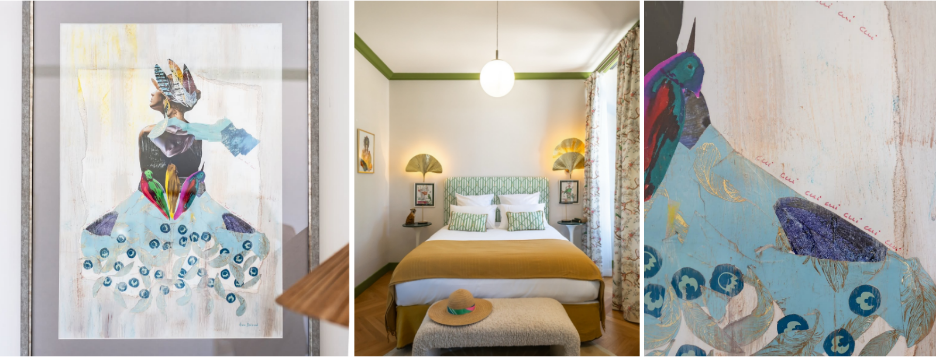
In the Tarn hills, Anne Briaud turns fragments into imagined worlds