The Zurich shop built to be temporary that is still standing 20 years later
FREITAG's Zurich container tower opened in 2006 as a temporary shop on rented land. Twenty years later, it's still standing—and still selling.
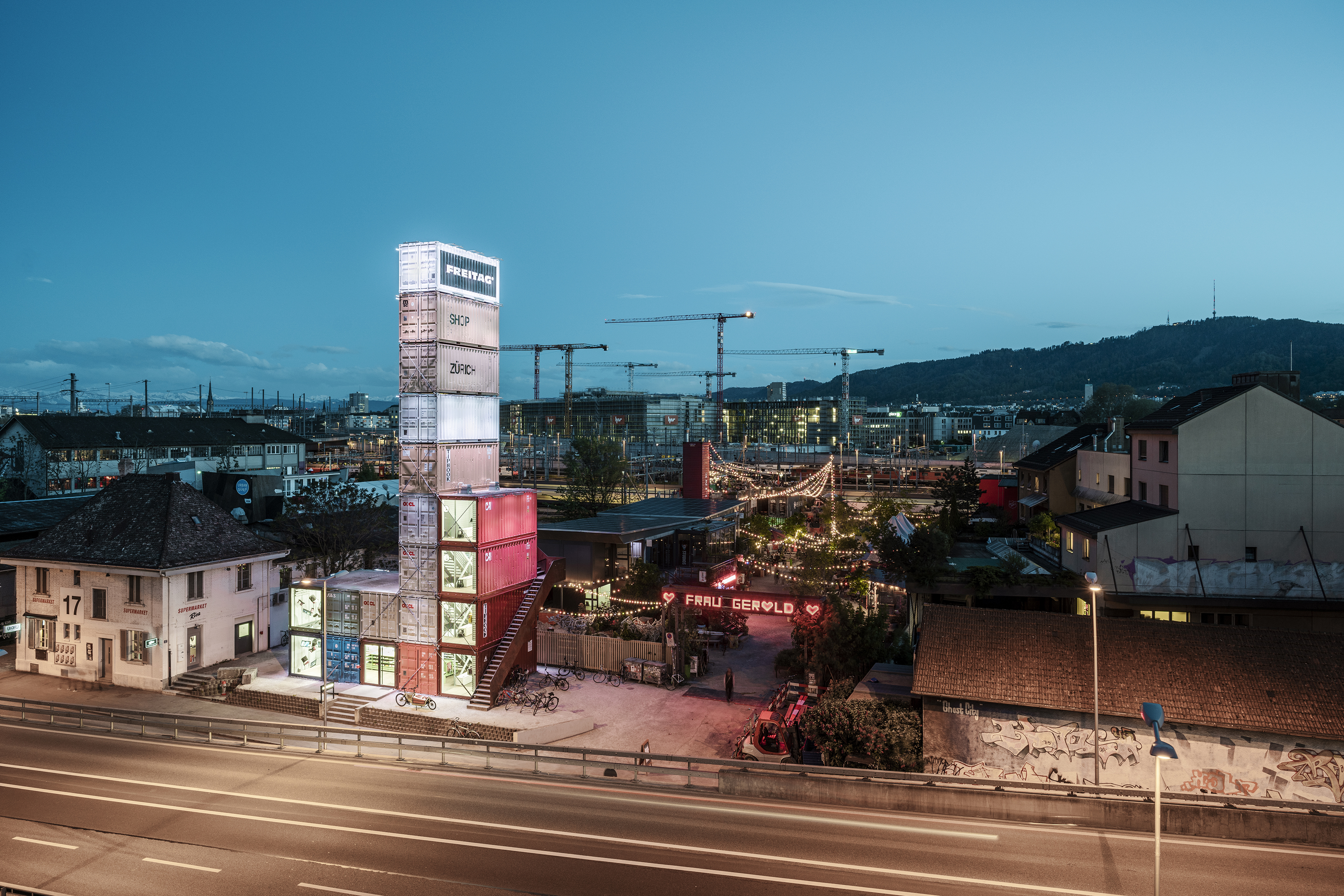
FREITAG’s container tower began as an experiment in reuse on a patch of industrial land. Two decades on, it has become one of Zurich West’s most recognisable structures and an unusually literal expression of the circular economy.
Some shops are designed to disappear into the city around them. FREITAG built one from 19 old freight containers and stacked them high enough to be seen from passing trains.
The resulting tower in Zurich West was never supposed to become a permanent fixture. When it opened in 2006, it stood on rented land under a provisional building permit, close to the former factory where FREITAG was producing bags from discarded truck tarpaulins.
Twenty years later, it is still there.
The FREITAG Flagship Store has survived changing leases, extensions, rust, renovation and the transformation of the former industrial district around it. What began as an unconventional piece of retail architecture has gradually become something more interesting: a building whose materials and longevity tell much the same story as the products sold inside it.
A shop made from what already existed
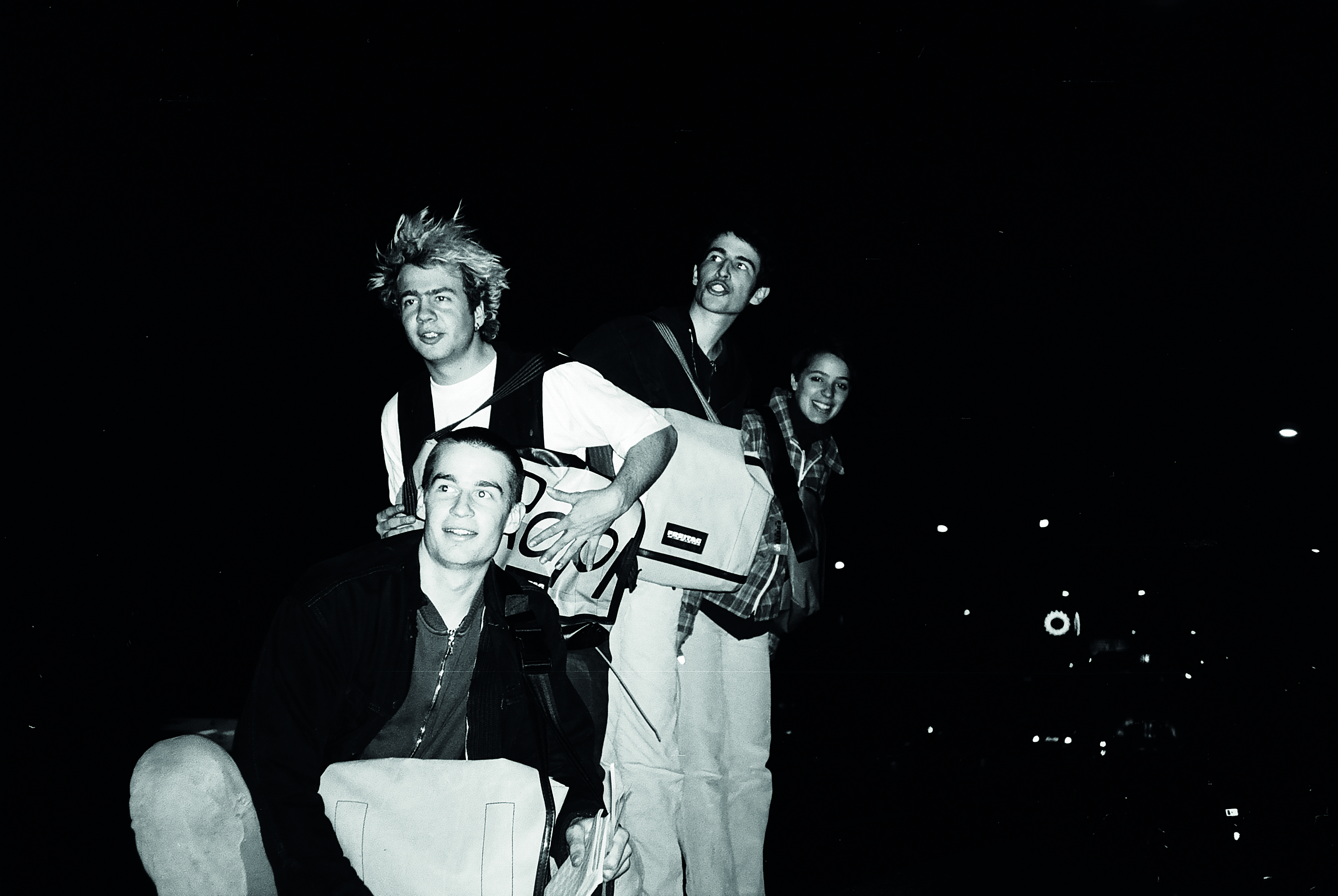
FREITAG had been experimenting with reuse long before the tower appeared. The company, founded in 1993, became known for turning used truck tarpaulins, seat belts and other discarded materials into bags and accessories.
When land became available at the Gerold site in 2005, around 150 metres from its then factory, the same principle was applied to architecture.
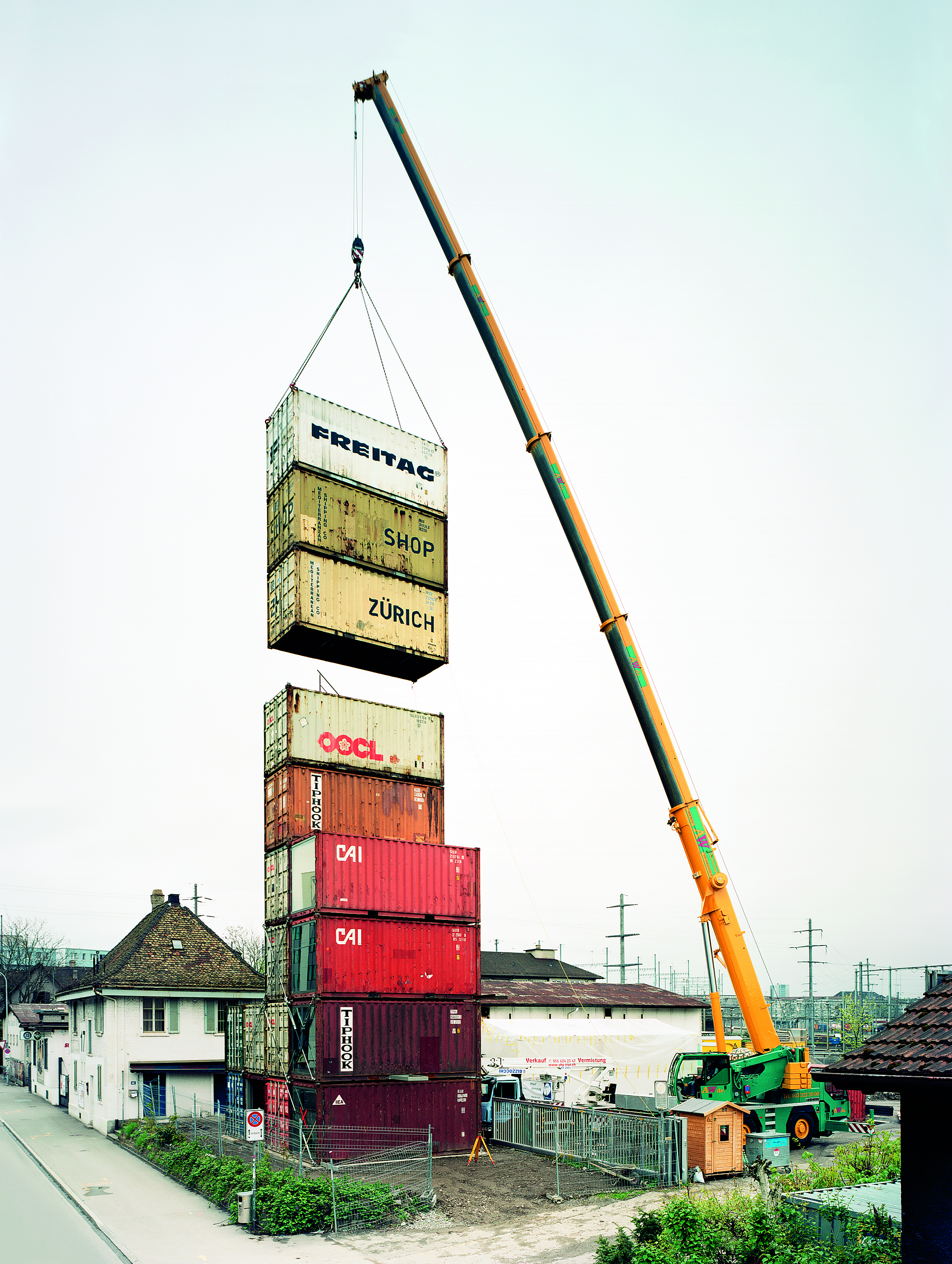
Decommissioned shipping containers were selected at the port of Hamburg and transported to Zurich. From the building permit application to completion, the project took roughly six months.
Rather than disguising the containers’ previous lives, architects spillman echsle made them the architecture. The units were stacked into a narrow tower, creating what FREITAG calls Zurich’s “smallest skyscraper”.
Its height was carefully judged. The building remained below the threshold that would officially classify it as a high rise while still providing a viewing platform over the surrounding city and transport routes.
There is a certain neatness to the view. Visitors standing at the top can watch lorries passing below carrying the sort of tarpaulins that could eventually become material for the products sold inside.
Temporary architecture that refused to leave
The tower’s survival was far from assured. Its original building permission was provisional and the lease fixed term, making its eventual twentieth anniversary rather less inevitable than the permanence of conventional retail architecture.
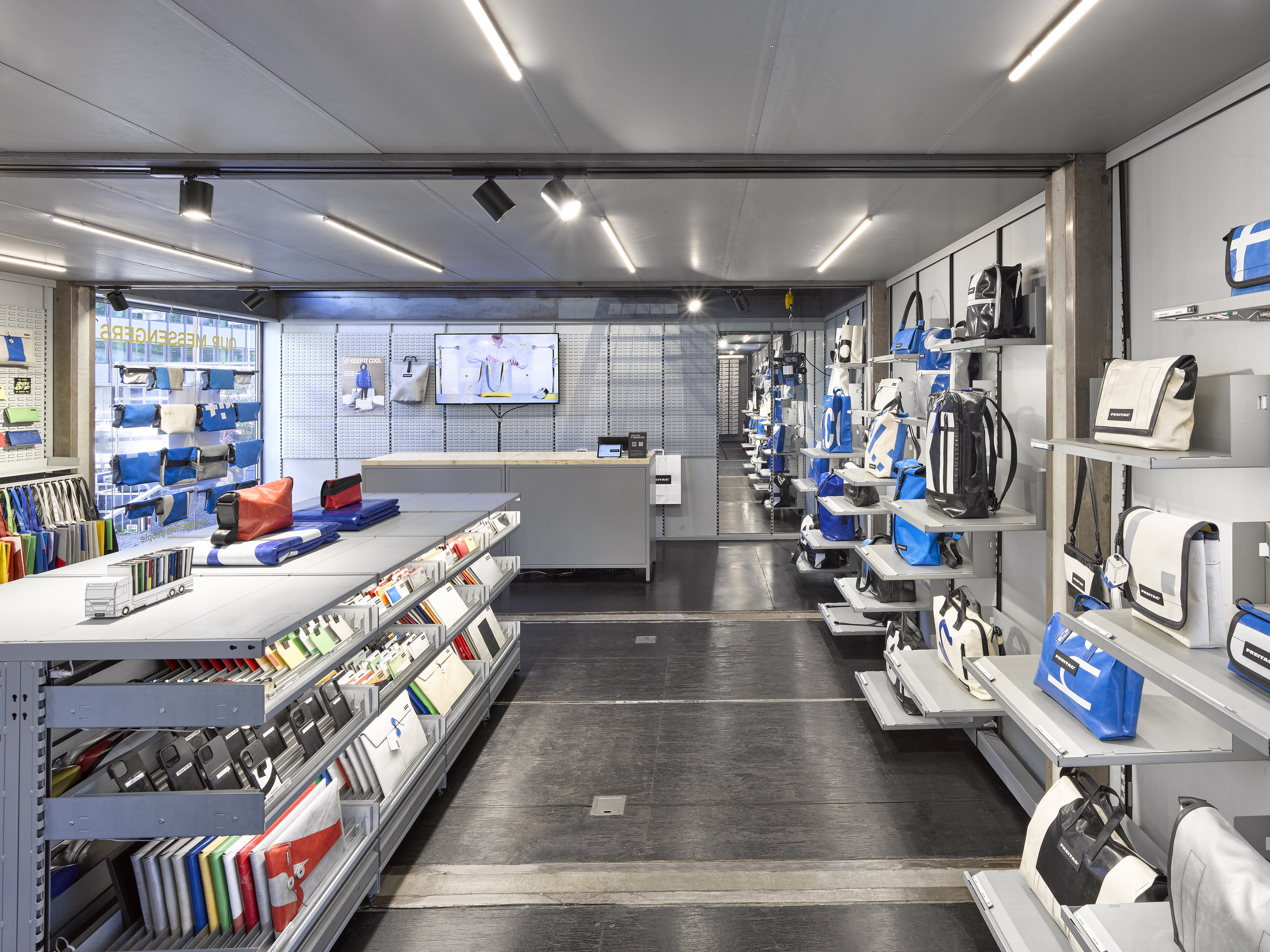
Its modular construction proved useful. In 2010, another two containers were added to expand the retail space without substantially altering the original structure.
Permanent approval did not arrive until 2014, following improvements to its energy efficiency, including the installation of a heat pump.
Time has nevertheless left its mark. By 2019, corrosion had advanced sufficiently to require a substantial overhaul and repainting. More recently, the building has acquired technology its original designers could hardly have treated as part of the aesthetic. Since the middle of 2026, photovoltaic panels have provided shade for the metal roofs while generating electricity for the store.
Next door, a Repair Kiosk opened in 2025, allowing customers to bring FREITAG products back for repair rather than simply replacing them.
The additions make the site an increasingly complete expression of an idea that has moved considerably closer to the commercial mainstream since FREITAG began experimenting with discarded materials in the 1990s.
Reuse is now routinely invoked by fashion companies, architects and retailers. The harder test is what happens after years of use, when the reused object itself begins to age.
FREITAG’s answer, at least in Zurich, has been to repair that too.
Twenty years of second lives
To mark the anniversary, the upper floors of the tower are hosting A SECOND LIFE: Used Materials, New Purposes, an exhibition drawing on previously unpublished archival material to document both the company’s history and the creation of the building.
It is an appropriate subject for a structure that has itself experienced several lives. The tower arrived when Zurich West still carried much of its industrial character and has remained while the neighbourhood around it has changed.
That may ultimately be what makes the building more significant than its novelty suggests. Shipping container architecture is no longer particularly unusual, nor is the language of upcycling. What distinguishes the FREITAG tower is that it has been allowed to grow old.
Twenty years after a collection of unwanted containers was assembled into a temporary shop, the most convincing argument for reuse may simply be that they are still being used.
Continue Reading
More Fashion
Vinted climbs the influencer charts, but Zara still wears the crown
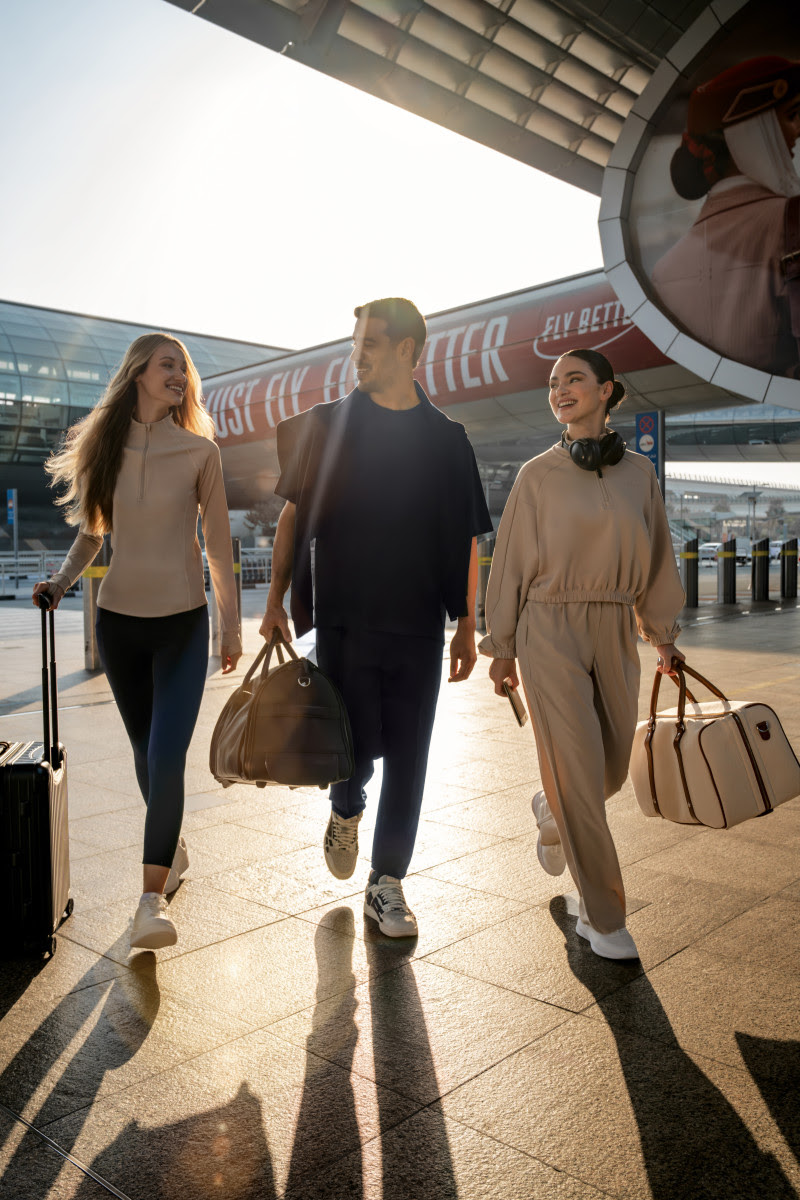
Emirates launches new EK FIT and EK TRAVEL fashion collections
YOUR WHISTLE IS THE DOG'S DANGLIES, DARLING.