The return of embroidery: why a slower kind of creativity is finding a new audience
Paraffle's Edinburgh embroidery kits make the centuries-old craft accessible to beginners, with designs from £15 that prioritise slow, deliberate creativity.
Paraffle, an independent Edinburgh craft company, is attempting to remove the intimidation from one of the oldest forms of decorative making, with contemporary kits designed for those who have never threaded a needle.
There is something distinctly unfashionable about embroidery. It is slow, requires concentration and offers almost no opportunity for instant gratification. A design emerges one stitch at a time and, however enthusiastically one begins, there is no button capable of completing it by tomorrow morning.
Perhaps that explains some of its renewed appeal.
At a time when much of everyday life has been engineered around speed, the attraction of making something deliberately slowly has become easier to understand. Embroidery demands that attention remains on the thing immediately in front of you: needle, thread, fabric and the next stitch.
It was this quality that led Sammy Bishop to the craft while completing her PhD and ultimately to the creation of Paraffle, the independent embroidery business she founded in Edinburgh.
Bishop found that the repetitive, methodical nature of stitching provided a creative counterpoint to academic work. More importantly, it produced something tangible. Hours spent working eventually resulted in an object that could be held, displayed and, with some satisfaction, identified as one's own work.
Paraffle has since built its proposition around making that experience accessible to people who may otherwise regard embroidery as a skill belonging to somebody else.
Taking the mystery out of the needle
The difficulty with traditional crafts is often not the craft itself but knowing where to begin.
Paraffle's answer is the embroidery kit. Materials and stitch guides are assembled in one place, supplemented by step by step videos and online guidance. The intention is to provide enough instruction for a complete beginner to start without removing the satisfaction of learning the skill.
Its designs are notably contemporary, although the company's Edinburgh origins are rarely far away.
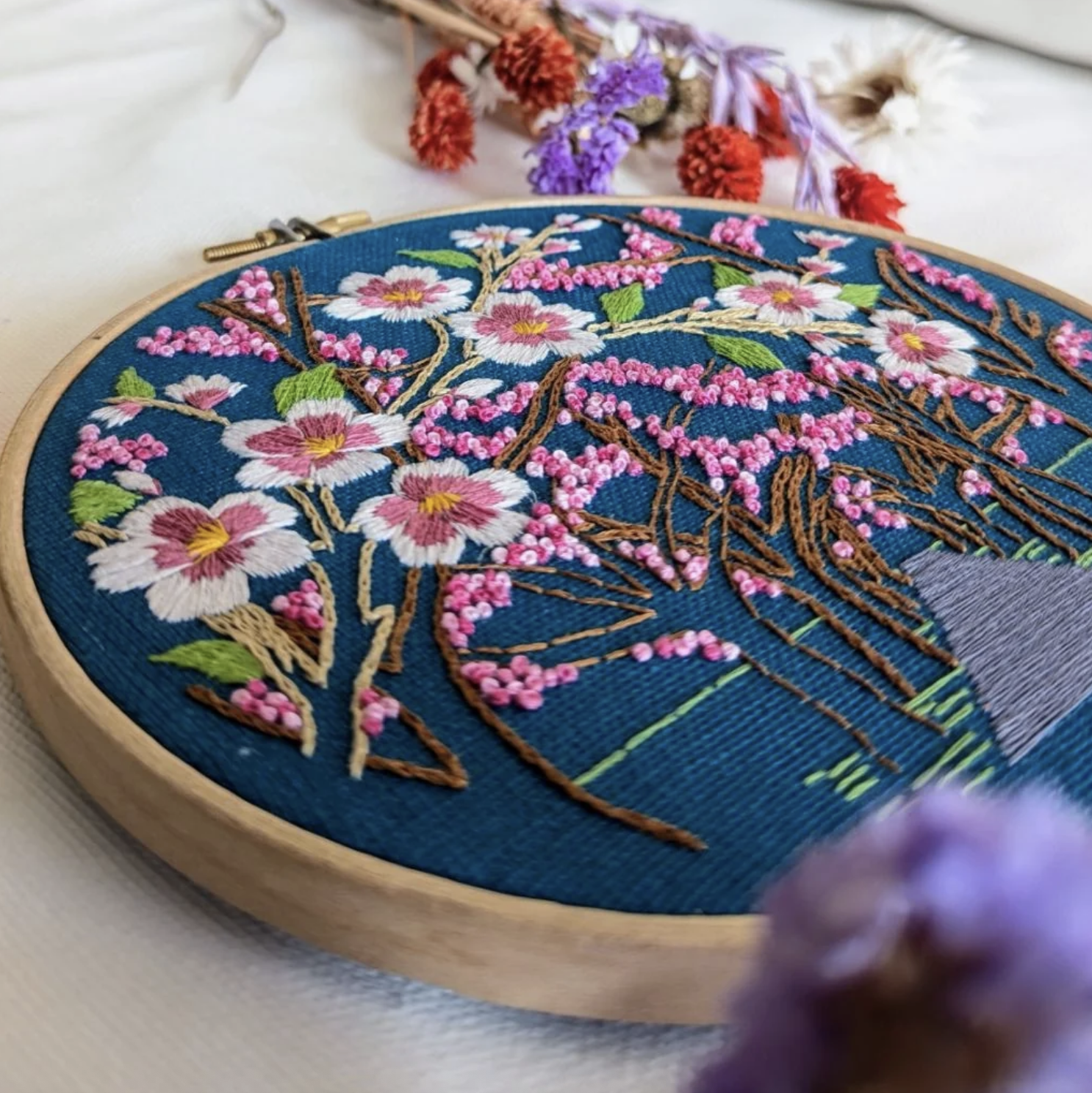
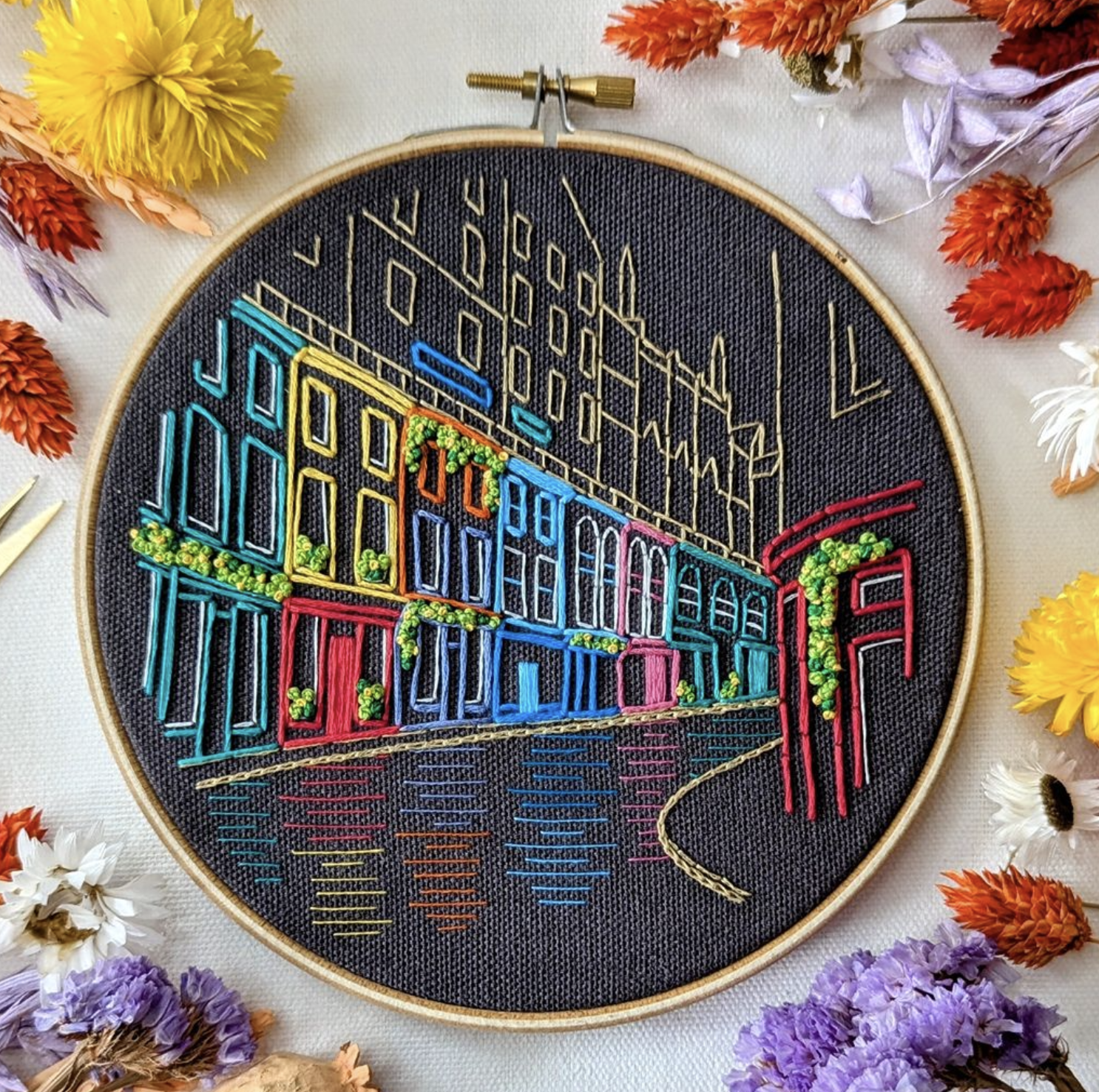
The £25 Cherry Blossom Embroidery Kit takes its inspiration from the city in spring, while the Victoria Street Embroidery Kit, also £25, recreates one of Edinburgh's most recognisable streets in thread. Another £25 design depicts the picturesque Circus Lane.
Scottish wildlife receives a rather less restrained treatment. The £25 Highland Coo and Paisley Puffin kits use brightly coloured paisley patterns, turning familiar animals into decorative pieces intended to remain on display after the stitching is finished.
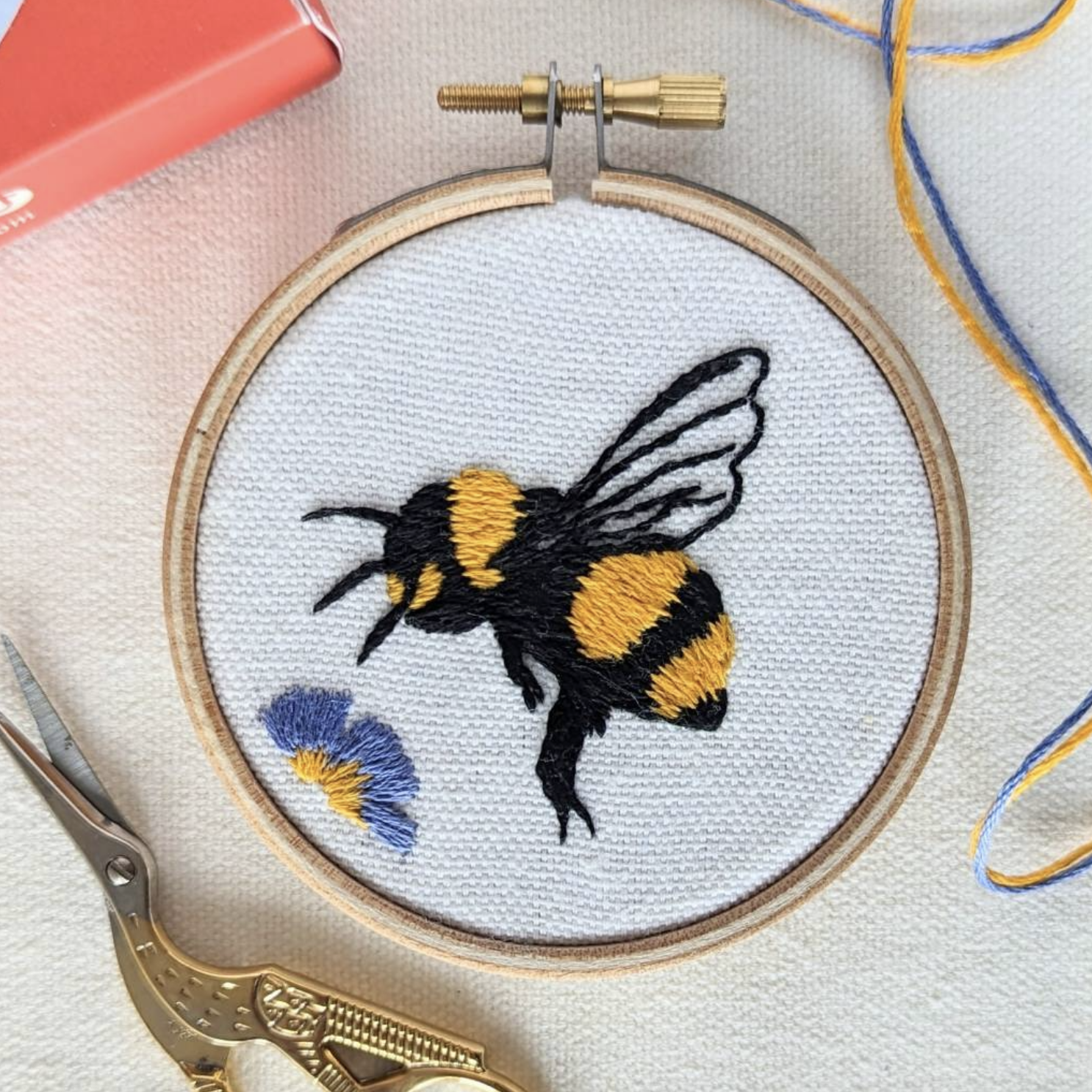
Smaller projects offer a gentler introduction. Miniature designs featuring a bee, squirrel, puffin and robin provide a more manageable starting point for those approaching embroidery for the first time. The Mini Bee kit is priced at £15.
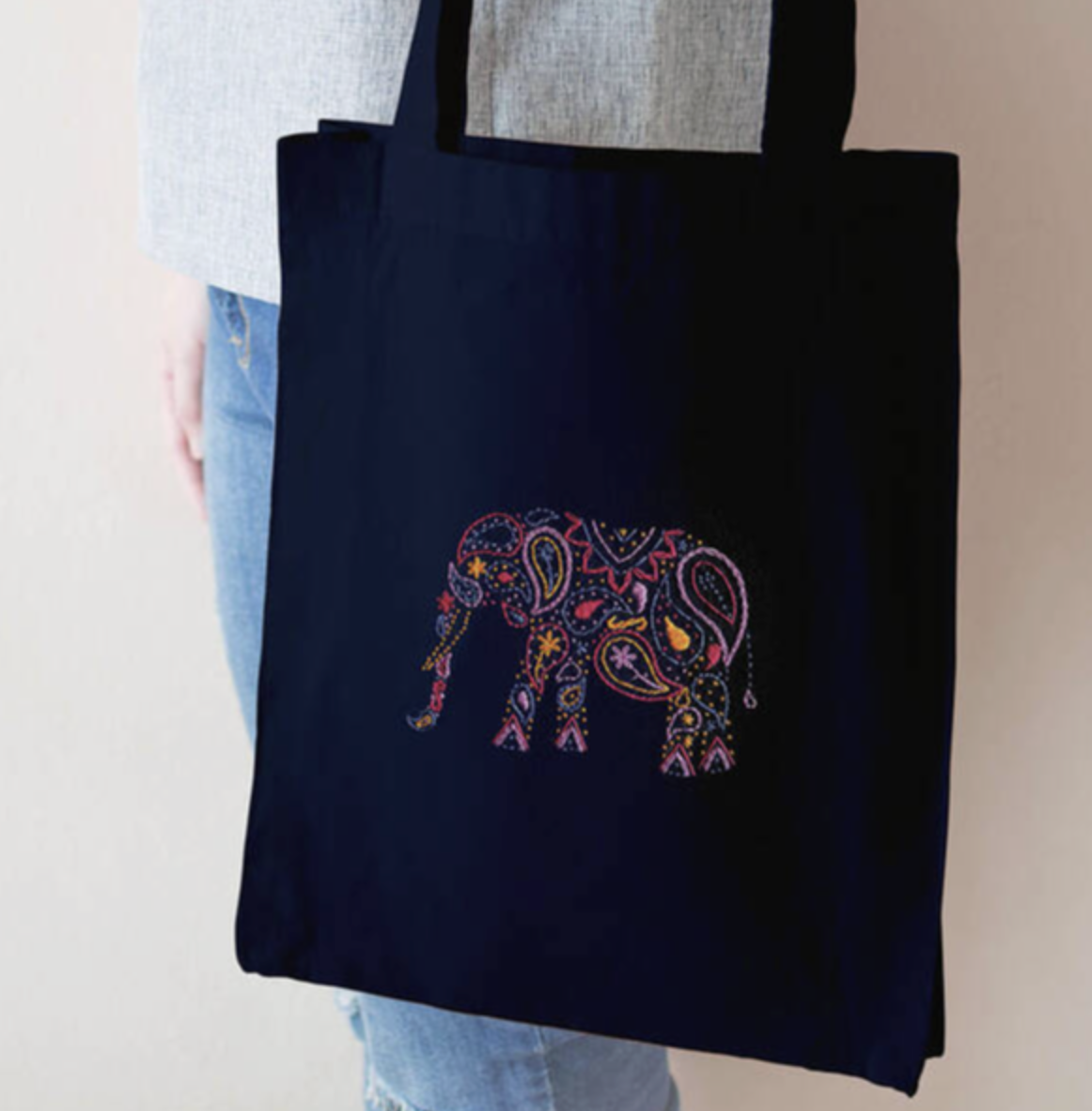
There is also an appealing practicality to some of the range. A £30 kit allows the owner to embroider a paisley elephant onto an organic and Fairtrade cotton tote bag, meaning the finished work need not spend its life hanging on a wall.
Even the problem of where to put the needle when taking a break has been considered. Paraffle sells £8.50 magnetic needle minders, which attach to the fabric and hold the needle in place. There are 19 designs in the collection, including a Scottish thistle, Highland Coo, Scottish Terrier, elephant, whale and bee.
The pleasure of learning to make something
The revival of interest in crafts has coincided with an age in which creative work has never been easier to consume. Yet there remains a considerable distinction between seeing something produced and producing it oneself.
Embroidery makes that distinction particularly clear.
The first stitches may be imperfect. Progress can seem slow. What appears effortless in experienced hands inevitably requires rather more concentration from somebody picking up a needle for the first time.
But that is part of its attraction.
Paraffle's approach deliberately avoids presenting embroidery as a pursuit requiring innate artistic ability. The kits are structured around learning while making, with the finished object providing evidence of the progress made along the way.
The company also places an emphasis on the provenance of its materials, seeking more sustainable and ethically produced options where possible while remaining open about areas in which improvements can still be made.
There is a pleasing simplicity to the entire proposition. Nobody takes up embroidery because it is the fastest possible way to decorate a piece of fabric. Its value lies precisely in the opposite.
To spend an evening constructing a puffin from thread, recreating an Edinburgh street or gradually filling a hoop with cherry blossom is to choose an activity because it requires time and attention.
The reward is not merely the finished bird, blossom or city scene. It is the process that came before it and the small but unmistakable satisfaction of being able to look at the result and know that it was made by hand.
In a culture increasingly accustomed to immediacy, there is something quietly compelling about that.
Continue Reading
More Lifestyle
Labour members put pensions top of the list for spending cuts
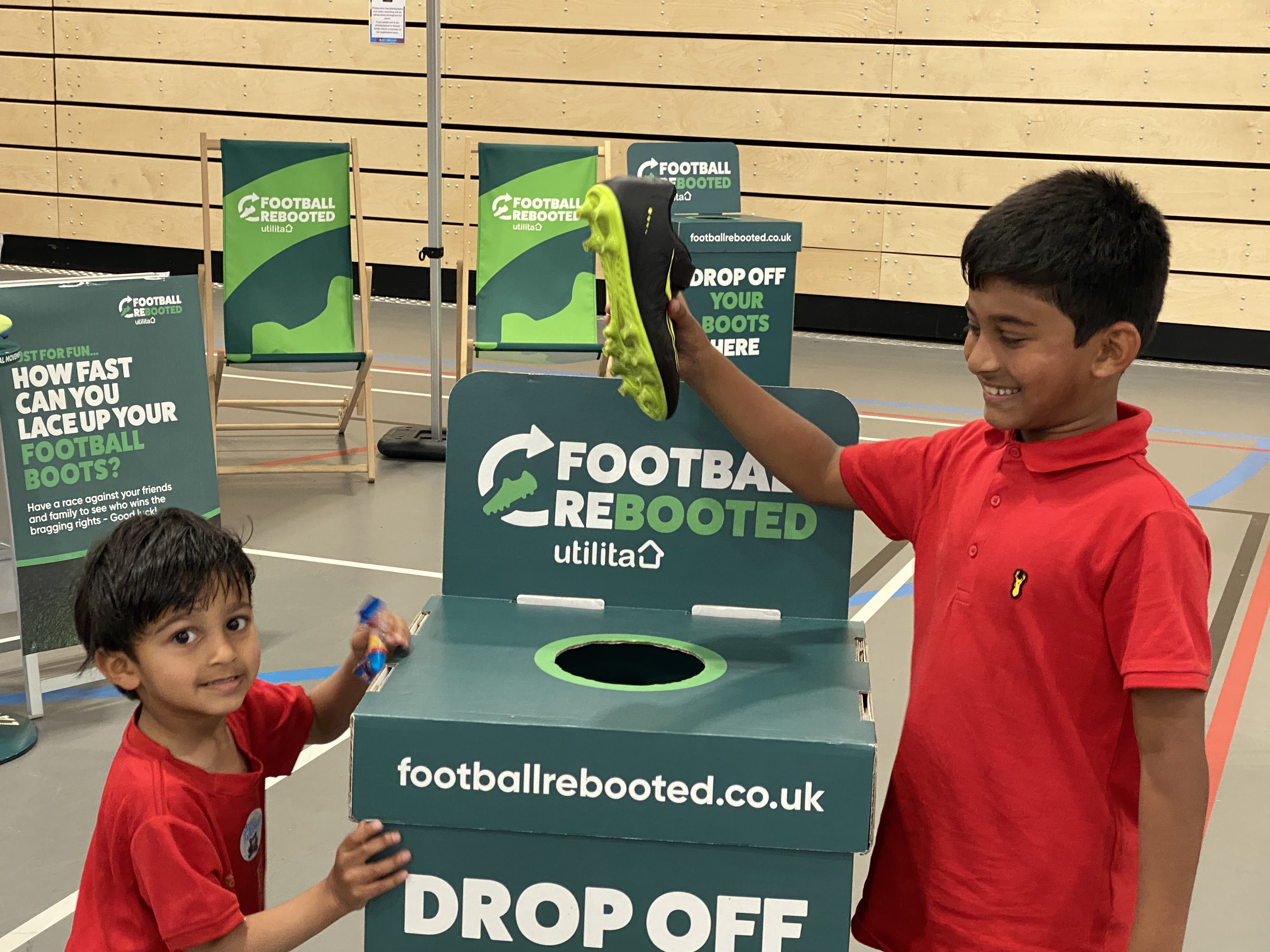
David James backs nationwide push to get unused football boots back on the pitch

Are British workers keeping their best ideas to themselves?