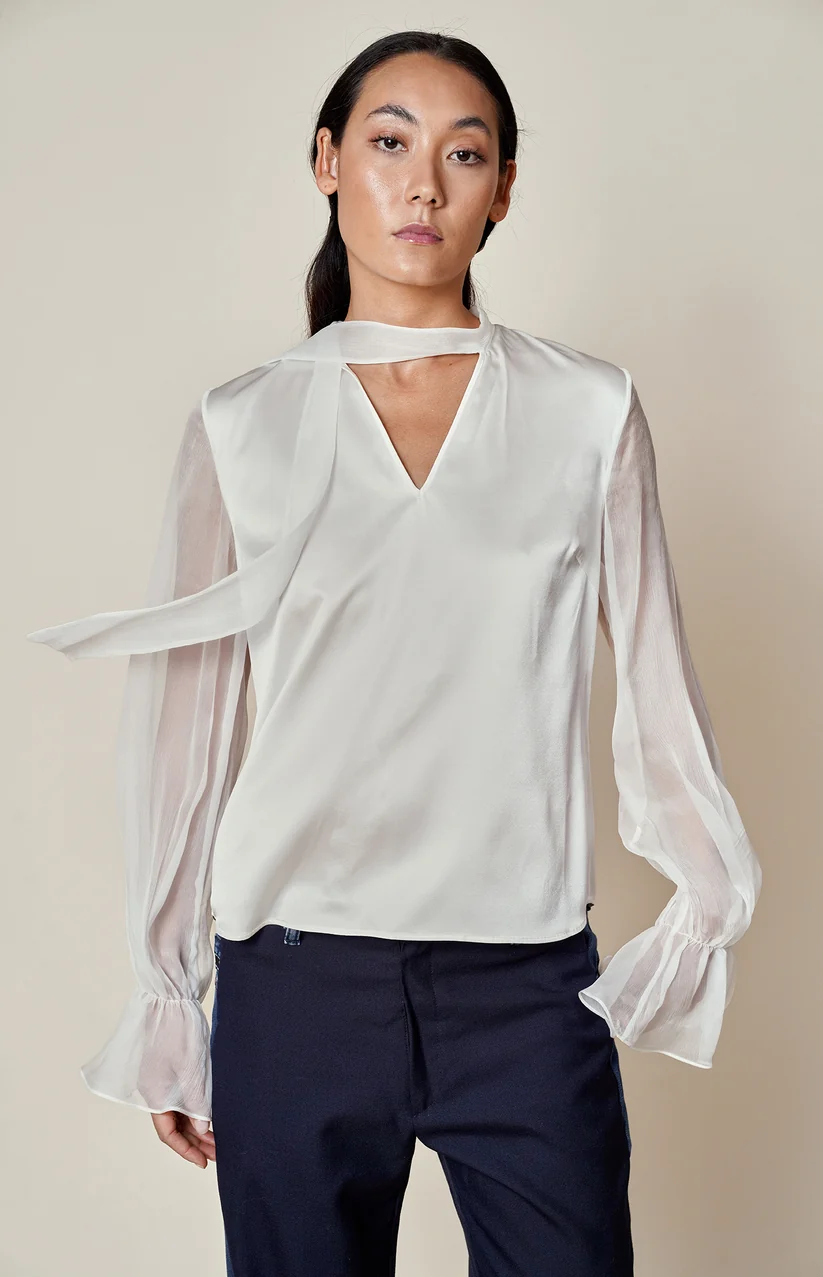
The Gentleman’s Weapon of Choice? A Cane.
Discover the allure of the cane, a symbol of elegance and individuality. Explore how the cane redefines fashion with sophistication and style.
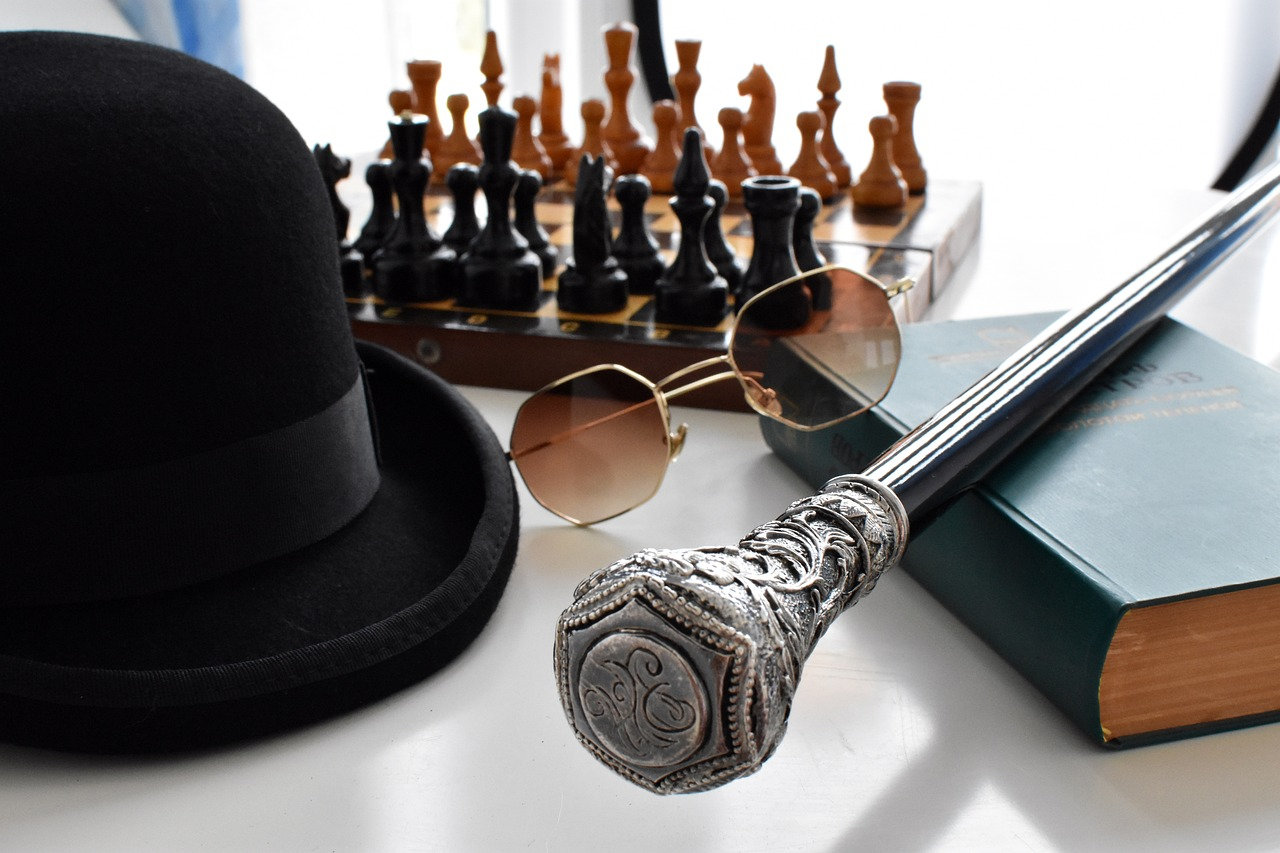
In the endless cycle of fashion revivals, few accessories feel as audacious—and as quietly powerful—as the cane. Long a symbol of elegance, eccentricity, and authority, the walking stick is striding back into modern wardrobes. It isn’t about utility; it’s about presence. In an age obsessed with sneakers and micro-bags, the cane feels like a subtle rebellion—an accessory that insists on being noticed.
Historically, the cane was never just a walking aid. It was an emblem of social standing, a shorthand for sophistication, and, at times, an indulgent curiosity. In Victorian Europe, canes were not only carved from exotic woods but also inlaid with ivory, silver, and gemstones. Handles became miniature sculptures, while gadget canes concealed everything from compasses to snuffboxes. They were wearable stories, carried with pride.
Today, those stories echo on runways and sidewalks alike. Designers are experimenting with sleek metallic shafts, minimalist carbon fibre, and jewel-like handles that bridge tradition with modern design. The result? A cane that functions as both accessory and attitude.
Think of the cane as the final punctuation in an outfit. In monochrome tailoring, it’s a statement of precision. With streetwear, it’s irony made chic. On red carpets, it adds gravitas without a word spoken. The cane works because it carries an aura—part performance, part practicality, entirely style.
We’ve seen this resurgence mirrored in fashion editorials, in music videos, and at cultural events where the accessory no longer reads as medical but rather as theatrical. It’s a prop in the best sense: an extension of personality.
Of course, no conversation about the cane’s cultural weight is complete without Anthony Moss —A world leading rabologist and author of A Visual History of Walking Sticks and Canes . Through his work with the A&D Walking Collection , Moss has catalogued thousands of extraordinary pieces that trace the cane’s journey from aristocratic symbol to contemporary style marker. His research highlights the artistry behind the accessory—whether whimsical automaton canes or Art Nouveau masterpieces—and underscores why the cane continues to fascinate.
As Moss himself has demonstrated, the cane’s relevance is not simply nostalgic; it’s a living language of design, one that modern fashion is now reclaiming.
The Minimalist Cane : A slim, matte-black design with an ergonomic handle. Understated, futuristic, ideal with sharp tailoring.
The Artisanal Cane : Hand-carved wood, subtle engravings, or metal detailing. Works beautifully with heritage fabrics—think tweed, wool, or corduroy.
The Statement Cane : Bold, jewel-like handles, crystal-clear lucite, or metallic flourishes. Perfect for eveningwear when you want to turn heads.
In 2025, the cane represents more than nostalgia. It represents individuality in an era of mass-produced fashion. It’s a deliberate choice—equal parts historic nod and contemporary provocation. To carry one is to embrace elegance, confidence, and storytelling.
And if history has taught us anything, it’s that some accessories never really leave—they simply wait for the right moment to walk back into the spotlight.
Continue Reading
More Fashion
SUNCUN brings the poetry of Chinese craftsmanship to London Fashion Week
Eight designers, eight perspectives: Flair Fashion brings new voices to London Fashion Week
Forecast: Fashion - the October edit