Men's Fashion Series: The 1920s: Jazz Rhythms and Dapper Suits
Dive deep into the fashion of the 1920s — an era where jazz rhythms resonated with dapper suits. Explore the influence of Hollywood, evolving daywear, and the rise of casual styles that defined the Roaring Twenties' men.
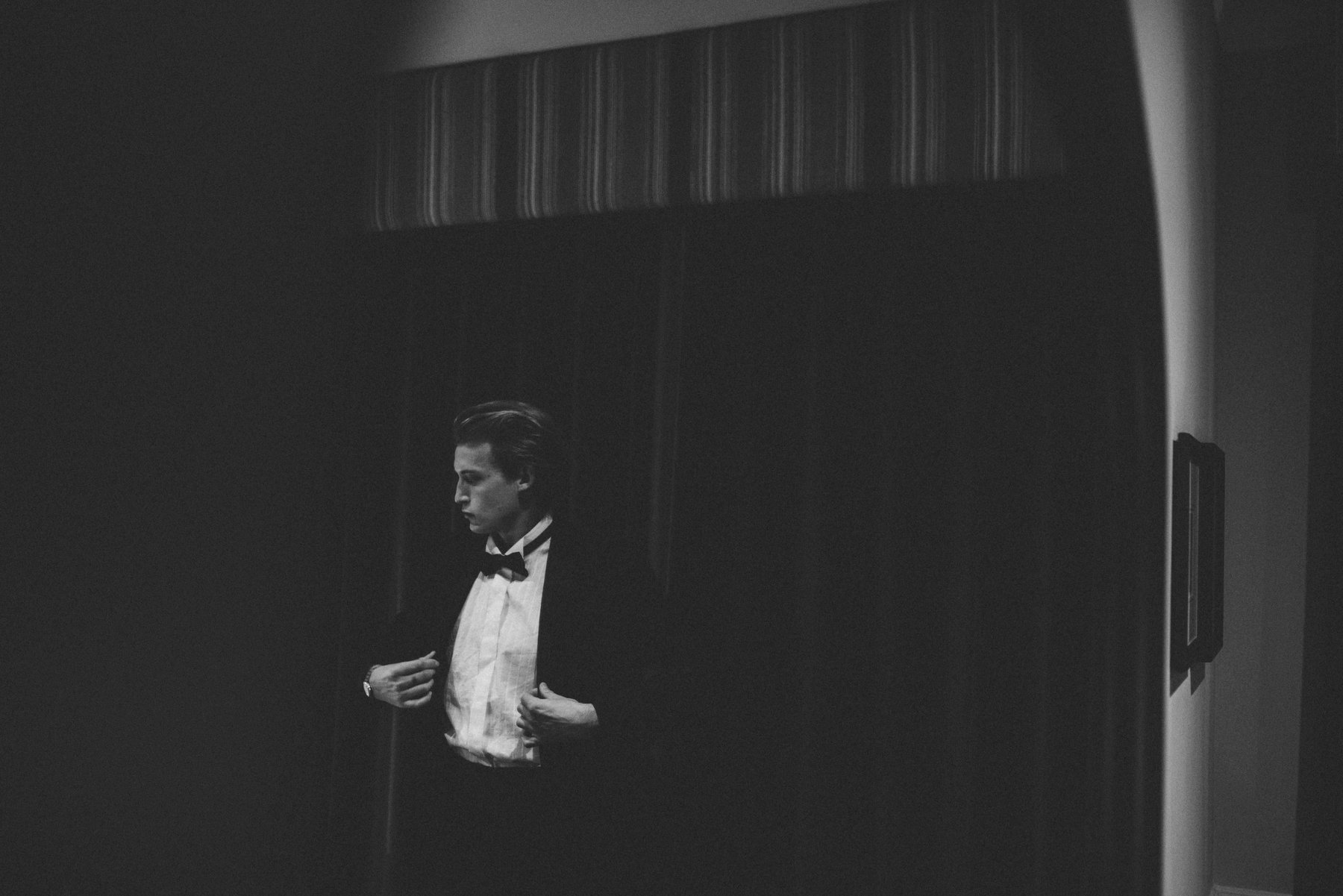
When one conjures the spirit of the 1920s, the mind's eye often captures a black-and-white image of a saxophonist serenading well-dressed folks shimmying to the Charleston. The Roaring Twenties, with its visceral beat of jazz, was an embodiment of a world transforming after the rigors of World War I.
The end of the war had thrust societies into a hedonistic exuberance. In America, the economy was roaring louder than the parties, even as Prohibition tried to silence the mirth with temperance. Yet, in dimly lit speakeasies, underground bars hidden from the prying eyes of the law, men in sharp suits and women in flapper dresses defied societal norms.
But what defined the men of this era? The 1920s man was at a crossroads between tradition and change. While the gentleman's code of the past still held sway, new influences were shaping the modern man.
Suits and Daywear: Formality was the order of the day. Suits were de rigueur, but with a softer touch compared to previous decades. The suits of the 1920s had a more relaxed fit, with jackets often being long and straight. The trousers, meanwhile, were high-waisted, cuffed, and pleated, hanging straight to showcase shiny leather shoes, sometimes in two-tone varieties.
Yet, even as suits dominated the wardrobe, they weren't stiff. Their light fabrics, such as tweed for winter and linen for summer, allowed for more fluid movement — perhaps to swing to that jazz rhythm or to race in those burgeoning automobiles.
Evening Wear: If the day belonged to the dapper suit, the night was where tuxedos shone. For grand events, men donned tuxedos, often with a bow tie, cummerbund, and patent leather shoes. The fedora, a symbol of this era, often completed the look, tilting rakishly as if challenging the world.
Casual Attire: While 1920s men fashion is often remembered for its formal elegance, the decade also saw the introduction of casual styles. Knit shirts, casual vests, and cardigans paired with softer trousers or even knickers made for a relaxed, leisurely appearance. On sunny days, one might find men in plus-fours (a type of short trouser), argyle socks, and two-tone brogues, heading off for a round of golf or an afternoon by the seaside.
Influence of Hollywood: Stars like Rudolph Valentino and Douglas Fairbanks were not just actors — they were fashion icons. The cinema, a relatively new entertainment medium, had a profound influence on the masses. Men wanted to emulate the suave looks and confident demeanor of their screen heroes. Valentino, with his slicked-back hair and sharp suits, or Fairbanks, with his debonair charm, became the benchmarks of style.
As the decade ended, one could look back and see the transformation. The 1920s man had danced to the rhythm of change, embracing modernity while tipping his hat to tradition.
Continue Reading
More Fashion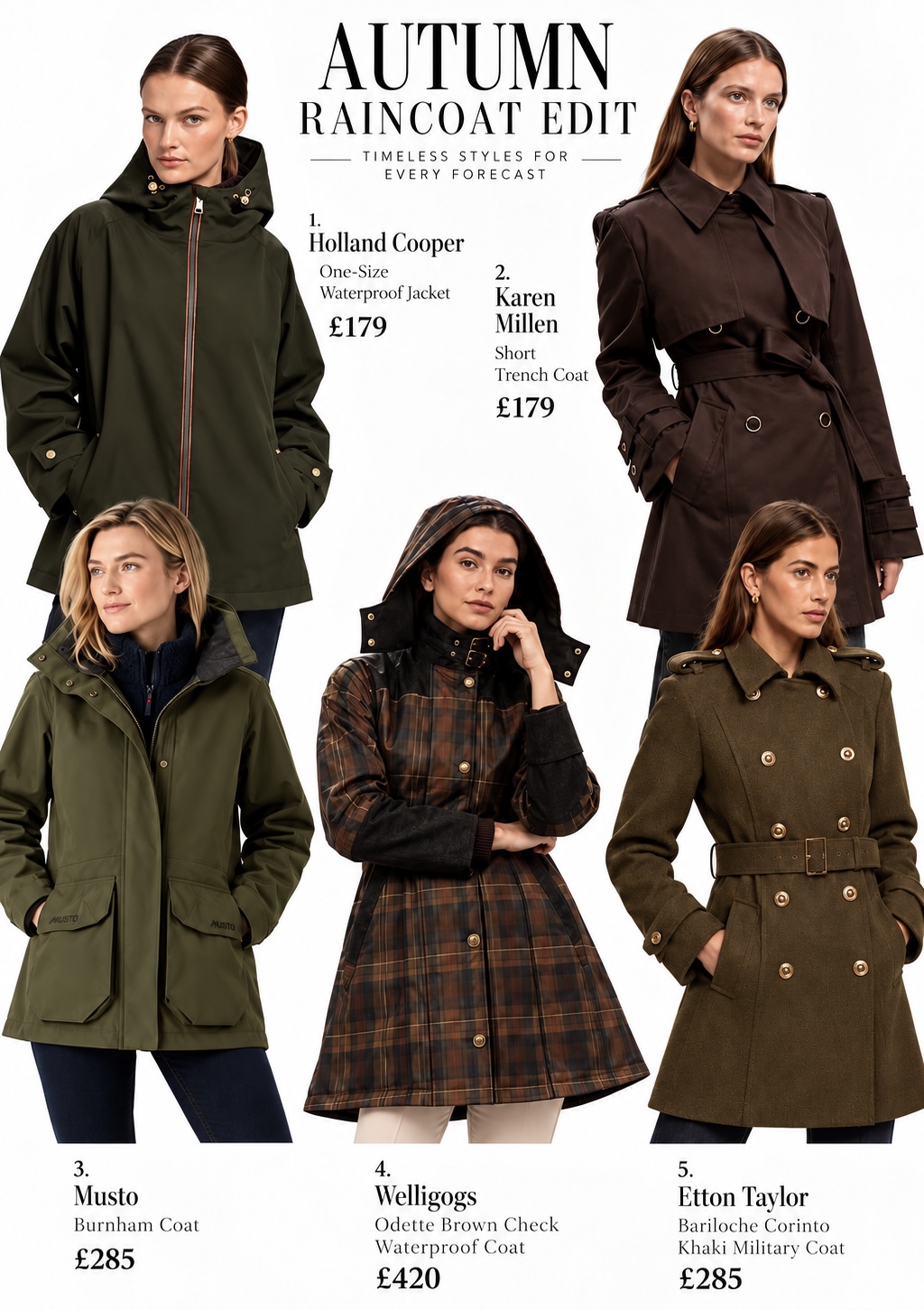
Forecast: Fashion - the October edit
Beyond trends: Gunda Hafner believes beautiful clothes should begin with the woman
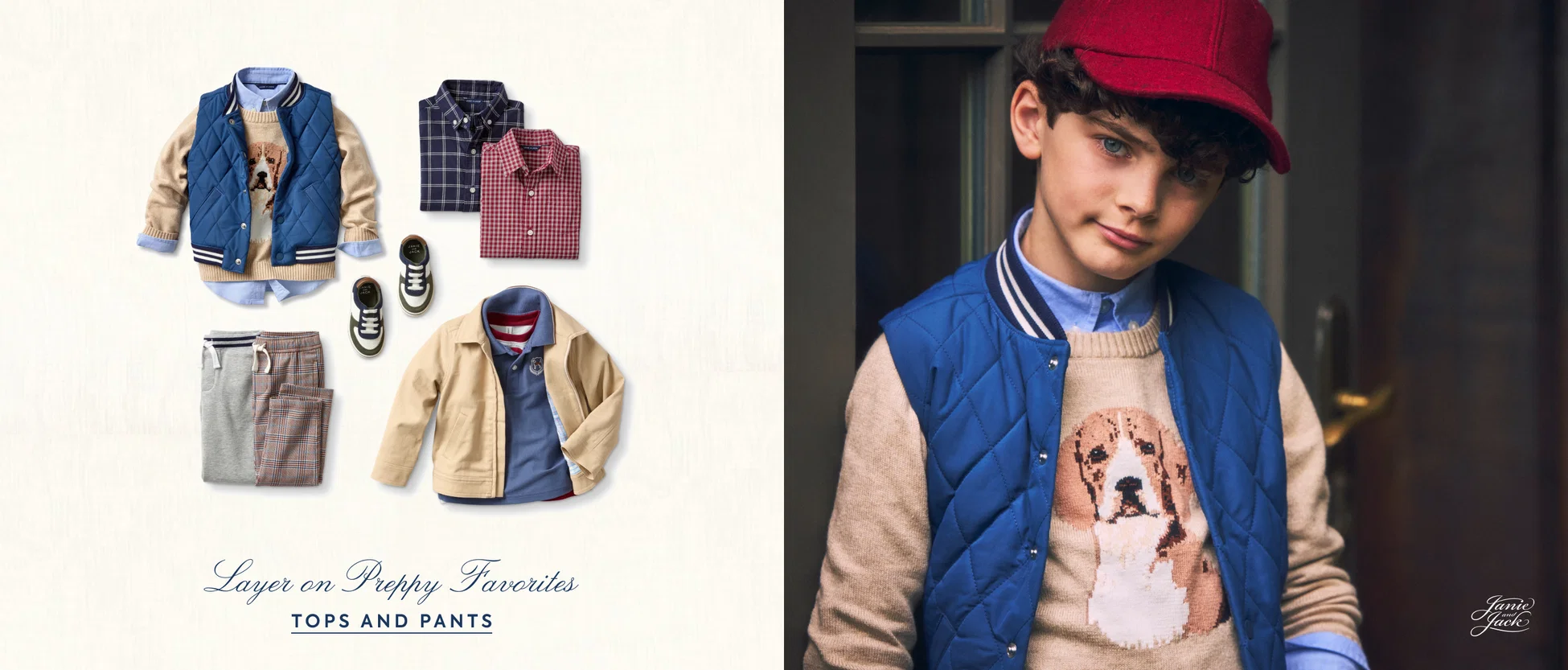
Janie and Jack goes to the dogs for autumn