The concert hall is no longer enough: why Britain's leading orchestras are breaking their own rules
London Symphony Orchestra unveils autumn season blending jazz, spoken word and dance with classical music as UK orchestras redefine the concert format.
There was a time when orchestral music largely spoke to audiences from behind the formality of the concert platform. The programme was fixed, the conductor took to the podium, the audience listened in respectful silence and the boundaries between musical genres remained firmly intact. Increasingly, however, Britain's leading orchestras are questioning whether those traditions are enough to engage modern audiences. The future of classical music may depend not on preserving old formats, but on creating entirely new ones.
That shift is becoming increasingly visible across the UK's cultural landscape, where orchestras are embracing artists whose work moves freely between disciplines. Jazz, spoken word, theatre, dance, visual art and electronic music are no longer treated as visiting influences but as equal creative partners, producing performances that challenge long held assumptions about what an orchestral concert can be.
Few organisations have embraced that philosophy as consistently as the London Symphony Orchestra, whose newly announced autumn programme places collaboration firmly at its centre. Rather than presenting three conventional concerts, the Orchestra has assembled a season that explores the space where classical music meets contemporary culture, bringing together artists whose work refuses to sit comfortably within a single genre.
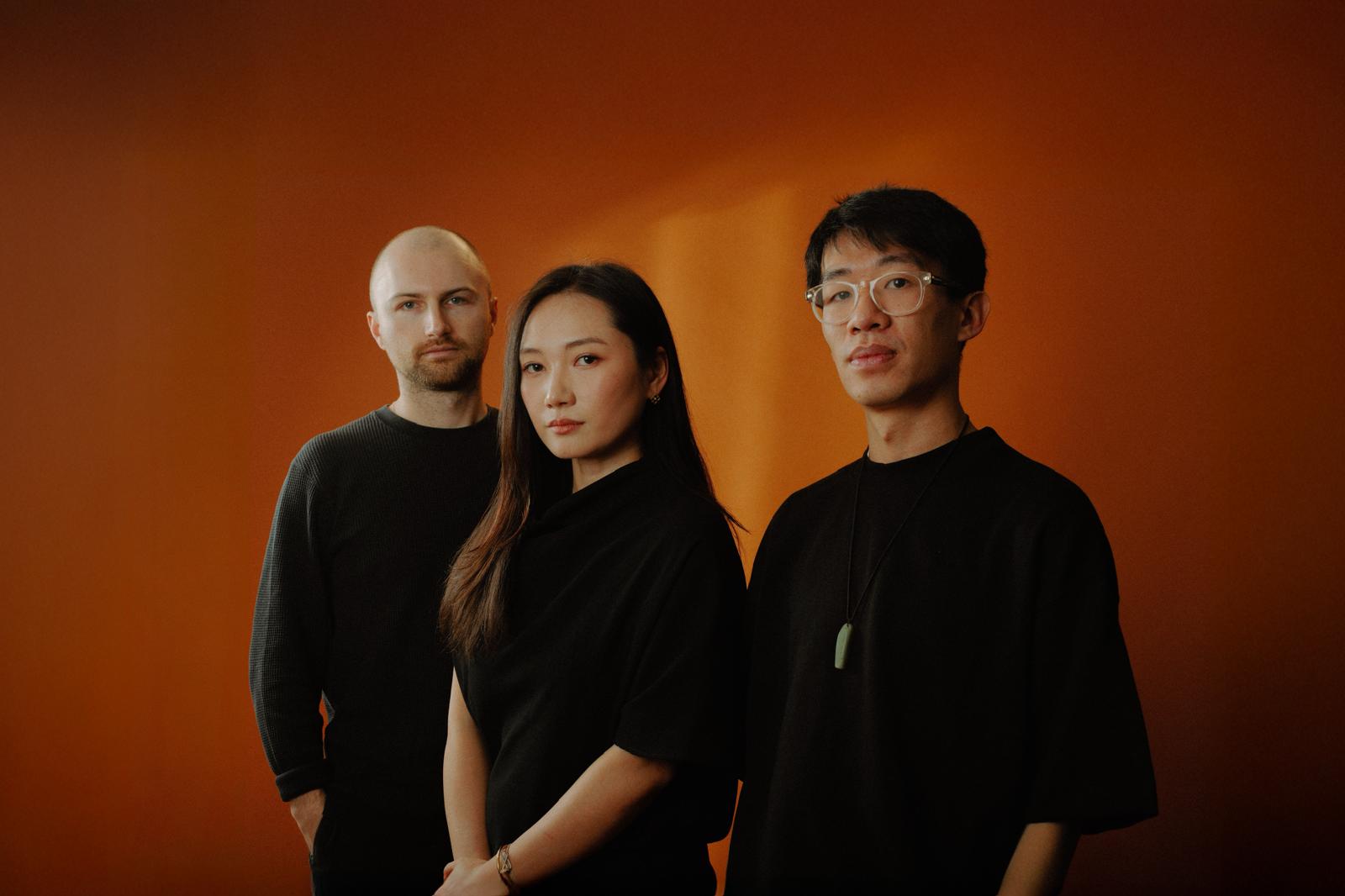
The season opens at LSO St Luke's with Chronicle, created by multidisciplinary collective Tangram in partnership with acclaimed vocal ensemble SANSARA. Inspired by the poetry of six women whose voices span more than a millennium of Chinese history, the production combines newly commissioned choral music with theatre, movement and visual storytelling. It is less a traditional concert than an immersive cultural experience, reflecting a growing appetite for performances that invite audiences to engage emotionally as well as musically.
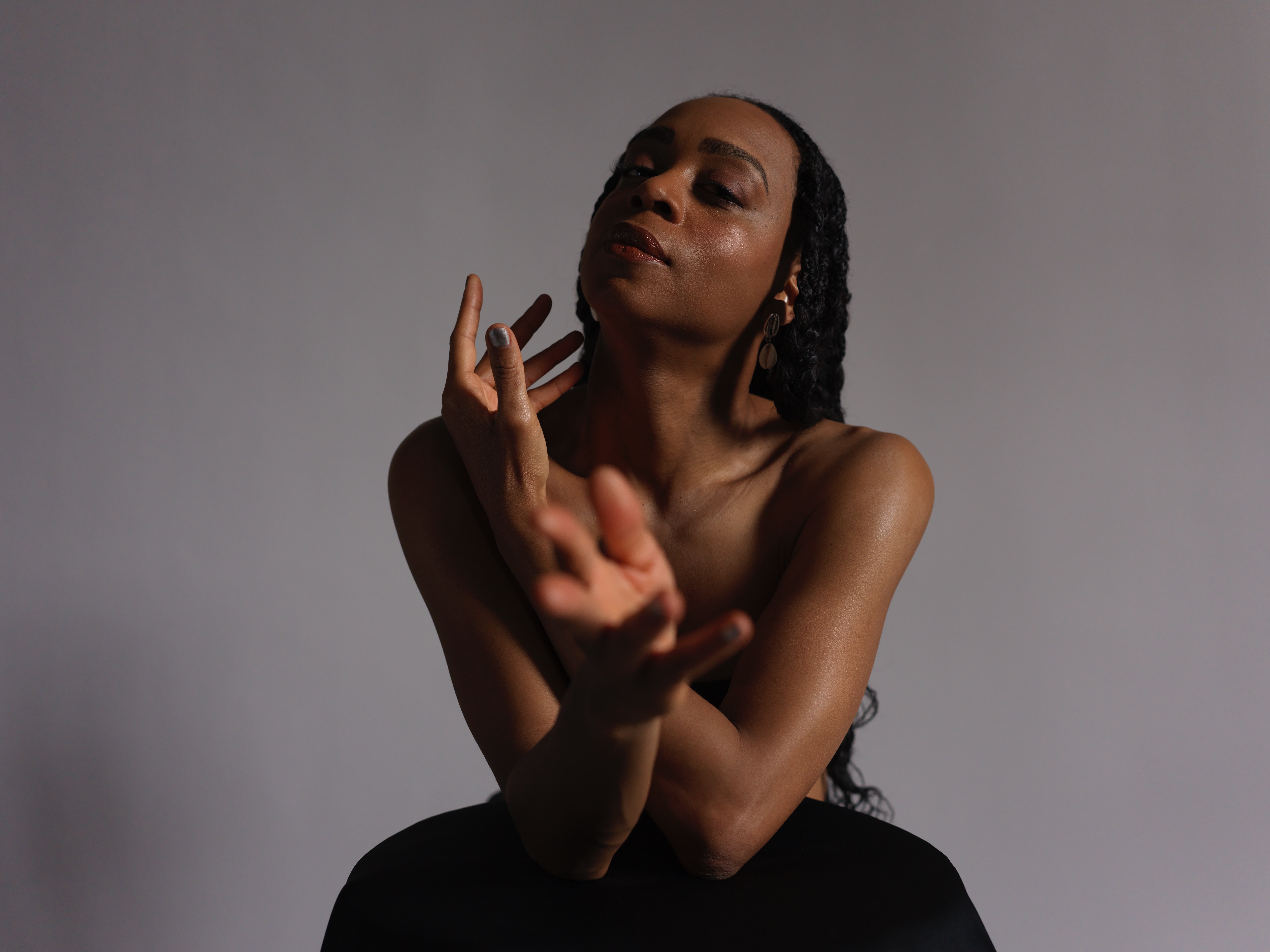
A few weeks later, composer, singer and cellist Ayanna Witter-Johnson begins her residency as an Associate Artist with New Roots: First Light, an evening inspired by her forthcoming album. Blending live performance with spoken word, dance and conversation, the project explores themes of ancestry, healing and identity while continuing a creative relationship with the London Symphony Orchestra that stretches back more than fifteen years. It is an example of the long term artistic partnerships that increasingly define the Orchestra's approach, allowing ideas to evolve over time rather than existing as one off collaborations.
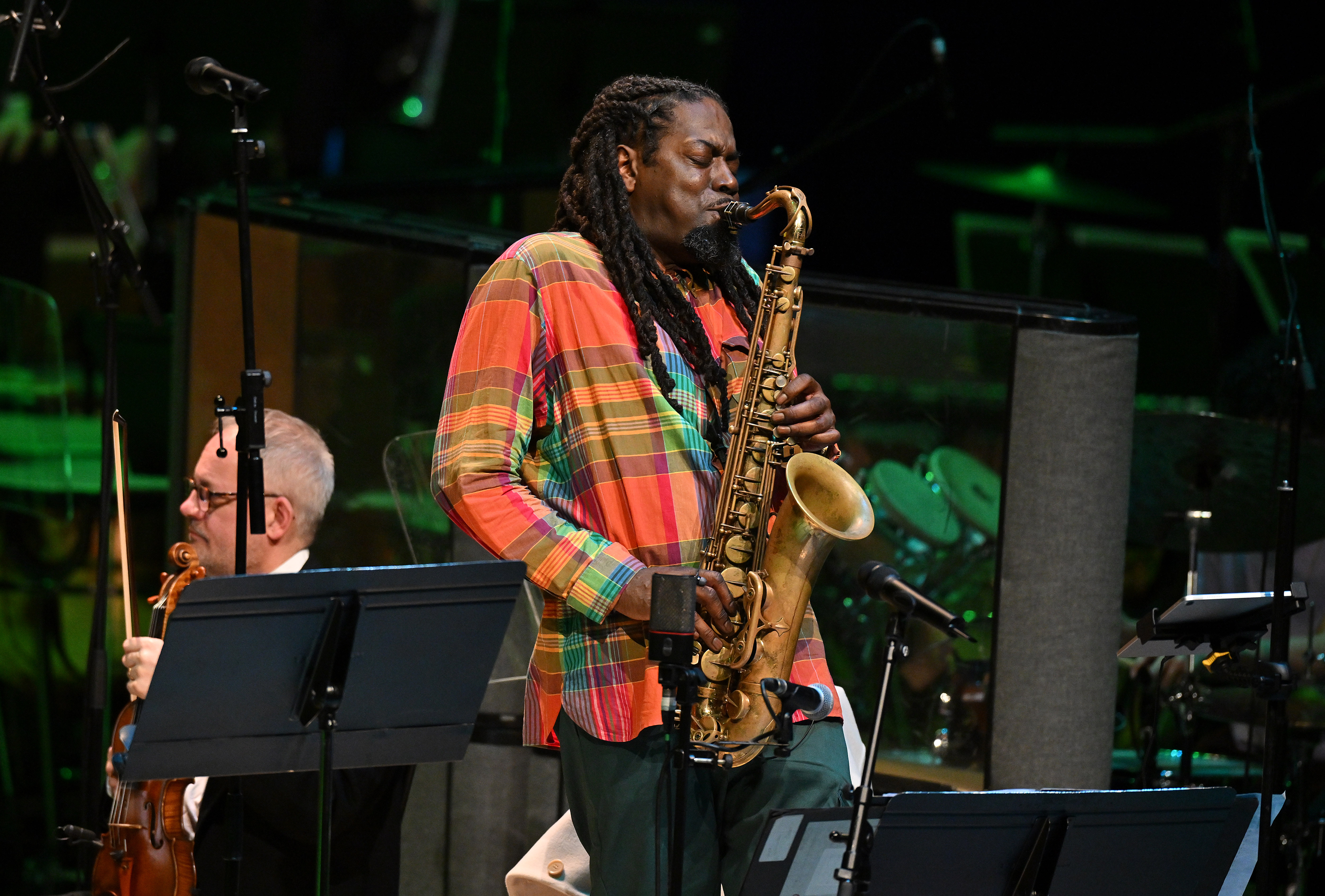
The programme concludes in November at the Barbican Hall, where saxophonist, composer and rapper Soweto Kinch reunites with the Orchestra for Trilogy as part of the EFG London Jazz Festival. Bringing together the three major orchestral works Kinch has created with the LSO since 2019, the performance combines jazz, orchestral composition, hip hop and spoken word to explore history, identity and social change. Conducted by André de Ridder, it represents one of the most ambitious ongoing collaborations between a British orchestra and a contemporary jazz artist.
Taken together, the three performances reflect a wider transformation taking place across the performing arts. Institutions once defined by tradition are increasingly recognising that relevance is not achieved by abandoning classical music, but by allowing it to converse with other artistic forms. Younger audiences, in particular, have shown growing enthusiasm for experiences that blur cultural boundaries, where orchestral music exists alongside theatre, literature, dance and contemporary storytelling rather than apart from them.
For the London Symphony Orchestra, that evolution is not simply about attracting new audiences. It is about recognising that orchestral music has always been capable of reinvention. Throughout history, composers have borrowed from folk traditions, opera, popular music and literature, constantly expanding the possibilities of the art form. Today's collaborations continue that tradition in a contemporary context, demonstrating that innovation has always been part of classical music's story.
As Britain's cultural institutions continue to redefine their role in the twenty first century, the most compelling performances may be those that refuse to fit neatly into existing categories. The concert hall remains central to orchestral life, but increasingly it is becoming a place where artistic disciplines meet rather than remain apart, opening classical music to new conversations, new audiences and new ways of listening.
Continue Reading
More Culture
The parenting book that asks children what their parents got wrong
The Cotswold landscape that has been gathering history for thousands of years
In the Tarn hills, Anne Briaud turns fragments into imagined worlds