Britons Were Promised Energy Security. Instead, Another Bill Shock Has Arrived
Ofgem raises energy price cap 13% from July despite government promises of security. Bills climb again as global gas shocks expose Britain's continued vulnerability.
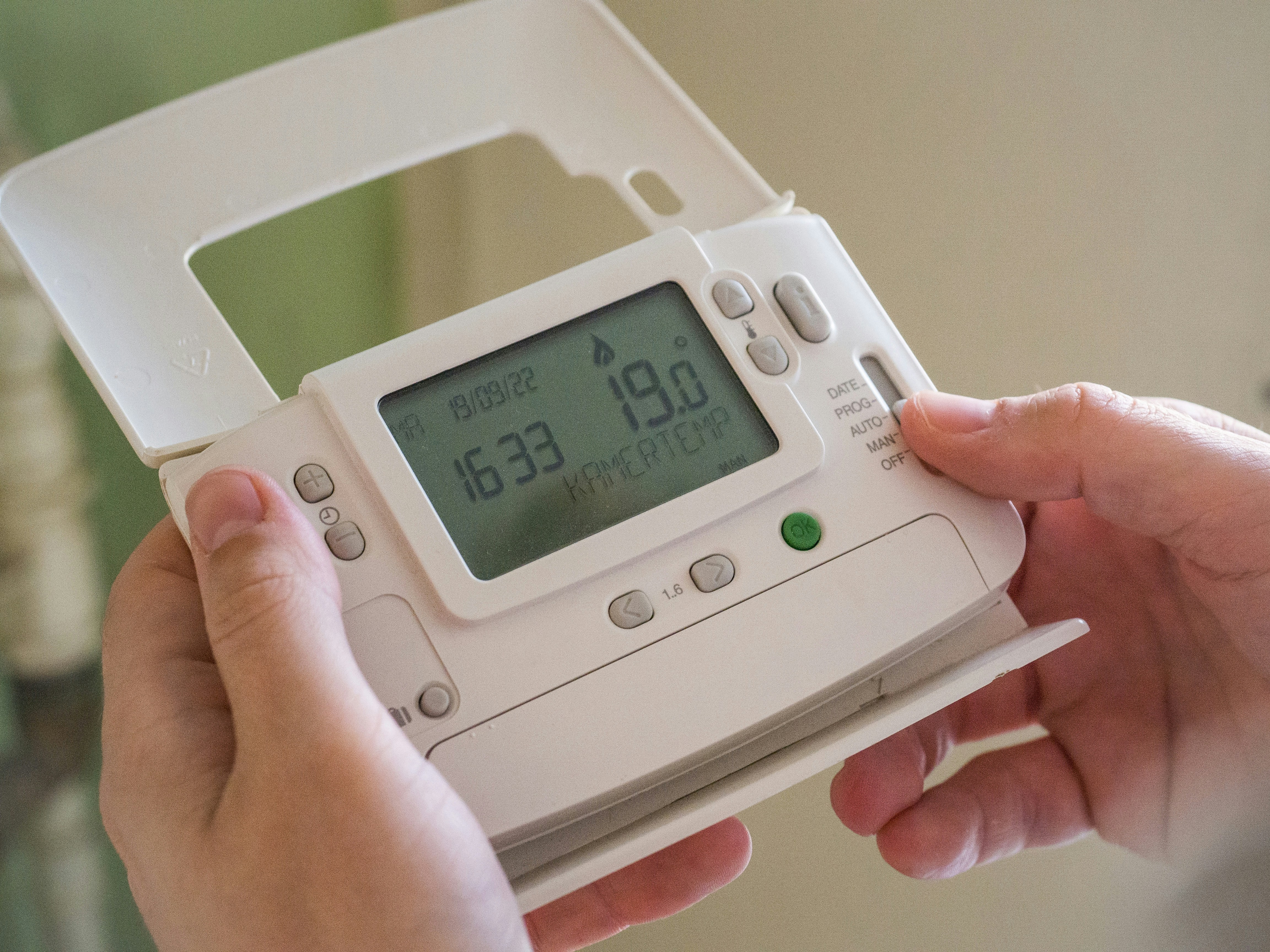
Britons were told that stability was coming. After years of soaring bills, collapsing suppliers and emergency state intervention, the country was promised a future less exposed to volatile global markets and less vulnerable to geopolitical instability. Yet Ofgem’s decision to raise the energy price cap by 13 per cent from July is a sharp reminder that Britain remains exposed in exactly the same way it was before.
For millions of households, the reality is painfully simple. Energy bills are going up again. At a time when inflationary pressure still hangs over almost every part of daily life, another rise in household costs risks reopening a wound many families had only just begun to recover from. The increase arrives not during the height of winter, but in the middle of summer, reinforcing the growing sense that financial pressure in modern Britain no longer arrives in waves. It has become a permanent feature of everyday life.
The political implications are equally uncomfortable. Labour entered government presenting energy reform as both an economic and moral mission. The argument was straightforward enough. Britain’s dependence on international gas markets had left the country dangerously vulnerable, and only a faster transition towards domestic renewable energy could provide long term resilience. Ed Miliband, in particular, framed clean energy not simply as climate policy, but as economic protection against precisely this sort of international instability.
Yet the latest rise demonstrates how incomplete that transition still is. The immediate cause of the increase lies far beyond Westminster. Renewed instability in the Middle East and fears surrounding global gas supply routes have once again sent wholesale prices climbing. Britain remains acutely sensitive to these shocks. A flare up thousands of miles away still works its way directly into British household finances, exposing how fragile the country’s energy position remains despite years of promises about resilience and security.
That is the contradiction now sitting at the centre of British politics. The old energy model has become economically unstable and politically toxic, yet the replacement system is not mature enough to shield consumers from the consequences of global instability. Britain exists somewhere in between, still paying the price for dependence while being asked to trust that long term resilience is eventually coming. Ministers insist the transition is working. Consumers continue opening bills that suggest otherwise.
There is, however, an important detail buried within the latest figures that ministers will undoubtedly point towards in the coming weeks. Electricity prices have risen far less sharply than gas prices. That distinction matters because it suggests Britain’s growing renewable infrastructure is beginning to soften some of the pressure within the wider system, even if it is nowhere near enough to prevent rising bills altogether.
Supporters of Labour’s energy strategy will argue this proves the direction of travel is correct. Critics will argue that households care little about long term theory when immediate costs continue rising regardless. Both positions carry political weight because both contain an element of truth. What increasingly frustrates the public is not simply the existence of higher bills, but the growing sense that no government appears fully capable of insulating the country from them.
For years British politics has been dominated by language surrounding sovereignty, resilience and economic security. Yet energy remains one of the clearest examples of how exposed modern Britain still is. Consumers are repeatedly told that future reforms will deliver stability while simultaneously being asked to absorb another increase in costs. The gap between political messaging and lived reality is becoming harder to ignore.
Even the language surrounding the latest price cap reveals how much expectations have shifted over recent years. Ofgem’s revised calculations are partly based on households using significantly less gas and electricity than they once did. In effect, reduced consumption has quietly become the new normal. Families have adapted not necessarily because prosperity returned, but because many learned to live differently after successive financial shocks. Heating less, using less and spending more carefully has become embedded into everyday life for millions across the country.
The wider economic risks are now difficult to dismiss. Rising energy costs feed directly into inflation, weaken consumer confidence and place additional strain on sectors already operating on narrow margins. Retail, hospitality and leisure businesses understand this cycle all too well. When utility bills rise, discretionary spending tends to disappear quickly, and the effects ripple far beyond household finances alone.
There is also growing concern about what happens next. Industry forecasts already suggest further pressure could emerge heading into winter. If wholesale markets remain unstable, ministers may soon face renewed calls for support packages at precisely the moment they hoped the country had moved beyond crisis management. That creates a politically dangerous atmosphere for the government. Labour cannot afford to appear powerless on the economy after presenting itself as the party capable of delivering national renewal and long term stability.
Ultimately, this latest rise is about far more than energy bills. It is about whether modern Britain can genuinely protect itself from external shocks, whether living standards are truly recovering in any meaningful sense, and whether the promises repeatedly made to voters about stability and security are beginning to feel believable. For now, many households will look at July’s increase and conclude that the country is still waiting for both.
Continue Reading
More News
The old football boots being given another match
Starmer leaves Parliament with public backing for his departure
Farage faces a test of credibility as Reform’s momentum begins to fade