As London's independent music venues disappear, one Chelsea club is celebrating half a century
The 606 Club marks 50 years this October as Chelsea's jazz institution survives where dozens of London independent music venues have closed.
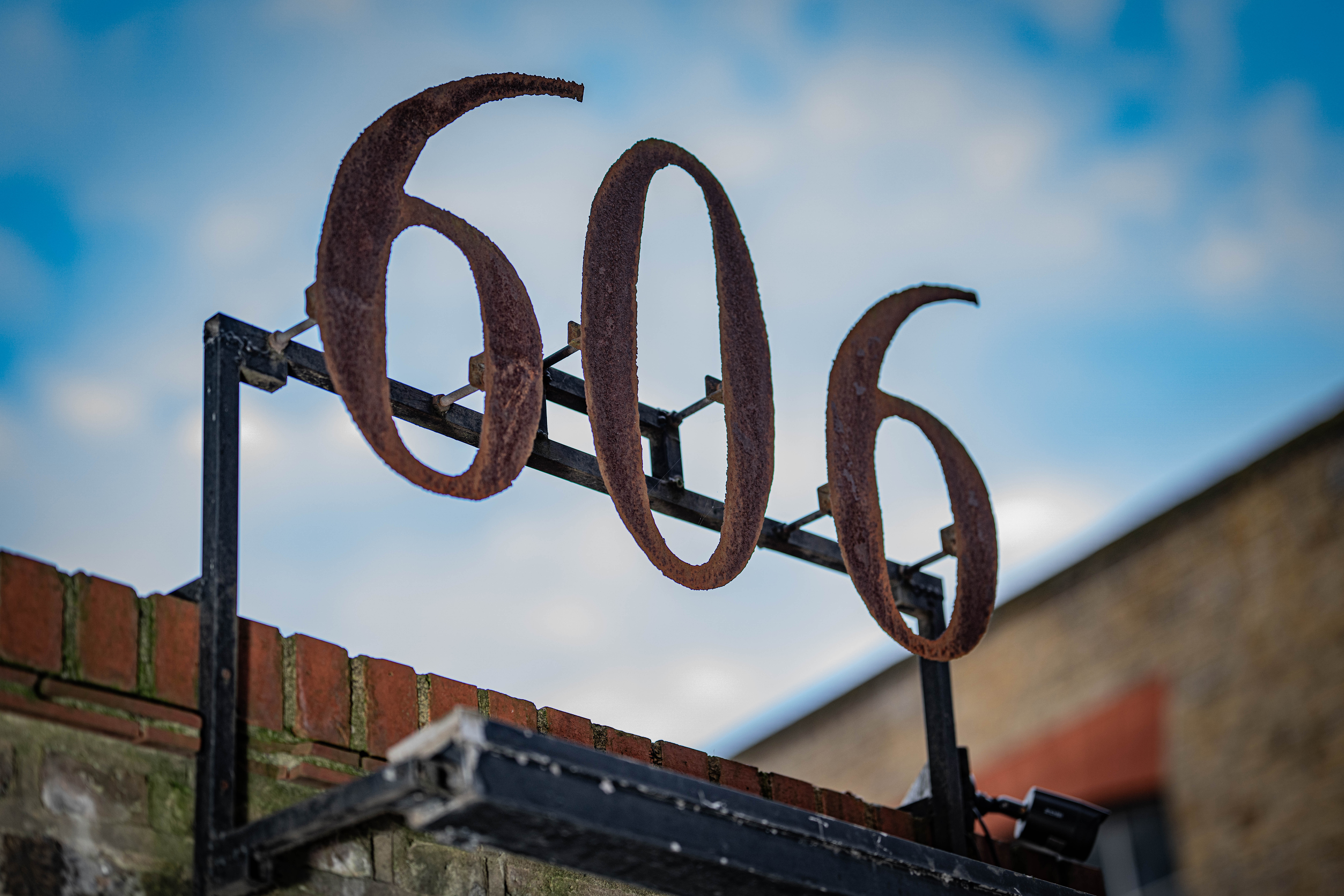
Few cities can rival London when it comes to live music, yet the venues that have shaped its cultural identity have become increasingly fragile. Rising rents, changing nightlife habits and mounting operating costs have forced dozens of independent venues to close their doors over the past two decades, leaving many artists with fewer places to perform and audiences with fewer opportunities to discover new talent. Against that backdrop, reaching a 50th anniversary has become an achievement in itself.
That milestone will be marked this October by the 606 Club, the Chelsea venue that has quietly established itself as one of Britain's most respected homes for live jazz and contemporary music. What began in 1976 as a modest basement club on the King's Road has grown into an institution whose influence extends far beyond its intimate setting.
Unlike many venues that have relied on headline acts to build their reputation, the 606 Club became known for nurturing musicians at every stage of their careers. Among those to perform there in their early years was Jamie Cullum, who would go on to become one of Britain's most internationally recognised jazz musicians. Over the decades, the club has also welcomed performers including Claire Martin, Julian Joseph, Ian Shaw, Jason Rebello, Liane Carroll, Jim Mullen and Hamish Stuart, helping to establish a reputation as one of the capital's most important stages for British talent.
Much of that success has been shaped by Steve Rubie, who took over the venue in October 1976 after initially training as a dentist before pursuing music professionally. Under his leadership, the club relocated from its original King's Road basement to its current home on Lots Road while remaining committed to a philosophy that distinguished it from many of its contemporaries: championing musicians based in the UK.
Rubie has often acknowledged that the decision was born as much from necessity as ambition. Unable to compete financially with venues regularly booking American artists, he instead focused on creating opportunities for British performers, a strategy that ultimately became one of the defining characteristics of the club. In doing so, the 606 developed a loyal community of musicians and audiences that has endured across five decades of dramatic change within London's live music scene.
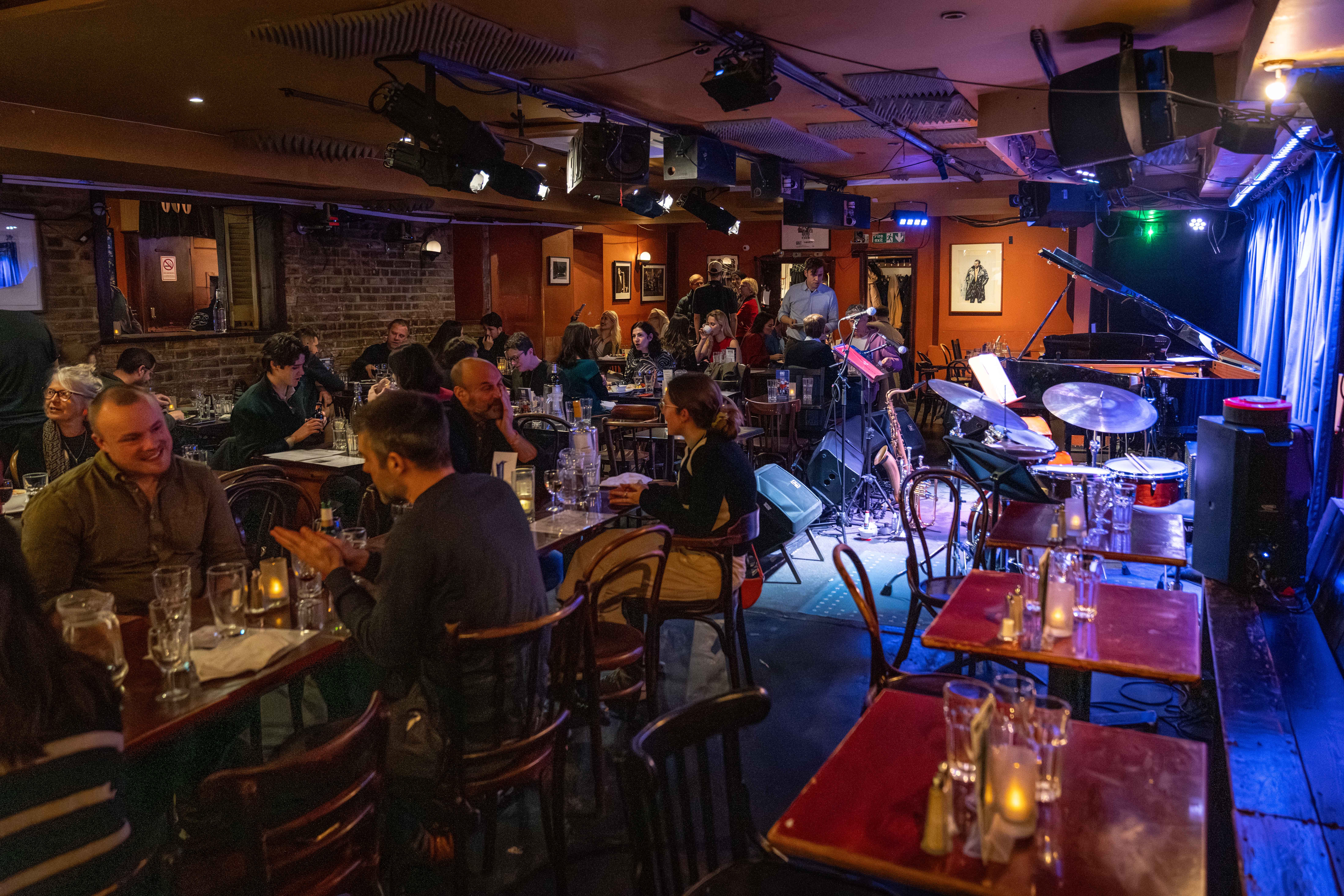
That sense of community has become increasingly valuable as independent venues continue to face mounting challenges. Across the capital, many smaller clubs have disappeared entirely, while others have struggled to balance rising costs with the need to remain accessible to audiences and emerging artists. The survival of long-established venues is therefore about more than nostalgia; it reflects the continued importance of grassroots performance spaces in developing the next generation of musicians.
The significance of Steve Rubie's contribution to British music has been recognised beyond Chelsea. In 2019, he received the Worshipful Company of Musicians' Lifetime Achievement Award for Services to Music, recognising not only his work as a performer but also his decades of commitment to supporting live music through the 606 Club.
To mark its 50th anniversary, the venue will host a series of celebratory events throughout October, bringing together artists and audiences who have helped shape its history. Full programme details will be announced in the coming months.
As London's cultural landscape continues to evolve, the story of the 606 Club serves as a reminder that some of the city's most significant institutions are not its largest concert halls or arenas, but the independent venues where careers begin, communities form and live music continues to thrive, one performance at a time.
Continue Reading
More Lifestyle
The Delights of Coffee Season - the London Autumn Edit
Luxury Childcare Association opens voting for its 2026 awards
A new photobook is looking for the London beyond the landmarks