10,000 Essex children put police on the spot over knife crime, misogyny and deepfakes
10,000 Essex children questioned Chief Constable on knife crime, misogyny and deepfakes with no script. The mass democracy exercise reaches Westminster in 2026.
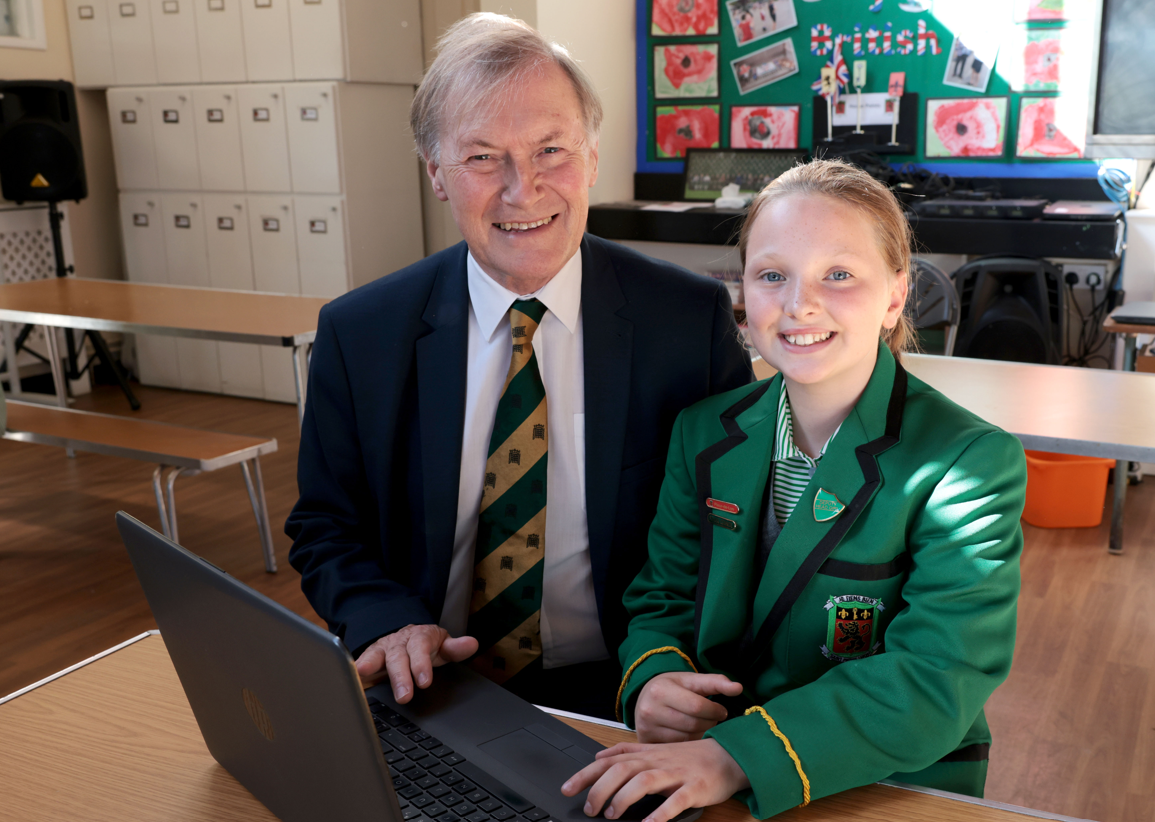
Thousands of primary school children have questioned senior police figures on some of the most difficult issues facing their generation, in an ambitious democratic exercise that will culminate at Westminster on the fifth anniversary of Sir David Amess's murder.
Adults have spent years debating what children should be told about knife crime, misogyny, artificial intelligence and the dangers waiting for them online. In Essex this summer, somebody decided to reverse the arrangement.
Around 10,000 school children were given the opportunity to debate the issues themselves and put their questions directly to the people responsible for policing their communities.
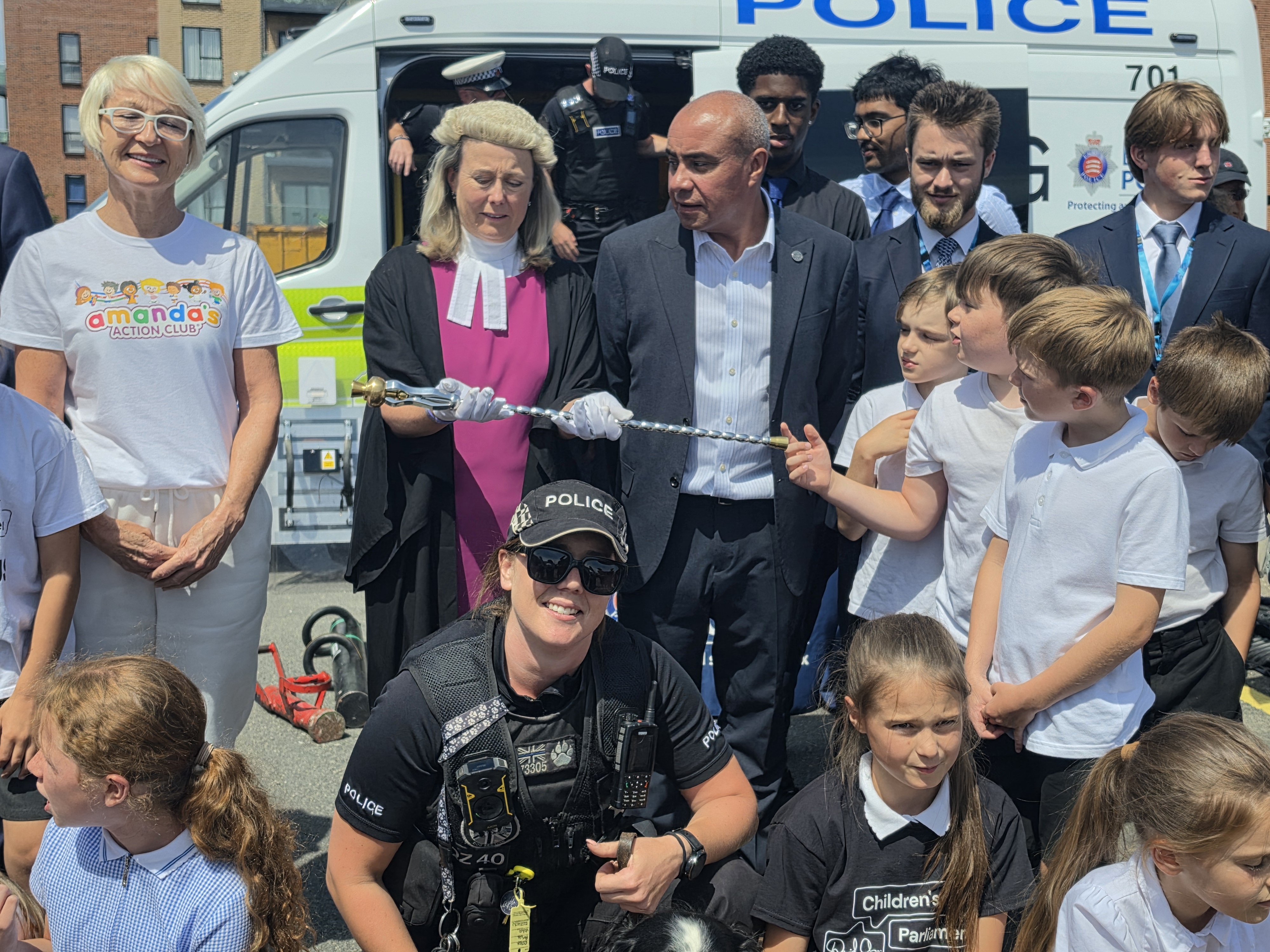
Across June and July, Essex Police, the Sir David Amess Children's Parliament UK and the Active Essex Foundation staged a mass virtual roadshow involving young people from across the county. Among those taking part were newly elected Child MPs from the Children's Parliament, with children aged seven to eleven questioning the Chief Constable of Essex Police, senior officers and the Police, Fire and Crime Commissioner.
There were no pre agreed questions and no carefully managed script. Instead, the children were invited to challenge senior figures directly on knife crime and personal safety, antisocial behaviour, misogyny and the increasingly complicated problem of AI driven misinformation and online harm.
It was an unusually direct experiment in children's democracy, and one built around subjects that are anything but childish.
The agenda itself grew out of concerns already raised by young people. Nearly 2,500 children and young people across Essex had contributed to the ECVYS and Violence and Vulnerability Unit Listening Project, while further questions were submitted through schools, youth groups and community organisations. Those concerns were developed into four central areas for debate and returned to the children to interrogate.
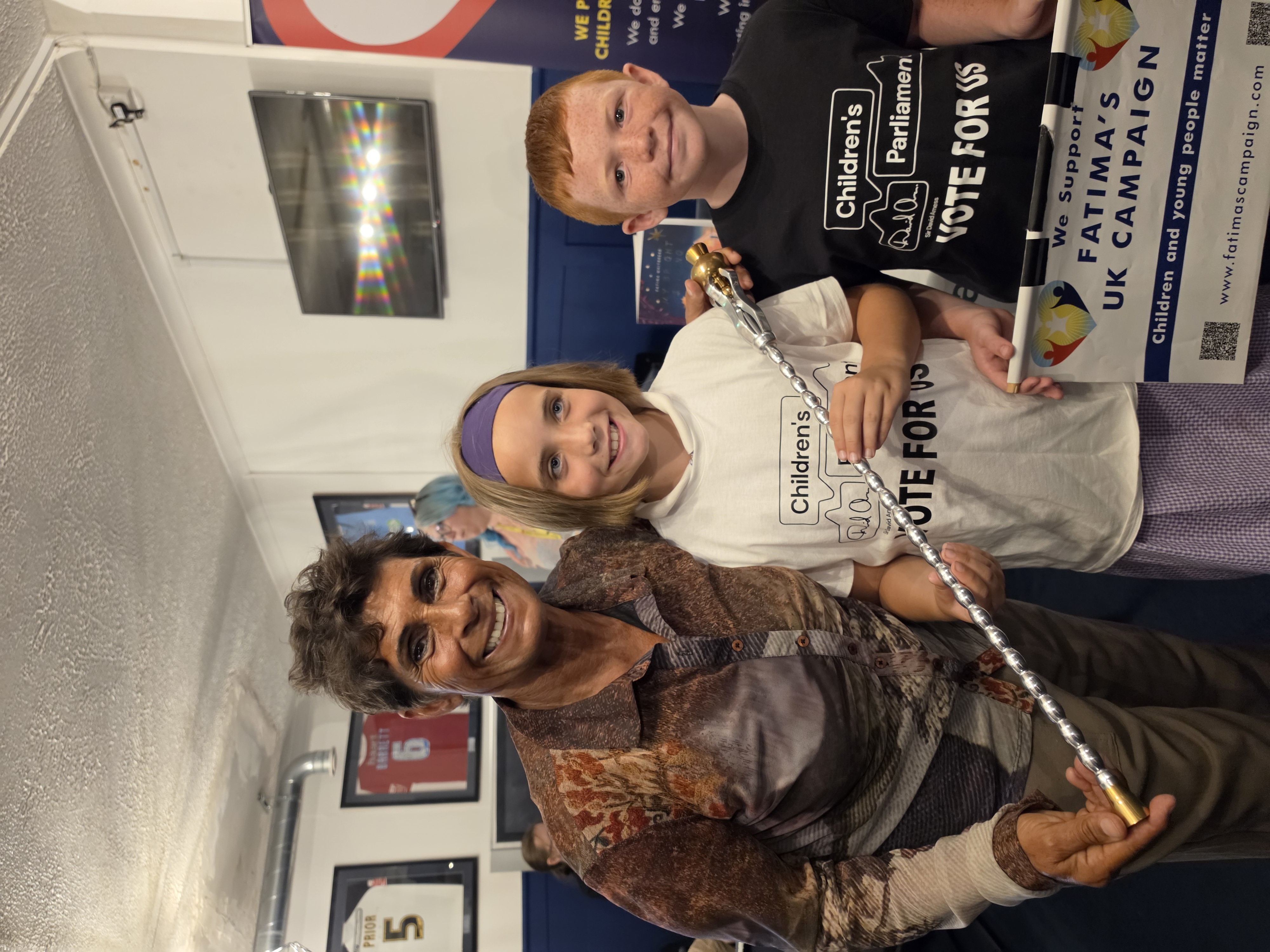
The questions around technology were particularly timely. Children now encounter an online environment transformed by generative artificial intelligence, where distinguishing an authentic photograph, video or voice recording from a manufactured one is becoming increasingly difficult.
Essex Police has already sought to address that changing landscape. In November 2025 the force launched its “Fake or Real? Know the Deal” initiative with BT Group and EE, designed to help families understand deepfakes, disinformation and AI generated sexual imagery involving children. This summer, some of the young people living with those technologies were able to question the police responsible for responding to them.
Yet it was the scale of the exercise that made it unusual. Youth consultation is hardly new, but it can often involve comparatively small groups speaking on behalf of much larger populations. The Essex roadshow attempted something considerably broader, creating direct participation for thousands of ordinary school children rather than relying solely upon selected representatives.
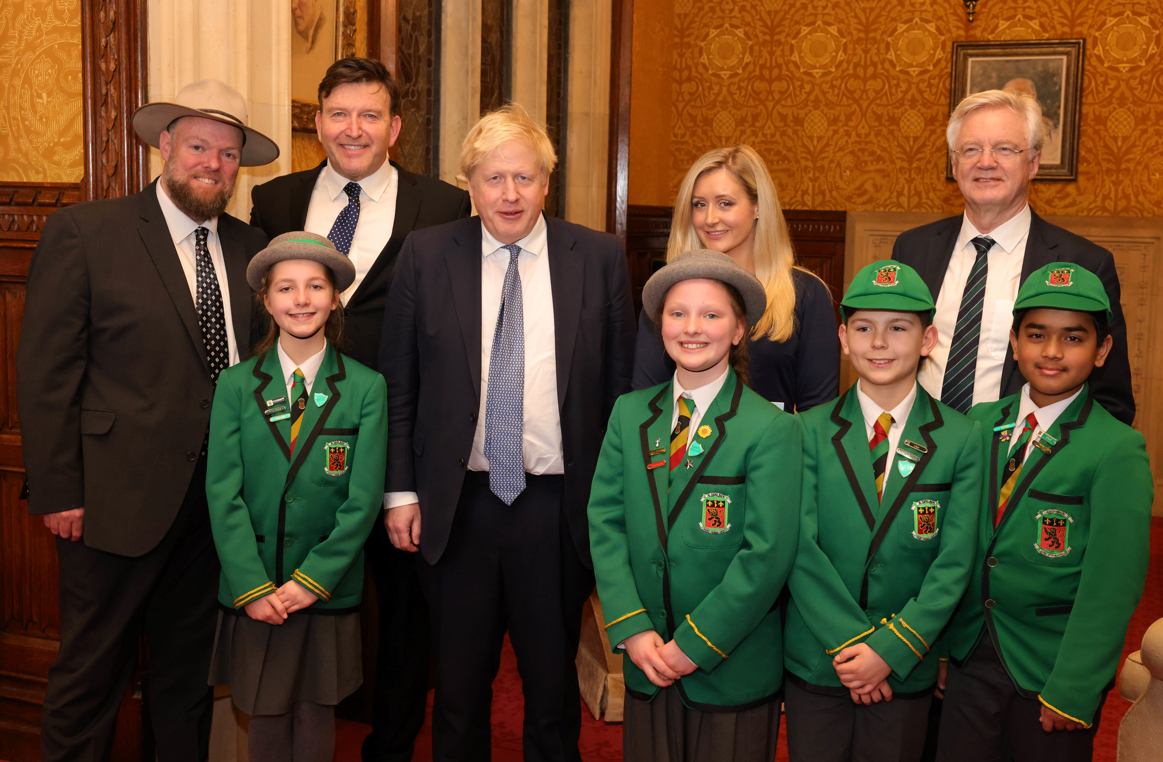
For Anna Firth, Founding Patron of the Sir David Amess Children's Parliament UK and former MP for Southend West and Leigh, the quality of that questioning was precisely the point.
“I have sat in the House of Commons and I can tell you the standard of questioning in those Essex breakout rooms in July would have shamed a fair few adults on the green benches,” she said.
“These children asked why knives are still reaching their friends, they asked why misogyny is being served to boys their age through a phone screen before anyone has taught them how to argue back. They asked what the police are actually going to do about it and they asked the Chief Constable and the Police and Crime Commissioner to their faces, with no script and no safety net.”
Behind the project lies a history that gives the exercise particular significance in Essex.
Sir David Amess, the Conservative MP for Southend West, was murdered during a constituency surgery in Leigh on Sea on October 15, 2021. Days later, he had been due to chair the inaugural session of the Children's Parliament he had helped establish.
Five years later, some of the children taking part in the Essex programme will carry their arguments to Westminster.
The most engaged participants will progress through the programme before an Essex delegation joins the national Children's Parliament on October 15, 2026, the anniversary of Amess's murder. There, children will debate in Committee Room 14 at the House of Commons, taking questions first raised in classrooms and online discussions into Parliament itself.
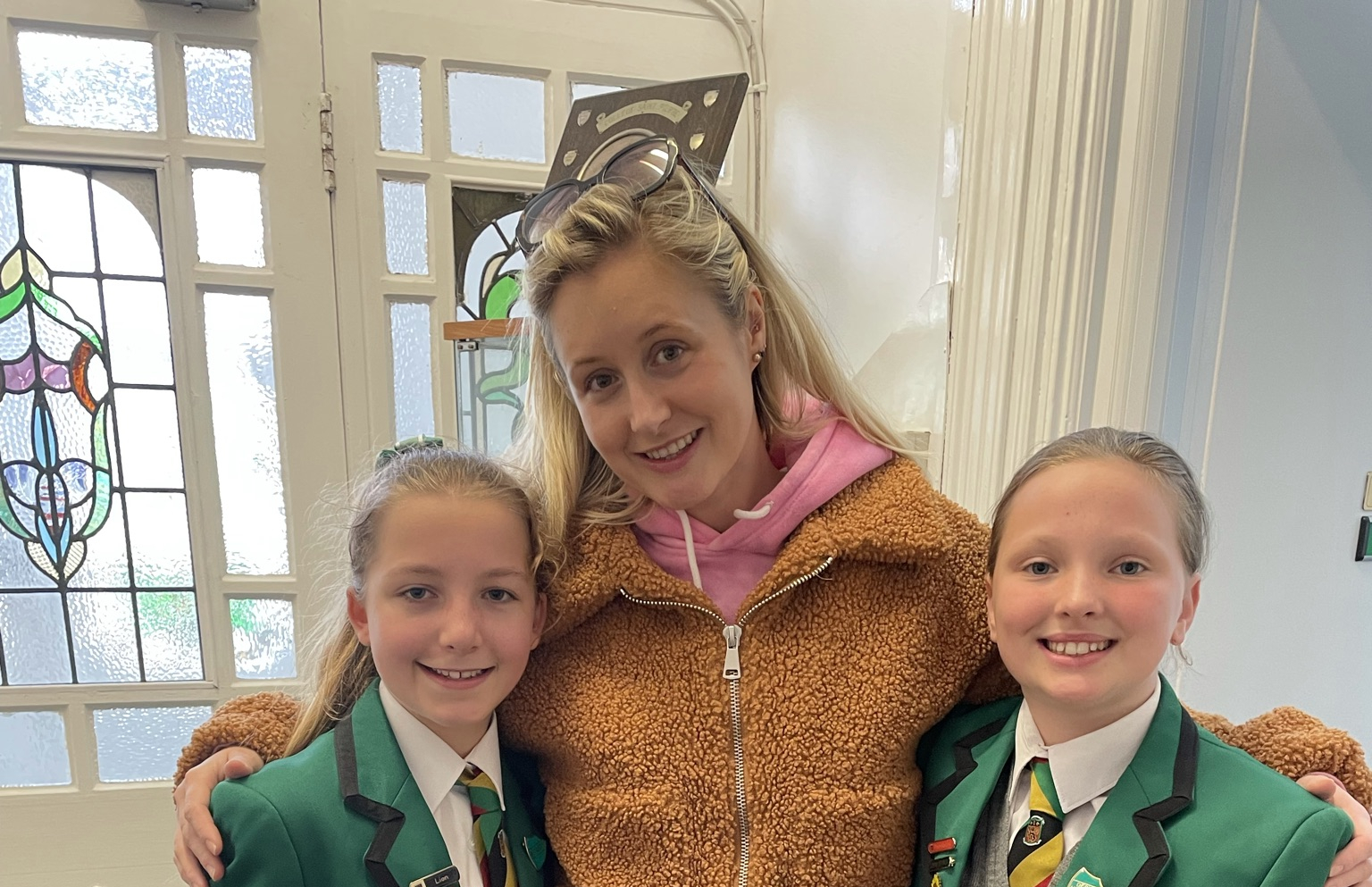
Derek Laud FRSA, Chairman of the Sir David Amess Children's Parliament UK, believes the exercise demonstrates what can happen when institutions stop merely talking about listening to children and provide the infrastructure for them to participate.
“For years adults have talked about young people and knife crime, young people and online harm, young people and antisocial behaviour,” he said. “Consultations with young people are usually among selected groups and the Roadshow gives ordinary school children direct access to the police and politicians to speak honestly.”
“They know precisely what is happening in their communities, they have simply never been previously given a chamber to say it in.”
The project also attempts to move children's participation beyond the classroom. A summer culmination event at Roots Hall, home of Southend United, will bring participants together with Essex Police for a live policing showcase involving specialist teams including police dogs, drones, roads policing and public order units. The Essex delegation progressing to Westminster will be selected from the programme.
Andrew Fox, Acting Chief Executive of the Sir David Amess Children's Parliament UK, said the willingness of Essex Police to submit itself to direct questioning was central to making the initiative meaningful.
“Every institution in this country says it wants to hear from young people. Very few are willing to stand in front of them and be asked where they can do better,” he said.
“What the roadshow exposed is that the gap is not engagement, it's creating an opportunity which includes thousands of children, not a selected handful to speak honestly.”
For the Children's Parliament, there is an ambition for the Essex programme to become more than a one off experiment. Its organisers believe the model could eventually be replicated elsewhere, providing other police forces and public bodies with a structure through which large numbers of younger children can participate directly in discussions about the policies and problems affecting them.
That will depend upon what happens after the questions have been asked. The test of any consultation is not simply whether people were permitted to speak, but whether those listening can demonstrate that anything happened as a result.
Roderick Thackray, Board Director of the Sir David Amess Children's Parliament UK, argues that this distinction is particularly important to the organisation.
“This is not a legacy project in the sentimental sense,” he said. “Sir David did not want a plaque, he wanted a mechanism, a route by which a child in a Southend classroom could end up on the floor of the House of Commons with something to say.”
“Our responsibility as a board is to make sure what those young people said in July does not evaporate the moment the cameras leave. It goes to Westminster in October and it goes on the record.”
That may ultimately prove the more important legacy of what happened in Essex this summer. Children who are too young to vote are nevertheless living with the consequences of decisions made about policing, technology, public safety and the online world every day.
In October, some of them will arrive at Westminster not simply to tour Parliament, but to participate in the democratic process Sir David Amess believed should have room for them.
Five years after he was killed while listening to the people he represented, children from his county will enter Parliament with questions of their own.
Continue Reading
More News
The old football boots being given another match

Starmer leaves Parliament with public backing for his departure

Farage faces a test of credibility as Reform’s momentum begins to fade