Yuval Noah Harari joins students calling for a greater role in shaping the future
Yuval Noah Harari joins schoolchildren at Davos to create the Rosenberg Youth Manifesto, a student-led document proposing practical action on AI, climate and governance.
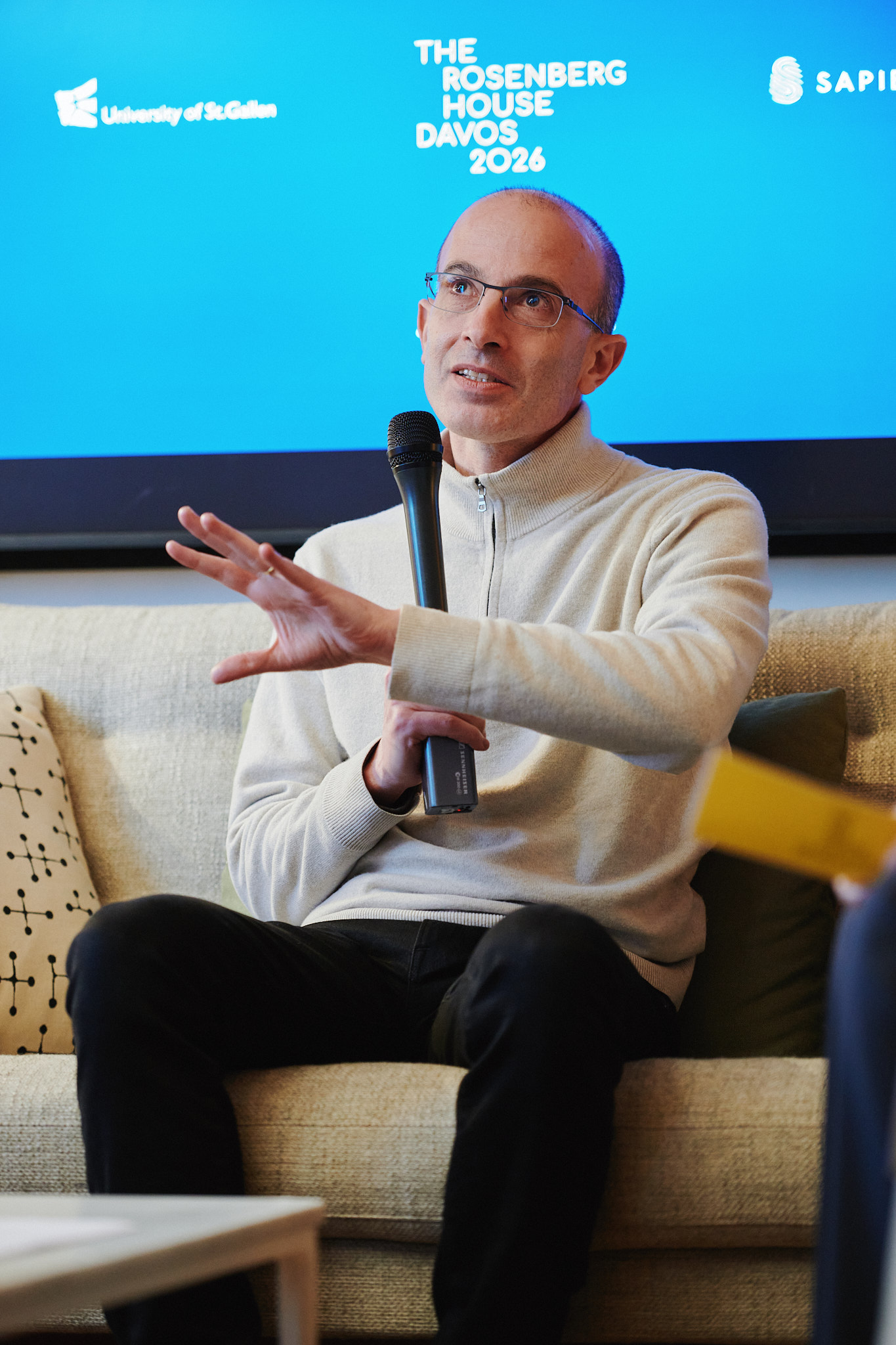
For much of the past decade, Yuval Noah Harari has been one of the world's most influential thinkers on the challenges facing modern society.
Through bestselling books such as Sapiens and Homo Deus, the Israeli historian has explored everything from artificial intelligence and biotechnology to the future of work and the fate of liberal democracy. His ideas have been debated by presidents, prime ministers, business leaders and technology entrepreneurs. Yet earlier this year, Harari found himself engaged in conversation with a rather different audience: schoolchildren.
The discussions took place during World Economic Forum week in Davos, where students from Institut auf dem Rosenberg, the Swiss boarding school, hosted what is believed to be the first dedicated school presence in the history of the annual gathering. While global leaders, chief executives and policymakers debated the future of the world economy, Rosenberg House Davos gave students the opportunity to question those helping to shape it.
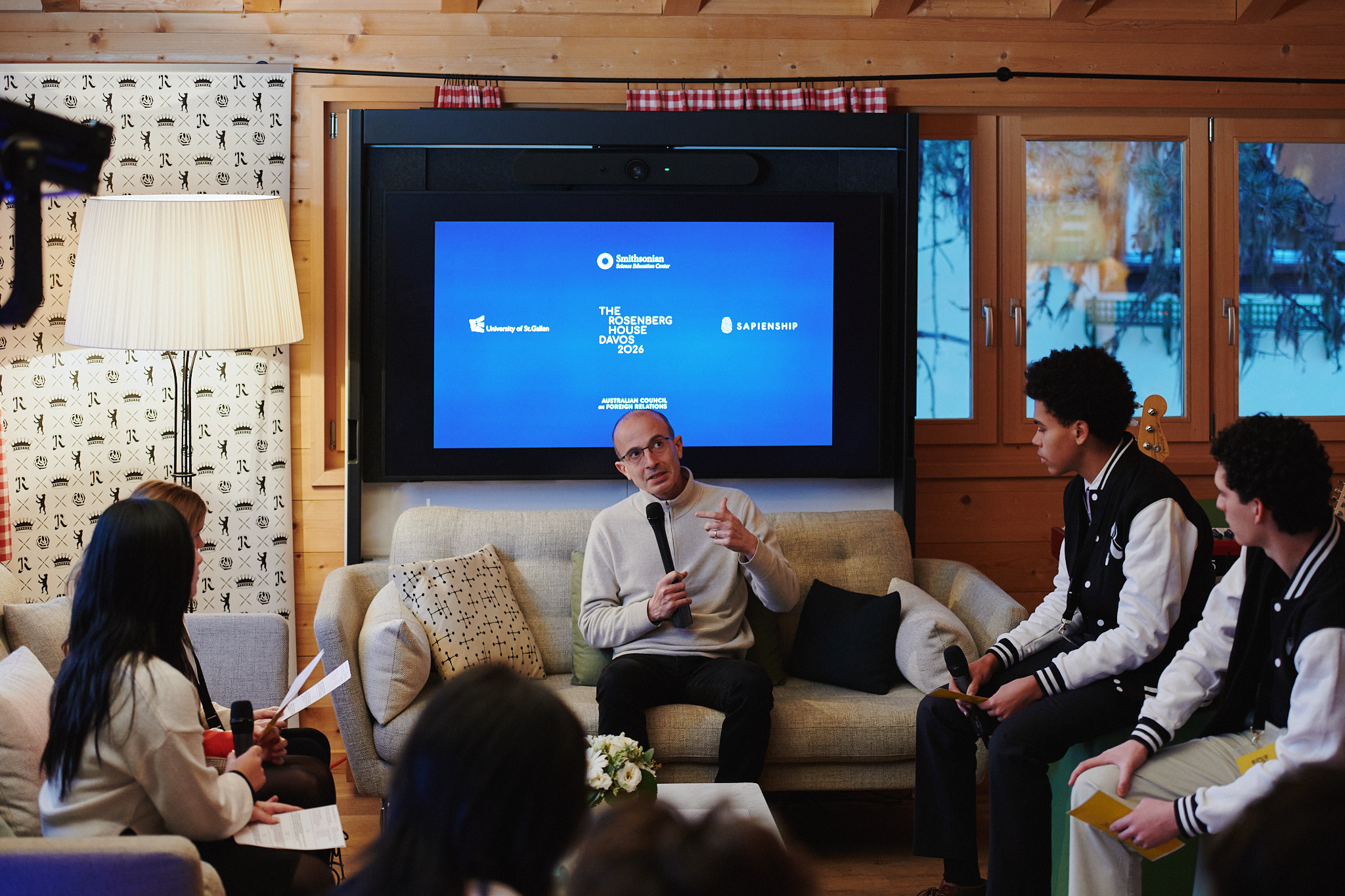
The result is the Rosenberg Youth Manifesto, a student-authored document due to be published next week that seeks to transform those conversations into practical recommendations for education, business and government.
The manifesto emerges at a moment when institutions across the world are grappling with a common challenge: how to involve younger generations in decisions that will disproportionately affect their future. Climate change, artificial intelligence, demographic change and technological disruption are all issues whose consequences will be felt long after today's leaders have left office.
For many of the students involved, the question was not whether they should have a voice, but how that voice could be translated into action.
Throughout the week in Davos, students participated in salons, debates and roundtable discussions with figures from politics, technology, science and culture. Participants included prime ministers, diplomats, academics and entrepreneurs, alongside Harari, whose work has consistently examined the relationship between humanity and emerging technologies.
One of the historian's observations appears particularly relevant to the debate. Young people, he argued, should develop a deeper understanding of the world around them without feeling solely responsible for managing it. The responsibility for stewardship, he suggested, remains with adults.

It is a view that captures the delicate balance at the heart of the initiative. The students behind the manifesto are not demanding control. Instead, they are arguing for participation.
That distinction matters.
Many youth-focused initiatives concentrate on gathering opinions. The Rosenberg project seeks to move a step further by proposing practical actions. Developed in collaboration with Climate Words, an organisation focused on climate literacy and communication, the manifesto includes definitions, recommendations and examples designed to help leaders move from discussion to implementation.
The document covers subjects including leadership, innovation, sustainability and governance. Yet perhaps its most striking feature is its age range. While many youth reports focus on university students or young professionals, the Rosenberg initiative includes contributors as young as six years old alongside older students preparing for university.
Supporters argue that this wider perspective offers a more authentic reflection of how younger generations view the future. Critics may question how much influence such contributions should carry. Yet even sceptics would struggle to deny that today's students are growing up in a world shaped by challenges previous generations never faced.
The programme also highlights the evolving role of education itself. Increasingly, leading schools are seeking to move beyond traditional classroom learning, exposing students to real-world decision-making and international networks. Rosenberg House Davos represents one of the more ambitious examples of that trend, bringing students into direct contact with individuals operating at the highest levels of politics, business and academia.
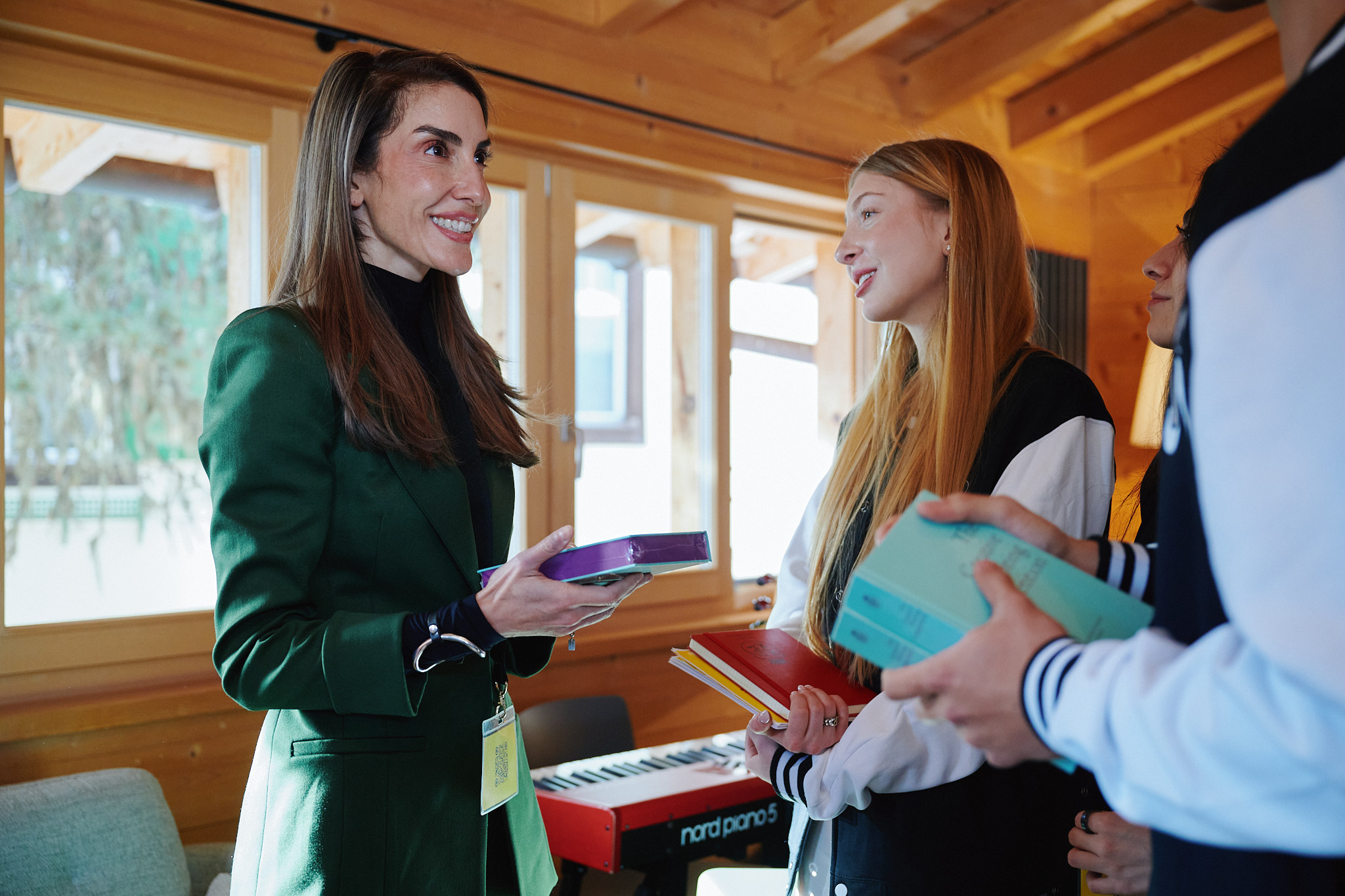
The involvement of organisations including MIT, UC Berkeley, ETH Zurich, the Smithsonian Science Education Center, Vitra and the Tim Bergling Foundation reflects the scale of those ambitions.
Whether the manifesto influences policy is ultimately a question only time can answer. Most reports, declarations and conference communiqués disappear quickly from public attention. The challenge facing the students is the same one confronting politicians and business leaders: translating ideas into measurable action.
Yet there is something notable about the project itself. At a time when discussions about younger generations often focus on anxiety, disengagement or social media, the students involved have chosen a different approach. Rather than criticising from the sidelines, they have sought to participate in the conversation.
Harari has spent much of his career asking what humanity's future might look like. The students of Rosenberg are asking a related question: what role should they play in shaping it?
The publication of the Rosenberg Youth Manifesto next week will not provide a definitive answer. It may, however, suggest that the next generation is increasingly unwilling to wait for one.
Continue Reading
More News
Ed Davey’s biggest problem may be that much of Britain barely notices him
Britons are split over tax and spending as the Budget choices tighten

The young Britons turning social media influence into millions in advertising value