Why everyone should aspire to be a 40-year-old woman: Exclusive interview with performer Justin Elizabeth-Sayre
Justin Elizabeth Sayre reclaims '40-year-old woman' as a queer battle cry at Ed Fringe 2026. The New York performer celebrates ageing, visibility and joy.
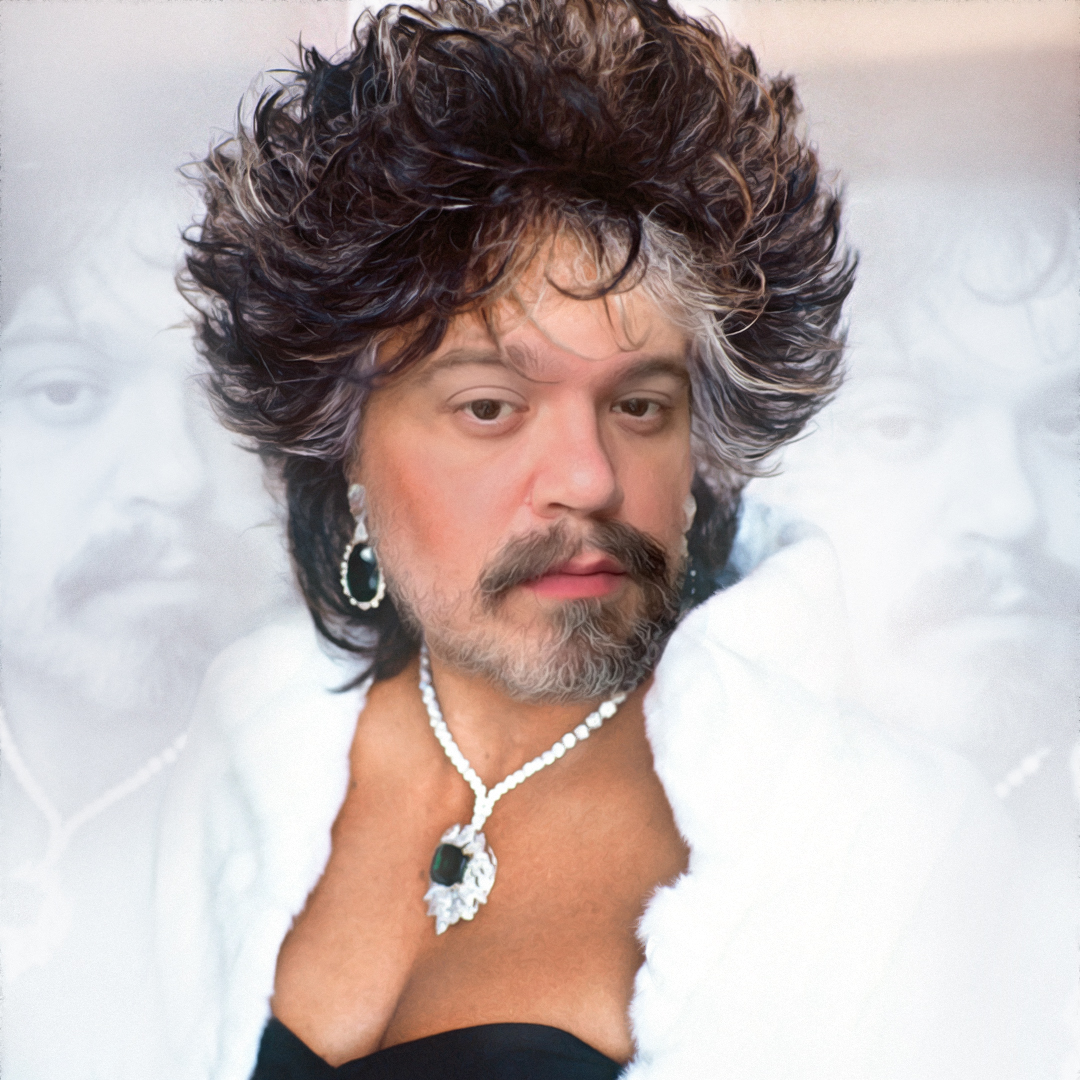
Justin Elizabeth Sayre is a 40-Year-Old Woman is a sharp-witted and deeply affirming exploration of ageing, queer identity and refusing to disappear. The show is inspired by the great divas of Hollywood, reclaiming the idea of the “40-year-old woman” as a state of mind - bold, self-possessed, foul-mouthed and fabulous. We chat to award-winning New York writer and performer Justin Elizabeth Sayre about looking for a story, swagger, joy and being seen.
You describe the show as part stand-up, part storytelling and part battle cry. Which of those came first when you started writing it?
Everything to me springs from a story. Across all my work, I’m always looking for the story. The story of this show became very important to me very quickly, because it was not just a story about my own self-realization, but also a story about all those people who didn’t get there. It became a celebration for me, so early on in the writing, and it was that joy and that gift of getting to write this story that really encouraged me on. I love what this show is and what it says, but more than anything I’m so grateful that I get to say it.
Justin Elizabeth Sayre Is a Forty-Year-Old Woman reclaims a phrase that could be used dismissively and turns it into something triumphant. Why was that act of reclamation important to you?
I think my whole life I’ve wanted to be a 40 year old woman. You know, when I was a kid and I’m playing pretend with my friends, I always wanted to be the evil queen. I didn’t really want to be a princess, because princesses seemed powerless to me. I wanted to be in charge of my self, so to me being a 40 year old woman is just that. It’s about being in charge. It’s about being sure and solid and ready. That’s not someone that can be dismissed. That’s a star, baby. That’s someone who’s been through the fire, the trials, the confusion, the loss, and arrives triumphant. That’s a hero or a heroine.
The show draws on icons such as Bette Davis, Lauren Bacall and Auntie Mame. What do those figures represent for you beyond nostalgia or glamour?
That’s deep stuff for me, you know, because these were the great heroes of my youth. While some kids were obsessed with footballers or pop stars, I was totally obsessed with these ladies. I loved their style and their swagger, but more so than anything else, they inspired me to be seen in a world that was actively telling me to hide. These women, these brave and brilliant woman, showed me a way to set my own course. To follow my own curiosity and my own bliss. I think they were great lamp-lighters for me, because they showed me a way of being myself in the world of silence and conformity. That’s more than just an attitude or a facade, that’s a way of life, and I’m grateful that I discovered that as early as I did.
The piece opens into a wider conversation about queer ageing and visibility. How has your understanding of queer adulthood changed as you’ve grown older?
Well there’s a wound that I think that many of us, especially those of us who grew up in the wake of the AIDS crisis feel so deeply. The first gay person I ever saw on television was a man dying of AIDS. The shadow of that loss cast a huge pale over my own understanding of getting older. I think for a lot of us, it inspired a certain fatalism, where youth was the only commodity. But then the world changed, as the world always does, and suddenly we’re all wondering how do we get older, and be out, and be forever queer? How do we keep the fabulousness alive? I feel more fabulous than I ever have before. I know myself, and feel sure in myself for the first time in my life, and now, what?... that’s supposed to be over because I’m not twenty and bendy? I wasn’t nearly as fun at twenty, I can tell you and I can still bend. Life is such a gift, I can’t imagine seeing any other way now, especially in the wake of all that loss. I want to live a good long queer life for all those beautiful young people who didn’t get to.
Why do you think contemporary culture still struggles with the idea of ageing?
Some of it’s just marketing really. I mean, do you care about a LaBubu? I don’t. Nor do I want to. I think the real struggle is that no one wants to be a grown up anymore. No one wants to be in charge. Some of that comes out of the world being a very scary place, and to be in charge of such a mess usually means that you have to clean it up, but I don’t know, I like the challenge. I believe very strongly that we’re here to do our bit, and I’ve always felt that way. You’re here to keep it all going, to take the gifts that you’ve been given and to share them so that they live beyond you. I think there’s an urge to be seen, but less of a drive to be used up, as Shaw wrote. I want to be used up. Till the very end. Age offers me more chances to give. More to learn, more to be.
You’ve worked across theatre, television and literature. How does returning to a solo live show differ from those other creative spaces? And do you have a favourite?
Live theatre has always been the mainstay in my work and it’s always been my favourite. That live connection with an audience, that electricity. There’s nothing like it. I’ve loved being involved in so many other genres of work, and I’m grateful for each, but being in a theatre, making a show, it’s my idea of heaven.
When audiences leave, what do you hope they feel about their own future selves?
I want them to know that their life is completely their own, it’s their own invention. No matter how old they are or how old they feel, life is this wonderful, mysterious, and precious gift and while you have it, use every bit of it. And use every bit of yourself, your heart, your mind, your style, your sex, all of it. Make it big. Make it count. We may not be this way again, so why not have a ball. I know I’m planning on it! I want that joy for them. I hope that’s what this show is about more than anything. The Joy of being your own 40 year old woman, whatever that means to you.
Justin Elizabeth Sayre is a 40-Year-Old Woman will be performed at 6:10pm at Underbelly Bristo Square from 5th -30th August at the Edinburgh Fringe Festival Booking link: https://www.underbellyedinburgh.co.uk/events/event/justin-elizabeth-sayre-is-a-40-year-old-woman
Continue Reading
More Ed Fringe 2026
Lorna-Rose Treen ‘Now That’s What I Call Characters’ Interview
Q&A: Talking all things Edinburgh Fringe with Only Bones creator and performer Daniel Nodder
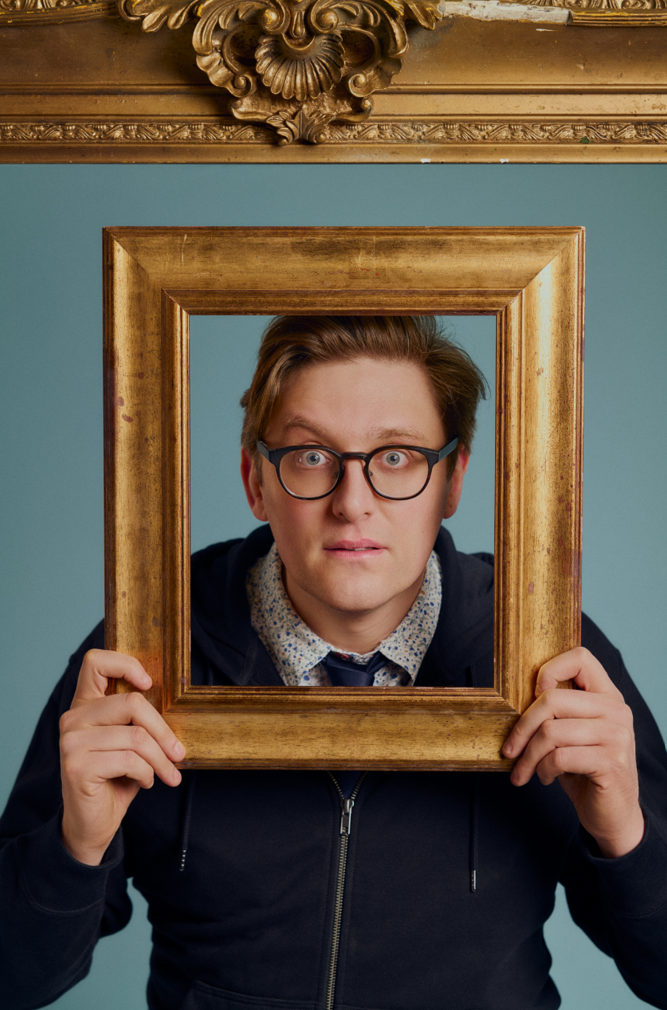
Tom Neenan answers our questions ahead of Tom Neenan: Portrait of a Tom as a Young Neenan heading to the Edinburgh Festival Fringe