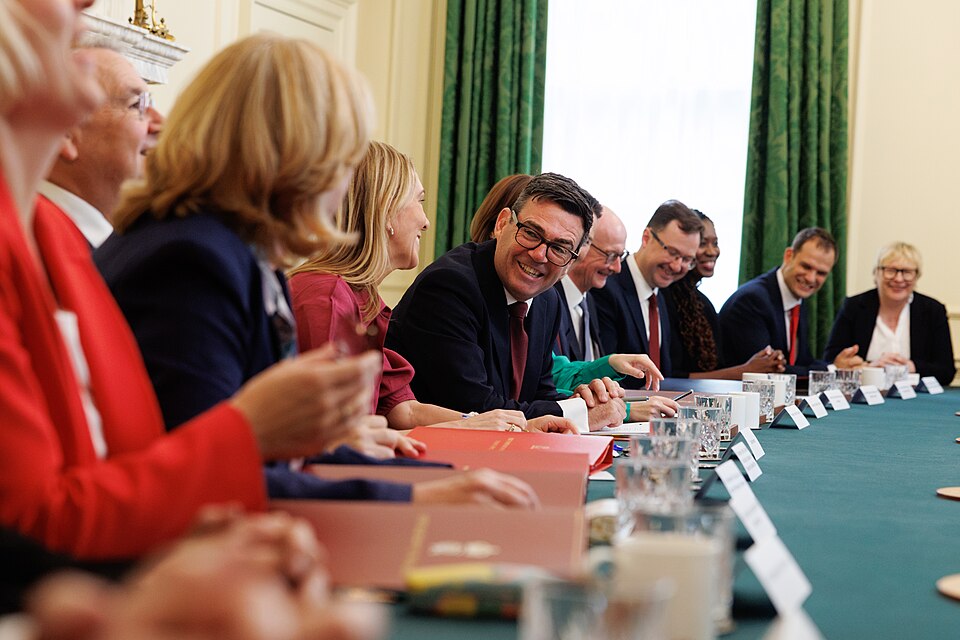
Tony Blair’s Warning to Labour’s Leadership Contenders Britain Cannot Afford a Lurch Back to the Left
Tony Blair warns Labour leadership contenders against lurching left, saying anti-growth politics and higher taxes will destroy the party's electability.
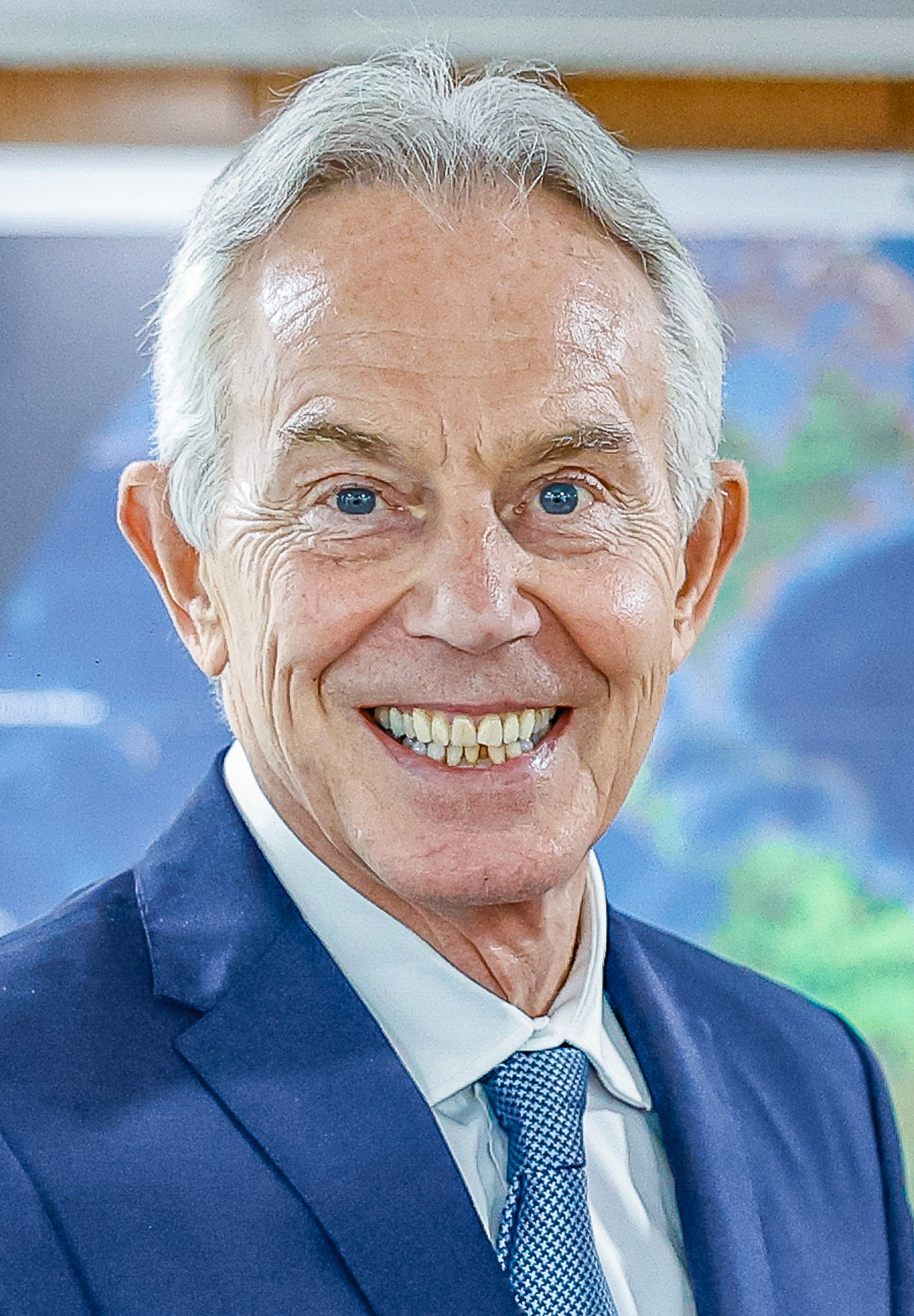
Lula Oficial, CC BY-SA 2.0, via Wikimedia Commons
Tony Blair’s intervention this week was not the nostalgic reflection of a retired former prime minister. It was a direct political intervention from the only Labour leader in modern British history who truly understood how to win over Middle Britain and keep hold of power.
At a moment when Keir Starmer’s authority is visibly weakening, Blair has chosen to enter the conversation with remarkable force. The timing is impossible to ignore. Westminster is already circling around the question of succession. Wes Streeting’s name continues to surface. Andy Burnham remains the preferred fantasy candidate of Labour’s soft left. Nervousness inside the parliamentary party is growing. Polling has become increasingly volatile. Reform UK continues to rise.
Into that atmosphere steps Blair with a clear message to Labour. Move further left and you will destroy yourselves.
His essay was framed as a warning about policy and direction, but in truth it was something far more politically significant. It was Blair weighing in on the leadership battle before it has formally begun and making clear which direction he believes Labour must not take.
The former prime minister’s frustration is evident throughout. He believes Labour is drifting back towards the very instincts that made much of the country stop trusting the party in the first place. Higher taxes. Expanding welfare dependency. hostility towards business. Ideological policymaking. Symbolic politics disconnected from economic reality.
Blair’s warning is ultimately about decline. Not simply Labour’s decline, but Britain’s.
He argues that the world is entering a period of enormous economic and technological upheaval driven by artificial intelligence, global competition and geopolitical instability, yet large sections of Labour continue behaving as though politics still revolves around old left wing orthodoxies from decades ago.
On this point, Blair is absolutely correct.
While voters worry about falling living standards, stagnant wages, migration pressures, weak productivity and national decline, too much of Labour still appears obsessed with activist causes, bureaucratic expansion and ideological positioning that resonates far more strongly inside London political circles than it does across the rest of the country.
Blair understands something many modern Labour politicians still do not. The British public is not instinctively left wing. It is instinctively practical. Voters will tolerate ideological language only if they believe the country is functioning well underneath it. Once living standards weaken and confidence collapses, patience for abstract political projects disappears remarkably quickly.
That reality now hangs over Starmer’s government.
The deeper significance of Blair’s intervention lies in what it reveals about Labour’s internal panic. His essay reads like an attempt to stop the party from spiralling into a civil war between technocratic centrists and an increasingly restless left determined to push Labour towards a far more ideological economic model.
His criticism of anti growth politics was unmistakable. His warnings on welfare expansion were pointed. His scepticism towards economically damaging approaches to net zero was perhaps the clearest signal of all.
Blair understands what many within Labour remain unwilling to admit publicly. Voters support environmental ambition only until it begins directly damaging their own financial security. The moment climate policy starts looking like managed economic decline, public support fractures.
The same realism underpins his comments on Brexit and Europe. Blair remains personally pro European, but even he now recognises that trying to reverse Brexit cannot become Labour’s answer to Britain’s deeper structural problems. The public has moved on. Most voters are no longer interested in refighting the referendum. They want growth, stability, functioning public services and a country that appears governable again.
That is why Blair’s intervention matters beyond Labour itself.
He is articulating a growing frustration felt across large sections of the electorate. Britain increasingly feels stuck. Economic growth remains sluggish. Public confidence in institutions continues to deteriorate. The state grows larger whilst often becoming less effective. Immigration remains politically combustible. Young people struggle to buy homes or build financial security. Businesses face rising pressure whilst productivity stagnates.
Against that backdrop, Blair appears deeply concerned that Labour is preparing to answer national frustration with exactly the kind of ideological politics that drove voters away from the party for years.
There is also a striking contrast between Blair’s worldview and the instincts now emerging elsewhere within Labour.
Blair still fundamentally believes in aspiration, wealth creation, global competitiveness and economic dynamism. Much of the modern left increasingly speaks the language of redistribution before growth has even been achieved. Blair sees that as politically catastrophic in a country already suffering from economic stagnation.
His warnings about artificial intelligence were particularly important. Unlike much of Westminster, Blair recognises that AI is not simply another policy area. It is likely to reshape labour markets, state systems, economic competition and global power itself. Countries that modernise aggressively will dominate. Countries trapped in ideological or bureaucratic paralysis will fall behind.
Britain, Blair fears, risks becoming one of those countries.
Perhaps most revealingly, Blair also appears to understand why populist movements continue gaining traction across the West. He does not dismiss public anger as ignorance or intolerance in the way many establishment politicians still instinctively do. He recognises that millions of voters increasingly believe mainstream politics no longer delivers competence, security or national confidence.
That is precisely why Reform UK continues to pose such a threat.
If Labour becomes the party of managerial drift, rising taxation and ideological caution whilst Reform positions itself as the vehicle for disruption and national renewal, British politics could become extraordinarily volatile over the next few years.
Blair sees that danger clearly.
Which is why this was not a neutral intervention. It was not an elder statesman offering abstract observations from the sidelines. This was Tony Blair stepping directly into Labour’s looming leadership struggle and warning the party that if it abandons the political centre in favour of ideological comfort, it risks not only losing power but accelerating Britain’s broader decline in the process.
Continue Reading
More News
More than half of Britons want inheritance tax cut or abolished
Kemi Badenoch is winning back some voters. The Conservatives are not there yet
Labour members put pensions top of the list for spending cuts