"This Is the Most Exposed I've Ever Been as an Artist": Daniel Adolfsson brings Bad Boy to Edinburgh
Daniel Adolfsson brings Bad Boy to Edinburgh Fringe, a one-man show blurring fiction and confession with blues, folk and an intentionally flawed protagonist.
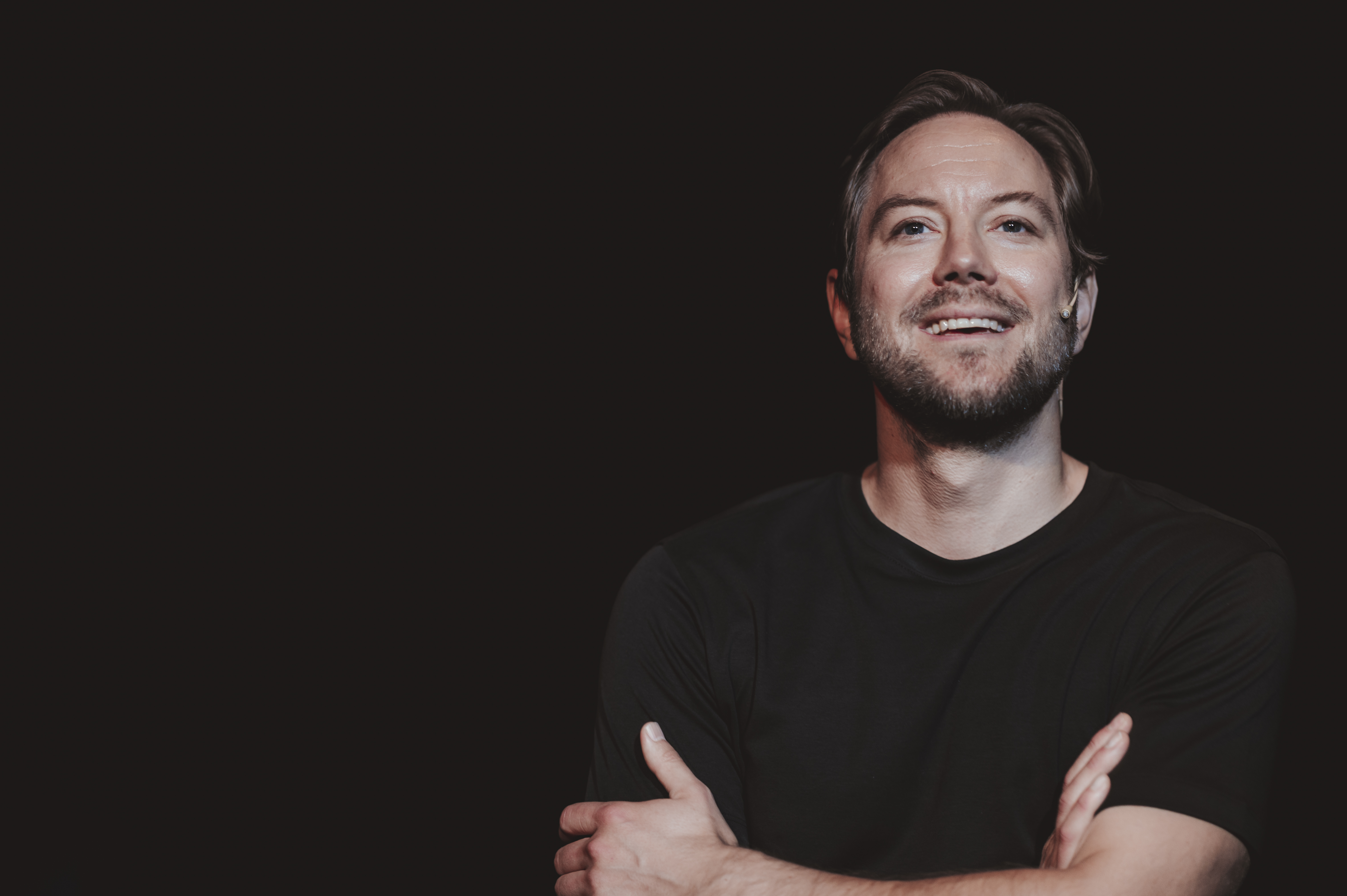
How much of a character is fiction, and how much reflects the person playing them? In Bad Boy, the line is deliberately blurred. We caught up with writer, director and performer Daniel Adolfsson ahead of the Edinburgh Fringe to discuss creating Jack, balancing truth with invention and trusting audiences to embrace an imperfect protagonist.
You've said you didn't try to "fix" Jack — you wanted to understand why he keeps ending up in the same place. How did you resist the urge to make him more likeable as a writer and performer?
During the process, I realised I couldn't stand a guy who was trying too hard. Instead, I found myself drawn to making him someone who doesn't do more than he needs to in order to be liked, but who is honest in every situation with his emotions, even if he's not always honest with his words.
The show is partly inspired by your own experiences. How did you decide where to draw the line between Jack's story and your own — what stayed close to life, and what became fiction?
The other characters are people, or composites of people, I've met. Some are people I've known well, while others are little more than fleeting acquaintances. Jack, however, is a character I want to play, but who also knows me pretty well.
Music is where Jack lets his guard down and faces himself. Why did blues, folk and pop feel like the right sound for that vulnerability, rather than just dialogue or monologue?
Art can be incredibly important and astonishingly mediocre. Sometimes the line between the two is razor-thin, and watching someone perform a song can be a powerful way to reveal a character's struggle with the potential meaninglessness of their chosen path.
Jack is chasing a record label audition while everything else in his life — the relationship, the city, even the dog — falls apart around him. What does "the dream" represent for him beyond just music industry success?
The dream is always true love. Isn't it?
This is your and Nerve Creations' Fringe debut. What made you feel Bad Boy, specifically, was the right show to bring to Edinburgh first?
This deceptively simple and silly story was created to honour the craftsmanship of acting with little or no props or special effects. It's the fork in the road called storytelling, acting, and pretending. Oh, and confession.
This is the most exposed I've ever been as an artist. I wanted to find out if the work holds up even when there's nothing to hide behind.
Jack is described as "frustrating" but convinced he's right. Did you worry about asking an audience to spend an hour with a character who isn't easy to root for, and how did you and Lilac approach that in the direction?
We didn't try to make Jack easier to root for. We trust the audience to see his flaws and, on some level, recognise themselves. If they can accept him, they might surprise themselves. We tried to make Jack's friends funny and warm. Equally as important was creating a world which people want to hang out in.
Bad Boy is at the Edinburgh Fringe at Underbelly Cowgate from 5 – 30 Aug (not 17) at 1:00pm. Ticket information here: https://www.edfringe.com
Continue Reading
More Culture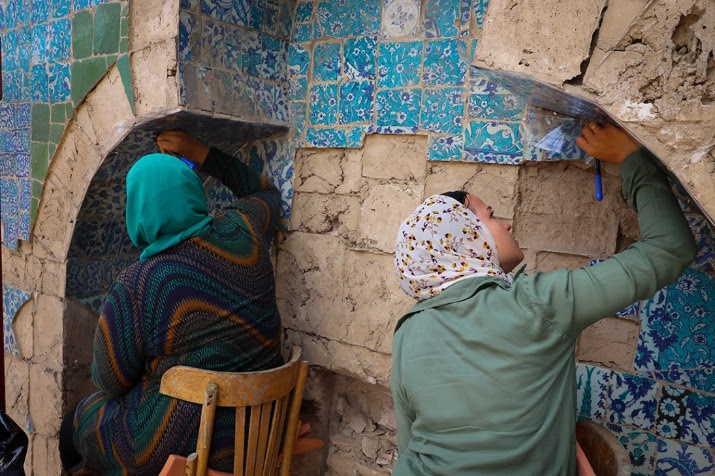
The masons are disappearing faster than the monuments
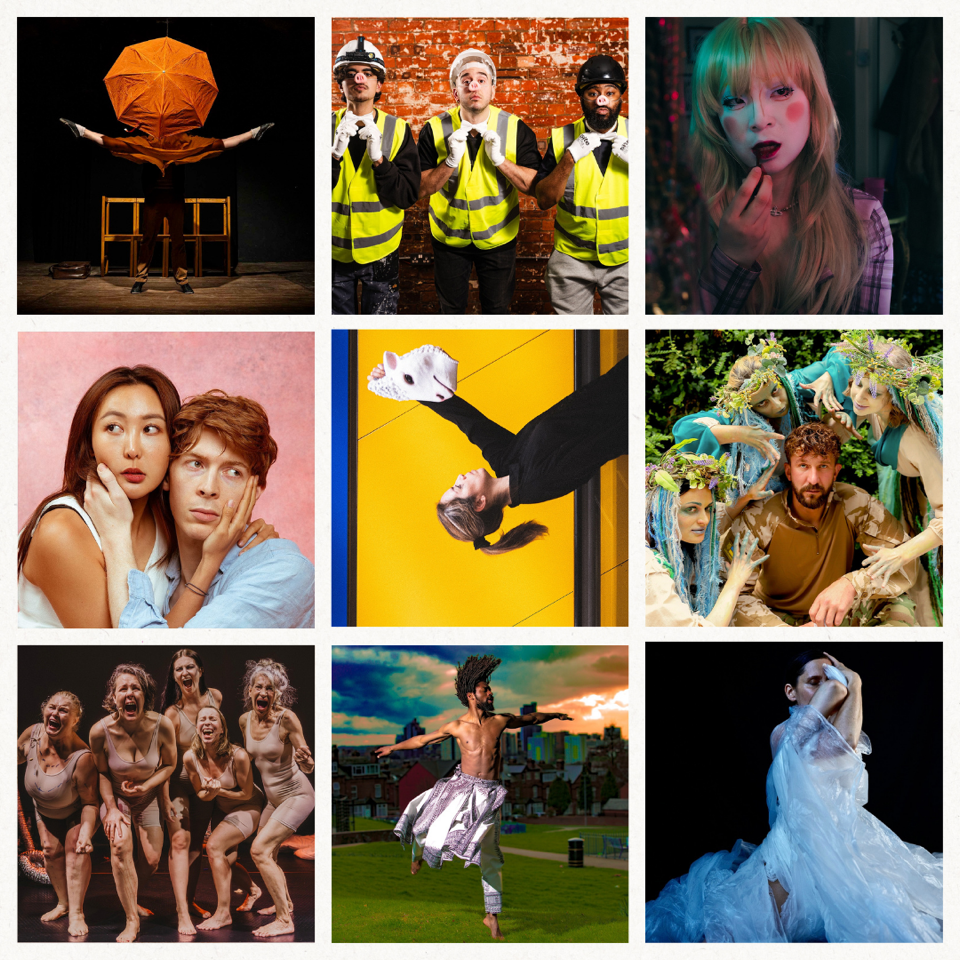
A Stage for Every Story: Meet the Directors Behind London’s Voila! Theatre Festival
Thirty years of paper stars: the Ford Sierra start-up that now lights Blenheim Palace