The return of craftsmanship is reshaping how we think about the home
Sukun bedding blends Pakistani textile heritage with British design as consumers reject fast homeware for crafted, lasting pieces with provenance.
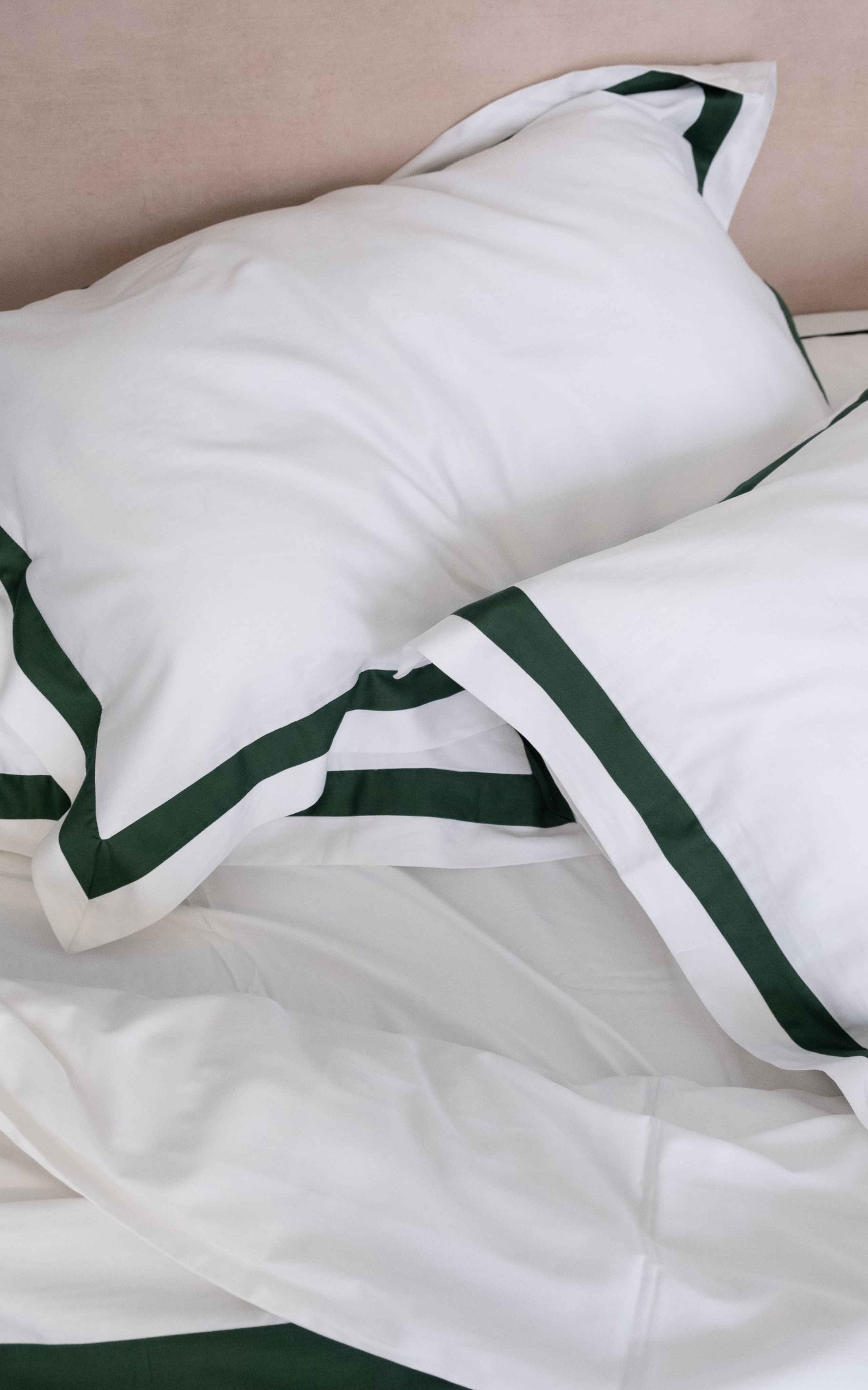
For much of the past two decades, interiors have been dominated by fast-moving trends, flat-pack convenience and products designed to be replaced rather than cherished. Increasingly, however, consumers are beginning to move in the opposite direction. Homes are becoming more personal, craftsmanship is regaining value and buyers are seeking objects with a clear sense of provenance, reflecting a broader shift towards slower, more considered living. That movement has also prompted renewed appreciation for textile traditions that have existed for generations but have often been overlooked in the global conversation around design.
It is a philosophy underpinning Sukun, a British homeware brand founded in 2023 by Fatima Khan, whose work draws on Pakistan's rich textile heritage while embracing contemporary design. Named after the Urdu word for peace, tranquillity and calm, the brand was established around the belief that the rituals of home deserve greater attention, creating bedding and homeware intended to encourage a slower pace of everyday life.
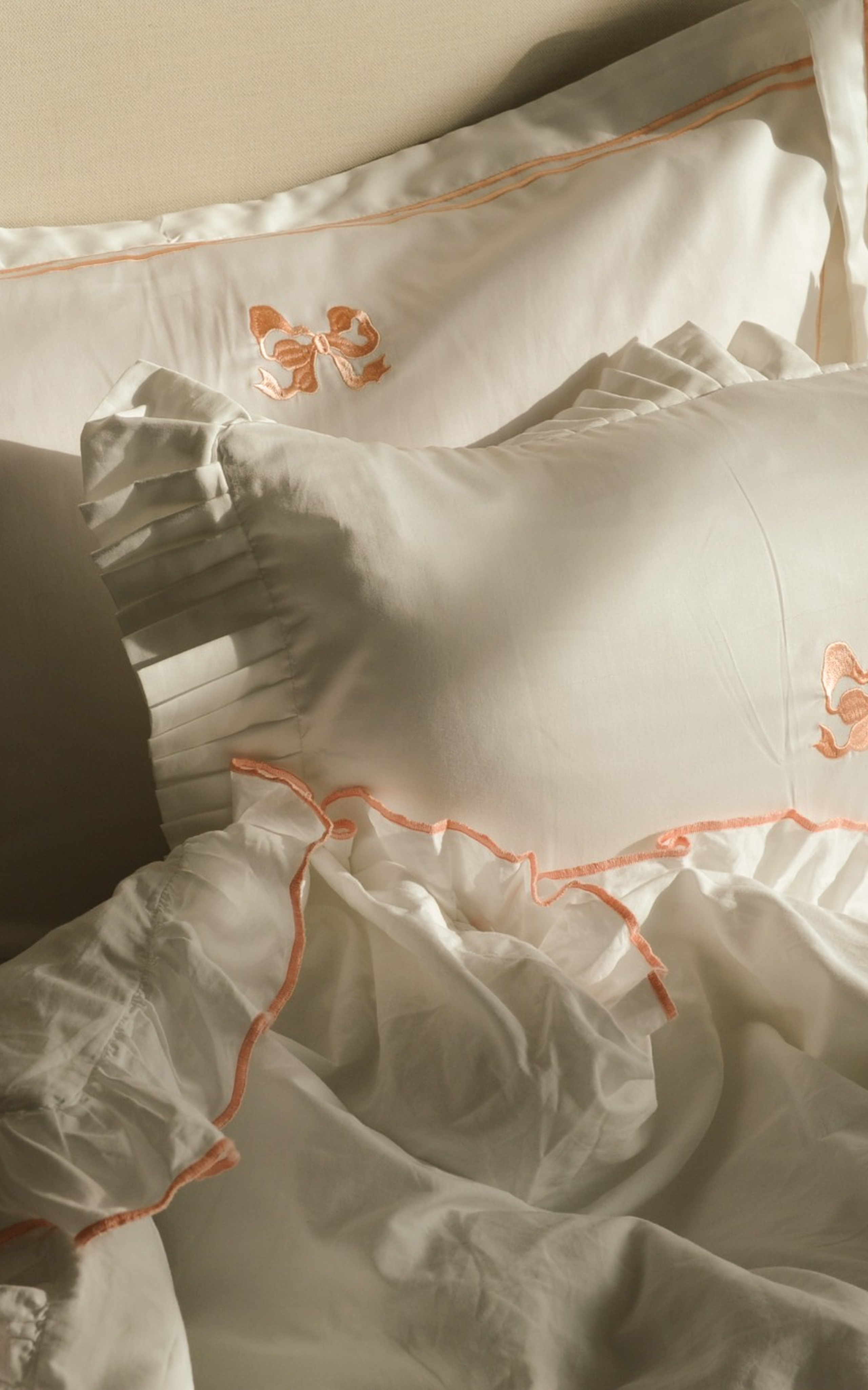
For Khan, the idea emerged after moving into her London home and discovering that much of the bedding available felt remarkably similar, dominated by neutral palettes and conventional finishes. Having grown up in Lahore surrounded by Pakistan's long-established textile traditions, she began designing pieces for herself that incorporated colour, texture and decorative details inspired by the craftsmanship she had known growing up. Those early designs were shared with friends before eventually becoming the foundation of Sukun.
Pakistan has long been recognised as one of the world's leading textile producers, yet its role as a source of craftsmanship has often received less attention than its manufacturing capacity. Sukun seeks to highlight that heritage by producing its collections exclusively at a family-run mill in Lahore that has been spinning, dyeing and weaving fabrics for more than 80 years across three generations. The relationship is also a personal one. The mill's owner is a neighbour of Khan's family, reflecting the close community ties that continue to shape the brand's approach to production.
Rather than pursuing large-scale manufacturing, Sukun produces its collections in small batches, using 100% OEKO-TEX certified cotton sateen and focusing on durability alongside comfort. Before launching the business, Khan spent a year refining thread counts, finishes and treatments to create the brand's distinctive softness, believing that products used every day should improve with time rather than deteriorate.
Attention to detail extends beyond the bedding itself. Each set is presented in a traditional cotton khaddar case inspired by the way sacred scriptures are carefully wrapped and gifted in Pakistani homes, while personalised monogramming has become one of the brand's most requested services. Such details reflect a broader emphasis on creating products intended to become part of everyday rituals rather than simply functional household items.
The renewed interest in craftsmanship also coincides with wider changes in interior design. As consumers spend more time at home and increasingly invest in quality over quantity, bedding has become an expression of personal style rather than an afterthought. Decorative finishes, richer colours and carefully considered materials are replacing minimalist uniformity, echoing the romantic aesthetic that has influenced both fashion and interiors in recent seasons.
Brands such as Sukunreflect that changing attitude. By combining contemporary British design with generations of Pakistani craftsmanship, they demonstrate how traditional skills can find new relevance in modern homes. In an era increasingly defined by thoughtful consumption, the appeal of products with genuine heritage, carefully made and designed to last, appears stronger than ever.
Continue Reading
More Lifestyle
Menex on the Science of Sound Synthesis, Ancient Instruments and the Future of Music

Biscuits, berries and the weak links in Britain’s food supply

Richard E. Grant lasted one episode of The Celebrity Traitors. Instagram can’t get enough of him