The Gut Health Narrative Isn’t Built For Everyone
Discover why the 'Gut Health' narrative isn't universal. Learn how IBS sufferers navigate 'Gut Health' trends and find stability with low FODMAPs.
Gut health has become one of the most aggressively marketed ideas in food. Everywhere you look, there is another product promising balance, another ingredient positioned as essential, another shortcut to feeling better. It sounds simple. Add the right things in and everything improves.
For people living with Irritable Bowel Syndrome, it rarely works like that.
In the UK, around one in five people deal with IBS in some form. The symptoms are not subtle. Bloating, pain, nausea, unpredictable digestion. It is not just discomfort, it is disruption, and it turns everyday decisions around food into something far more calculated.
What makes it harder is the assumption that what is labelled as healthy will automatically help. In reality, many of the foods pushed as gut friendly can have the opposite effect. Fermented staples, often positioned as essential for digestion, are a clear example. Foods like kimchi carry probiotics, but they also bring ingredients that are known triggers for sensitive systems. Garlic and onion sit at the centre of that problem, alongside fermentation itself, which can intensify the reaction.
The issue comes back to FODMAPs, a group of fermentable sugars found across a wide range of everyday foods. Wheat, dairy, certain fruits, sweeteners, and many flavour bases all fall into that category. For people with IBS, these sugars do not simply pass through the system. They ferment in the gut, creating the conditions that lead to discomfort and flare ups.
This is where the low FODMAP approach has gained traction. It is not about removing food permanently. It is about stripping things back long enough to understand what actually causes a reaction, then rebuilding from there with more control. It is less about following trends and more about learning what works at an individual level.
That gap between trend and reality is something Hattie James-Norbury knows directly. After being diagnosed with IBS, she spent years navigating the same advice that dominates the wider conversation, only to find that much of it made things worse rather than better.
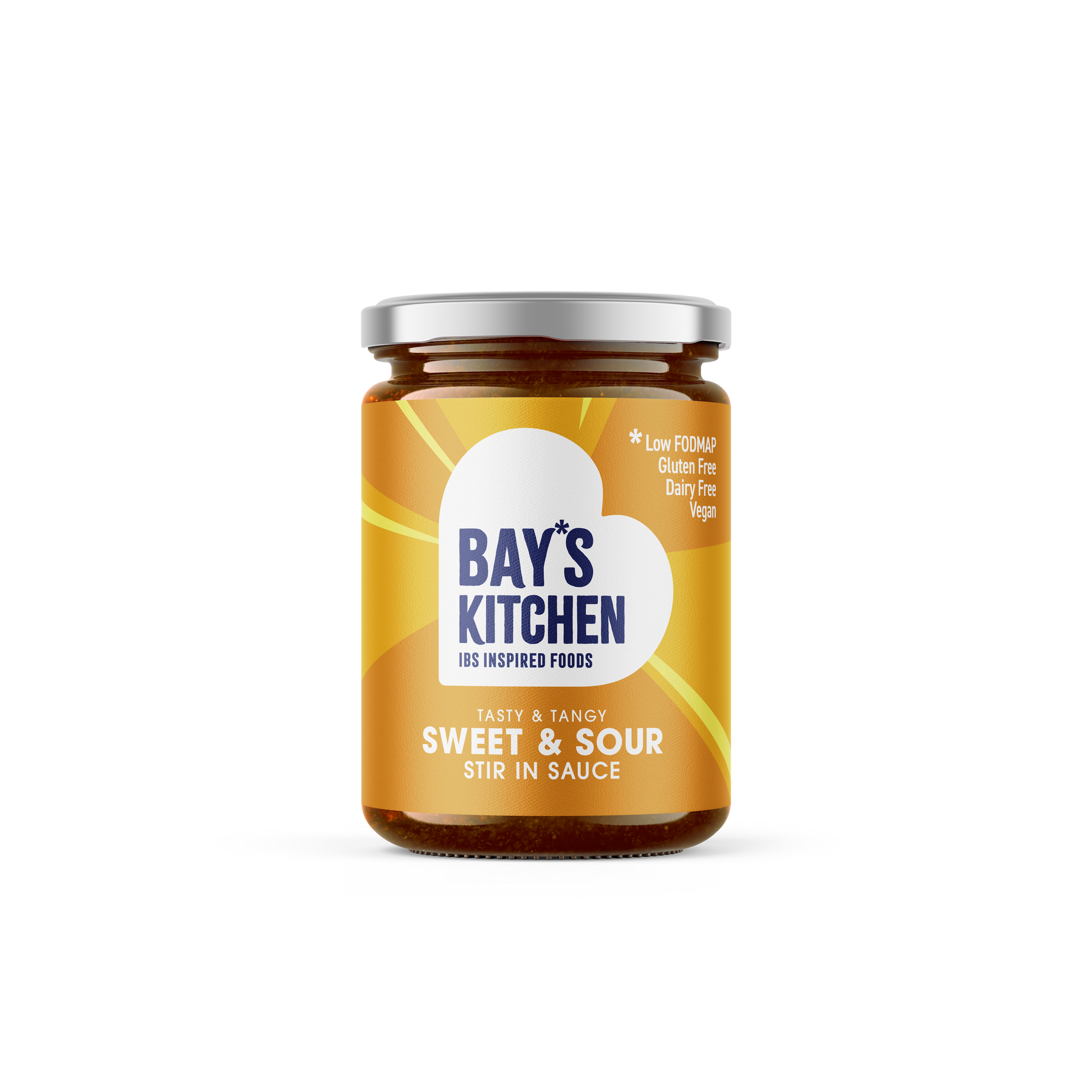
At Bay’s Kitchen, that experience has been turned into something practical. The brand focuses on low FODMAP sauces, stocks, and condiments, built without the ingredients that most commonly trigger symptoms. No garlic, no onion, and portioned in a way that keeps everything within safe thresholds.
It is a simple shift, but it addresses a real gap. For people managing IBS, convenience often comes at a cost, with most ready made options built around the very ingredients they need to avoid. Removing that friction changes how people eat day to day, not just occasionally.
There is also a wider point sitting underneath it. Gut health is not a universal formula. What works for one person can actively work against another, and the current wave of advice rarely acknowledges that.
For IBS sufferers, the goal is not optimisation. It is stability.
And that starts by understanding that not everything labelled as healthy is built for you.
Continue Reading
More Health
Laura Woods takes her football focus back to the grassroots

Energy drinks are moving into Britain’s new fitness arena

The August Edit: Top 6 Skincare Products