The city break is getting a little more mysterious
Mystery Guides turns British cities into self-guided detective games, combining walking tours with puzzle-solving that makes visitors look closer at overlooked details.
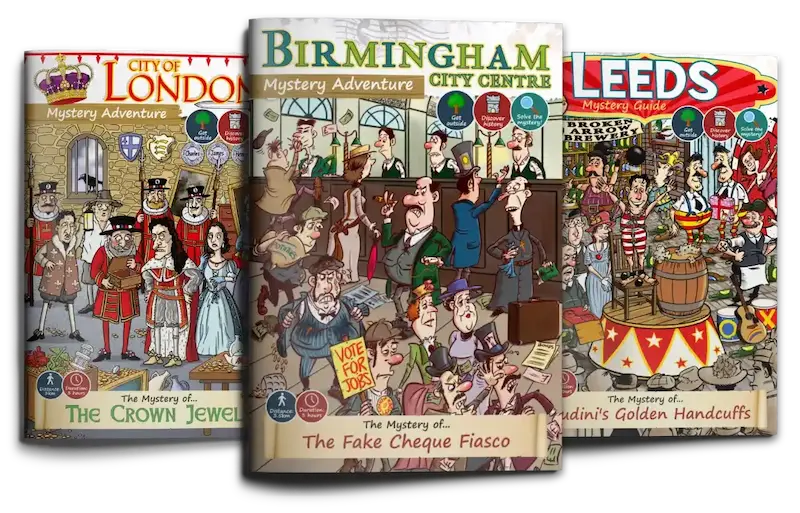
There is a familiar rhythm to the British city break. Arrive, check into the hotel, find somewhere for coffee and begin working through the landmarks that somebody, somewhere, has decided must be seen. Google Maps provides the quickest route between them, photographs are taken, lunch intervenes and by late afternoon there is the slightly uncomfortable feeling that you have visited a city without necessarily discovering very much of it.
Mystery Guidesis offering a rather different proposition. Instead of telling visitors what to look at, it gives them something to solve.
The British company has turned cities across the country into sprawling self guided mysteries, combining elements of a walking tour, treasure hunt and escape room in an experience that encourages visitors to pay attention to the streets around them. There is no guide to follow, no group to keep pace with and, perhaps most appealingly for a weekend away, no timetable determining when the experience must begin or end.
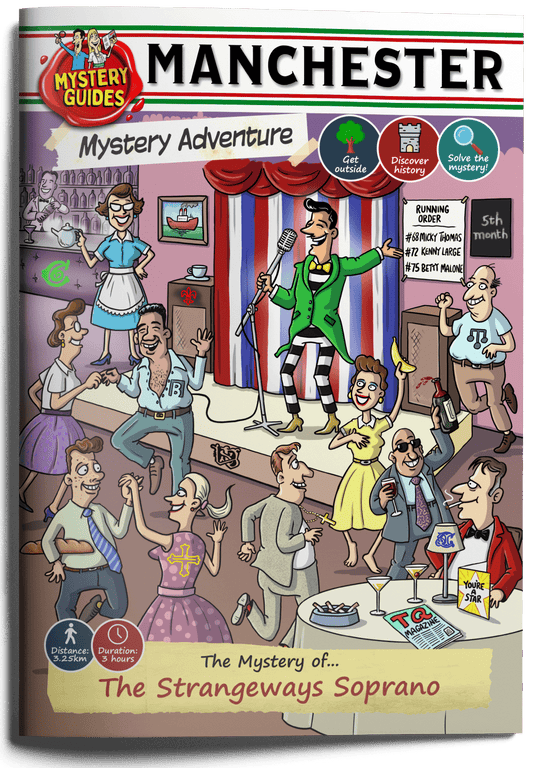
Each adventure arrives as a 40 to 44 page illustrated guide containing maps, directions, puzzles and pieces of local history woven into a fictional mystery. Players follow a route of approximately two miles, using details hidden among buildings, monuments and historic landmarks to decipher clues and gradually unravel the story.
It sounds deceptively simple. In practice, it changes the way a city is experienced. We have become remarkably efficient at travelling through unfamiliar places without properly looking at them. A phone tells us where to turn, how long the walk will take and which restaurant has the best rating when we arrive. Mystery Guides deliberately interrupts that efficiency. Suddenly the inscription above a doorway matters. So does the statue normally passed without a second glance, the plaque on an old building or some architectural curiosity positioned just above eye level.
Sightseeing becomes almost incidental to the game.
In York, The Mystery of the Gunpowder Snitch takes players through a route incorporating the Shambles, York Minster and the city walls. London has mysteries including The Mystery of the Great Coin Robbery and The Mystery of the Holy Grail, while Southampton becomes the setting for The Mystery of Titanic's Missing Millions and Nottingham naturally lends itself to The Mystery of Robin Hood's Secret Stash.
The cleverness lies in using the permanent fabric of a city as part of the puzzle. Mystery Guides builds its clues around historic features intended to remain in place, rather than temporary signs or businesses that could disappear. If something does become obscured or inaccessible, photographs can be accessed through QR codes, while additional hints are available for those occasions when collective confidence begins to exceed collective ability.
The experience generally takes around three hours, including time for a drink, although there is no requirement to complete it within a particular period. A pub discovered halfway around the route can become lunch. An interesting shop can justify a diversion. Coffee can take 15 minutes or an hour. There are no paid attractions that must be entered to complete the mystery and no additional tickets required along the way.
That freedom may be one of its greatest advantages. The modern city break can become surprisingly scheduled, with restaurant reservations, museum slots and attraction tickets turning a supposedly leisurely weekend into something resembling an itinerary for a visiting head of state. Here, the structure exists simply to provide direction.
It also works beyond tourism. For those who have lived in or around a city for years, familiarity can make surroundings almost invisible. We know the quickest route to the station and where to have dinner, but rarely have reason to inspect the history sitting between the two. By turning those details into clues, the format provides an excuse to rediscover somewhere that may no longer feel new.
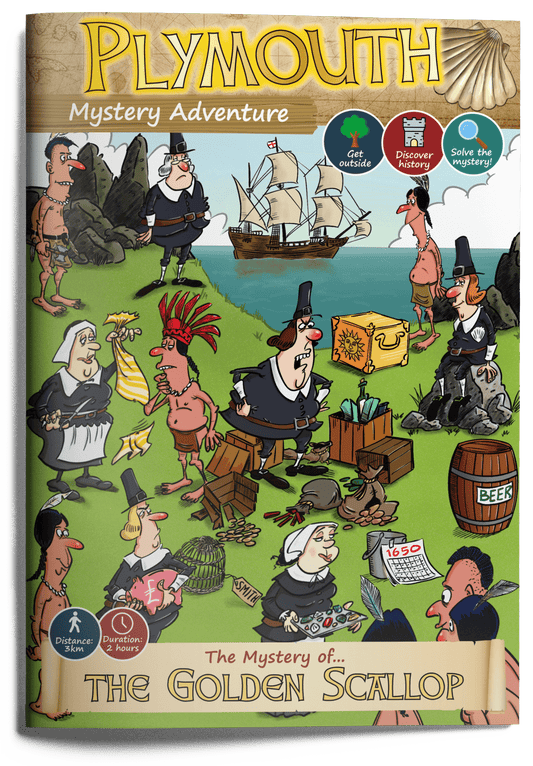
There is an appealingly analogue quality to it too. At a time when almost every travel experience appears determined to migrate onto a screen, the physical guide remains central. The puzzles are solved together rather than individually through an app, making the experience particularly suited to couples, groups of friends and families. Children of around eight and above can participate in navigating and finding clues, although the mysteries themselves are primarily designed with adults in mind.
Mystery Guides now operates across destinations including London, Edinburgh, Manchester, Bath, Brighton, Liverpool, Oxford, Cambridge, Cardiff, Glasgow, Newcastle, Birmingham, Bristol, Windsor, Lincoln and Hull, alongside a growing number of other British cities.
Behind it is founder Jack Wells, who studied history and began the company from his spare room in 2019. Creating the original adventure required a combination of historical research, route planning, puzzle design and fiction writing, a formula that continues to shape each new mystery.
The result sits somewhere between tourism and entertainment without fitting neatly into either. It does not replace the museum, restaurant or historic attraction, nor does it try to. Instead, it solves one of the less discussed problems of a weekend away: how to spend several hours together without simply moving from one recommended attraction to the next.

At £19.99 per adventure, with each physical guide supplied in a gift sleeve, Mystery Guides has found an engaging way of making the familiar city break feel slightly less predictable. Sometimes seeing more of a place does not require another list of things to visit. It simply requires a reason to look more closely.
Continue Reading
More Lifestyle
The Delights of Coffee Season - the London Autumn Edit

Luxury Childcare Association opens voting for its 2026 awards

A new photobook is looking for the London beyond the landmarks