South Korea’s housing market settles after the turbulence of the pandemic years
South Korea's housing market stabilises after pandemic turbulence, with average quarterly growth of 0.5% from Q4 2020 to Q4 2025, signalling end of correction.
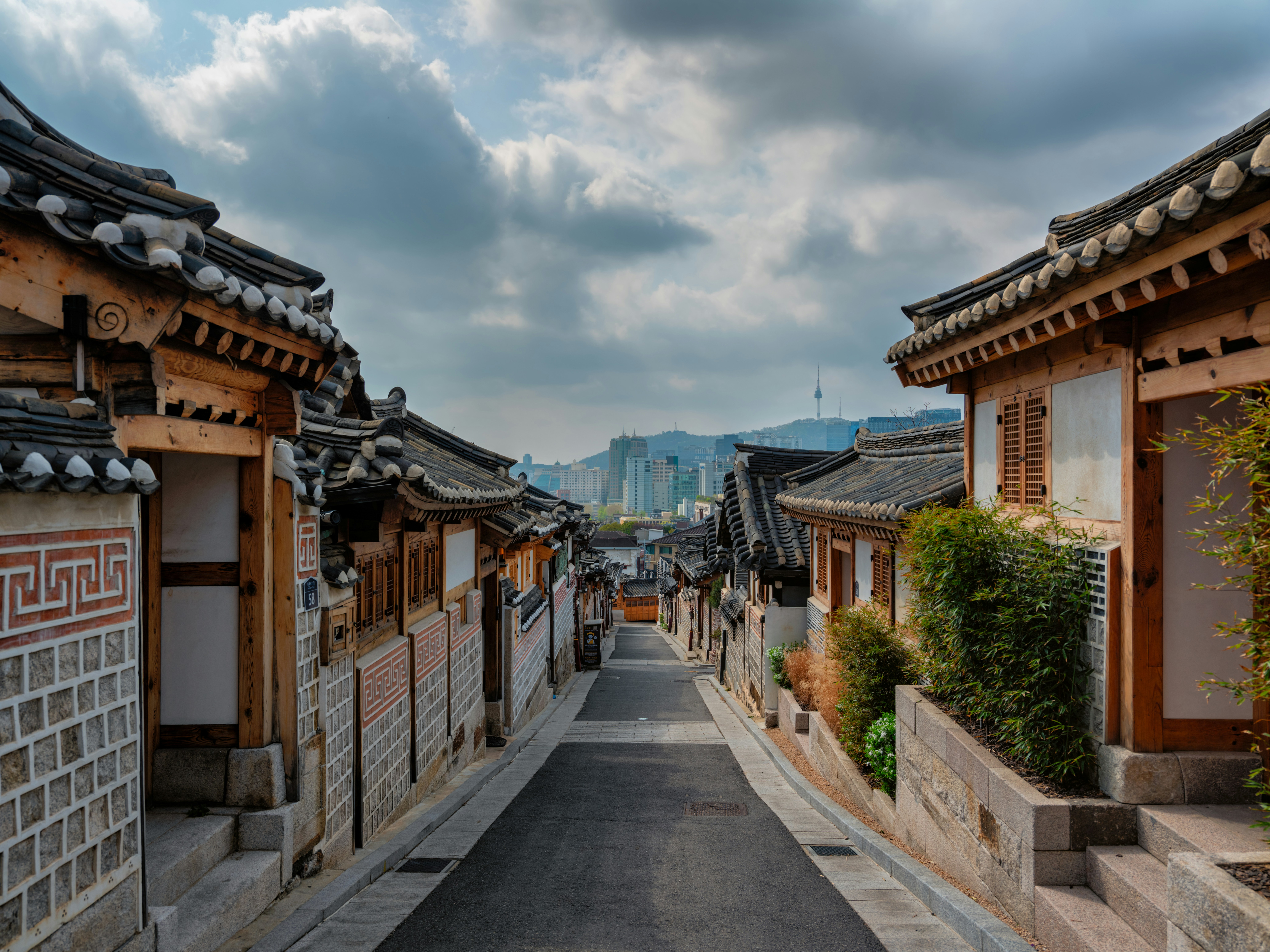
South Korea's housing market is showing signs of returning to stability after one of the most turbulent periods in its modern history, according to new research that points to a more balanced phase following the dramatic swings of the pandemic era.
Analysis by eXp Korea, based on housing price index data from the Bank for International Settlements (BIS), suggests the market has largely emerged from the correction that followed the rapid house price growth witnessed during Covid-19.
The figures paint a picture familiar to many advanced economies.
Record low interest rates, strong demand and abundant liquidity fuelled a surge in property values throughout 2021, with quarterly house price growth peaking at 4.0% in the first three months of the year and remaining above 3.0% throughout much of the period.
The pace of appreciation was exceptional, even by the standards of South Korea's historically active housing market.
Yet what followed was equally significant.
As inflationary pressures forced policymakers around the world to tighten monetary policy, higher borrowing costs began to cool demand. By the end of 2022, the market had entered a period of correction, with house prices declining through much of 2023 as affordability pressures weighed on buyers and confidence softened.
The latest data suggests that period of adjustment is now beginning to ease.
Between the fourth quarter of 2020 and the fourth quarter of 2025, South Korea's housing market recorded average quarterly growth of 0.5%. While modest compared with the extraordinary gains seen during the pandemic, the figure points towards a market that has regained a degree of equilibrium.
Throughout much of 2025, house prices returned to positive territory, recording gradual increases rather than the sharp rises that characterised the earlier boom.
For economists and market observers, that distinction matters.
Rapid house price inflation may generate headlines, but sustained stability is often regarded as a healthier foundation for long term growth. Markets driven by speculation and extraordinary demand can prove vulnerable when economic conditions change. Markets supported by steady demand and measured growth tend to be more resilient.
The South Korean experience appears to reflect that pattern.
Thomas Kim, chief executive of eXp Korea, said the latest figures indicate that the market is moving beyond the disruption caused by the pandemic era.
"The Korean housing market has undergone a significant adjustment period over the past few years following rapid growth during the pandemic," he said.
"Current data suggests that the market is beginning to stabilise and is returning to a more balanced and sustainable environment."
His assessment reflects a broader theme emerging across global housing markets. The era of ultra low interest rates and exceptional property appreciation has largely passed. In its place, buyers and sellers are adapting to a more cautious environment where affordability, financing costs and economic fundamentals play a greater role in shaping activity.
The South Korean market remains sensitive to those pressures. Household debt levels, interest rates and wider economic performance will continue to influence the direction of travel.
Nevertheless, the latest figures suggest that the sharp correction feared by some analysts has not materialised. Instead, the market appears to be following a more familiar cycle, moving from rapid expansion to consolidation and, ultimately, towards stability.
For homeowners, investors and policymakers alike, that may prove to be the most significant development of all.
After years defined by extremes, South Korea's housing market is beginning to look normal again.
Continue Reading
More News
Six in ten Britons want the two child benefit cap brought back
Europe’s infrastructure problem is no longer simply about concrete
Two thirds of Britons back police powers to stop protesters hiding their faces