Q&A with Melissa Firlit ahead of Dirty Dancer world premiere
Melissa Firlit recreates every Dirty Dancing character solo in new one-woman show premiering at Edinburgh Fringe. The 60-minute performance runs 5–30 Aug.
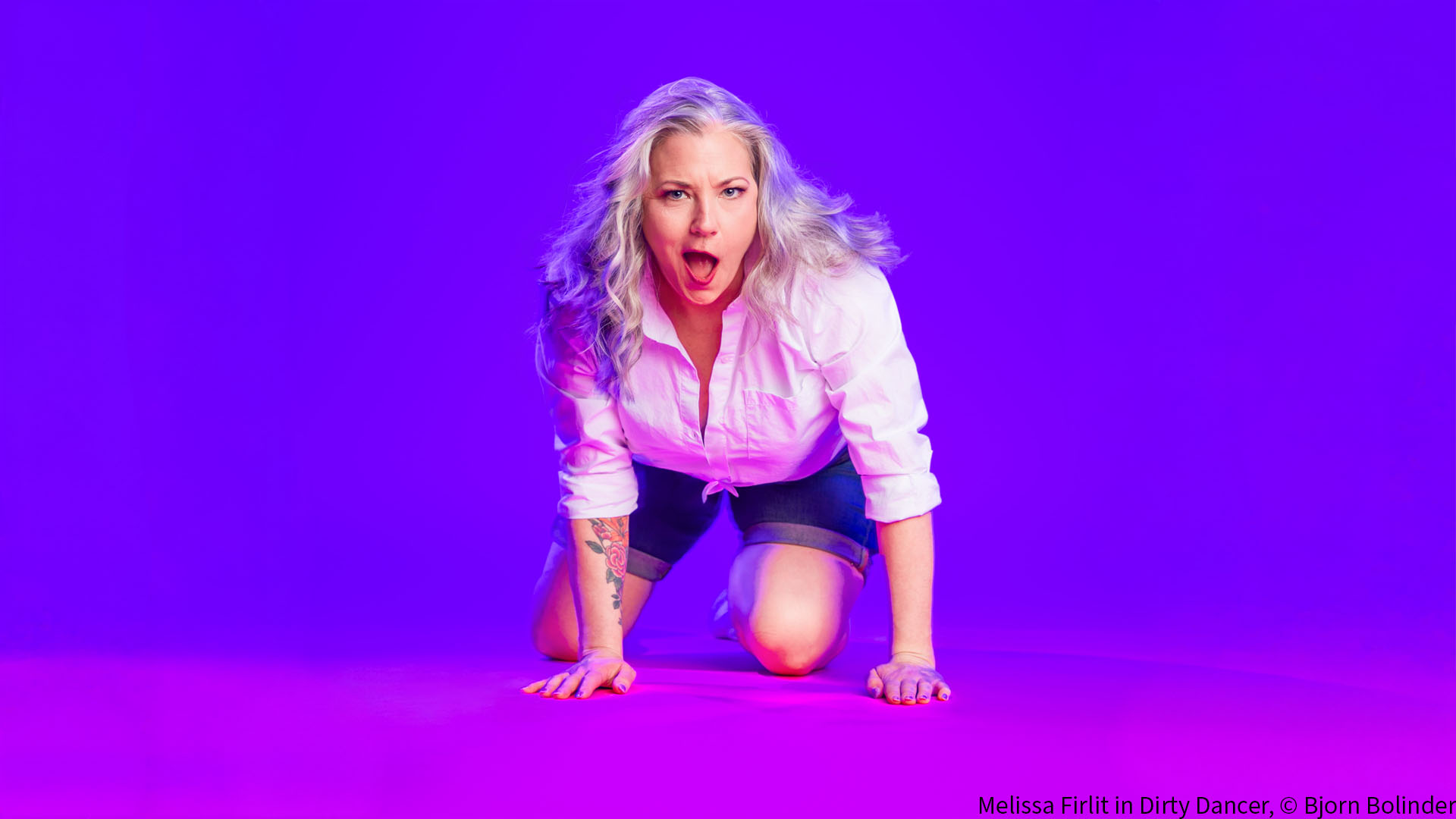
Dirty Dancer isn't about reinventing Dirty Dancing—it's about remembering why we fell in love with it in the first place. Ahead of the show's world premiere, we spoke to creator and performer Melissa Firlit about childhood escapism, iconic movie moments and turning a lifelong obsession into a one-woman show.
Playing every character from Dirty Dancing solo is a huge technical undertaking. How did you decide what to physically embody yourself, versus suggesting through movement or audience interaction?
We've been working to give every character a distinct physical and vocal home: a gesture, a rhythm, a pitch, an energy. They're all incredibly physical people, and in Dirty Dancing, dance is the language people use when words aren't enough. That gave me a roadmap for how each character moves from speaking into dancing.
Even though I play everyone, the lens is always Baby's. My own self is woven into every character, but Baby is where I begin. As the show unfolds, the line between where Baby ends and I begin starts to blur. We slowly overlap, and that's where the heart of the piece lives.

The show has been described as a love letter to Dirty Dancing rather than an attempt to redefine the story. Where's the line between affectionate parody and critique, especially given some of the film's more controversial themes?
It really is a love letter. This film was my happy place growing up, and it still is. I don't want audiences to leave thinking I've told them how to watch Dirty Dancing. I want them to experience it alongside me, remembering where they were when they first saw it, or what stories shaped them in the same way.
The parody comes from my relationship with the film and seeing it through Baby Missy’s eyes.
As for the more controversial themes, one of the reasons the film has endured is that it quietly trusted audiences with difficult realities. It showed people making impossible choices, trying to survive and build better lives, without stopping to explain itself. I think that's brave. My job isn't to solve those themes. It’s to acknowledge them while celebrating the humanity that makes the story resonate decades later.
The show draws on childhood escapism and sexual awakening as part of what shaped it. How personal does the performance get underneath the parody?
It's incredibly personal.
As a child, I didn't understand everything that was happening in the film. I just knew I felt safe watching it. Certain moments gave me butterflies, and I wanted to step into every character's shoes. I pressed play almost every day because I wanted to live in that world.
The show begins with that younger version of me and follows how my relationship with the film changed as I grew up. Looking back, it's funny how deeply invested I was in a story I didn't fully understand, but that's what makes it so universal. We all have something we loved before we completely understood why.
The parody grows out of that earnestness. It's the collision of childhood escapism, longing, awkwardness, desire and memory. At its core, it's about wanting to spend one perfect summer at Kellerman's.
"That" lift is obviously the moment everyone's waiting for. Without giving it away, what was the approach to recreating something so iconic in a one-woman show?
We have a few possibilities we're still playing with, but whatever version makes it into the show has to earn the moment. It's not just about recreating the lift: it's about earning "I've Had the Time of My Life." If the audience leaves feeling like they've had the time of their lives too, then we've done our job.
This is a world premiere for a show built on collective nostalgia for a nearly 40-year-old film. What's the read on whether the appetite for this is still there, especially with an Edinburgh audience who may have very different memories of first watching it?
I think people are craving joy. They're craving shared experiences and the chance to reconnect with the things that shaped them.
Whether someone first saw Dirty Dancing in 1987, discovered it on DVD, or is seeing the story for the first time, I hope my memories spark their own. Nostalgia isn't really about looking backwards: it's about remembering who you were.
The show promises to recreate "every unforgettable moment" from the film in just 60 minutes. What ended up on the cutting room floor, and was anything painful to let go of?
That's one of the hardest parts of making the show.
I've had to keep asking myself, "Is this unforgettable because it's essential to the audience, or because it's essential to me?" Those aren't always the same thing.
The process has been rewriting, stepping away, coming back, watching the film again and discovering what truly serves the story. Hopefully we've found the right balance, and if we've missed your favourite moment, I hope we've captured the feeling that made you love it in the first place.
Dirty Dancer is at the Edinburgh Fringe at Underbelly Cowgate from 5 – 30 Aug (not 18) at 7:25pm. Ticket information here: https://www.edfringe.com/tickets/whats-on/dirty-dancer
Continue Reading
More Culture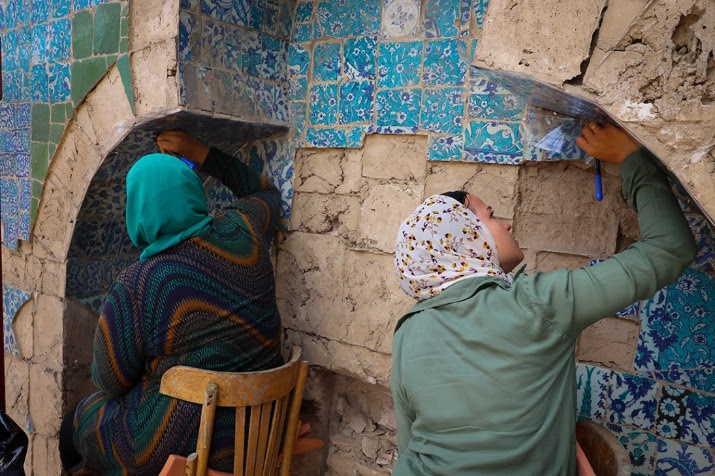
The masons are disappearing faster than the monuments
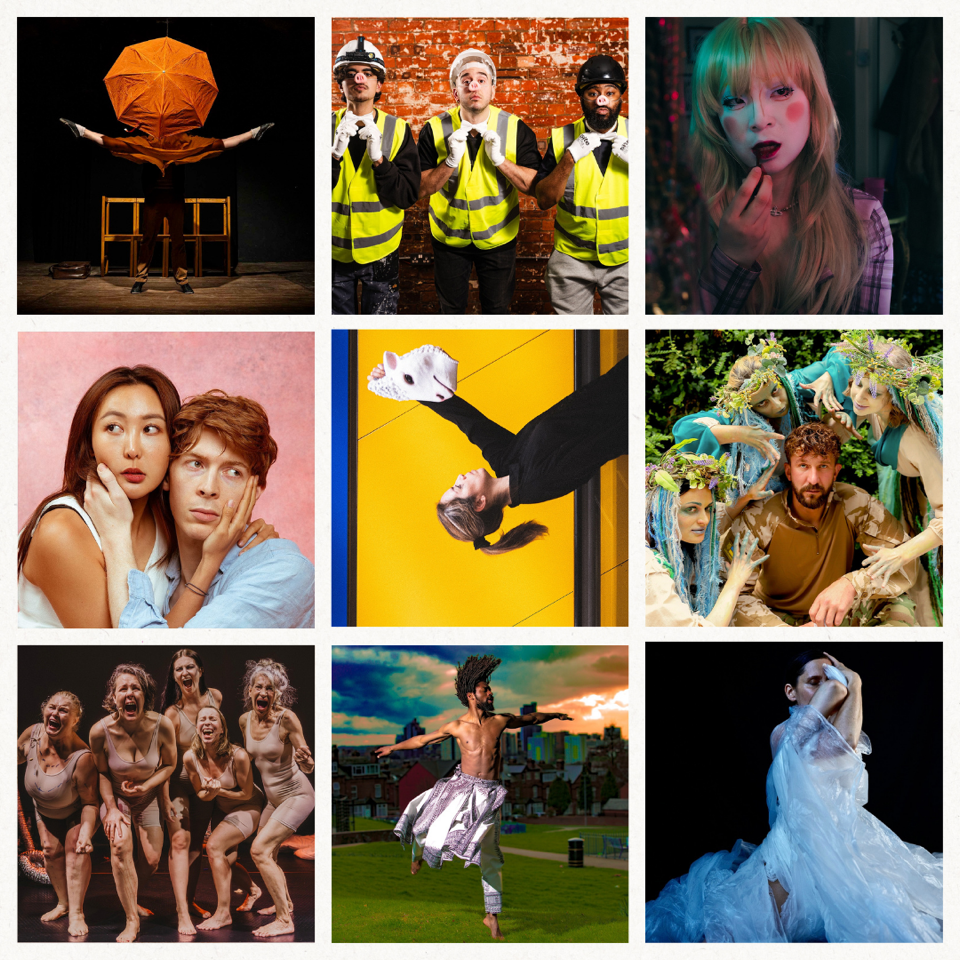
A Stage for Every Story: Meet the Directors Behind London’s Voila! Theatre Festival
Thirty years of paper stars: the Ford Sierra start-up that now lights Blenheim Palace