'Listening With Your Eyes': Kook Ensemble’s Sean Kempton on Bringing Sand to the Fringe
Sand uses circus and dementia research to tell a wordless story of memory loss. Kook Ensemble's Sean Kempton explains how community work shaped the show.
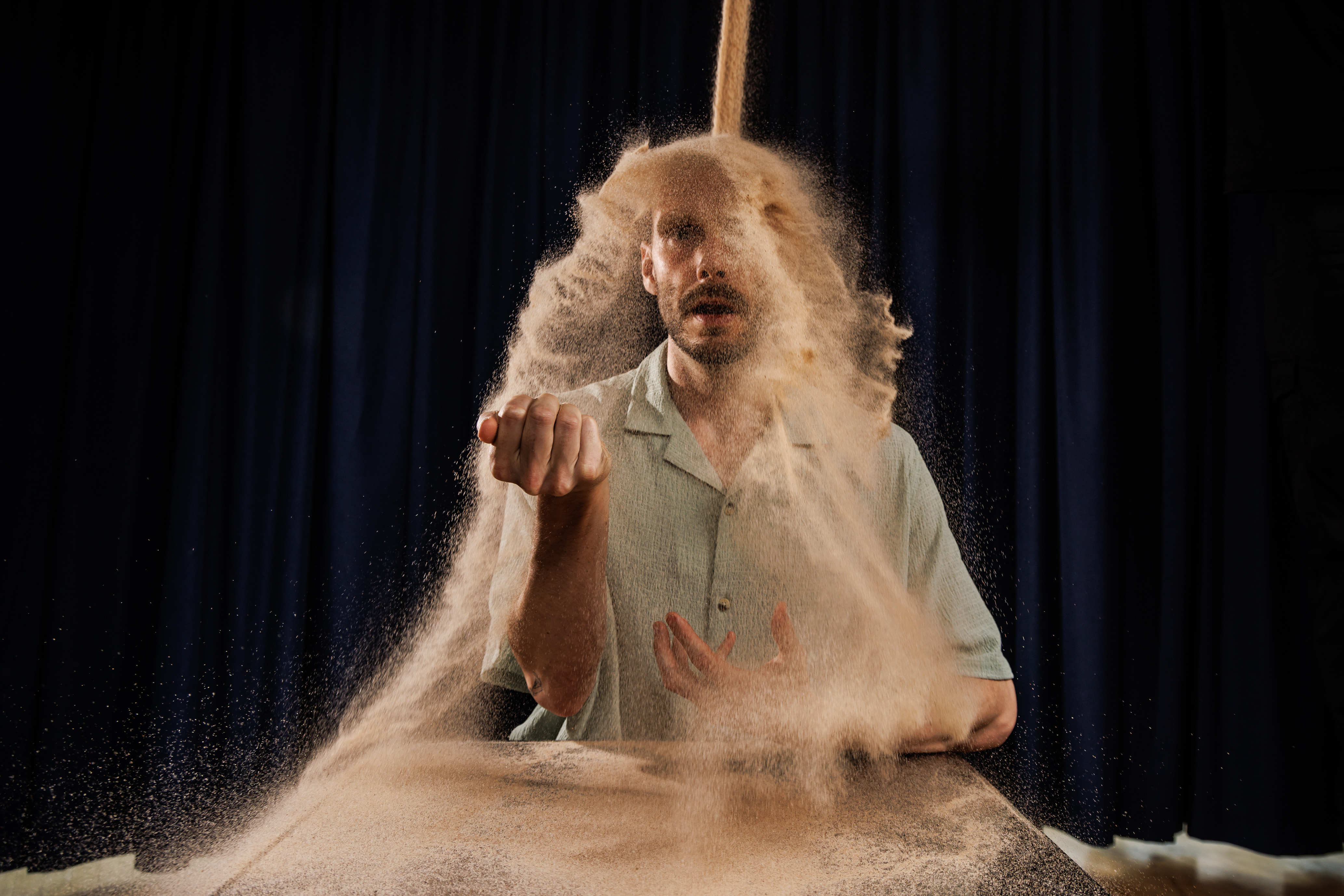
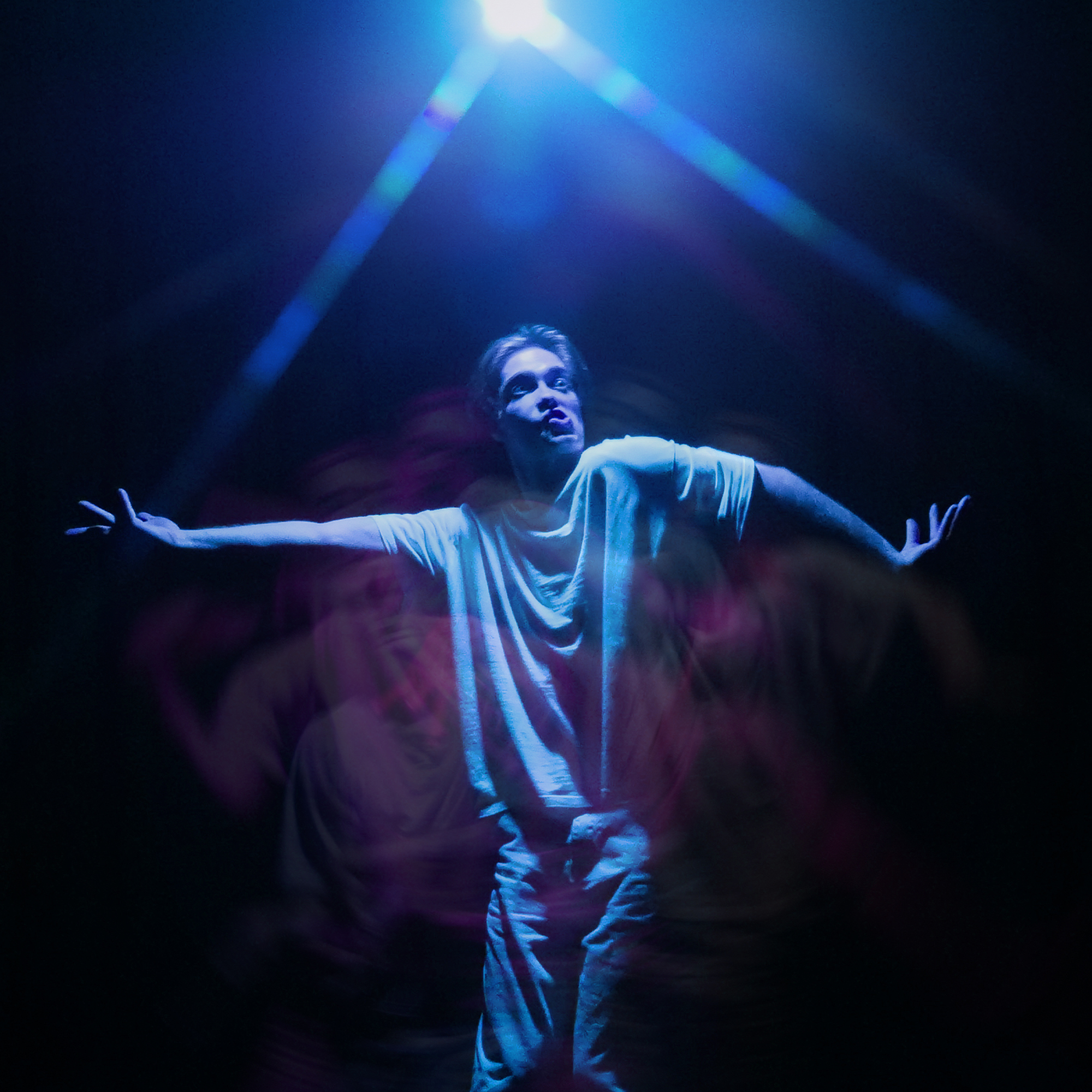
With no dialogue and plenty of heart, Sand transforms circus into an intimate portrait of dementia and the people living alongside it. Ahead of the Edinburgh Fringe, director Sean Kempton explains how years of community work shaped the production, and why joy is just as important as grief in telling this story.
Sand tackles dementia through circus and physical theatre rather than dialogue. What made you feel this was a story that needed to be told without words?
There are two answers to this. Firstly, as a company, our primary language is physicality, and we believe you can convey complex emotions and relationships more directly through physical communication. It is a complex process, as we need to understand the characters’ world and objectives, while at the same time weaving an appropriate physical world. This means the traditional circus-trick approach is broken down to find a new acrobatic language that sits hand in hand with the action.
Secondly, we have been working with people living with dementia for many years now. Always, the contact begins with visual communication, gentle connection, and following the person’s impulses. Nearly always, these are non-verbal interactions. Vamos Theatre coined the phrase "listening with your eyes," and I think that is exactly the world we want to convey. If we reach the right note, it creates a great deal of empathy and joy, a direct response from the heart.
You developed the show by working directly with the University of Exeter and people living with dementia in Devon. What did that process teach you, and how did it shape what ended up on stage?
This process was everything to us. When we did our first R&D, we felt it was important for the cast to understand the world we were working with. We went to a memory café and played with the community members who attended. There was so much play in the room, and the gentle texture really informed how we would set the rehearsal space, reach out to the audience and pace the show. As a result, we have a side project that runs alongside the main show where we create our own “seaside events” especially for people living with dementia and their families. This is probably the best thing to come out of the process. Exeter was more about grounding us and making sure we were on the right track. They have such a depth of research and knowledge, it was important for us to run what we were trying to say by them. I would say it totally changed how we test and develop our work with the community.
The piece uses younger versions of Dylan and Heather appearing in moments of clarity, alongside objects that literally dissipate into sand. How did you land on these as the visual language for memory loss?
This was the starting point of the work. We wanted to understand how something solid could gradually erode. What was the physical memory of an acrobatic moment? Taking a traditional juggling item, what if it gradually echoes our character's journey, slowly losing form and physical shape, starting to leak, and eventually, you are juggling air and dust. There were lots of drilling holes and Myles was throwing all sorts of objects before we landed on our final product. It also helped that, in North Devon, we are surrounded by beautiful coast, sand, and plenty of coastal erosion. It seemed like the logical metaphor.
Sean, you've described feeling a strong sense of responsibility to the subject matter and to audiences who come to see the show. Has that responsibility changed how you direct or perform it night to night?
It was important to find the play in the process and the show itself. Jolene Brackey wrote a book titled Creating Moments of Joy Along the Alzheimer’s Journey, and the title really struck a chord with us. Every time we have worked with people living with dementia, there have always been pockets of joy and playfulness, with rich memories bubbling up. We felt this was the key to the show, always playing through love and joy, whilst not hiding from the difficulties of the subject. We also found the carers and family members to be extraordinary, so we twisted the focus away from the “Main” character and more towards the point of view of their support network. The performers are very empathetic, so they can feel the audience night after night and adjust the texture and rhythm depending on the crowd’s needs.
We are very aware of the effect the show has on the audience, and we always stick around to talk to people and signpost them to information if needed. Alzheimers Research UK have been very generous in supplying us with great resources to pass on.
This is Kook Ensemble's second full show after Filibuster. How has your approach to building emotionally driven, character-led circus work evolved between the two?
They were quite different approaches. Filibuster was a solo show, and we first explored what Tom’s physical range was and built a world around him, almost retrofitting the story to the Circus needs. With Sand, we began with the research and the what-if questions. This allowed us more time to ensure the circus skills were developed in complete parallel with the show’s emotional imprint. We were lucky enough to be part of the National Theatre’s generate programme, and they provided us with a physical dramaturg, The Brilliant Sasha Milavic Davies, who really helped us craft a strong structure for the piece. We can’t wait to get stuck into our next project to apply all we have learnt in this process
With a content warning for dementia, death and grief, but also moments designed to "move and amuse," how do you balance those tones across the hour without one undercutting the other?
Our work has always straddled the two worlds, and we believe they are partners. Michaela and I have been working as clowns for many years, so the sense of play is embedded in how we create work and develop the richness of characters. We have to play against the pain and always look for the light. This allows us to see the characters much more clearly and to give them far more depth. In some ways, if a character is always looking towards the positive, it makes the world even more tragic. We also use the memories to keep lifting us and helping the show stay buoyant but believable. You can come away with a smile and a tear in your eye.
Sand is at the Edinburgh Fringe at Summerhall from 6 – 17 August (not 12) at 1:30pm. Ticket information here:https://www.edfringe.com/tickets/whats-on/sand
Continue Reading
More Ed Fringe 2026
Lorna-Rose Treen ‘Now That’s What I Call Characters’ Interview
Q&A: Talking all things Edinburgh Fringe with Only Bones creator and performer Daniel Nodder

Tom Neenan answers our questions ahead of Tom Neenan: Portrait of a Tom as a Young Neenan heading to the Edinburgh Festival Fringe