Inside Chiva-Som, the Thai wellness retreat voted the world's best by travellers
Chiva-Som Hua Hin named world's best destination spa in Condé Nast Traveller's 2026 awards, three decades after pioneering wellness tourism in Thailand.
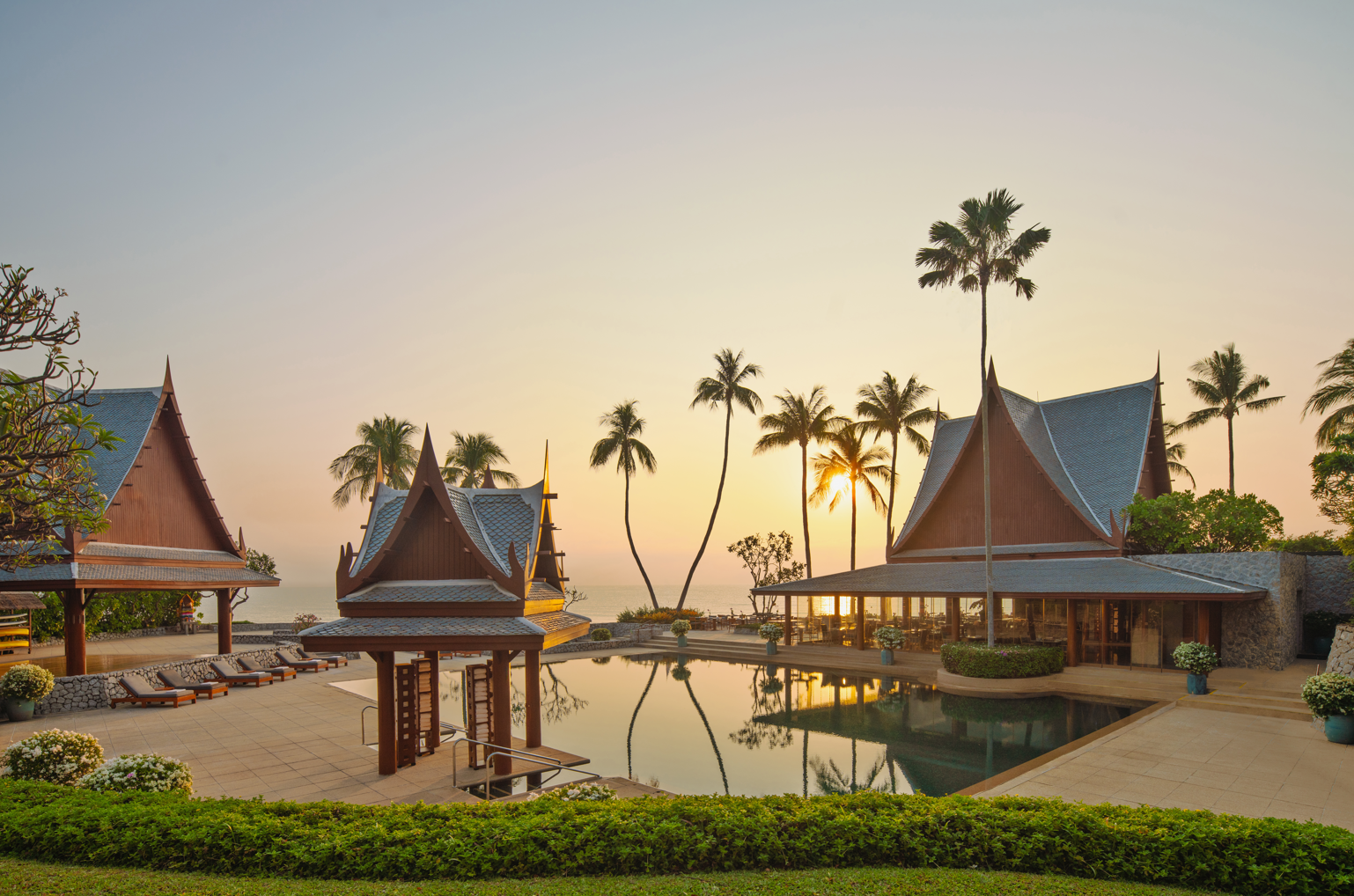
Three decades after opening on Thailand's Gulf coast, Chiva-Som Hua Hin has been named the leading destination spa outside the United States in Condé Nast Traveller's 2026 Readers' Choice Awards. Its success reflects a growing appetite for holidays built around health, restoration and personalised care.
There was a time when a luxury holiday was largely measured by the quality of its accommodation, the attentiveness of its service and the distance it offered from ordinary life. Today, a growing part of the travel industry is selling something rather more ambitious: the prospect of returning home feeling fundamentally better than when one arrived.
At Chiva-Som Hua Hin, on Thailand's Gulf coast, that proposition has been central to the business for more than three decades.
The resort, which opened in 1995, has now been named the No. 1 Destination Spa in the Rest of the World category at the 2026 Condé Nast Traveller Readers' Choice Awards, adding another distinction to a property that helped establish Thailand as an international destination for luxury wellness travel.
The award was determined by readers of the travel publication, which received more than 296,000 survey responses assessing travel experiences around the world.
For Chiva-Som, the recognition arrives at a time when the definition of a spa holiday is changing. Treatments and relaxation remain important, but the industry's more ambitious retreats increasingly combine physical fitness, nutrition, preventative health and therapeutic care within a single stay.
The emphasis has shifted from occasional indulgence towards a more considered approach to personal wellbeing.
Three decades of wellness in Hua Hin
Chiva-Som occupies seven acres of tropical gardens beside the beach in Hua Hin, a coastal destination long associated with Thailand's royal and leisure traditions.
Its setting is deliberately secluded. The resort has just 54 guest rooms, with interiors incorporating natural woods, local silks and understated furnishings intended to complement the surrounding landscape.
The scale is important to its approach. Rather than operating as a large conventional resort with a spa attached, Chiva-Som places wellness at the centre of the entire guest experience.
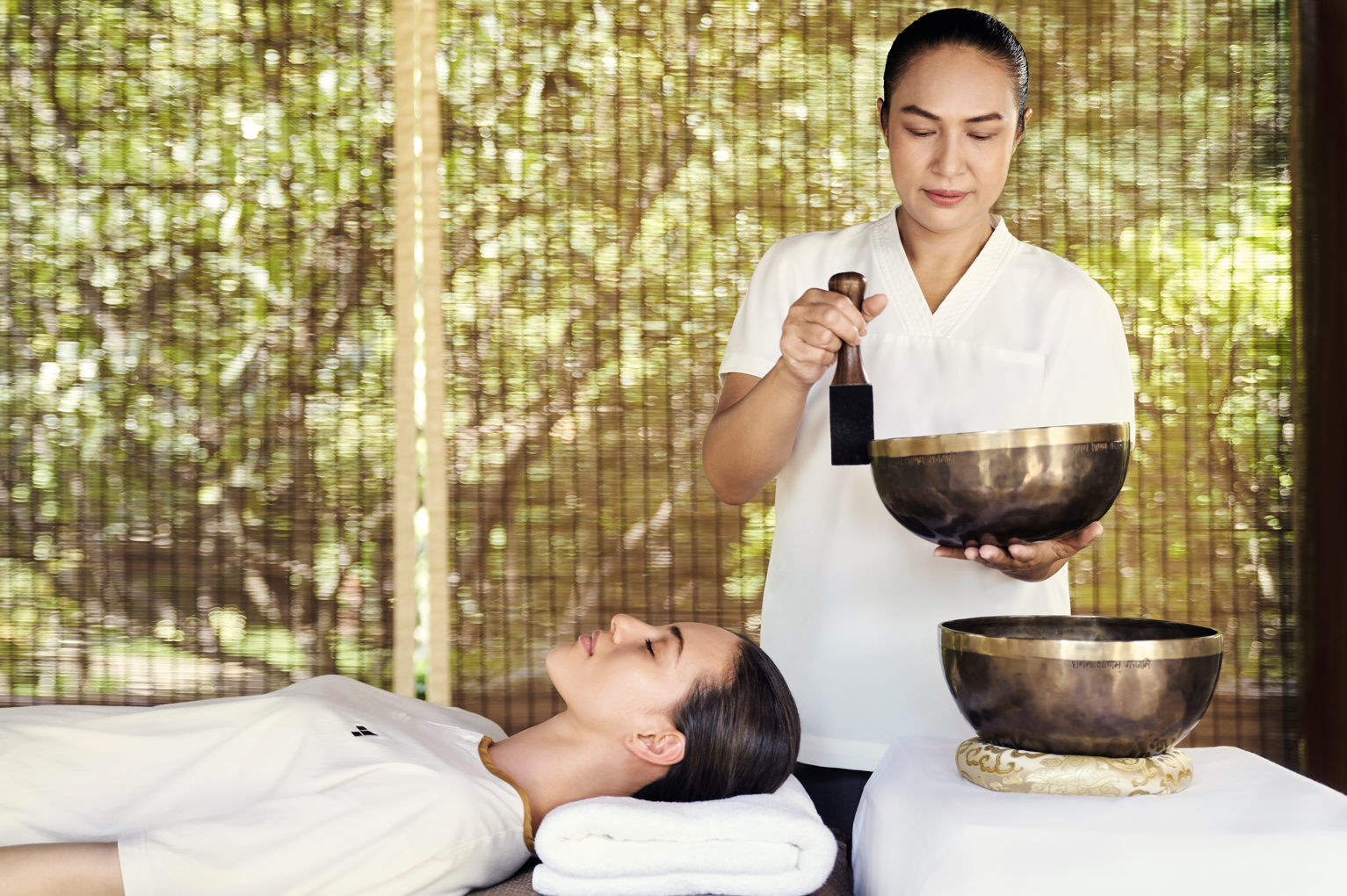
Its facilities include an indoor bathing pavilion, water therapy suites, Jacuzzis and 70 treatment rooms. More than 200 treatments are available, spanning conventional spa therapies and specialist wellness services.
Yet the resort's distinguishing feature is less the number of treatments than the way they are organised.
Guests begin with a discussion of their individual goals, allowing the team to develop a programme suited to their circumstances and priorities.
For some, that may mean improving physical fitness or addressing muscular discomfort. Others arrive seeking changes to their nutrition, greater relaxation or a more structured approach to maintaining their health.
The resulting programmes draw on six principal areas: spa treatments, holistic health, fitness, physiotherapy, aesthetic beauty and nutrition.
This combination of disciplines has become increasingly familiar within luxury wellness travel, but Chiva-Som was developing its approach long before the concept became a mainstream hospitality category.
The changing meaning of a spa holiday
The rise of destination wellness reflects a broader change in how affluent travellers think about leisure.
Where a traditional spa visit might involve a massage, a facial and an afternoon beside the pool, specialist retreats increasingly encourage guests to examine their habits beyond the duration of their stay.
Nutrition consultations, supervised exercise, physiotherapy and lifestyle guidance have become part of the experience.
The commercial appeal is understandable. A holiday offers a temporary escape from the routines that make healthier habits difficult to establish, while a residential programme provides the time and structure to experiment with different approaches.
There is, however, an important distinction between feeling restored after a retreat and achieving lasting improvements in health.
The effectiveness of individual treatments and wellness programmes varies, and the language of transformation used throughout the industry can sometimes run ahead of the evidence.
Chiva-Som's approach is built around personalisation, with practitioners adapting programmes according to guests' stated goals rather than offering every visitor the same itinerary.
The resort presents this as a way of making the experience more relevant to individual needs and encouraging habits that can be continued at home.
Its longstanding reputation suggests that the model has found a receptive audience among international travellers seeking something more structured than an ordinary luxury holiday.
The people behind the experience
For Krip Rojanastien, chairman and chief executive of Chiva-Som, the latest award is particularly significant because it reflects the opinions of travellers themselves.
"We are deeply honoured to once again receive this recognition from the readers of Condé Nast Traveller," he said.
Rojanastien attributed the result to the resort's employees and their ability to deliver individually tailored experiences.
"This achievement is a testament above all to our exceptional team, whose expertise, compassion and dedication enable us to continually deliver highly personalised wellness experiences with genuine care."
He also emphasised the importance of maintaining the philosophy established when the resort opened, while adapting its services to changing expectations.
"For more than three decades, Chiva-Som has remained true to our founding philosophy while continuing to evolve with the changing needs of our guests," he said.
That continuity is an interesting part of the resort's story.
The luxury hospitality industry is particularly susceptible to changing fashions, and wellness has experienced several of them, from traditional spa therapies and detox programmes to more recent enthusiasm for longevity, recovery and personalised health.
A property established in 1995 must therefore appeal to contemporary expectations without losing the identity that made it successful in the first place.
For Chiva-Som, the central idea remains that physical, mental and emotional wellbeing should be considered together rather than as entirely separate concerns.
A costly commitment to wellbeing
The experience comes at a substantial price.
Rates at Chiva-Som Hua Hin begin at approximately 31,000 Thai baht per person per night, equivalent to around £696 at the exchange rate quoted by the resort, before additional service charges and taxes.
The quoted starting rate excludes a further 17.7 per cent in charges.
That places the property firmly within the luxury end of the wellness market, where guests are paying not simply for accommodation but for access to specialist facilities, practitioners and individually organised programmes.
To mark its latest award, the resort is offering additional benefits for qualifying stays before the end of December 2026.
Depending on availability and the option selected, guests can receive early arrival and late departure arrangements, an additional lunch on arrival or an additional dinner before leaving.
The promotion is a relatively modest addition to an experience whose principal attraction remains its established approach to wellness rather than conventional holiday extras.
The enduring appeal of a wellness retreat
Chiva-Som's latest recognition adds to a series of recent hospitality awards, including a Michelin Key in 2026 and inclusion in Condé Nast Traveller's Gold List.
Awards of this kind reflect different assessment methods, and a reader voted distinction should not be mistaken for a clinical assessment of the resort's health programmes.
Nevertheless, the continuing recognition of a property established more than 30 years ago says something about the durability of the destination wellness model.
The industry has expanded considerably since Chiva-Som first opened its doors. Luxury hotels now routinely offer elaborate spa facilities, fitness programmes and nutritional experiences, while specialist wellness retreats compete to provide increasingly comprehensive services.
For travellers, that abundance of choice has made the distinction between a pleasant spa hotel and a dedicated wellness destination more important.
Chiva-Som has continued to build its identity around the latter.
Its appeal lies in the combination of a secluded coastal setting, an unusually extensive range of facilities and the opportunity to devote an entire holiday to personal wellbeing.
Whether such experiences produce lasting changes will depend on the individual and what happens after the holiday ends. But the desire for travel that offers more than temporary escape shows little sign of disappearing.
Three decades after Chiva-Som opened in Hua Hin, the idea that a holiday might be an opportunity to reconsider how one lives has become an increasingly influential part of luxury travel.
The resort's latest award suggests that, for many travellers, the original proposition remains as appealing as ever.
Chiva-Som Hua Hin was named No. 1 Destination Spa in the Rest of the World category of the Condé Nast Traveller Readers' Choice Awards 2026. The awards received more than 296,000 reader survey responses worldwide.
Continue Reading
More Health
Why fibre is becoming the nutrient everyone is talking about
Can a performance drink improve your workout without caffeine?
Georgia Stanway’s five rules for surviving your first hybrid fitness competition