Can a performance drink improve your workout without caffeine?
DoNotAge launches stimulant-free performance drink combining creatine, NAC and nitric oxide ingredient aimed at fitness and longevity markets.
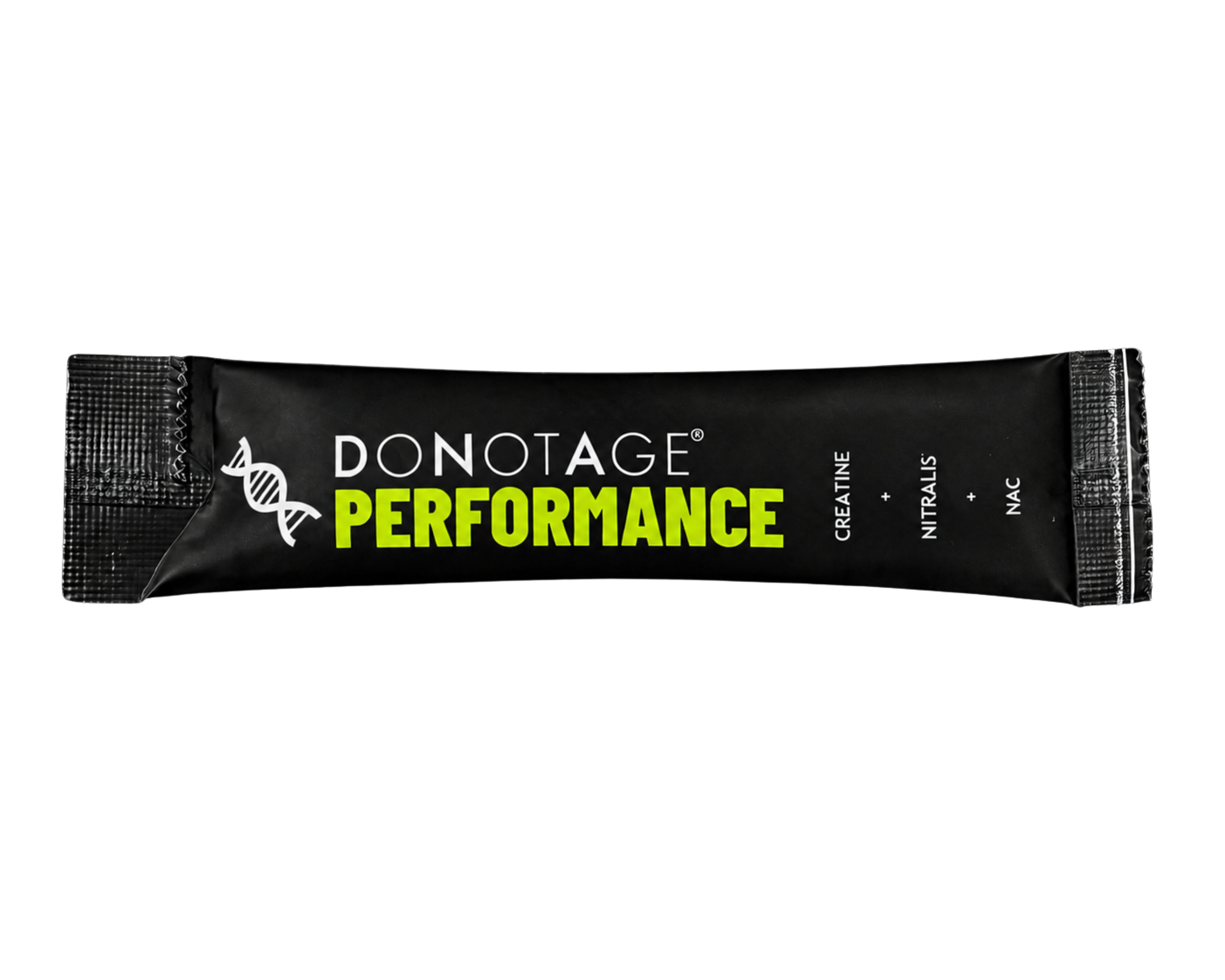
DoNotAge has moved into sports nutrition with a stimulant free supplement combining creatine, NAC and a nitric oxide focused ingredient. Behind the performance claims is a broader attempt to connect exercise with the increasingly lucrative science of longevity.
The modern fitness supplement market has become remarkably good at making exercise feel complicated.
Pre workout powders promise energy. Recovery products arrive afterwards. Creatine has moved from bodybuilding circles towards the mainstream, while the booming longevity industry has introduced another collection of compounds promising to support the body over the longer term.
British supplement and health research company DoNotAge is now attempting to bring some of those worlds together.
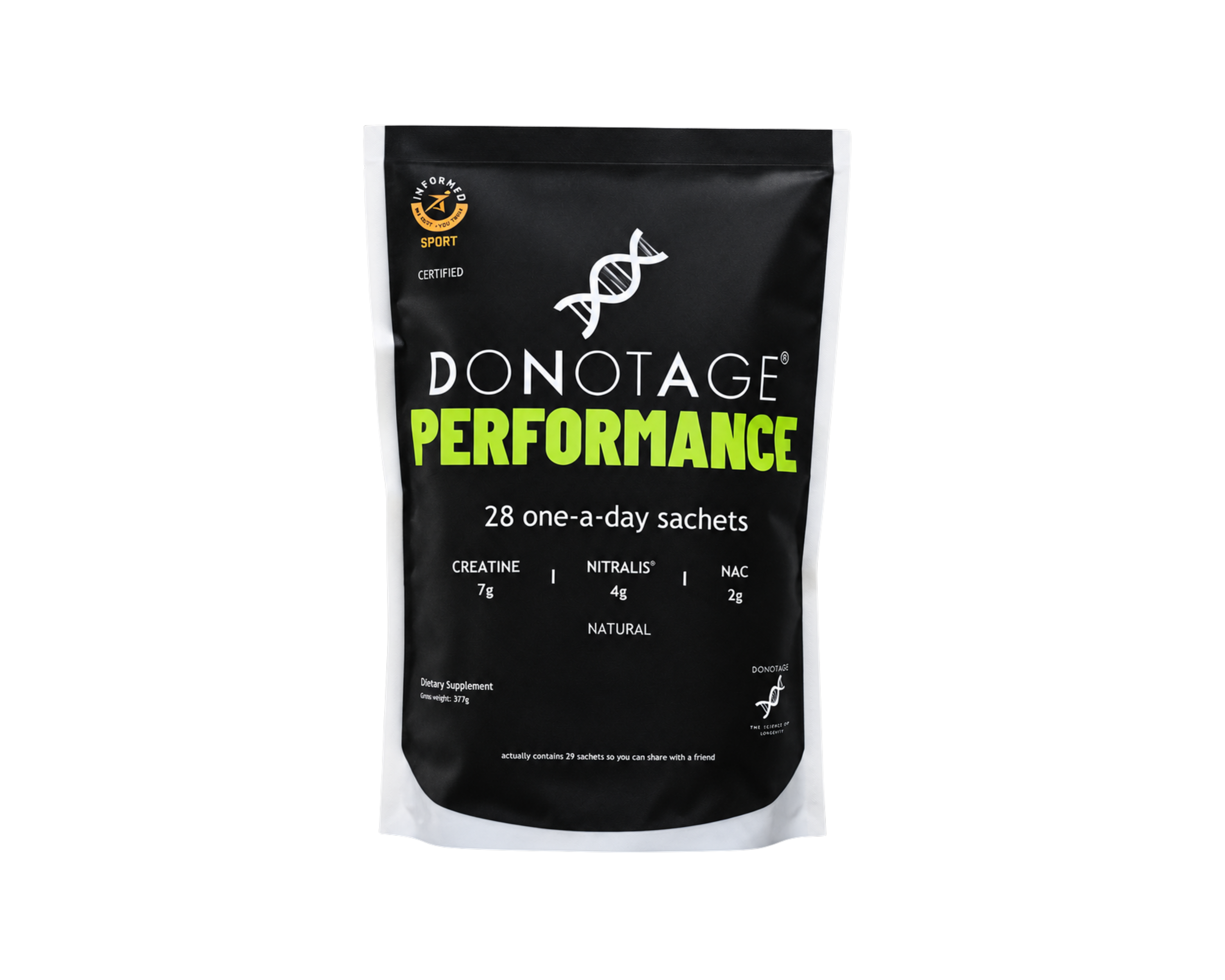
The company has launched DoNotAge Performance, a daily drink containing seven grams of creatine monohydrate, four grams of its Nitralis ingredient and two grams of N acetylcysteine, better known as NAC.
The notable omission is caffeine or another conventional stimulant.
Instead, the product is being positioned around three increasingly interconnected areas of health: physical performance, recovery and healthy ageing.
Creatine is moving beyond the weights room
Of the three ingredients, creatine has by far the most established reputation in sport.
It plays a role in the body's rapid energy system and supplementation has been extensively studied for its ability to improve performance during repeated bouts of high intensity exercise and support gains from training.
But researchers have increasingly become interested in creatine outside conventional sports performance, including its potential relationship with cognition and healthy ageing.
That distinction is important because DoNotAge is attempting to position its new product not simply as something to take before a difficult workout, but as a daily supplement.
Sergej Ostojic, who has joined the company's clinical advisory board, argues that creatine should no longer be regarded solely as a product for athletes.
“Most people still associate creatine primarily with athletes, sport performance and muscle strength,” he said.
“But creatine is much more than a sports supplement. It is a fundamental component of human energy metabolism.”
The company says a 24 week clinical study in older adults will investigate a formulation containing creatine across biological, metabolic and functional measures associated with healthy ageing.
That research should be distinguished from evidence about the individual ingredients. The material released by DoNotAge does not provide results from a completed clinical trial demonstrating that the finished Performance formulation produces all of the combined benefits being claimed for its components.
The nitric oxide question
The second major component is Nitralis, DoNotAge's nitric oxide focused ingredient.
Nitric oxide has an important physiological role in the regulation of blood vessels and blood flow, which has made approaches intended to increase its availability interesting to sports scientists.
DoNotAge cites a randomised placebo controlled pilot study involving 85 adults in which salivary nitric oxide was assessed over 30 days. The company says the median change from baseline was 90 units among participants receiving Nitralis, compared with no change in the placebo group.
That is an interesting early finding, but it should not be confused with direct evidence of improved sporting performance. Measuring a biomarker is different from demonstrating that somebody runs faster, lifts more or recovers more quickly.
The third ingredient, NAC, is a precursor involved in the body's production of glutathione, an important antioxidant. Research into NAC and exercise has produced mixed results, something DoNotAge itself acknowledges in the studies supplied alongside the launch. One small trial reported improvements in sprint performance and antioxidant measures, while another identified antioxidant changes without an improvement in performance.
A pre workout without the buzz
The absence of stimulants may ultimately be one of the product's more interesting propositions.
Caffeine remains enormously popular in sports nutrition, but not everyone wants the accompanying stimulation, particularly people exercising later in the day or those who already consume significant quantities through coffee and other drinks.
Alan Graves, founder and clinical research adviser at DoNotAge, argues that the new formulation offers an alternative.
“Most supplements are underdosed, full of stimulants, and do not even contain what they say on the label,” he said.
“Seven grams of creatine, four grams of Nitralis, two grams of NAC, and every single batch is Informed Sport certified.”
The company says the certification means batches are tested within a programme designed to reduce the risk of banned substances for athletes.
Where fitness meets longevity
The launch is also revealing of a much larger change taking place around exercise.
Fitness was once marketed predominantly around what could be achieved immediately: more muscle, less fat, greater speed or improved sporting performance.
The longevity movement is increasingly selling a different proposition. Exercise becomes not simply a route towards looking or performing better now, but part of an attempt to preserve physical and cognitive function decades into the future.
That makes the crossover between sports nutrition and longevity almost inevitable.
DoNotAge, founded in Derby in 2019, has built its business around supplements and research associated with healthy ageing. Moving into fitness therefore gives it access to a much larger audience while keeping the company's existing longevity proposition intact.
The scientific test will be whether combining promising or established individual ingredients produces meaningful additional benefits in the finished product.
For now, creatine brings substantial existing research with it, while the evidence surrounding the other components and their combination remains at different stages of development.
That distinction matters in an industry where the distance between an interesting biological mechanism and a meaningful result for the person drinking it can sometimes be considerable.