Flu vaccine uptake falls among children and adults as NHS faces growing winter pressures
AI-generated influencer content achieves 5.5% less engagement than human posts, with UK TikTok showing 21% lower interaction rates, new analysis reveals.

According to Pablo Dutra, who holds a master’s degree in physiotherapy and is an exercise physiologist, pregnant women are not only more concerned about vaccination but have also been exercising more (Image: Image Source Agency)
An analysis of more than 87,000 social media posts suggests artificial intelligence is struggling to replicate the audience engagement achieved by human influencers, despite its growing adoption across the marketing industry.
Artificial intelligence may be transforming influencer marketing, but new research suggests that content created using the technology is failing to match the engagement achieved by traditional social media posts.
A study by influencer marketing platform Kolsquare found that content identified as AI generated attracted 5.5 per cent less engagement overall than posts without an AI label from the same creators.
The difference was particularly pronounced on TikTok in the United Kingdom, where AI tagged content recorded 21 per cent lower engagement.
The findings raise questions about the effectiveness of synthetic content at a time when brands and marketing agencies are increasingly investing in artificial intelligence to improve efficiency and reduce production costs.
More than 87,000 posts analysed
Kolsquare examined 87,362 AI tagged posts published by more than 20,000 creators across Instagram and TikTok between October 2025 and September 2026.
The research compared those posts with content from the same creators that had not been identified as AI generated, allowing the company to examine differences in audience engagement.
Although the overall results suggest a disadvantage for AI content, the findings come with important qualifications.
The analysis only captured content explicitly identified as involving AI, meaning undisclosed use of the technology was not included.
Furthermore, differences in engagement among sponsored posts were not statistically significant.
The results therefore suggest a broader pattern in audience behaviour rather than establishing that AI content necessarily performs worse in every commercial campaign.
Human judgement still matters
The report, titled Beyond the Hype: AI for Influencer Marketing, also examined whether artificial intelligence can improve the process of selecting influencers for marketing campaigns.
In one experiment, influencer marketing agency BeInfluence compared creators selected by an AI system with those chosen by its own team.
The automated approach favoured larger accounts, prioritising creators with the potential to reach the greatest number of people.
However, the human team achieved comparable reach by selecting smaller creators with different audiences, while also generating higher engagement.
The experiment suggests that audience size alone may not be the most effective measure of an influencer's commercial value.
Factors such as community relationships, audience relevance and the credibility of individual creators can also influence campaign performance.
Consumers remain sceptical of synthetic advertising
The findings arrive as artificial intelligence becomes increasingly embedded in marketing operations.
According to Kolsquare, 84 per cent of influencer marketers and 72 per cent of creators now use AI or automation tools.
The technology is being adopted for activities including identifying potential collaborators, developing campaign briefs and measuring results.
Nevertheless, consumer attitudes towards AI generated advertising remain mixed.
The report cites separate research from Canva indicating that 78 per cent of consumers would prefer advertising created by humans.
Quentin Bordage, founder and chief executive of Kolsquare, believes the relationship between creators and their audiences remains central to successful influencer marketing.
"Influence works because a real person has built an engaged community over time and those people trust in their authenticity," he said.
"An avatar can copy the look and the tone, but it has never lived what it recommends. Take the person away, and you're left with advertising."
AI as a tool rather than a replacement
Alongside the research, Kolsquare has published an AI Manifesto outlining its approach to the technology.
The company has pledged not to develop tools that clone real creators or promote virtual influencers, arguing that artificial intelligence should support rather than replace human creativity and judgement.
The position comes despite the potential commercial opportunities associated with virtual personalities and automated content production.
Bordage acknowledged that artificial intelligence is bringing significant changes to the industry.
"There's a lot of AI washing in our industry, but underneath it, this is a real revolution," he said.
"In a few months, the way brands select creators, brief them and measure what they deliver has changed more than in the previous five years."
A changing future for influencer marketing
The research highlights an emerging challenge for brands seeking to balance efficiency with authenticity.
Artificial intelligence can help marketers process large amounts of data, identify potential partners and streamline administrative tasks.
However, the findings suggest that automating the creative process does not necessarily translate into stronger relationships with audiences.
For businesses investing in influencer campaigns, the distinction between reaching consumers and genuinely engaging them may become increasingly important.
As AI technology continues to develop, its most valuable role in influencer marketing may be behind the scenes, helping brands and creators make better decisions while leaving the human relationships at the heart of successful campaigns intact.
Continue Reading
More Health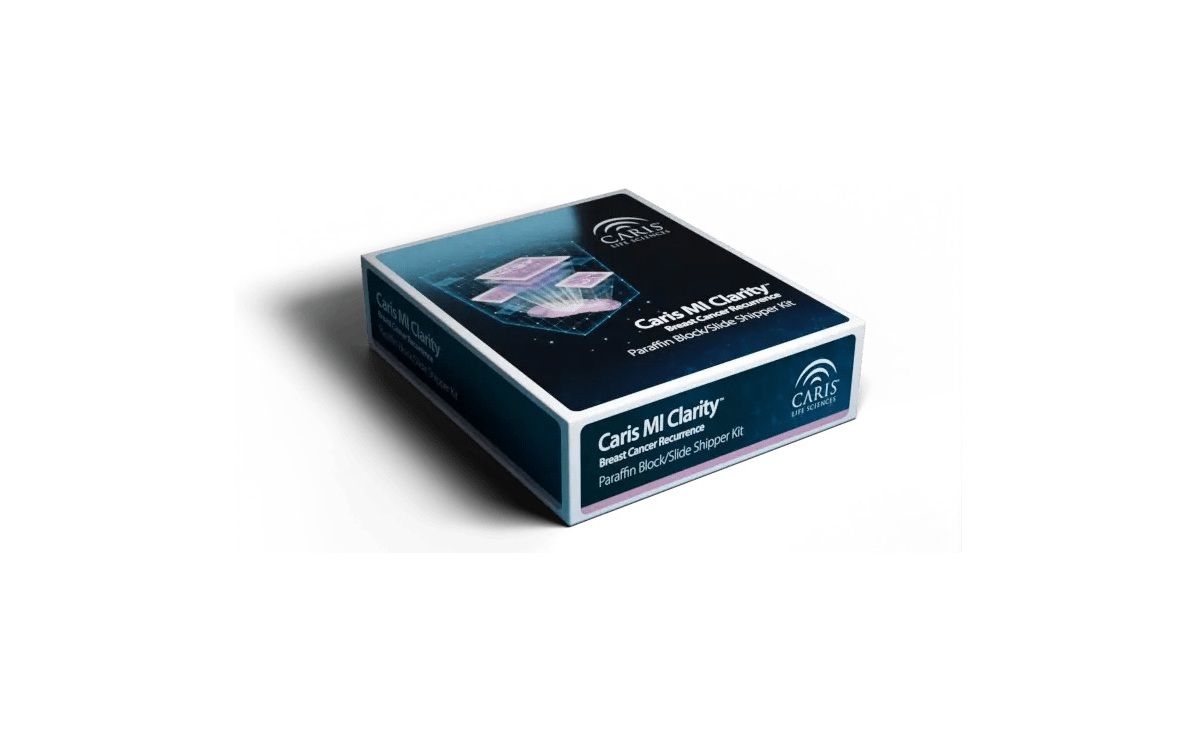
New AI breast cancer test launches in UK to predict recurrence risk up to 15 years

Qatar’s Zulal Wellness Resort launches specialist postpartum recovery retreat for new mothers
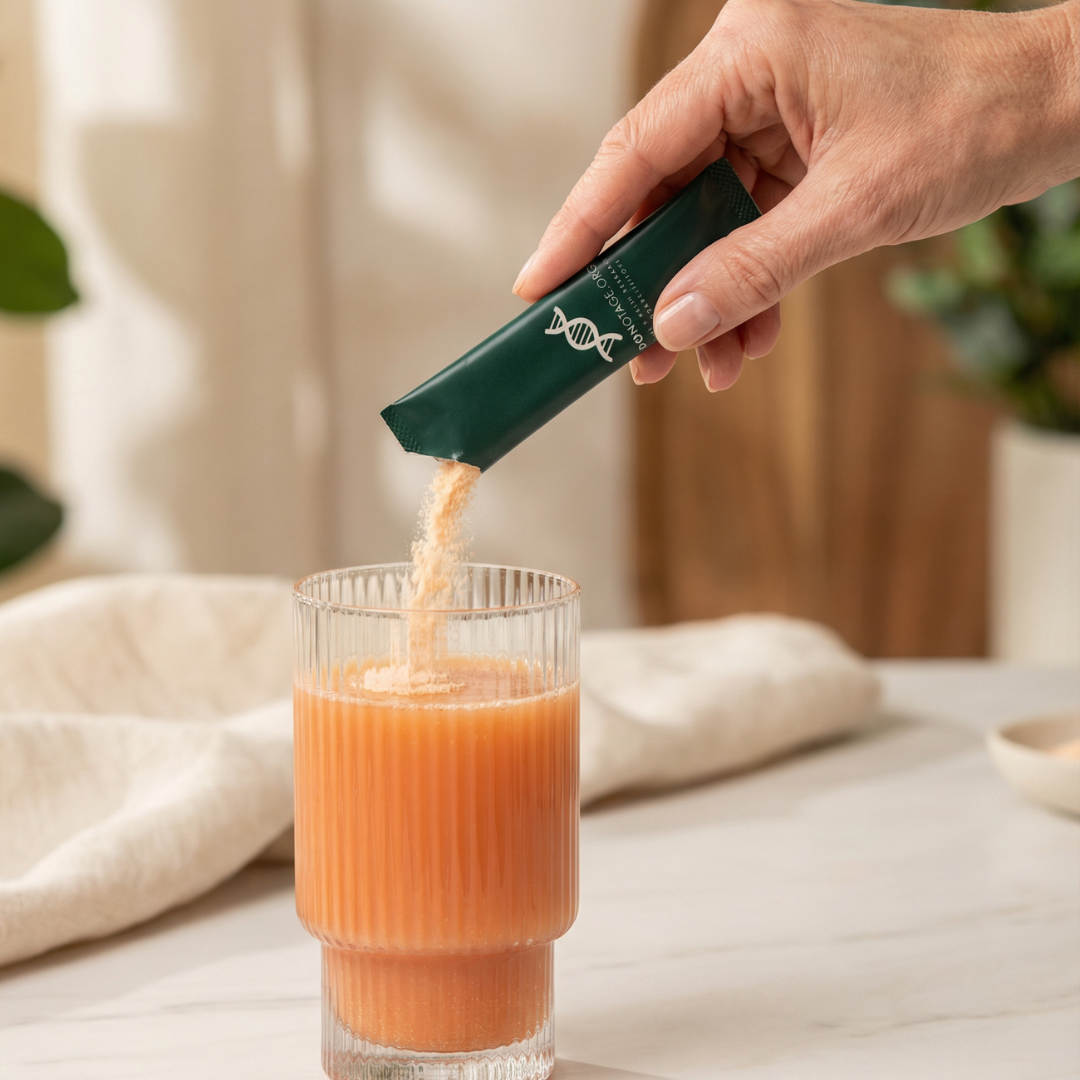
DoNotAge launches Black Friday offers with £18,800 lifetime supplement membership