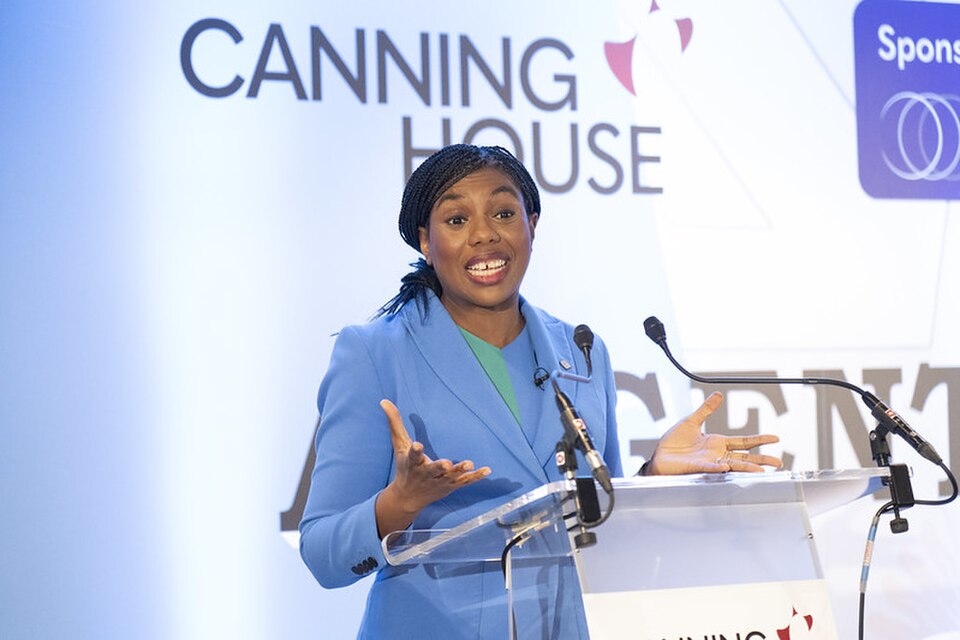
In Neurodivergent Moments , the focus isn’t on tragedy or triumph, but the funny, awkward and recognisable moments that make up everyday life. We spoke to the co- author Comedian Joe Wells about humour, autism, late diagnosis, and why telling ordinary stories can still feel quietly radical.
The title Neurodivergent Moments suggests the small everyday things people might overlook. What kinds of moments were most important for you to include?
More than anything, I wanted to write a funny book, so the moments I’ve chosen are all fairly ordinary (seeing friends, going to work, school assemblies, etc.) because often that’s where humour lives. Autistic people are usually portrayed as either inspiring or tragic, so it was important to me to show the aspects of neurodivergent experience that are neither of those things - just normal people living relatively happy lives. I am very inspired by a writer called Donna Williams, who wrote about how there can be joy in living with an unconventional brain. There’s a lot of joy in the book too.
Do you think humour can open conversations that more serious language sometimes can’t?
Yes, it can, although I also think that humour is an end in itself. I have always loved humour, comedy, and funny stories, so if the book achieves only laughter, then that’s good enough for me. The closest I get to being serious in the book is in the opening chapter, where I make my big claim that neurodivergent people are a community of real people with many shared experiences, and it follows that “neurodivergent culture” is a thing. Telling funny stories is part of that culture, and it’s the part that Abigoliah and I are good at.
The book covers work, travel, relationships and daily life. Was there one chapter or story that felt especially personal or difficult to write?
There’s a really embarrassing story about my bum in the health chapter, but it is a very funny story, so I felt compelled to include it.
There’s been a big rise in conversations around adult diagnosis and neurodivergent identity in recent years. Why do you think that conversation is happening more openly now?
I think that there are lots of factors, and I would recommend Steve Silberman’s brilliant NeuroTribes, which is a history of autism and the neurodiversity movement. It’s often said that “we’re just more open about things now,” but I think that ignores the history of neurodivergent people who fought to reduce stigma and for us to have a voice.
The book avoids a self-help tone and focuses instead on lived experience. Why was that approach important to you when writing it?
I don’t think either of us is qualified to be giving out advice! Also, there are lots of really good books already in that space. Suzi Payton and Kate Laine-Toner’s Lost and Now Found is one I would personally recommend. The two things we do have expertise in are our own experiences and making things funny, so that’s what we’ve done.
Was there a moment in your life when you realised your experiences weren’t “just you,” but connected to being autistic?
In my 20s, I worked in SEN education, and I found that a lot of the young people I worked with would articulate things that I could really relate to. I then found out that there had been an informal diagnosis of what was then called Asperger’s when I was a teenager, and I sought out an official diagnosis of autism just before I turned 30.
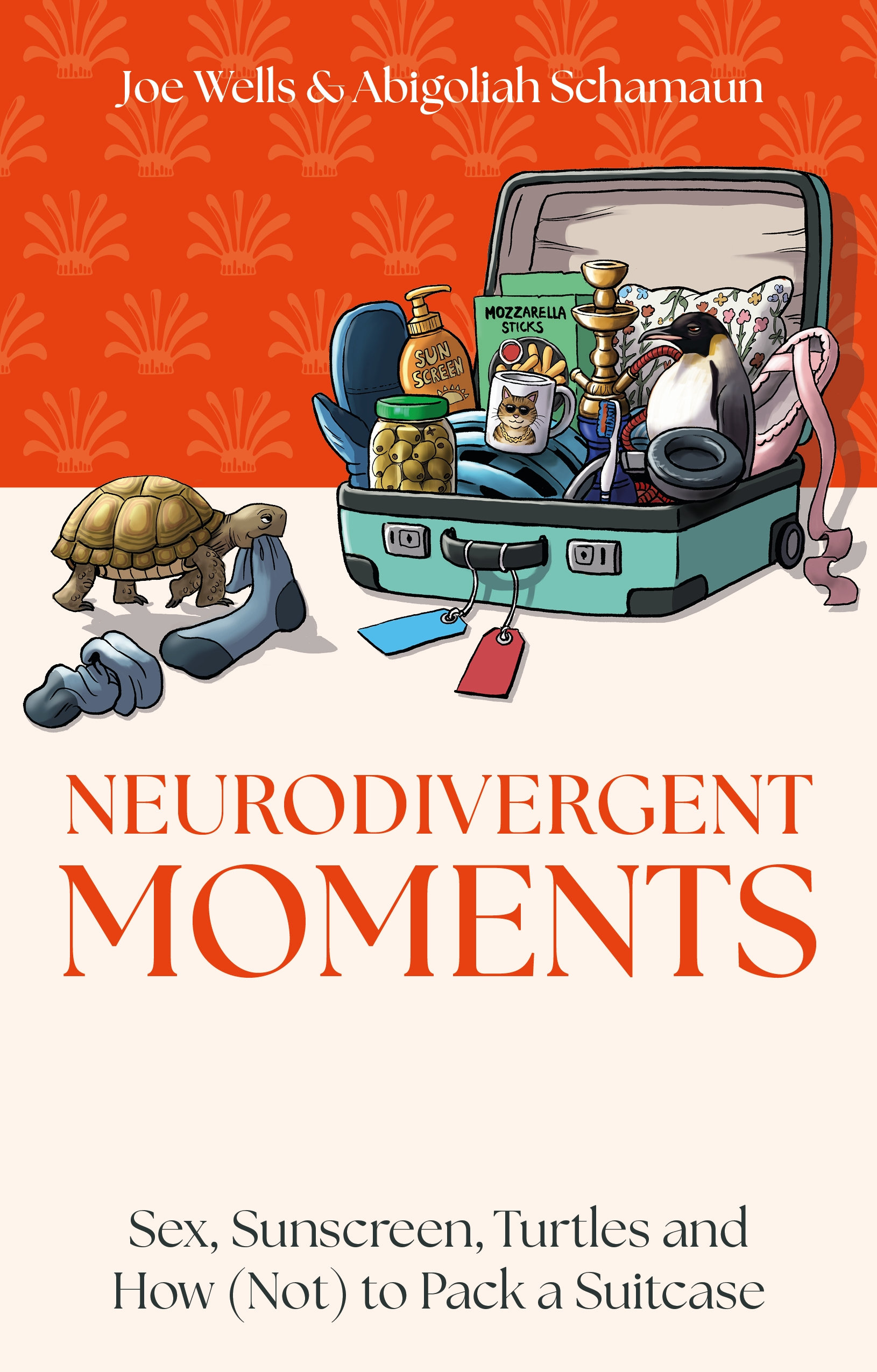
Neurodivergent Moments : Sex, Sunscreen, Turtles and How (Not) to Pack a Suitcase will be released on 18 June 2026. The pre-order link is HERE.
Continue Reading
More
Forecast: Fashion - the October edit

Q&A with Ajay Chowdhury

Why fibre is becoming the nutrient everyone is talking about