Writer Jonny Khan on CAMDENWALLA and the Hidden History of Bengali Resistance in Camden
Writer and director Jonny Khan discusses CAMDENWALLA: 60 Hampstead Rd, the new production exploring the overlooked history of the Camden Monitoring Project and the Bangladeshi communities who organised against racist violence in 1980s and 1990s Camden.
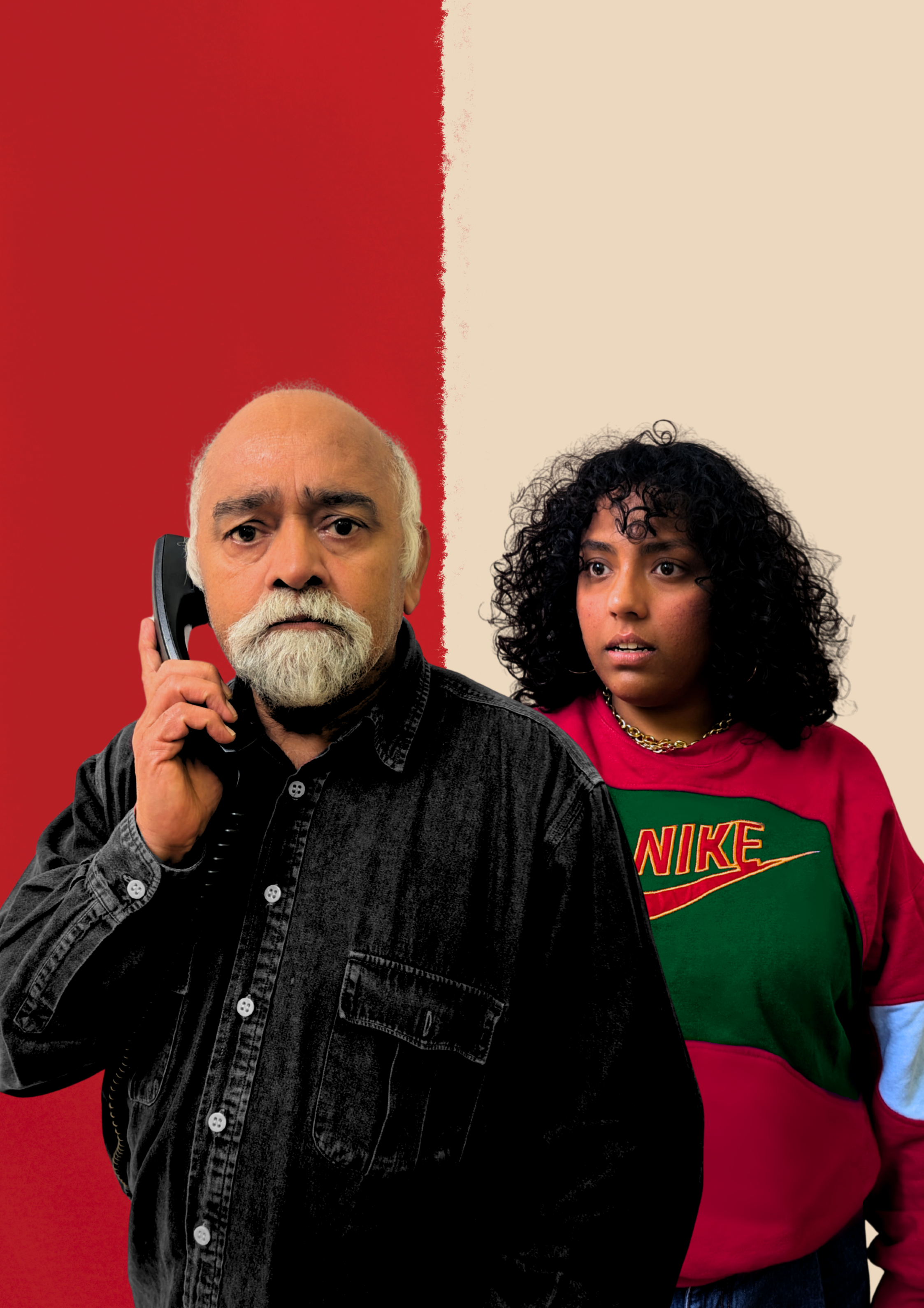
CAMDENWALLA
Ahead of CAMDENWALLA: 60 Hampstead Rd at Camden People’s Theatre, writer-director Jonny Khan discusses uncovering the hidden history of the Camden Monitoring Project, which supported Camden’s Bengali community during a period of racist violence in the 1980s and 1990s, staging the play in the building where the real events took place, and why stories of community resistance still resonate today. 1. CAMDENWALLA: 60 Hampstead Rd is rooted in a very specific piece of Camden history. What first drew you to the story of the Camden Monitoring Project, and why did it feel urgent to tell now?
When I was first asked to make a piece for Camden People's Theatre, I was curious about the building itself and what it had been before it was a theatre. I started speaking to members of the local community and digging into its history and discovered that the Camden Monitoring Project was founded in the very building where this play is now being performed.
In the 1980s and 1990s, when racist violence was a daily reality for many communities, the CMP was a lifeline. People contacted the Project to report attacks, get legal advice, and find support at a time when the police and other institutions often failed them. I was struck by how little I knew about this history and by how much of it risks being forgotten. It felt important to tell this story now because many of the issues the CMP were confronting - hate crime, institutional neglect and the question of who gets protected, are still with us today.
At its heart, this play is about ordinary people who chose to stand up for one another. It is my way of honouring the communities who organised, resisted and cared for each other when no one else would.
- The play explores a form of grassroots community protection that existed outside official institutions. What do you think stories like this reveal about Britain in the 1990s, and perhaps Britain today?
These stories show what happens when communities can’t rely on official systems to keep them safe. The Camden Monitoring Project existed because people were being attacked and their experiences were often ignored or brushed aside. So communities had to build their own ways of caring for each other, recording what was happening and fighting back.
A lot has changed since the 1990s, but many of the same questions are still with us. How do we protect our communities and the things we believe in? The play is about ordinary people deciding they can’t wait for permission to look after one another. That feels just as relevant today as it did in 1994.
- Much of the work carried out by organisations like the Camden Monitoring Project seems historically under-documented. Did you feel a sense of responsibility in bringing these histories to the stage?
Definitely. One of the most powerful parts of making this show has been realising how much important community history can disappear if it isn’t passed on. The people who worked at the Camden Monitoring Project were doing incredibly important work, but most people have never heard of them.
I felt a real responsibility to tell that story with care. The play is fictional, but it is built from interviews, archive research, and conversations with people from the community. I wanted to make something that not only told a gripping story, but also paid tribute to the people who devoted their lives to standing up for others.
- The play centres on both a first-generation Bangladeshi immigrant and a younger British-Bangladeshi teenager. How interested were you in exploring tensions between generations within migrant communities?
That was at the heart of the play from the very beginning. I’m really interested in how different generations carry history in different ways. The older generation often made huge sacrifices and found ways to survive, while younger generations live with the consequences of those choices without always knowing what their parents went through. The relationship between Muhammad and Alima explores the tensions and love that can exist between generations in migrant families.
- CAMDENWALLA: 60 Hampstead Rd is staged in the same building where these real events took place. How did working within that physical space shape the writing and rehearsal process?
Working in the actual building has been incredibly special. There’s something very moving about knowing that the events in the play took place in the same rooms where the audience will be sitting.
It grounded the writing in a real place and a real history. It’s rare to tell a story in the exact building where it happened, and I feel very proud and excited that we’re able to do that.
- In developing the production, you spoke with members of Camden’s Bangladeshi community and drew on archival material. Were there particular stories or testimonies that stayed with you?
What stayed with me most was how much people were carrying. I heard stories about everyday racism - being attacked in the street, having homes targeted, and living in unsafe conditions - but also about the strength of people who refused to stay silent. More than anything, the testimonies showed a community that looked after one another. That spirit of solidarity is at the heart of the play.
CAMDENWALLA will run at Camden People’s Theatre from 17 June – 4 July. Tickets available HERE
Continue Reading
More Culture
The Future of Luxury explores how culture, technology and changing values are reshaping the industry

Q&A with Ajay Chowdhury
New School Resource Uses Original Songs to Help Children Talk About Difficult Feelings