Britain's appetite for marathons shows no sign of slowing
Baxters Loch Ness Marathon 2026 sells out in record time, three months earlier than any previous year. Britain's running boom continues to defy expectations.
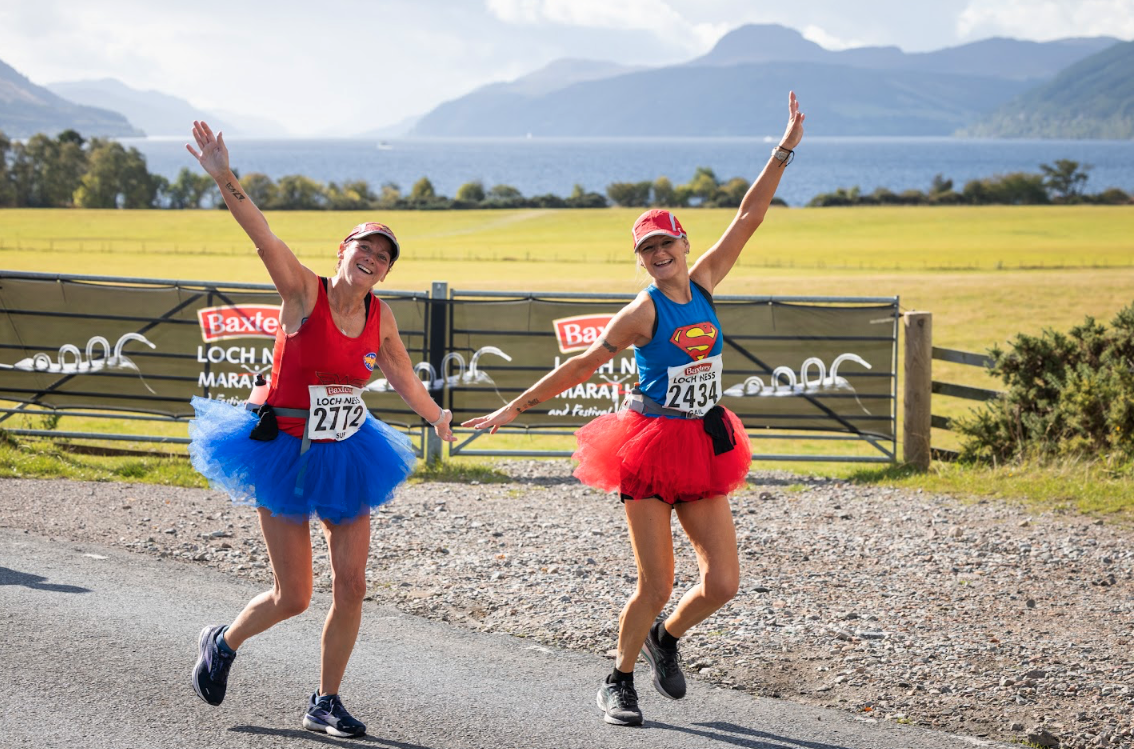
Baxters Loch Ness Marathon 2026
There was a time when completing a marathon was regarded as the preserve of elite athletes, dedicated club runners or those raising money for charity. Today, securing a place on the start line has become the greater challenge.
The latest evidence comes from the Baxters Loch Ness Marathon, where organisers have announced that the 2026 race has sold out in record time, reaching capacity three months earlier than any previous year. With general entries now exhausted, only a limited number of charity places remain available for what has become one of Britain's most sought after running events.
The surge is not confined to the marathon itself. Entries for the accompanying River Ness 10K are already 85% full, while demand for the shorter 5K race is also running well ahead of previous years. Together, the figures suggest Britain's running boom has proved far more resilient than many predicted after the pandemic.
During lockdown, millions turned to running as one of the few forms of exercise available. What many assumed would prove a temporary habit has instead evolved into a lasting shift in lifestyle. Parkruns continue to attract record participation, marathon ballots are increasingly oversubscribed and organised races across the country have enjoyed sustained growth.
For many participants, the attraction extends well beyond competition.
Events such as the Loch Ness Marathon have become destination experiences, combining endurance sport with tourism. The route, beginning on the shores of Loch Ness before descending towards Inverness, has established an international reputation for its scenery as much as its sporting challenge, attracting runners from across Britain and overseas.
That wider appeal has become increasingly important for host regions.
Major participation events now generate significant economic benefits through hotel bookings, restaurants, transport and local tourism. Thousands of competitors are typically accompanied by family and friends, turning race weekends into valuable opportunities for local businesses well beyond the sporting sector.
The remaining marathon places will be reserved for those raising money for charity, continuing a tradition that has become inseparable from distance running in Britain. Organisations including Macmillan Cancer Support, Alzheimer Scotland and My Name'5 Doddie Foundation are expected to benefit from participants who secure one of the final entries through fundraising.
The popularity of charity running reflects another notable shift.
Increasingly, endurance events have become vehicles not simply for personal achievement but for collective purpose. Completing 26.2 miles remains an individual challenge, yet many participants are motivated as much by the causes they support as by the finish line itself.
For organisers, the speed at which entries have disappeared is another indication that demand continues to outstrip supply.
Far from reaching saturation, Britain's running culture appears to be entering a new phase of maturity, with participation becoming a permanent feature of modern life rather than a passing fitness trend.
For anyone still hoping to run along the shores of Loch Ness next September, however, the lesson is already clear.
The hardest part may no longer be completing the marathon.
It is getting a place in the first place.
Continue Reading
More Lifestyle
Labour members put pensions top of the list for spending cuts

David James backs nationwide push to get unused football boots back on the pitch

Are British workers keeping their best ideas to themselves?